


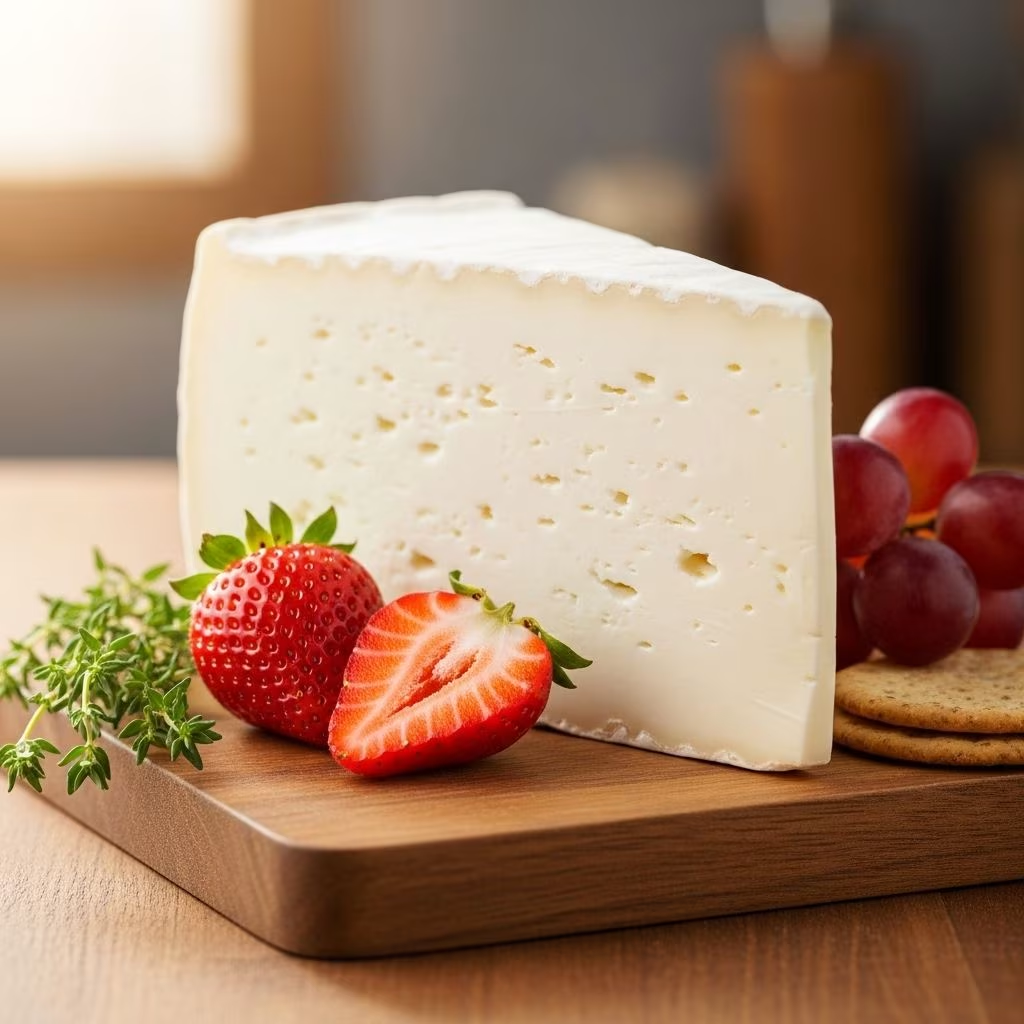
Neufchâtel cheese is a distinguished, soft-ripened cheese with a legacy dating back over a millennium in France. Characterized by its heart-shaped form, distinctive tangy flavor, and creamy-yet-crumbly texture, Neufchâtel has inspired cheese lovers around the globe. This article explores its origins, nutritional profile, uses, health benefits, and the sensory pleasures for which it is prized.
History and Origin of Neufchâtel Cheese
Neufchâtel cheese boasts a long lineage, with earliest records tracing it to the 6th century AD in the lush Bray region of Normandy, France. Recognized as one of the oldest French cheeses still produced, its origin is steeped in regional tradition and historic cheesemaking practices. Its unique Appellation d’Origine Contrôlée (AOC) status, awarded in 1969, safeguards the authenticity and region-specific methodology of its production.
Over centuries, Neufchâtel has been beloved in northern France and gradually found its way to international markets, where both traditional and Americanized versions can be found.
What Makes Neufchâtel Unique?
- Shape and Appearance: Traditionally molded into a charming heart shape, it is also produced as logs or squares. The cheese is enveloped in an edible, dry, white \”bloomy\” rind, a signature of mold-ripened cheeses.
- Texture: Soft, creamy, and slightly crumbly with distinct graininess; firmer than Brie and Camembert, yet equally luscious.
- Flavor: A creamy, tangy, and mildly salty profile, which intensifies and becomes earthier as it ages.
- Production: Made with cow’s milk, typically unpasteurized in France, and aged for 8 to 10 weeks for optimal flavor and texture.
- Protected Designation: Only cheese produced in Neufchâtel-en-Bray by traditional methods may carry the name \”Neufchâtel\” within Europe, echoing the rules for Champagne or Roquefort.
Production and Ingredients
Authentic Neufchâtel cheese is produced with a balance of traditional techniques and attention to detail. The process includes:
- Milk Source: Primarily raw cow’s milk; U.S. commercial types may use pasteurized milk.
- Curdling: Initiated using either microbial (vegetarian) or animal rennet, fostering the characteristic soft curd structure.
- Draining: Curd is gently cut and transferred to molds, allowing whey drainage and gentle compaction without harsh pressing.
- Salting: Salting is light and can be either applied to the curds or externally after molding.
- Aging: Maturation for at least 8 weeks develops the prized bloomy rind and robust, nuanced flavor.
The quality of the milk—a reflection of the local pastures and well-cared-for cattle—imparts much of Neufchâtel’s distinctive taste and aroma.
Nutritional Benefits of Neufchâtel Cheese
While enjoyed mainly for its taste, Neufchâtel carries several nutritional advantages, particularly compared to similar cheeses:
- Protein: A source of high-quality protein, supporting muscle repair and overall cellular health.
- Calcium: Rich in calcium for bone health and metabolic functions.
- Vitamins: Contains vitamins A and D, which support vision, immune function, and calcium absorption.
- Lower Fat Content: Authentic Neufchâtel typically contains 20–33% milk fat, slightly lower than most cream cheeses.
- Lower Calories: Reduced fat means slightly fewer calories, making it somewhat attractive for calorie-conscious diets.
However, like all cheeses, Neufchâtel can be high in saturated fat and sodium, so it is best enjoyed in moderation as part of a balanced diet.
Culinary Uses: Cooking and Pairing
Neufchâtel’s culinary versatility stems from its unique combination of mild creaminess and tang. It shines both as a table cheese and as a cooking ingredient, supporting a variety of dishes and pairings:
- Serving fresh: Spread on baguettes, sourdough, crusty bread, or crackers, often with fruit such as apples, pears, or grapes.
- Cheese platters: Paired with cured meats, figs, and honey for balanced appetizer boards.
- Baking: Used in desserts like cheesecakes (as a substitute for cream cheese), savory tarts, and pastries.
- Cooking: Melts smoothly into sauces for pasta, risotto, or gratins. Excellent as a rich addition to soups or as a topping for roasted vegetables.
- Dips and spreads: Blended with herbs, garlic, or roasted peppers for flavorful party dips.
Wine pairings that complement Neufchâtel include light, bright whites (such as Sauvignon Blanc or Champagne) and fruity reds (Beaujolais, Pinot Noir), while traditionalists may opt for Normandy cider.
Taste and Texture Profile
- Initial Impression: Mild, creamy, and slightly tangy with undercurrents of saltiness and earthiness from the rind.
- Texture: Surprisingly grainy and crumbly when compared to the silkier Camembert or Brie, yet still spreads beautifully at room temperature.
- Flavor Evolution: As it matures, the taste becomes stronger, more savory, and develops an assertive yet balanced sharpness.
The edible rind provides a subtle mushroom note, further enhancing the complexity of flavor without overpowering the palate.
Neufchâtel vs. Cream Cheese
| Feature | Traditional Neufchâtel | Cream Cheese |
|---|---|---|
| Origin | Normandy, France | United States (modern form) |
| Main Ingredients | Cow’s milk | Cow’s milk + added cream |
| Texture | Creamy, slightly crumbly, grainy | Smooth, dense, unaged |
| Fat Content | 20%–33% (lower) | ≥33% (higher) |
| Aging | Yes (~2 months) | Unaged |
| Flavor | Tangy, slightly earthy | Mild, slightly sweet |
| Traditional Shapes | Heart, log, brick | Block, tub |
While they are often used interchangeably in recipes, Neufchâtel offers a grainier texture and more tangy depth, while American cream cheese is smoother and sweeter.
Storage and Shelf Life
- Storing: Keep Neufchâtel in its original packaging or wrapped in wax paper/cheese paper, inside the refrigerator’s cheese drawer.
- Duration: When kept well wrapped, traditional Neufchâtel can last for 1–2 weeks after purchase. Once cut, it is best enjoyed within a few days for optimal flavor and texture.
- Signs of Spoilage: Look for excessive ammonia odor, blue/green spots of mold on the interior (white rind is normal), or significant hardening/drying.
Frequently Asked Questions (FAQs)
Q: Is Neufchâtel cheese suitable for vegetarians?
A: Traditional French Neufchâtel may use animal rennet, but some producers (especially outside France) use microbial rennet, making it suitable for vegetarians. Always check the producer’s label if this is a dietary concern.
Q: Can Neufchâtel cheese be frozen?
A: Freezing is not recommended, as it alters the delicate texture and can promote water separation. Enjoy fresh from the fridge within the recommended shelf life.
Q: Is Neufchâtel cheese lactose-free?
A: No, like all fresh cheeses, Neufchâtel contains lactose, though it may be somewhat lower than milk due to fermentation—lactose-intolerant individuals should exercise caution.
Q: How is Neufchâtel used in French cuisine?
A: It is a classic on cheese boards and is incorporated into quiches, tarts, sauces, and many baked desserts. Its heart shape makes it a romantic, festive addition for special meals.
Q: Is there a difference between French and American Neufchâtel cheese?
A: Yes. French Neufchâtel is an aged, rind-ripened cheese made in Normandy from cow’s milk, while American Neufchâtel is a fresher, factory-made, higher-moisture cheese resembling cream cheese but with less fat.
References:
cheese.com/neufchatel/
en.wikipedia.org/wiki/Neufchâtel_cheese
classpop.com/magazine/neufchatel-cheese
References
- https://www.cheese.com/neufchatel/
- https://en.wikipedia.org/wiki/Neufch%C3%A2tel_cheese
- https://www.classpop.com/magazine/neufchatel-cheese
- https://sporked.com/article/what-is-neufchatel-cheese/
- https://www.thecourtyarddairy.co.uk/blog/cheese-musings-and-tips/the-history-of-heart-shaped-cheese-st-valentines-and-neufchatel-cheese/
- https://extension.illinois.edu/blogs/simply-nutritious-quick-and-delicious/2017-03-03-just-what-exactly-neufchatel-cheese


