


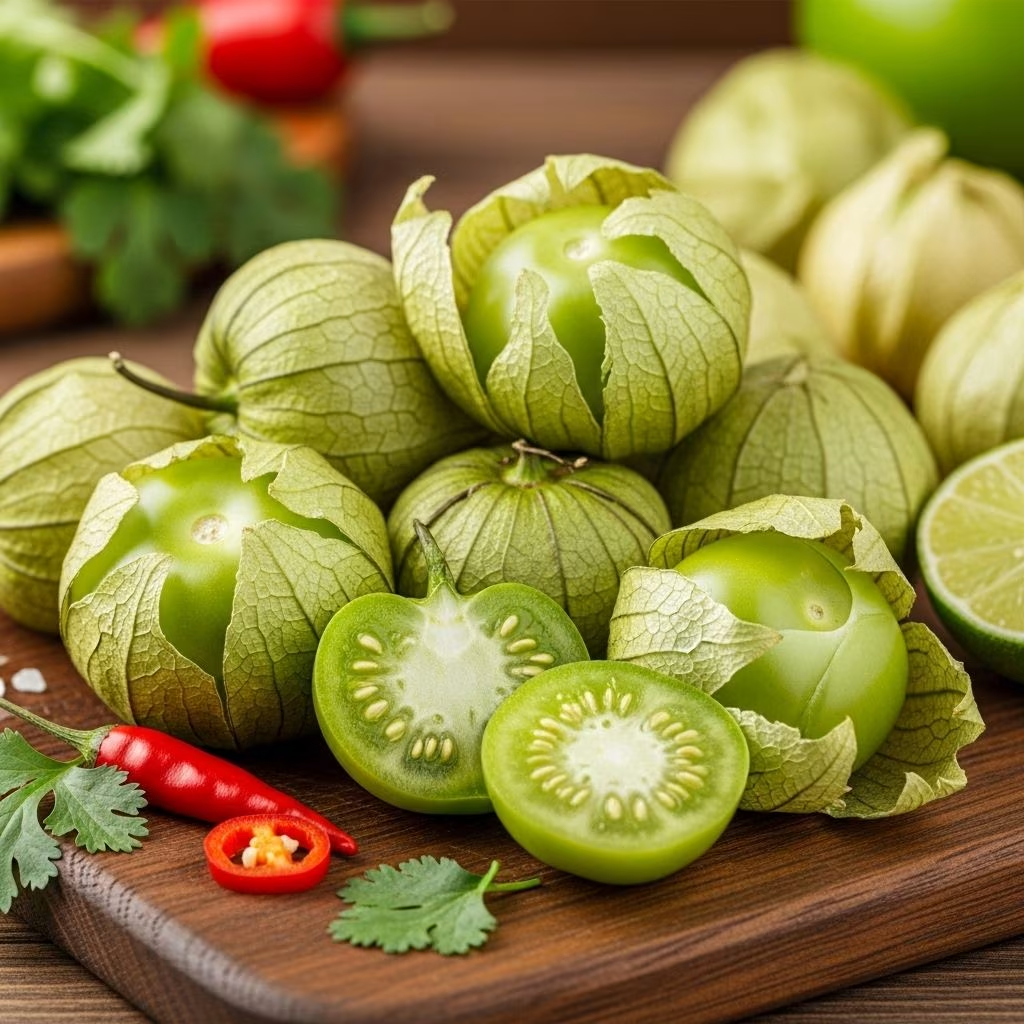
Though often mistaken for its cousin the tomato, the tomatillo is a unique fruit with a world of flavors, nutritional advantages, and cultures that embrace its culinary versatility. This article provides a comprehensive guide covering what tomatillos are, their health benefits, how to use them in cooking, their remarkable taste, and much more.
Introduction: What Is a Tomatillo?
Tomatillos (Physalis philadelphica), pronounced toe-muh-TEE-yo, are small, spherical fruits encased in a distinctive papery husk. Though often nicknamed “husk tomatoes,” tomatillos are not simply green tomatoes. Native to Central America, they are a staple in Mexican cuisine and are the foundational ingredient behind the famed salsa verde.
Origin, History, and Botanical Family
Tomatillos originated in Mexico, where they’ve been cultivated for centuries—long before tomatoes were embraced by European cuisine. They belong to the nightshade family (Solanaceae), like tomatoes, eggplants, potatoes, and peppers, but are more closely related botanically to cape gooseberries (ground cherries) than to typical tomatoes. The Spanish name means “little tomato,” but in Mexican Spanish, they’re often referred to as tomates verdes (green tomatoes).
- Other names: husk tomato, jamberry, husk cherry, Mexican tomato
- Botanical relatives: cape gooseberries, ground cherries
How Are Tomatillos Different from Tomatoes?
At first glance, tomatillos and green tomatoes look similar, but several factors set them apart:
| Feature | Tomatillo | Tomato (Green/Unripe) |
|---|---|---|
| Botanical Relation | Physalis genus | Solanum genus |
| Husk | Enclosed in papery, inedible husk | No husk |
| Ripening Color | Stays green (or purple/yellow in some varieties) | Usually ripens to red, yellow, or orange |
| Taste | Tart, citrusy, slightly fruity | Varies; less tart, more vegetal or sweet |
| Texture | Firm, slightly sticky | Softer when ripe |
| Common Uses | Salsas, sauces, stews | Salads, fried, general purpose |
Tomatillos have higher pectin content, which makes their cooked texture thicker and better suited for sauces and salsas.
Physical Characteristics and Varieties
Tomatillos are typically about the size of a golf ball, ranging from one to two inches in diameter. Each fruit is wrapped in an inedible, papery husk that splits open as the tomatillo matures—a visual cue that it’s ready for harvest.
- Fruit Color: Green is most common, but yellow, purple, and purple-striped varieties exist.
- Flesh: Firm, juicy, sticky when husked.
- Seeds: Tiny, edible, distributed throughout the flesh.
- Papery Husk: Light brown, turns papery-dry as fruit matures.
Some popular varieties:
- Green Husk Tomatillo – classic bright green variety
- De Milpa – wild, slightly tart flavor
- Purple Tomatillo – ornamental and sweeter
- Dr. Wych’s Yellow – pale yellow fruit, unique taste
Nutritional Profile and Health Benefits
Tomatillos are a low-calorie food, packed with nutrients and antioxidants. Their nutrient density makes them an excellent addition to any diet. Here’s a breakdown of their nutritional highlights:
- Low in calories: About 32 calories per 100 grams, making them an ideal ingredient for weight-conscious eaters.
- Vitamin C: Rich source, supporting immune health and collagen production.
- Vitamin K: Contributes to bone health and helps regulate blood clotting.
- Potassium: Essential for maintaining heart health and healthy blood pressure.
- Fiber: Improves digestion and supports beneficial gut bacteria.
- Antioxidants: Contains withanolides and flavonoids that may help combat inflammation and oxidative stress.
Potential Health Benefits
- Supports immune system: Due to vitamin C and phytochemicals.
- Promotes healthy digestion: With dietary fiber aiding in digestive health and regularity.
- May help in weight management: Low-calorie and high-fiber content keeps you feeling full with fewer calories.
- Supports heart health: Potassium may contribute to healthy blood pressure levels.
- Rich in antioxidants: Offers cellular protection against free radicals.
*Note: While tomatillos offer promising nutritional gains, they should be enjoyed as part of a balanced, varied diet.*
Culinary Uses: Traditional and Modern Applications
In Mexican and Central American cuisines, the tomatillo is a foundational ingredient, and its bright, tart flavor is prized for balancing heat and richness in dishes. Here’s how tomatillos are used in kitchens around the world:
- Salsa Verde: The bright green, slightly tart salsa made from roasted or raw tomatillos, chiles, onions, cilantro, and lime—used as a table condiment, a sauce for enchiladas, or a dip for chips.
- Enchilada Sauce: Tomatillos serve as the base of green enchilada sauce, often blended with chilies.
- Stews and Soups: Tomatillos add freshness and acidity to dishes like chicken posole, pork chile verde, or tortilla soups.
- Bean Dishes: Enhances flavor of black bean salads and casseroles.
- Marinades and Dressings: Roasted tomatillo purees add tart body to chicken or seafood marinades and to zesty dressings.
- Relishes and Pickles: Tomatillos’ crisp texture holds up well in salsas and fermented preparations.
- Modern twists: Tomatillo coulis for grilled fish, purees in creamy dips, or even as a creative pizza sauce base.
Cooking methods include roasting (for rich, smoky flavor), boiling (for milder taste), grilling, or serving raw for the brightest, most refreshing tartness. Tomatillos blend well with garlic, onions, cilantro, chiles, and citrus.
Popular Tomatillo Recipes
- Salsa Verde (Green Salsa)
- Tomatillo Chicken Stew
- Pork Chile Verde
- Roasted Tomatillo Guacamole
- Tomatillo Rice
- Tomatillo Avocado Sauce
Taste Profile: What Does a Tomatillo Taste Like?
The tomatillo’s unique flavor is a signature of many classic Latin dishes. Here’s how the taste is often described:
- Bright and tangy: Offers a refreshingly tart, almost citrusy bite that distinguishes it from sweet or mild tomatoes.
- Lightly fruity: Hints of apple or melon are noted, offering depth alongside acidity.
- Earthy undertones: Especially when roasted, bringing out a richer, mellow dimension.
- Firm, crisp texture: Unlike tomatoes, which can become mushy, tomatillos retain their body even when cooked.
Raw tomatillos are more tart, while cooked tomatillos become milder, slightly sweeter, and more sauce-like in texture.
How to Select, Store, and Prepare Tomatillos
Proper selection and storage are essential for the best culinary experience:
- Selection: Choose firm, bright-green fruits with intact, light brown husks. Avoid sticky, shriveled, or moldy husks.
- Storage: Keep tomatillos in their husks in a cool place for a few days, or in the refrigerator for up to two weeks.
- Preparation:
- Peel off the inedible husk—fruit may feel sticky due to its natural saponin coating.
- Rinse thoroughly to remove the sticky residue, which can be slightly bitter if left on.
- Cut, chop, roast, boil, grill, or blend as needed for your recipe. Eat raw or cooked; the entire fruit (except the husk) is edible.
Home Gardening: Growing Tomatillos
Tomatillos are relatively easy to cultivate and are well-suited to home gardens—if you can grow tomatoes, you can likely grow tomatillos, too.
- Climate: Warm, sunny locations are best. Tomatillos thrive in USDA zones 5-11.
- Soil: Well-drained, moderately fertile; avoid excessive nitrogen or you may get lush foliage with few fruits.
- Planting: Start seeds indoors and transplant after last frost, or direct sow where growing season allows. At least two plants required for adequate cross-pollination.
- Care: Provide ample space, support as needed, and moderate watering. Husk splits as fruit matures; harvest when fruit fills out the husk.
- Harvest: Gather when husks begin to split and turn brown; younger fruit is firmer and more tart.
- Varieties: Try shorter-maturity purple or yellow types for cool, shorter seasons.
Frequently Asked Questions
Can you eat tomatillos raw?
Yes, they can be eaten raw for a sharp, tangy flavor, great in salsas and salads. Remove the husk and sticky residue first.
Are tomatillos toxic if unripe?
No, but avoid eating leaves, stems, and husks, which can be mildly toxic like other nightshades. The fruit itself is safe when ripe or slightly underripe.
What is the best substitute for tomatillos in cooking?
Green tomatoes offer a similar tartness, though the flavor will be less complex. A mix of tomatoes and lime juice is another functional substitute for salsas.
Why does my tomatillo plant have flowers but no fruit?
Tomatillos require more than one plant for cross-pollination. Lack of fruit often means insufficient pollination or too much nitrogen in the soil.
Are tomatillos suitable for people with nightshade allergies?
No, tomatillos are members of the nightshade family and may trigger reactions in sensitive individuals.
Summary of Key Points
- Tomatillos are tart, green fruits with papery husks, unrelated to tomatoes despite similar appearance.
- Key ingredient in Mexican salsa verde and green sauces.
- Packed with vitamin C, K, potassium, fiber, and antioxidants.
- Delivers a distinctive, bright, tangy, and slightly fruity taste cherished in many cuisines.
- Easy to grow, easy to cook, and add health benefits and vibrant character to your dishes!
If you want to add a pop of fresh, tangy flavor and a nutritional boost to your meals, tomatillos are one of the most delightful and versatile choices for cooks and gardeners alike.
References
- https://www.aveggieventure.com/2014/07/what-is-tomatillo.html
- https://www.forksoverknives.com/how-tos/tomatillos-the-mexican-produce-item-that-should-be-in-everyones-kitchen/
- https://veggiegardeningtips.com/whats-a-tomatillo/
- https://ucanr.edu/site/uc-master-gardener-program-sonoma-county/tomatillos
- https://fruitsandveggies.org/blog/tomatillos-discover-sweet-tangy-veggie/


