


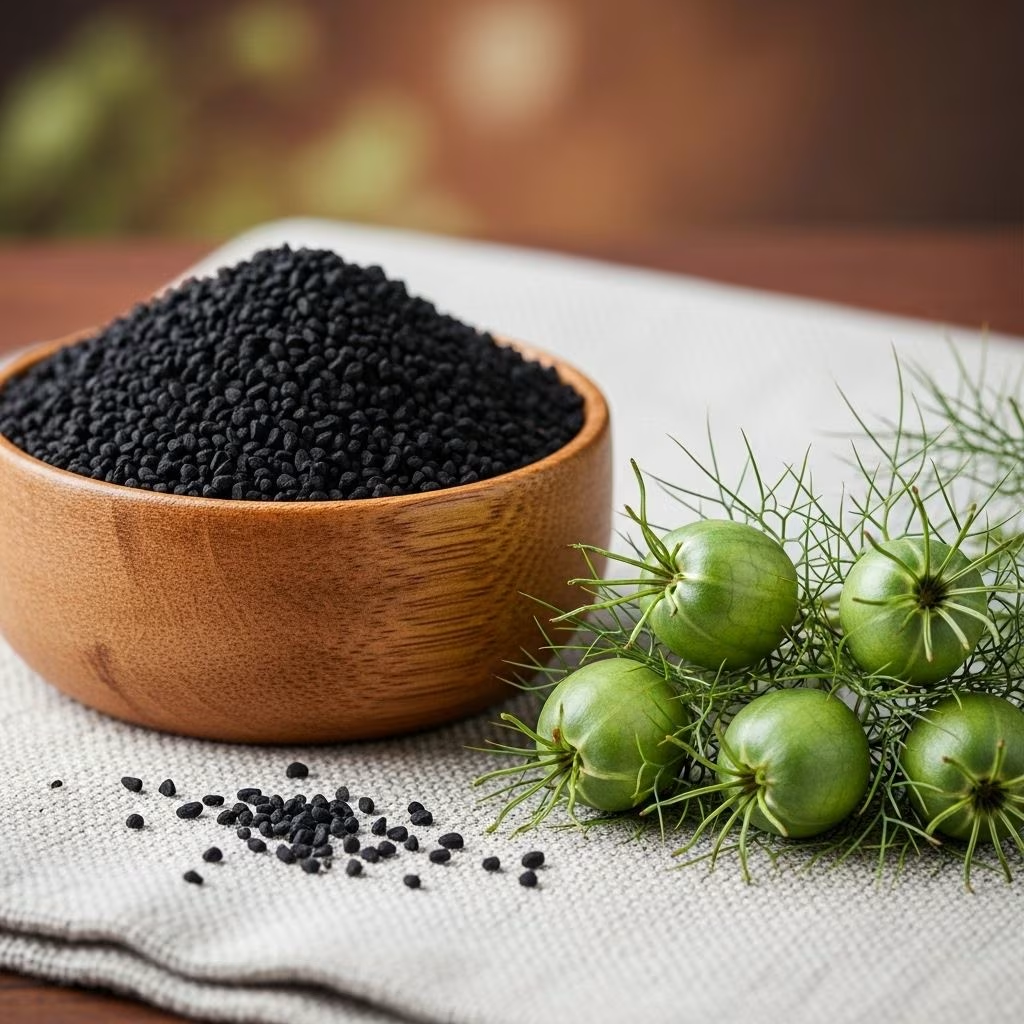
Nigella seeds, often referred to as black cumin, black caraway, or kalonji, are tiny, angular black seeds prized for their distinctive flavor and impressive range of health-promoting properties. Used for millennia in both culinary and medicinal traditions, these seeds are now gaining global recognition for their versatility and benefits.
Introduction to Nigella Seeds
Nigella seeds are the edible seeds of the Nigella sativa plant, a flowering annual belonging to the Ranunculaceae — or buttercup — family. These seeds, most commonly black and angular, are native to western Asia and the Mediterranean, and are valued in both traditional medicine and world cuisines.
Commonly mistaken for black sesame or even onion seeds due to their similar appearance, nigella seeds have a unique identity, both botanically and culinarily. Their various names include kalonji (Hindi, Bengali), habba al-barakah (Arabic), chernushka (Russian), and more.
Botanical Profile and Origin
- Botanical Name: Nigella sativa
- Family: Ranunculaceae (buttercup family)
- Native Regions: Western Asia, eastern Europe, and North Africa
- Growth Habit: Upright annual plant; grows 20–70 cm tall, featuring pale blue or white flowers
- Fruit: Swollen capsule filled with dozens of tiny, flattened, matte-black seeds
The seeds themselves are small (about 0.2 cm long and 0.1 cm wide), with a distinctive but subtle funnel or teardrop shape. They dry to a jet-black color and have a slightly rough surface texture .
Historical and Cultural Significance
Nigella seeds have featured in medicinal and culinary traditions for thousands of years, dating back to Ancient Egypt, Greece, India, and the Middle East. Seeds were reportedly found in the tomb of Pharaoh Tutankhamun, highlighting their perceived importance in the afterlife .
References to nigella seeds can be found in major religious texts, including the Old Testament. In Islamic tradition, the Prophet Muhammad described the seed as “a remedy for every illness except death,” emphasizing its powerful healing status .
Throughout history, nigella seeds have been used in diverse traditional medicine systems such as Ayurveda, Unani, and Siddha, mainly for enhancing vitality and treating a wide array of health conditions—from respiratory ailments to digestive complaints.
Traditional Names by Region
- Kalonji: India, Pakistan, Bangladesh
- Habbat al-barakah: Middle East
- Black seed/Black cumin: English-speaking countries
- Shonaiz: Persian
- Chernushka: Russia
Nutritional Composition
Nigella seeds are a potent source of essential nutrients, antioxidants, and complex chemical compounds that contribute to their health-promoting effects:
- High levels of essential fatty acids (especially linoleic and oleic acid)
- Significant amounts of protein and dietary fiber
- Abundant vitamins and minerals (vitamin B1, B2, B3, calcium, iron, copper, zinc, phosphorus, potassium)
- Numerous phytochemicals, including thymoquinone, nigellone, and various alkaloids and saponins
Thymoquinone is the most thoroughly researched active compound in nigella seeds, responsible for much of their antioxidant and anti-inflammatory properties .
| Nutrient | Content |
|---|---|
| Protein | Around 20g |
| Fat | About 35–40g (predominantly unsaturated) |
| Carbohydrates | 35–40g (including dietary fiber) |
| Calcium | 150–200mg |
| Iron | Up to 10mg |
| Thymoquinone | Varies (potent phytochemical/antioxidant) |
Health Benefits of Nigella Seeds
Nigella seeds have been extensively researched for their wide range of therapeutic effects. Many of these properties are attributed to their bioactive components, especially thymoquinone. Below are prominent health benefits supported by tradition and modern science:
- Potent Antioxidant Effects: Reduce oxidative stress and protect cells from free radical damage
- Anti-inflammatory Action: Alleviate symptoms of inflammatory conditions, such as arthritis and eczema
- Antibacterial and Antimicrobial: Effective against various bacteria, fungi, parasites, and even some viruses
- Immune Modulation: Help regulate and strengthen immune system responses
- Blood Sugar Regulation: Aid in controlling blood glucose levels; potentially supportive for diabetes
- Cholesterol Management: Linked to decreased LDL (bad cholesterol) and improved heart health
- Liver Protection: Support liver function and guard against toxin-induced damage
- Respiratory Health: Traditional uses include relief for asthma, coughs, and bronchitis
- Gastrointestinal Benefits: Used for indigestion, bloating, and other digestive concerns
Ongoing research is uncovering other potential roles for nigella seeds, including cancer risk reduction, neuroprotection, and blood pressure regulation. However, while many of these benefits are promising, further large-scale, controlled clinical trials are required to confirm therapeutic efficacy in humans .
Selected Traditional Health Uses
- To treat headaches, toothaches, and fever
- To combat infections, colds, and respiratory issues
- For digestive complaints such as dyspepsia, bloating, and flatulence
- To support skin health and healing (eczema, wounds, inflammation)
- To enhance vitality and endurance
Culinary Uses and Applications
Nigella seeds play a distinctive role in global cuisines, particularly across South Asia, the Middle East, North Africa, and Mediterranean countries.
- Indian Cuisine: Integral to spice blends (such as panch phoron), sprinkled on naan bread, parathas, curries, dals, chutneys, and vegetable stir-fries.
- Middle Eastern Cuisine: Used in bread (especially Turkish and Lebanese varieties), salads, and as garnish for hummus and yogurt dips.
- North African Cuisine: Added to tagines, couscous, and baked goods.
- Eastern European Cuisine: Characteristic of some traditional Russian and Balkan breads and cheese dishes.
They are rarely used as a standalone spice, but more as a seasoning or garnish that enlivens both flavor and appearance. The seeds’ crunchy texture offers an appealing contrast when sprinkled on soft or doughy foods.
Common Culinary Pairings
- Breads, biscuits, and crackers
- Vegetable dishes (especially potatoes, eggplant, lentils, carrots)
- Legumes and pulses
- Cheese and yogurt preparations
- Pickles, relishes, and rice dishes
- Seafood and chicken recipes
Flavor Profile and Taste Experience
The flavor of nigella seeds is truly unique: slightly bitter, peppery, and complex. They provide earthy notes reminiscent of nutty sesame, aromatic oregano, black pepper, and a hint of toasted onion or even poppy seeds. The seeds are crunchy when chewed and release a subtle, savory pungency that lingers pleasantly.
This multifaceted taste makes nigella seeds both a primary and supporting element in recipes, able to complement tangy, rich, spicy, or bland dishes. Roasting the seeds lightly can intensify their flavor, though over-toasting may introduce a burnt note .
How to Use Nigella Seeds in Your Kitchen
Incorporating nigella seeds into your cooking is simple. Here are some popular and creative ways to use them:
- Sprinkle onto breads: Add to the tops of naan, pita, or focaccia before baking for an aromatic, crunchy crust.
- Add to curries and stews: Stir lightly toasted seeds into curries, lentils, and stews at the end of cooking.
- Mix in salads and slaws: Use as a topping for fresh salads or coleslaw for added flavor and visual appeal.
- Garnish dips and spreads: Sprinkle on hummus, yogurt, or cream cheese dips for a peppery finish.
- Blend into spice mixes: Incorporate in blends like panch phoron (Bengali five-spice) or zaatar.
- Enhance pickles and relishes: Add to pickled vegetables or chutneys.
While the seeds can be used whole, gently crushing or toasting them can amplify their aroma and taste.
Storage Tips
- Keep in an airtight container away from heat, light, and moisture.
- Use within 6–12 months for maximum flavor and potency.
Precautions and Possible Side Effects
Nigella seeds are generally safe when used as a culinary spice or supplement in moderate amounts. Nevertheless, certain individuals should exercise caution:
- Allergies: Rare, but possible; watch for reactions after initial use.
- Pregnancy and Breastfeeding: Moderate food use is considered safe; avoid medicinal doses unless supervised by a health professional.
- Interactions: May interact with prescription medications, especially for diabetes or blood pressure; consult a healthcare provider if taking such drugs.
- High Doses: Excessive use (far beyond culinary quantities) may cause gastrointestinal upset or affect kidney/liver function .
Always start with small amounts if you’re new to this spice, and consult with a medical professional for medicinal usage or if you have underlying health conditions.
Frequently Asked Questions (FAQs)
Q: Are nigella seeds the same as black cumin or black sesame?
A: Nigella seeds are often called black cumin but are botanically distinct from true cumin (Cuminum cyminum) and black sesame (Sesamum indicum). Appearance may be similar, but flavor and plant family differ .
Q: Can I eat nigella seeds raw?
A: Yes, nigella seeds can be eaten raw, though toasting or frying them briefly enhances their flavor. They’re commonly added raw to breads or heated in oil during tempering for curries.
Q: Do nigella seeds have medicinal value?
A: Yes, both traditional medicine and modern research recognize their antibacterial, antioxidant, anti-inflammatory, and immune-modulating effects. However, always consult a healthcare provider for specific medical conditions .
Q: What is the best way to store nigella seeds?
A: Store in an airtight container in a cool, dark place. This preserves flavor and potency for several months.
Q: Are there any side effects to using nigella seeds?
A: Side effects are rare when used in food quantities, but large doses may cause gastrointestinal distress or interact with medication. People with known allergies or medical conditions should consult a doctor before regular use.
Conclusion
Nigella seeds — ancient yet relevant — offer an array of holistic health benefits and unparalleled culinary versatility. Their complex flavor, broad traditional use, and solidifying reputation in modern health science make them a valuable addition to both kitchen and wellness routines worldwide.
References
- https://pmc.ncbi.nlm.nih.gov/articles/PMC4387228/
- https://www.foodrepublic.com/1293797/everything-you-need-to-know-about-nigella-seeds/
- https://en.wikipedia.org/wiki/Nigella_sativa
- https://www.mccormickscienceinstitute.com/resources/culinary-spices/herbs-spices/black-seed
- https://www.healthline.com/nutrition/what-is-nigella-sativa
- https://www.masterclass.com/articles/how-to-eat-and-cook-with-nigella-seeds
- https://blog.pureindianfoods.com/nigella-sativa-the-seed-of-blessing/
- https://www.bbcgoodfood.com/glossary/nigella-seed-glossary


