


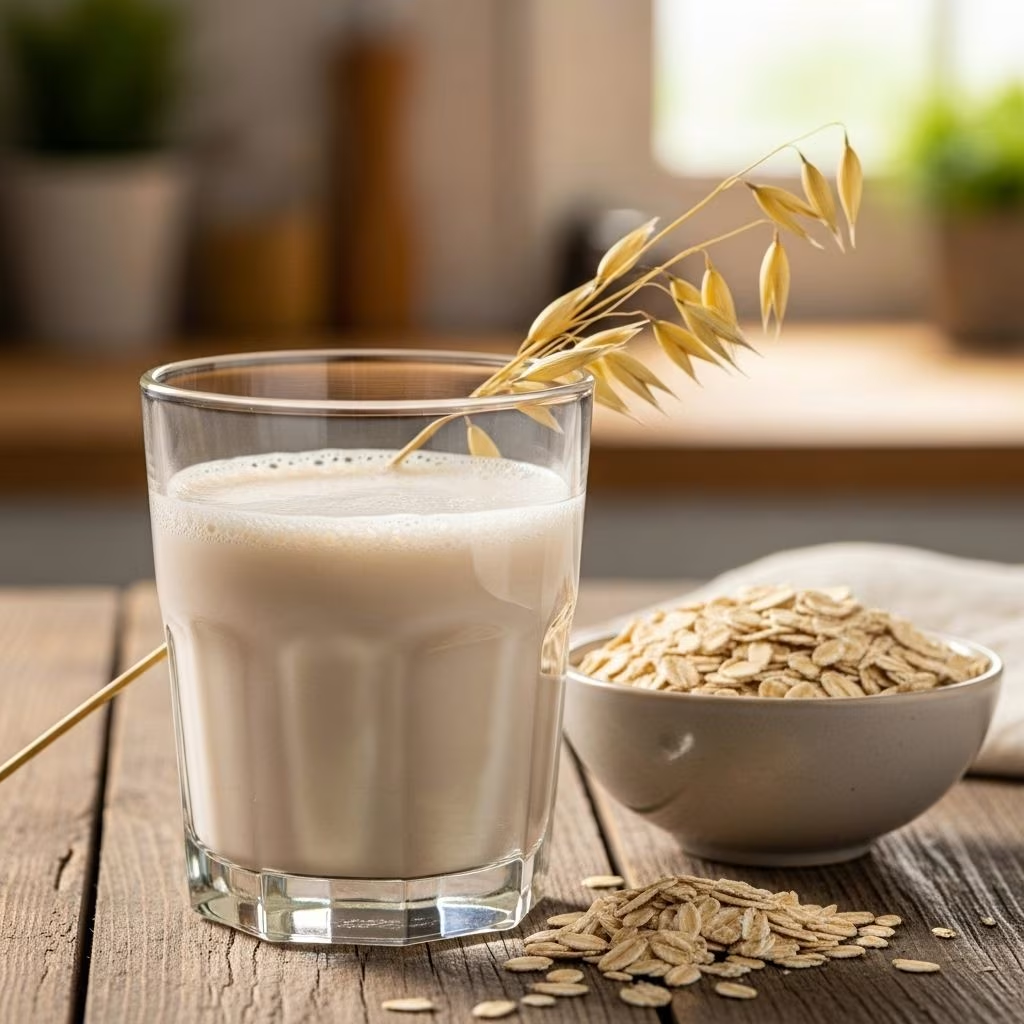
Oat milk has rapidly become one of the most popular alternatives to traditional dairy milk, praised for its creamy texture, nutritional profile, and sustainability. This comprehensive guide explores what oat milk is, how it’s made, its health benefits, wide culinary applications, and the sensory experience it brings to the table.
What Is Oat Milk?
Oat milk is a plant-based beverage made by extracting the soluble components of whole oat grains with water. The result is a naturally sweet, creamy alternative to dairy milk, widely available in both refrigerated and shelf-stable varieties. Oat milk is entirely free from lactose, soy, and nuts, making it suitable for a diverse range of dietary needs and preferences.
Origins and Popularity
Invented in the 1990s by the Swedish food scientist Rickard Öste, oat milk surged in popularity in the late 2010s alongside the rise of plant-based eating. Unlike older plant milks such as soy, almond, or rice, oat milk gained traction especially in coffee culture, revered for its ability to froth and its lactose-free creaminess.
How is Oat Milk Made?
The process of making oat milk, whether at home or commercially, involves a series of steps designed to maximize creaminess, flavor, safety, and nutrition.
- Selection of Oats: High-quality whole oats or oat groats are chosen and cleaned to remove any contaminants or foreign materials.
- Milling and Soaking: Oats are milled into flour (commercially) or soaked in clean water (homemade) to soften them and begin breakdown.
- Blending with Water: The oats are combined with fresh water and blended to form a slurry or thick liquid.
- Enzymatic or Heat Treatment: Enzymes (like alpha-amylase) may be used to break down complex starches into simpler sugars, creating a sweeter and smoother tasting oat base. Some producers also apply gentle heat.
- Straining: The mixture is filtered (often through a fine mesh or cheesecloth) to remove solids, resulting in a creamy liquid.
- Homogenization and Pasteurization: The liquid is homogenized to improve texture and may be heat-treated (pasteurized or UHT) to ensure safety and extend shelf life (for commercial products).
- Flavoring and Fortification: Vitamins (such as B12 and D), minerals (often calcium), salt, and sweeteners or flavorings may be added to mimic the nutritional and sensory profile of cow’s milk.
At-Home Oat Milk Preparation
Homemade oat milk is simple: soak oats for about 30 minutes, blend with water, strain through cheesecloth or a nut milk bag, and optionally flavor to taste. This can be customized for thickness and sweetness.
Nutritional Profile and Health Benefits
Oat milk’s nutritional attributes—while variable according to specific brands and recipes—make it a healthy alternative for many groups.
Key Nutrients in Oat Milk
- Carbohydrates: Oat milk is higher in carbohydrates than most nut milks, mainly in the form of natural sugars and soluble fiber (particularly beta-glucans).
- Fiber: Beta-glucan, a soluble fiber in oats, is retained in oat milk. It helps regulate cholesterol and supports a healthy gut.
- Protein: Oat milk contains modest protein (~2-3g per cup), less than cow’s milk or soy milk.
- Fats: Typically low in saturated fats; some commercial varieties add small quantities of healthy oils for creaminess.
- Calcium, Vitamin D, and B12: Most commercial oat milks are fortified to match the micronutrient profile of dairy milk.
Health Benefits of Oat Milk
- Lactose-Free and Vegan: Safe for people with lactose intolerance or dairy allergies.
- Supports Heart Health: Beta-glucans can contribute to lower cholesterol and support cardiovascular health.
- Promotes Digestive Health: The fiber content aids in regularity and gut microbiome health.
- Low in Allergens: Free from nuts, lactose, and (in pure form) soy, reducing common allergen exposure.
- Potential Weight Management Aid: Often lower in calories than whole dairy milk, especially if unsweetened, making it a popular option for weight-conscious individuals.
- Contains Antioxidants: Oats are naturally rich in plant antioxidants, or avenanthramides, supporting overall health.
Environmental Impact and Sustainability
Oat milk stands out for its low environmental footprint compared to both animal-based and other plant-based milks.
| Type | Water Use (L) | Greenhouse Gas Emission (kg CO2-eq) |
|---|---|---|
| Cow’s Milk | 131 | 0.62 |
| Almond Milk | 74 | 0.16 |
| Rice Milk | 56 | 0.23 |
| Soy Milk | 2 | 0.21 |
| Oat Milk | 9 | 0.19 |
- Minimal Water Use: Oat milk production uses far less water than dairy or nut-based milks.
- Low Land and Carbon Footprint: Oats require less arable land and emit fewer greenhouse gases compared to livestock and some nut crops.
- Less Harmful Runoff: Oat crops have a lower risk of pesticide or fertilizer runoff than many alternatives.
Culinary Uses for Oat Milk
The versatility of oat milk makes it easy to use in place of dairy or other non-dairy milks in a wide array of recipes, both sweet and savory.
- Coffee and Tea: Excellent for lattes and cappuccinos; froths well due to natural sugars and proteins.
- Baking: Works well as a direct substitute for dairy milk in cakes, muffins, pancakes, and breads.
- Smoothies: Adds creaminess and a hint of sweetness without overpowering other flavors.
- Breakfast Dishes: Ideal in oatmeal, overnight oats, granola, and cereal.
- Sauces and Soups: Gives body and smoothness to bechamel, cream sauces, or blended vegetable soups.
- Desserts: Used in puddings, ice creams, custards, and chia pudding as a dairy alternative.
For optimal results in hot drinks or recipes that rely on milk’s structure, choose a “barista” or “extra creamy” version, which often includes added oils or stabilizers for better performance.
Taste and Texture Profile
The flavor and feel of oat milk set it apart in the plant-based milk world.
- Smooth and Creamy Texture: Oat milk is renowned for its thick and luscious mouthfeel, approaching that of whole cow’s milk.
- Mildly Sweet Flavor: The natural enzymatic breakdown of oat starches yields a subtle, naturally sweet taste, often described as reminiscent of oatmeal or fresh grains.
- Neutral Finish: Lacks the strong aftertaste found in some nut, soy, or rice milks.
- Consistent Frothing Ability: The higher carbohydrate content allows oat milk to foam well in espresso drinks, making it a favorite in cafés.
Oat Milk vs. Other Milks
| Milk | Calories | Protein | Fat | Carbs | Calcium* | Allergen Concerns |
|---|---|---|---|---|---|---|
| Oat | 120 | 3g | 5g | 16g | 20% DV | Gluten (some brands) |
| Cow (2%) | 122 | 8g | 5g | 12g | 30% DV | Lactose, dairy protein |
| Almond | 30-40 | 1g | 2.5g | 1g | 45% DV | Tree nuts |
| Soy | 80 | 7g | 4g | 4g | 20% DV | Soy |
*Percent Daily Value (%DV) based on US recommended daily allowance; nutritional content may vary by brand and fortification.
Choosing and Storing Oat Milk
- Refrigerated or Shelf Stable: Shelf-stable varieties last for months unopened; refrigerate after opening.
- Ingredients: Look for short ingredient lists with oats, water, and fortifications. Avoid products with excess sugar, gums, or oils if desired.
- Allergen Information: Some oat milks may contain trace gluten (from cross-contamination); “certified gluten-free” oat milks are available.
How to Make Oat Milk at Home
Making oat milk at home is cost-effective and allows for full control over taste and texture.
- Soak 1 cup of rolled oats in water for 30 minutes, then drain.
- Combine oats with 4 cups of cold water in a blender. Optionally, add a pinch of salt, a sweetener, or vanilla extract.
- Blend for 30–40 seconds until smooth.
- Strain through a nut milk bag or fine mesh sieve into a clean container, squeezing to extract as much liquid as possible.
- Refrigerate and shake before each use. Use within 3–4 days (homemade oat milk is free of preservatives).
Allergen and Dietary Considerations
Oat milk is naturally free from dairy, soy, and nuts. For those with celiac disease or extreme gluten sensitivity, only consume oat milk made from certified gluten-free oats. Most brands fortify their products, but homemade oat milk will not naturally provide as much calcium or protein as cow’s milk unless supplemented.
Frequently Asked Questions (FAQs)
Q: Is oat milk healthier than dairy milk?
A: Oat milk provides fiber, is low in saturated fat, and can lower cholesterol. However, dairy milk is higher in protein and some natural micronutrients. The “healthier” choice depends on individual dietary needs and preferences.
Q: Can oat milk be heated and frothed?
A: Yes. Oat milk, particularly “barista” styles, can be steamed and frothed much like dairy milk, making it a favorite for coffee drinks.
Q: Does oat milk taste like oats?
A: Oat milk carries a subtle cereal-like, slightly sweet flavor reminiscent of oatmeal, but is milder, especially in coffee or recipes.
Q: How sustainable is oat milk?
A: Compared to dairy and nut milks, oat milk uses much less water and emits fewer greenhouse gases, making it a highly sustainable choice.
Q: Is oat milk suitable for gluten-free diets?
A: Only oat milks made from “certified gluten-free” oats are suitable for gluten-free diets. Always check the label.
References
- https://making.com/oat-milk
- https://oatentik.com/blogs/nutrition/how-is-oat-milk-made
- https://en.wikipedia.org/wiki/Oat_milk
- https://koatji.com/blogs/news/understanding-oat-milk-whats-in-it-and-how-its-made
- https://www.foodunfolded.com/article/oat-milk-how-its-made
- https://foodcrumbles.com/how-oat-milk-is-made/
- https://www.krones.com/en/products/plant-based-drinks.php
- https://www.youtube.com/watch?v=4NRIDzlM-cg
- https://drinktec.com/en-US/industry-insights/what-is-important-in-the-production-of-plant-based-milk-alternatives/


