


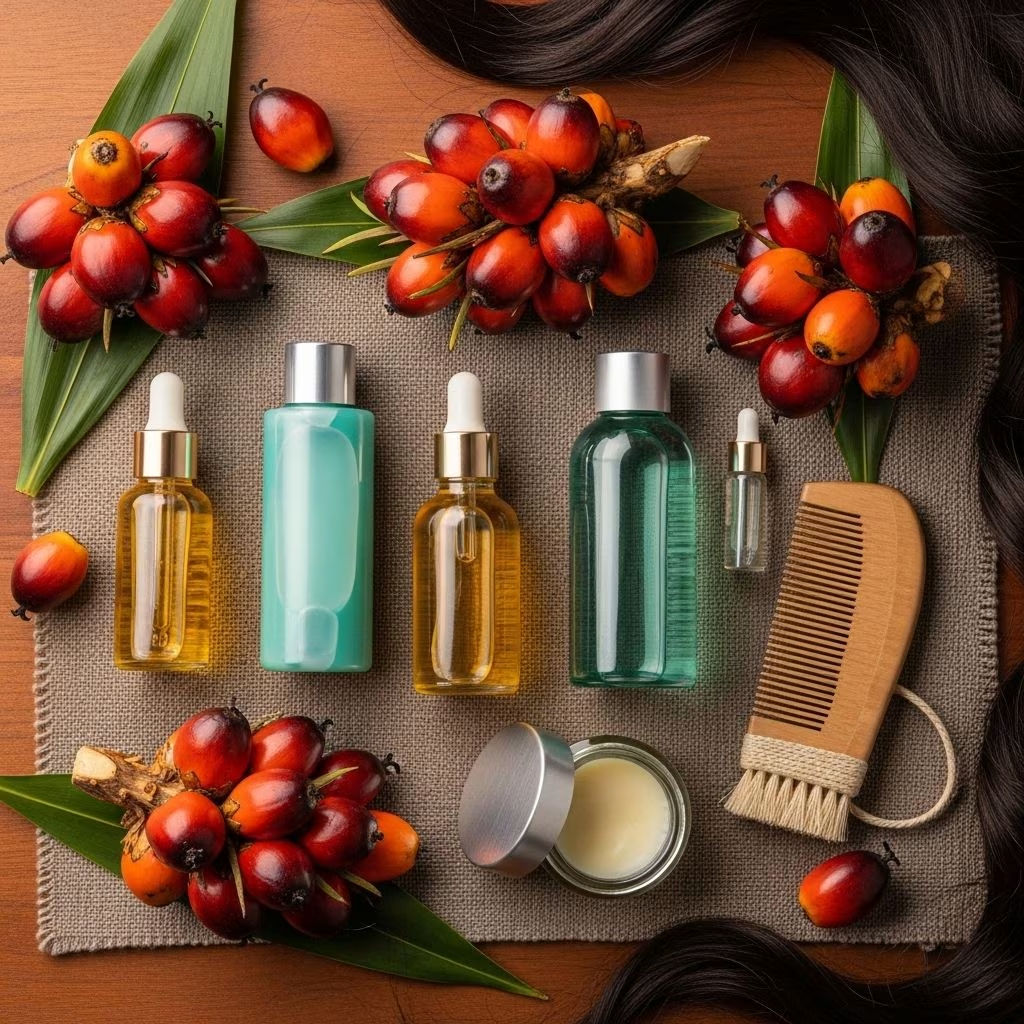
Natural oils have long been integral to hair care routines worldwide, but few are as potent and versatile as oil palm fruit oil, commonly known as red palm oil. Rich in vitamins, antioxidants, and essential fatty acids, oil palm fruit has gained increasing popularity among those seeking natural solutions for hair health. This guide explores the science-backed hair benefits of oil palm fruit, practical application methods, key usage tips, and answers to common questions.
Introduction to Oil Palm Fruit
The oil palm fruit is harvested from the Elaeis guineensis palm, native to West Africa but now cultivated in many tropical regions. The oil derived from its reddish pulp—commonly known as red palm oil—is distinct from palm kernel oil (extracted from the seed). This ingredient has served culinary, medicinal, and cosmetic purposes for thousands of years, owing to its highly nutritious profile and its role in traditional skin and hair care regimens.
Nutritional Profile of Oil Palm Fruit Oil
Oil palm fruit oil is a nutritional powerhouse that directly contributes to its efficacy in hair care:
- Vitamin E (Tocotrienols and Tocopherols): Powerful antioxidants known for protecting hair and scalp from oxidative stress and environmental damage.
- Beta-Carotene: Precursor to vitamin A, which supports cell growth and helps maintain a healthy scalp.
- Saturated and Unsaturated Fats: Essential for deep moisturization and the restoration of the hair’s lipid barrier.
- Coenzyme Q10, Squalene, Phytosterols: Compounds that provide additional antioxidant, anti-inflammatory, and emollient benefits.
Hair Benefits of Oil Palm Fruit Oil
The scientific and anecdotal evidence for the benefits of oil palm fruit for hair is robust. Here are the principal reported advantages:
1. Strengthens Hair and Reduces Breakage
Oil palm fruit oil penetrates the hair shaft, nourishing it from within. Its blend of saturated and unsaturated fatty acids, along with high levels of palmitic acid and squalene, helps restore the natural lipid layer, sealing and smoothing cuticle damage. This results in visibly stronger hair, less prone to breakage and split ends.
2. Deep Moisturization and Conditioning
This oil is renowned for its exceptional moisturizing capabilities. The lipid-rich formula mimics skin’s natural oils, making it ideal for restoring hydration to dry, brittle hair, and aiding in the repair of damage caused by harsh hair products or styling tools.
3. Stimulates Hair Growth
High concentrations of vitamin E and beta-carotene accelerate cell regeneration in hair follicles. This nutritional support fosters robust hair growth and increases overall hair density.
4. Soothes and Protects the Scalp
Red palm oil’s anti-inflammatory and antibacterial properties are beneficial for soothing itchy or irritated scalps, managing dandruff, and creating an optimal environment for hair growth.
5. Shields Hair from Environmental and Styling Damage
The antioxidants in oil palm fruit oil help neutralize free radicals generated by sun exposure, air pollution, and heat styling, supporting long-term hair health.
6. Slows Graying and Hair Loss
Ongoing use of palm oil may slow the appearance of gray hairs and reduce hair shedding through its antioxidant action and ability to strengthen follicular structure.
| Benefit | Main Contributing Compound(s) | Description |
|---|---|---|
| Strengthens & repairs hair | Palmitic acid, squalene, vitamin E | Penetrates shaft, seals cuticle, reduces breakage |
| Deep moisturization | Saturated/unsaturated fatty acids | Restores lipid barrier and hydration |
| Scalp soothing | Tocopherols, phytonutrients | Reduces itch and irritation, fights bacteria |
| Stimulates growth | Beta-carotene, vitamin E | Supports healthy follicle cell turnover and density |
| Anti-aging (slows graying) | Antioxidants, vitamin A & E | Reduces oxidative stress on hair follicles |
How to Use Oil Palm Fruit Oil for Hair
Palm oil’s versatility means it can be incorporated into your haircare regimen in several ways. Choose the option that best suits your hair needs and lifestyle.
1. Pre-Shampoo Treatment
- Warm a small amount of oil palm fruit oil in your hands or a bowl (avoid high heat).
- Apply to dry hair, paying extra attention to mid-lengths and ends.
- Massage into scalp if seeking relief for dryness or dandruff.
- Leave on for 30-60 minutes, then wash with a mild shampoo.
2. Deep Conditioning Mask
- Mix red palm oil with other natural ingredients (e.g., honey, coconut oil, or aloe vera) for a customized deep treatment.
- Apply generously to hair and scalp; cover with a shower cap.
- Allow to penetrate for at least an hour or overnight for intense hydration.
- Shampoo thoroughly the next morning.
3. Leave-in Conditioner or Styling Aid
- Rub a few drops of oil between your palms and smooth over damp hair after washing.
- Focus on ends to seal moisture and impart shine.
- Avoid the roots unless your scalp is especially dry or flaky.
4. Scalp Massage Oil
- Using your fingertips, gently massage a small amount of oil into the scalp.
- Leave for 15-30 minutes before rinsing for stimulation and relief of irritation.
5. Hair Serum for Environmental Protection
- Apply a fine layer of oil palm fruit oil before exposure to sun or heat styling tools.
- The antioxidants and fatty acids help protect against UV and thermal damage.
Tips for Using Oil Palm Fruit Oil Effectively
- Start with a small amount: Due to its robust consistency, begin with a few drops and add more only if necessary, especially if you have fine hair.
- Apply to damp hair: Oil locks in moisture more effectively when hair is slightly wet.
- Consistency is key: Use palm oil routinely (1–2 times a week for most people) to see sustained benefits.
- Double cleanse if needed: If hair feels greasy after treatment, shampoo twice to fully remove residue.
- Combine with other oils: For added slip and extra nutrients, blend with lighter oils like jojoba or argan.
- Focus on problematic areas: Prioritize dry ends, split-prone regions, or flaky patches on the scalp.
Selecting Ethically-Sourced & Quality Palm Oil
The growing demand for palm oil has led to serious environmental concerns. To ensure your haircare routine supports both your wellbeing and the planet’s health:
- Seek RSPO-certified (Roundtable on Sustainable Palm Oil) or similar sustainably-sourced products.
- Choose cold-pressed, unrefined red palm oil for maximum potency and nutrient retention.
- Avoid palm oil that appears overly pale or has had its signature red-orange coloration bleached out, as it may be highly processed and stripped of key beneficial compounds.
- Read labels for ingredients and sourcing certifications.
Potential Side Effects and Considerations
- Allergic Reactions: Though rare, some individuals may develop allergic contact dermatitis. Always perform a patch test before full application.
- Greasy Residue: Over-applying can leave hair limp or oily, particularly for those with fine, straight, or low-porosity hair. Less is more.
- Color Staining: Red palm oil’s natural pigments can temporarily tint very light-colored hair or fabrics. Use sparingly and clean up any spills promptly.
Frequently Asked Questions (FAQs)
Q: Is there a difference between red palm oil and palm kernel oil for hair?
A: Yes. Red palm oil is extracted from the fruit’s pulp and boasts high levels of carotenoids, vitamin E, and antioxidants. Palm kernel oil comes from the oil palm seed and has a different fatty acid profile, being more saturated and less rich in antioxidants. For hair care, red palm oil offers superior nutritional and protective benefits.
Q: How often should I use palm oil on my hair?
A: Frequency depends on your hair type and goals. As a deep treatment, use weekly or biweekly; as a leave-in or serum, 1–3 times per week is typically adequate. Adjust based on your hair’s texture and condition.
Q: Can palm oil clog hair follicles or cause scalp acne?
A: Generally, red palm oil does not clog pores when used in moderation and washed out thoroughly. If you have a history of scalp acne, start with minimal use and rinse scalp carefully after each application.
Q: Is palm oil suitable for all hair types?
A: Yes, red palm oil can benefit most hair types, especially dry, curly, or textured hair. Individuals with very fine or oily hair should use smaller amounts or apply only to ends.
Q: Does palm oil help with hair loss or thinning?
A: By improving scalp health, nourishing follicles, and reducing breakage, palm oil can help create a more favorable environment for healthy hair growth and density.
Conclusion
Oil palm fruit can be a transformative addition to any haircare routine, offering deep moisturization, reparative, and protective benefits grounded in its impressive nutritional profile. By using sustainably-sourced, unrefined red palm oil and applying it with tailored methods, you can support hair strength, shine, and long-term health. As with all natural treatments, consistency and moderation are key. Consider making oil palm fruit oil a part of your path to healthier hair.
References
- https://www.jasonemermd.com/hair-care/red-palm-oil-is-a-game-changer-for-anyone-with-a-dry-scalp/
- https://www.natural-habitats.com/blog/how-red-palm-oil-benefits-skin-and-hair/
- https://www.westporthair.com/blog/how-red-palm-oil-works-wonders-for-dry-scalp
- https://pmc.ncbi.nlm.nih.gov/articles/PMC5774910/
- https://pmc.ncbi.nlm.nih.gov/articles/PMC9231528/
- https://www.asianagri.com/en/media-publications/faqs/is-palm-oil-good-for-skin-hair/
- https://gapki.id/en/news/2023/05/10/expert-palm-kernel-oil-has-10-amazing-benefits/
- https://www.phytogaia.com/index.php/2022/04/15/healthful-bioactives-from-palm-fruits/


