


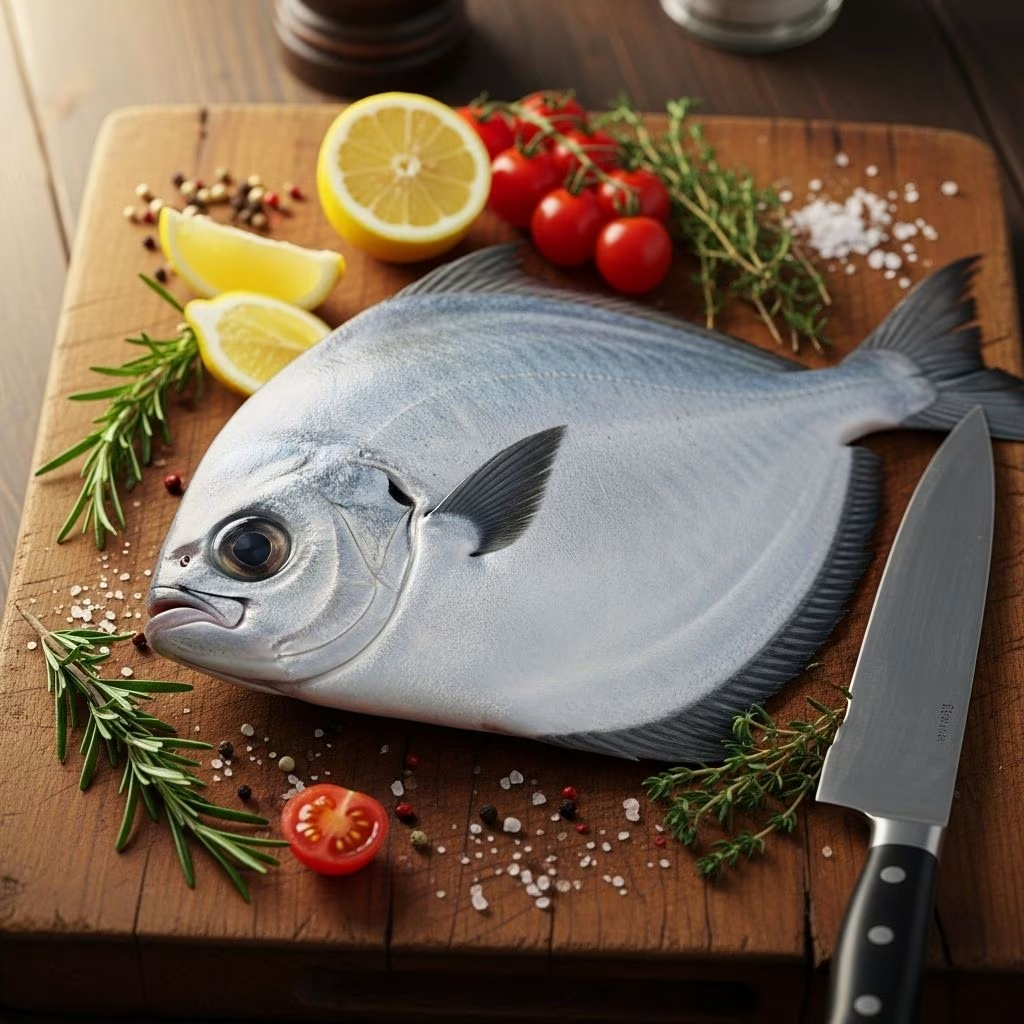
What Is Opah? Benefits, Uses, and Taste
Opah—also known as moonfish—has captured the fascination of scientists, chefs, and nutritional experts alike for its striking appearance and unique biological features. This remarkable fish, found in temperate and tropical waters around the world, boasts traits that set it apart: a radiant body adorned with red-orange hues and white spots, and—astonishingly—whole-body warm-bloodedness. Opah’s ecological significance, health-promoting nutrients, and versatile, delectable flavor profile are earning it increasing acclaim among seafood enthusiasts and researchers.
Introduction to Opah
Opah is a large, colorful, deep-bodied pelagic fish belonging to the genus Lampris. Commonly called moonfish for its round, laterally compressed body, opah stands out due to its spectacular coloration—a deep red-orange with rosy undertones, speckled with white spots, and bright vermilion fins. The eyes shine with golden rings, while the body glistens with a silvery, iridescent coating.
Though opah is sometimes confused with unrelated species such as butterfish due to its disc-like shape and curved fins, it is much larger and possesses distinctive anatomical features, including elongated pelvic fins and a single, prominent dorsal fin.
Biological Features of Opah
Unique Anatomy
- Deeply keeled, discoid shape: Opah’s body is laterally compressed and rounded, granting it the moniker moonfish.
- Coloration: Distinct hues range from rosy orange to deep red, complemented by white spots and bright red fins.
- Large eyes with golden rings and a silvery, minute-scaled body.
- Fins: Median and paired fins are curved and vividly colored, allowing strong, agile swimming.
Warm-Blooded Physiology
Opah is the only known fully warm-blooded fish (whole-body endothermy). While some fish have limited ability to heat localized tissues (e.g., tuna or sharks), opah circulates heated blood throughout its entire body—keeping its muscles, heart, and brain warmer than the surrounding cold water.
- Enhanced performance: Opah’s elevated internal temperature boosts its metabolism, agility, reaction time, and vision, making it a formidable predator in cold, deep waters.
- Unique gill design: Opah’s gills contain winding blood vessels, allowing for countercurrent heat exchange—retaining warmth efficiently as it draws oxygen from cold water.
These features enable opah to occupy chilly depths and pursue agile prey such as squid with great endurance and speed.
Habitat and Distribution
- Global distribution: Opah inhabits temperate and tropical oceans worldwide. Major populations are found in the North Atlantic, Pacific, and Indian Oceans.
- Depth range: Opah is typically found at depths between 150 to 1300 feet (45 to 400 meters), spending much time in chilly, dimly lit waters.
- Migration: Opah migrates long distances, similar to tuna.
- Behavior: Unlike some pelagic fish, opahs do not school in large groups.
Nutritional Benefits
Opah is valued not just for its beauty and biological intrigue but also for its nutritional profile. Its flesh is rich in protein, healthy fats, and vital nutrients, making it an excellent choice for health-conscious consumers.
Key Health Benefits of Opah
- High-protein content: Supports muscle growth, repair, and overall health.
- Omega-3 fatty acids: Opah is a good source of EPA and DHA (omega-3s), which are crucial for heart, brain, and eye health. Regular intake may lower triglycerides, reduce inflammation, and support cognitive function.
- Minerals: Includes key minerals such as selenium, phosphorus, and potassium, which support immune function, bone strength, and cardiovascular health.
- Low in saturated fat: Makes opah a leaner option than some red meats or even certain other fish species.
- Vitamins: Provides vitamin D and B-complex vitamins, aiding metabolism and bone health.
| Nutrient | Role in Health |
|---|---|
| Protein | Essential for tissue repair, enzymes, muscle |
| Omega-3s | Supports cardiovascular, neurological, and visual function |
| Vitamin D | Bone strength, immunity |
| Selenium | Antioxidant, thyroid support |
| Phosphorus | Bone and dental health |
| B Vitamins | Energy metabolism, nervous system support |
Including opah in your diet can contribute to a variety of health objectives, from supporting cardiovascular health to enhancing cognitive function.
Culinary Uses of Opah
Opah holds a special place in global seafood cuisine, especially in Hawaii, California, and Pacific island nations. Once considered an incidental catch, its rich flavor and nutritional value now make it increasingly popular in high-end restaurants and home kitchens alike.
Popular Cooking Methods
- Grilling: Opah’s firm, meaty texture holds up well to grilling over high heat. Marinated or lightly seasoned fillets develop a caramelized crust and retain their juicy interior.
- Pan-searing: Searing opah fillets in a skillet locks in moisture and brings out a mild, sweet flavor.
- Broiling: Quick broiling is ideal for thinner cuts, leaving the fish flaky yet succulent.
- Raw preparations: Opah is often used for sashimi or crudo, especially the clean, fatty belly portions. Its mild flavor and smooth texture pair well with Asian flavors.
- Ceviche: Cubed opah marinated in citrus juices is a refreshing dish in Latin American and oceanic cuisines.
Distinctive Cuts and Versatility
- Loin (Top loin): Redder, firmer, ideal for grilling or broiling.
- Belly: Higher fat content, regarded as the best for raw preparations like sashimi.
- Tail section: Lighter in color, softer texture, good for sautéing or stews.
Chefs appreciate opah’s versatility. It adapts to bold herbs, citrus, chili, coconut, and Asian seasonings. Unlike some fish, opah does not exude a strong fishy aroma, making it amenable to varied culinary applications.
Taste and Texture
One of the reasons opah is gaining ground in seafood markets is its unique taste profile—often described as a cross between tuna and swordfish, but generally milder and sweeter.
- Mild, slightly sweet flavor: Opah presents a pleasant, delicate sweetness and minimal fishiness.
- Firm, moist texture: The flesh is dense yet tender, making it suitable for grilling, searing, or raw dishes.
- Color: Raw opah displays pale pink to orange-red hues; cooked, it lightens and retains a succulent appearance.
- Loin vs. belly: The top loin offers a meatier bite; belly is prized for fatty, melt-in-the-mouth raw preparations.
Opah’s mild flavor profile means it works well in salads, tacos, poke bowls, and sushi, often paired with citrus, avocado, ginger, or fresh herbs.
Sustainability and Fishing
Opah is mostly caught as bycatch—incidental catch—in tuna and swordfish fisheries, especially in the Pacific and off California. It is not generally targeted by dedicated opah fisheries.
- Fishing methods: Commercial and recreational catches use longlines or drift nets; rod-and-reel catches are rare and often opportunistic.
- Sustainability concerns: While opah is not currently listed as overfished, its ecology as a migratory, deepwater species means careful monitoring is needed. Recent increases in opah catch rates off California may signal population shifts due to environmental conditions.
- Conservation status: Some uncertainty remains about global population trends—ongoing research is tracking genetic diversity and population dynamics.
Consumers are encouraged to ask about sourcing and handling when purchasing opah. Responsibly harvested opah can be an excellent centerpiece for sustainable seafood menus.
Varieties of Opah
There are several species and regional varieties of opah recognized by scientists, with Lampris guttatus being the largest and most commonly encountered. Another notable species is Lampris immaculatus, which is smaller and less widely fished.
Research has revealed genetic differences between populations from different parts of the world, suggesting ongoing adaptation and diversification.
Frequently Asked Questions (FAQs)
Q: Is opah safe to eat raw?
A: Yes, opah is safe for raw preparations such as sashimi, provided it is sourced fresh from a reputable supplier or frozen appropriately to kill parasites.
Q: How does opah compare nutritionally to tuna or salmon?
A: Opah is similar to tuna and salmon in its protein and omega-3 content but generally has less fat than salmon. It is rich in essential nutrients and can be a healthy alternative to more commonly consumed pelagic fish.
Q: Can people with seafood allergies eat opah?
A: Opah can cause allergic reactions in individuals with fish allergies. Always consult an allergist before trying new seafood if you have sensitivities.
Q: Where can I buy opah?
A: Opah is increasingly available at specialty fish markets, select supermarkets, and seafood restaurants, particularly in Hawaii, California, and along the Pacific coast.
Q: What is the best way to cook opah for first-timers?
A: Pan-searing or grilling opah fillets with a simple seasoning of salt, pepper, and citrus lets its natural flavor shine. Avoid overcooking to maintain moisture and texture.
Summary
Opah is a truly remarkable fish whose evolutionary innovations, striking appearance, and superb culinary qualities make it increasingly popular among scientists and food lovers. As a fully warm-blooded fish, it stands out for its agility and endurance in cold, deep ocean waters. Its vibrant flesh is packed with protein, omega-3s, vitamins, and minerals, and its mild, sweet flavor is beloved by chefs worldwide. Whether you are seeking a nutritious addition to your diet or experimenting with new seafood recipes, opah offers a unique and rewarding experience for the curious palate.
References
- https://en.wikipedia.org/wiki/Opah
- https://www.fws.gov/story/opah-warmest-fish-cold-blue-sea
- https://www.fisheries.noaa.gov/feature-story/warm-blood-makes-opah-agile-predator
- https://myodfw.com/fishing/species/opah
- https://www.hawaii-seafood.org/wild-hawaii-fish/moonfish-opah/
- https://www.texassaltwaterfishingmagazine.com/fishing/education/fishy-facts/moonfish
- https://en.wikipedia.org/wiki/Lampris_guttatus
- https://fishesofaustralia.net.au/home/species/1870


