


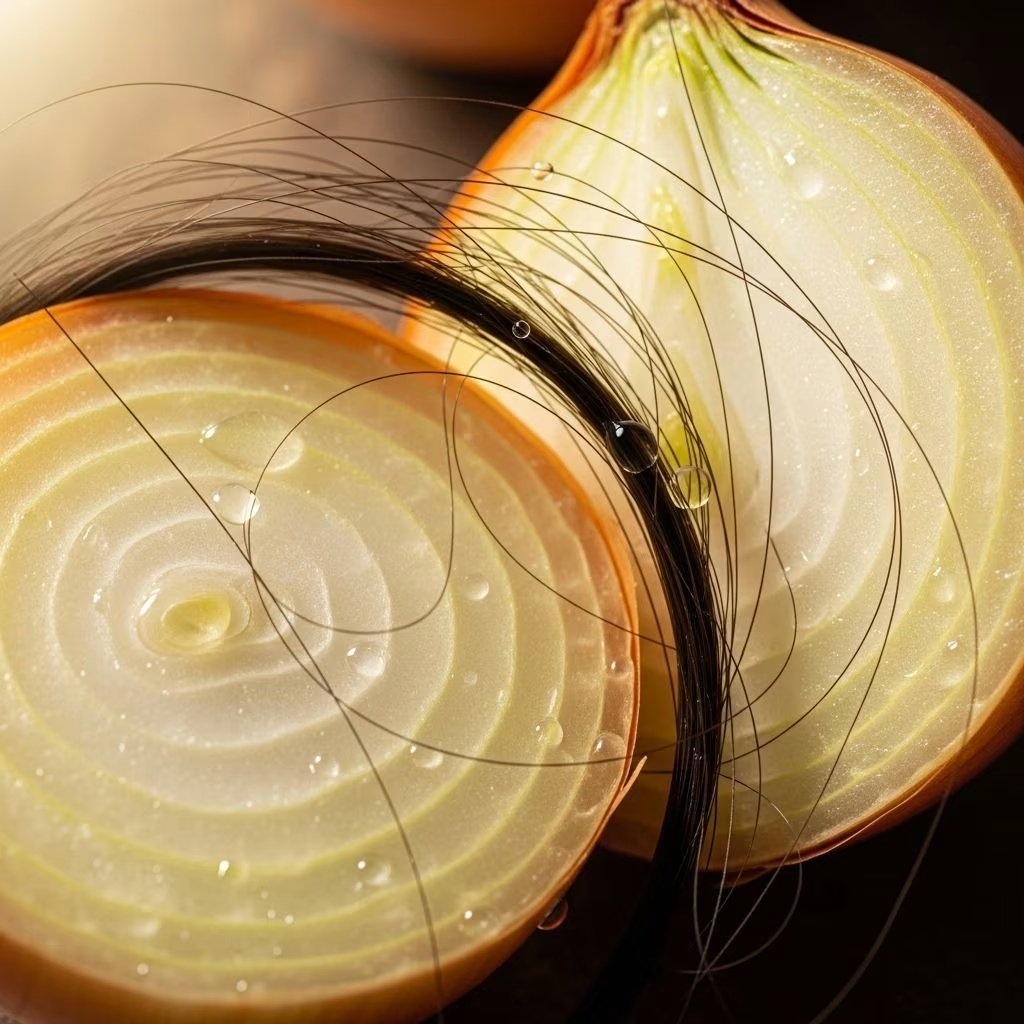
Introduction to Onion’s Role in Hair Care
Yellow onion (Allium cepa) has been a staple in kitchens for centuries, but its benefits extend far beyond culinary uses. Increasingly, it’s recognized in natural beauty circles for its potential to promote hair health, growth, and shine. The sulfur-rich compounds, antioxidants, and anti-inflammatory properties of onions make them a unique, research-backed ingredient for scalp and hair care.
While scientific research is still evolving, several studies and traditional practices suggest that regular application of onion juice—especially yellow onion—can help address common hair concerns such as thinning, lifelessness, scalp irritation, and even certain types of hair loss. This article explores the evidence, offers practical recipes, and shares expert tips for maximizing results while minimizing the distinctive onion smell.
Scientific Evidence: What Research Says
One of the most cited studies on onion juice for hair regrowth was published in the Journal of Dermatology in 2002. Researchers applied crude onion juice to participants with patchy alopecia areata—a form of autoimmune hair loss—twice daily. After four weeks, 73.9% of participants experienced hair regrowth, increasing to 86.9% after six weeks. The control group using tap water saw only 13% regrowth at eight weeks, highlighting onion’s potential as a topical therapy for this condition.
These results, however, apply specifically to alopecia areata, and there’s less robust evidence for onion’s effect on genetic hair loss (male or female pattern baldness). Onion juice is not a hormonal treatment and does not reduce dihydrotestosterone (DHT), the primary hormone associated with hereditary hair loss. Still, the study underscores onion’s bioactive potential for certain types of scalp and hair issues.
Onion’s hair benefits are attributed to its rich content of sulfur, flavonoids like quercetin, and antimicrobial compounds. These elements may help nourish hair follicles, reduce scalp inflammation, and create a healthier environment for hair growth.
Key Benefits of Onion (Yellow) for Hair
The application of yellow onion (juice, extract, or paste) is associated with multiple benefits for hair and scalp health:
- Promotes Hair Growth: Regular use may stimulate dormant follicles, encouraging new hair growth, especially in cases of alopecia areata.
- Rich in Sulfur: Sulfur is a crucial building block for keratin (hair protein), potentially strengthening hair shafts and improving texture.
- Reduces Scalp Inflammation: Onion’s anti-inflammatory properties may help calm irritated, itchy, or flaky scalps.
- Antimicrobial Action: May help combat scalp infections, dandruff, and fungal conditions due to natural antimicrobial effects.
- Moisturizes Scalp & Hair: Can help hydrate dry hair and reduce brittleness.
- Antioxidant Protection: Flavonoids and vitamin C protect hair follicles from oxidative stress, possibly delaying premature graying and thinning.
- Supports Blood Circulation: Compounds like quercetin might boost blood flow to the scalp, supporting follicle nourishment.
Breakdown of Onion’s Nutrients for Hair
| Component | Benefit | Role in Hair Health |
|---|---|---|
| Sulfur | Strengthening | Builds keratin, may thicken hair |
| Quercetin | Antioxidant | Fights free radicals, supports blood flow |
| Vitamin C | Protection | Antioxidant, supports collagen |
| Antimicrobial compounds | Fights infection | Reduces dandruff, scalp irritation |
How to Use Onion (Yellow) for Hair: Step-by-Step DIY
Using onion for hair at home is simple, but following best practices ensures effectiveness and minimizes unwanted smells.
Basic Onion Juice Recipe for Hair Growth
- Peel and chop 1–2 medium yellow onions into small pieces.
- Blend the onions in a food processor to create a fine paste.
- Strain the paste through a cheesecloth or fine mesh to extract pure juice.
- Apply the juice directly to your scalp using a cotton pad or spray bottle. Massage gently for at least 5–10 minutes.
- Leave on for 30–45 minutes (or overnight for more intense treatment).
- Rinse thoroughly with a mild shampoo and cold water.
- Repeat 2–3 times per week for best results.
For sensitive scalps, consider diluting the onion juice with water or a mild carrier oil (such as coconut or olive oil).
Combining Onion with Other Ingredients
Enhance the benefits and reduce the smell by combining onion juice with complementary natural ingredients:
- Onion + Honey: Adds moisture and soothes the scalp.
- Onion + Coconut Oil: Deep conditions and reduces dryness.
- Onion + Aloe Vera: Boosts hydration and calms inflammation.
- Onion + Lemon Juice: Adds shine and helps neutralize odor.
- Onion + Egg: Provides protein for stronger hair strands.
Application Tips for Best Results
To get the most out of onion treatments while minimizing the smell, follow these expert tips:
- Patch test first to ensure no irritation or allergy.
- Apply to clean, damp hair for better absorption.
- Use a shower cap if you plan to leave the treatment on overnight.
- Rinse with a fragrant shampoo or conditioner to mask the onion scent.
- Mix onion juice with essential oils (lavender, rosemary, peppermint) for aroma.
- Refrigerate unused juice for up to 3 days (longer storage reduces potency).
Onion Shampoo: A Complete Guide
For those who find the smell and mess of raw juice challenging, onion shampoo is a convenient alternative. A 2018 study created a shampoo by mixing onion extract with natural oils (coconut, castor, eucalyptus) and cleansers, then applied it for 5 minutes—longer than typical shampoos—without causing irritation.
DIY Onion Shampoo Recipe
- Blend 100 grams of chopped yellow onion, strain to get extract.
- Mix 1–3 ml of onion extract with your favorite sulfate-free or natural shampoo.
- Optionally, add a few drops of lemon juice or essential oils to reduce smell.
- Massage into scalp, leave for 3–5 minutes, then rinse.
This method provides nutrients and moisture without the lingering onion aroma.
How to Avoid or Reduce the Onion Smell
A common deterrent is the potent onion smell. Here’s how to address it:
- Mix with lemon juice, honey, or essential oils (e.g., lavender, peppermint).
- Rinse thoroughly with a fragrant shampoo and cold water.
- Apply a hair mask or conditioner after rinsing.
- Blend onion juice with other ingredients that mask scent, like aloe vera or coconut milk.
- For those sensitive to smell, onion shampoo is a viable alternative.
Potential Side Effects & Precautions
Onion juice is generally safe for topical use, but some precautions are advised:
- Scalp Irritation: Some people may experience redness, itching, or burning. Always do a patch test first.
- Allergic Reactions: If you’re allergic to onions, avoid use.
- Odor: The smell can persist if not rinsed properly.
- Eye Irritation: Onion fumes can cause tears; work in a ventilated area.
- Not a Cure-All: Onion juice is not proven for genetic hair loss and should complement, not replace, medical treatments.
Frequently Asked Questions
Q: Does onion juice work for all types of hair loss?
A: Onion juice is most effective for patchy hair loss conditions like alopecia areata. There’s no strong evidence it can reverse genetic hair loss (androgenetic alopecia).
Q: How often should I use onion juice for hair growth?
A: Apply 2–3 times per week for at least 2 months to observe visible results.
Q: Can I use onion juice and minoxidil together?
A: There’s no known interaction, but always consult your doctor before combining treatments.
Q: Will my hair smell like onions forever?
A: No. Proper rinsing and the use of scented shampoos, lemon, or essential oils can minimize or eliminate the smell.
Q: Is boiled onion juice as effective as raw?
A: Heat may reduce beneficial compounds; raw juice is preferred for maximum potency.
Q: Can I use onion juice if I have dandruff?
A: Onion’s antimicrobial and anti-inflammatory properties may help, but direct research on dandruff is limited.
Q: How long does it take to see results?
A: Visible regrowth may appear in 4–6 weeks for alopecia areata, but individual results vary.
Conclusion
Yellow onion offers a promising, natural approach to enhancing hair health, with particular benefits for scalp conditions like alopecia areata and general nourishment. Backed by clinical studies and centuries of traditional use, onion juice, extracts, and shampoos provide a gentle, accessible way to support thicker, healthier hair.
While not a miracle cure for all hair loss types, regular, mindful use—especially when combined with complementary ingredients and good hair care habits—can yield noticeable improvements. As with any natural remedy, patience and consistency are key, and those with sensitive skin or specific concerns should consult a dermatologist for personalized advice.
References
- https://www.healthline.com/health/onion-juice-on-hair
- https://pubmed.ncbi.nlm.nih.gov/12126069/
- https://www.hims.com/guides/onion-juice-for-hair-growth
- https://ijppr.humanjournals.com/wp-content/uploads/2025/06/16.Mr_.-Keshav-Khadke1-Ms.-Gauri-Narke2-Mr.-Harsh-Chaudhari3-Ms.-Saniya-Shaikh4-Mrs.-.pdf
- https://wimpoleclinic.com/blog/onion-juice-for-hair-growth/
- https://ijprajournal.com/issue_dcp/A%20Review:%20onion%20Allium%20cepa.pdf


