


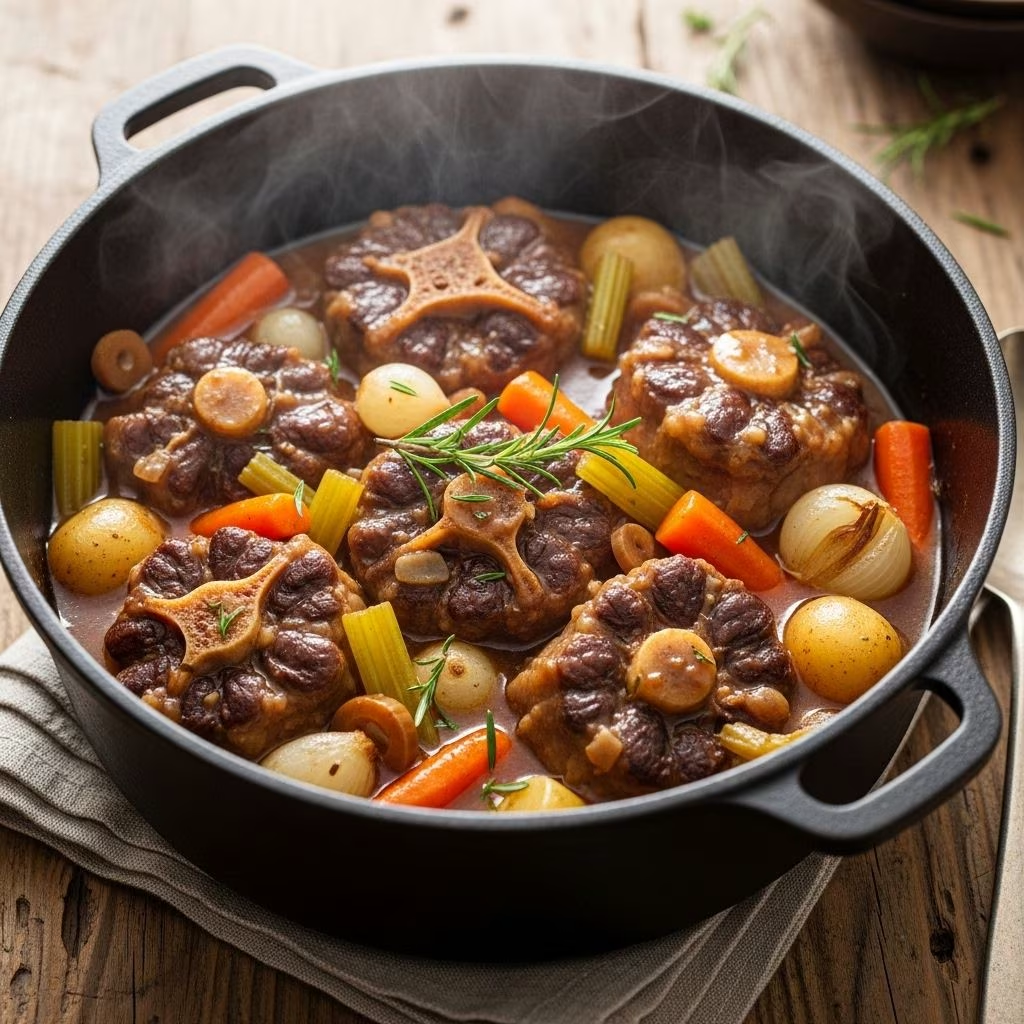
Oxtail, once an overlooked cut of beef, is now celebrated among chefs and home cooks for its exceptional richness, healthful collagen, and versatility across global cuisines. This comprehensive guide explores what oxtail is, its health benefits, culinary uses, and the reason behind its prized taste and rising popularity.
What Is Oxtail?
Oxtail is the culinary name for the tail of beef cattle. While the term originally referred specifically to the tail of an ox, today it is simply the tail from cows and steers . Oxtail is typically skinned and sliced into thick cross-sections, each containing a segment of bone surrounded by layers of lean meat, connective tissue, fat, and a creamy interior of nutritious marrow .
As a gelatin-rich cut, oxtail was once seen as a lowly offcut, often given away or sold cheaply. However, it has become appreciated for its flavor, texture, and ability to transform into luxurious dishes when cooked properly . Oxtail’s structure includes:
- Bone and marrow: Central segment imparts rich flavor and nutritional value.
- Muscle and fat: The meat surrounds the bone, marbled with fat for tenderness.
- Connective tissue and cartilage: High in collagen, which dissolves into gelatin during cooking, creating a silky, voluptuous sauce .
Where Does Oxtail Come From on the Cow?
The tail is a long, segmented bone structure enveloped by muscle and fat. Each oxtail is typically butchered into round or oval medallions, showcasing both bone and meat in every piece .
Nutritional Benefits of Oxtail
Oxtail is more than just a flavorful cut; it also provides a range of nutritional advantages for those who enjoy it in moderation:
- Rich in collagen: Collagen is a protein essential for joint health, skin elasticity, and gut health. During slow cooking, collagen transforms into gelatin, which is easily digested and absorbed .
- Source of iron and zinc: The red meat and marrow provide significant quantities of iron (important for oxygen transport in the body) and zinc (crucial for immune function).
- B vitamins: Oxtail is a good source of B12, niacin, and riboflavin—vital for energy metabolism and nervous system support.
- Gelatin (from collagen): Supports healthy bones, strengthens nails and hair, and may aid digestion.
- Flavorful, yet filling: The combination of protein, healthy fat, and bone marrow offers satiety along with flavor.
Note: Due to its fat content, oxtail is calorically dense. Consumed in reasonable portions as part of a balanced meal, it can fit well into many diets.
Culinary Uses: Global Dishes Featuring Oxtail
Oxtail is celebrated in the cuisines of many cultures, spanning continents. Its versatility and ability to absorb deep flavors make it central to a surprising range of traditional and modern dishes :
- Caribbean: Jamaican Oxtail Stew or Oxtail and Beans—a slow-cooked, spiced stew with allspice, thyme, and scotch bonnet peppers.
- Korean: Kkori Gomtang—a nourishing oxtail soup simmered for hours with garlic and ginger.
- British: Classic British Oxtail Stew—braised with root vegetables, herbs, and often a splash of red wine.
- Chinese: Braised in soy sauce with aromatics, often paired with daikon or mushrooms in Cantonese cuisine.
- Italian: Coda alla Vaccinara—Roman-style oxtail braised in tomato and wine sauce, with celery and spices.
- Spanish: Rabo de Toro—a rich Andalusian bulltail stew, intensely flavored by paprika, wine, and local spices.
- Nigerian: Incorporation into spicy pepper soups or specialty jollof rice.
Oxtail is used in dishes ranging from rustic peasant fare to modern interpretations in fine dining and fusion cooking .
How to Cook Oxtail: Methods and Tips
Because of its tough connective tissues, oxtail requires slow, moist-heat cooking methods to maximize tenderness. This not only softens the muscle fibers but also dissolves the bones’ collagen into luscious gelatin, enriching broths, sauces, and stews .
Recommended Cooking Methods
- Braising: The most popular method—oxtail is browned, then simmered for several hours in a covered pot with liquid (stock, wine, or water) and aromatics.
- Stewing: Chopped oxtail is cooked with vegetables, herbs, and spices for several hours, transforming it into a hearty meal.
- Slow cooker or pressure cooker: Speeds up the traditionally lengthy cook time while still breaking down connective tissue.
- Soup base: Simmered in water with vegetables, oxtail creates a deeply flavorful, nourishing broth—the base for Asian and European soups .
Tips for Best Results
- Brown oxtail well before simmering—this develops deeper, more complex flavors.
- Cook for at least 3–4 hours (or use a pressure cooker for 1–1.5 hours) until the meat easily falls off the bone and the sauce is velvety.
- Skim fat from the surface of the cooking liquid for a lighter sauce.
- Use the gelatin-rich cooking broth in other recipes for extra richness (risotto, pasta sauces, or gravies).
Oxtail vs. Other Beef Cuts
How does oxtail compare to other popular slow-cooking beef cuts, such as beef shank or short ribs? The following table summarizes the key differences :
| Cut | Source | Collagen Content | Texture (After Cooking) | Flavor Profile | Typical Uses |
|---|---|---|---|---|---|
| Oxtail | Tail | Very High | Silky, gelatinous, fall-apart tender | Rich, beefy, umami, deep | Stews, soups, braises, broths |
| Beef Shank | Leg | Moderate | Lean, fibrous, meaty | Robust beef, less intense | Stews, osso buco, braises |
| Short Ribs | Ribs (chuck or plate) | High | Meaty, tender, slightly gelatinous | Luxurious, fatty, beefy | Braises, BBQ, soups |
Oxtail vs. Wagyu Oxtail
Wagyu oxtail is a premium version, thanks to the celebrated marbling in Wagyu beef. The higher fat content offers an even silkier texture and more refined flavor, slightly reducing required cooking time due to extra tenderness .
Taste and Flavor Profile
Oxtail is prized for its intense, deeply savory, and beef-forward flavor . When properly braised or stewed, it develops:
- Umami richness: Enhanced by marrow and fat, giving broth and meat a luscious mouthfeel.
- Velvety texture: Collagen-rich meat melts into gelatin for a thick, satisfying sauce.
- Tender, juicy beef: Slow cooking allows flavors to infuse and softens every bite.
The sauce or broth from oxtail dishes often becomes the highlight—thick, sticky, and boldly beefy, with hints of whatever aromatics and herbs were used. Classic pairing ingredients include sweet vegetables (carrots, onions, parsnips), wine, soy sauce, ginger, and pungent spices.
Buying and Preparing Oxtail
How to Select Good Oxtail
- Appearance: Look for pieces with a deep, rich red color, which indicates freshness.
- Marbling: Visible fat streaks within the meat are desirable for flavor and tenderness.
- Ask the butcher: A knowledgeable butcher can recommend the best sections and advise on portion sizes. Oxtail is sold in cut sections, each with bone, meat, and cartilage .
Storage Tips
- Fresh oxtail can be refrigerated for 1-2 days before cooking.
- Freezing: Oxtail freezes well for up to 3 months. Thaw overnight in the refrigerator before cooking.
Frequently Asked Questions (FAQs)
Q: Is oxtail expensive?
A: Oxtail has become more expensive due to its current popularity and limited supply (each cow produces only one tail). Prices can vary widely by region, butcher, and demand, but its richness and flavor mean a little goes a long way .
Q: Can oxtail be cooked quickly?
A: Oxtail is best cooked slowly to fully break down connective tissue for tenderness and flavor. Pressure cooking can reduce the cooking time but still achieves similar results.
Q: Is oxtail healthy?
A: In moderation, oxtail can be part of a nutritious diet. It is rich in protein, collagen, iron, and other minerals but also relatively high in fat and calories. Skimming rendered fat helps make dishes lighter.
Q: Are there good substitutes for oxtail?
A: For similar richness, beef shank or short ribs can be used, though they lack the same level of gelatin and marrow. For stews or soups requiring that characteristic mouthfeel, a combination of beef shank and added soup bones works well .
Q: What is the origin of oxtail dishes?
A: Oxtail appears in the traditional cuisines of Britain, Spain, Italy, the Caribbean, Korea, and China, among others. Many classic recipes emerged from resourceful cooking traditions, where cooks transformed humble cuts into warming, celebratory meals.
Conclusion
Oxtail stands testament to the culinary magic that happens when underappreciated cuts are given the time and care they deserve. With its unique blend of rich flavor, nutritional benefits, and versatility in kitchens worldwide, oxtail invites cooks—novice to expert—to experience true slow-cooked comfort and sophisticated taste in every bite.
References
- https://plumcreekwagyubeef.com/blogs/news/oxtail-the-secret-to-rich-and-hearty-soups
- https://www.webstaurantstore.com/blog/5388/what-is-oxtail.html
- https://www.tastingtable.com/1870815/what-is-oxtail-type-of-meat/
- https://en.wikipedia.org/wiki/Oxtail
- https://www.wlrn.org/show/a-word-on-food/2014-01-25/a-word-on-food-oxtails
- https://a-z-animals.com/blog/what-exactly-is-oxtail-things-to-know-about-this-meat-and-where-it-comes-from/


