


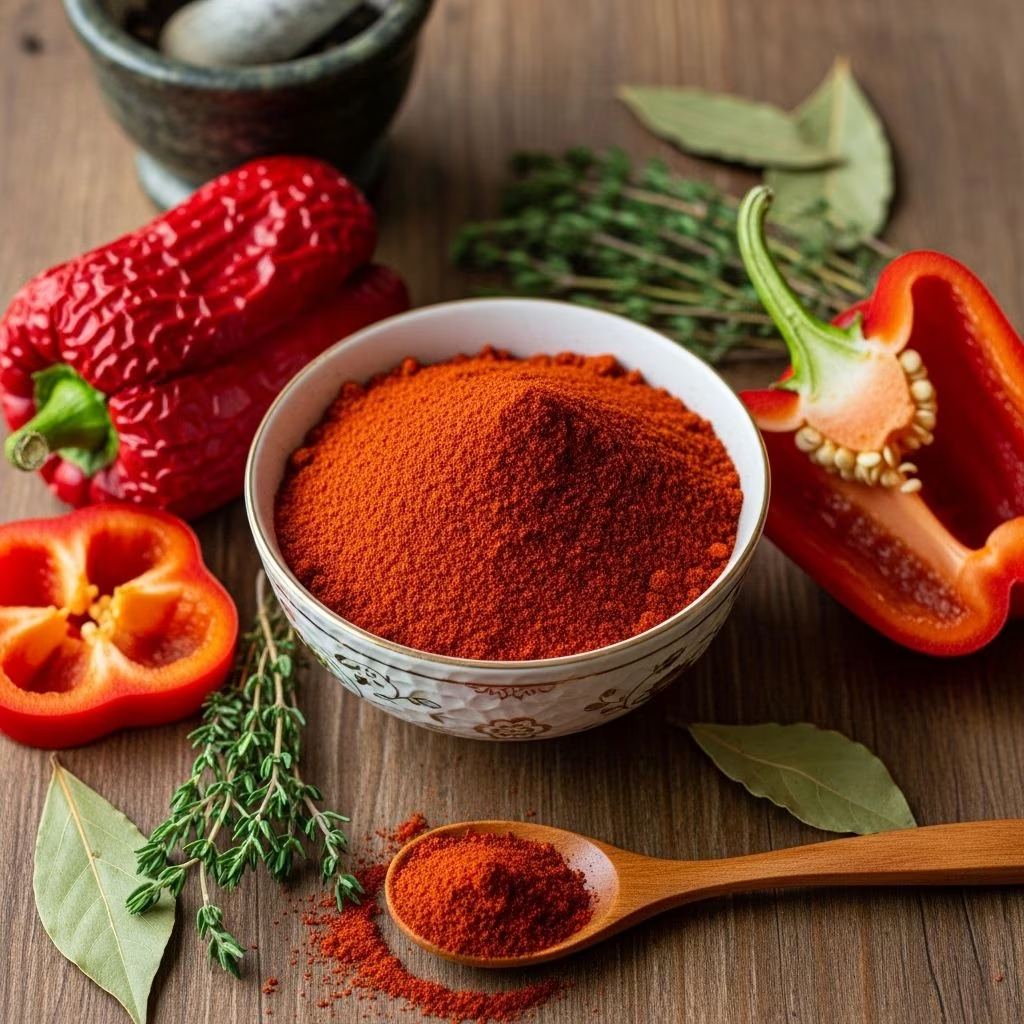
Smoked paprika is a bold, versatile spice that brings complexity and warmth to countless global cuisines. Unlike regular paprika, the smoked variety delivers a signature smoky sweetness or heat that makes dishes unforgettable. Whether you are a seasoned chef or a home cook, understanding smoked paprika’s nuances, applications, and the best ways to substitute it can help elevate any meal.
What is Smoked Paprika?
Smoked paprika is a ground spice made from dried red chili peppers that are smoked, typically over oak fires, before being milled into powder. This traditional process originated in Spain, where it is known as pimentón, and has given the spice its iconic smoky aroma and flavor profile.
Unlike regular (non-smoked) paprika—produced from air-dried sweet peppers—smoked paprika’s identity lies in its distinctive, lingering smokiness and a deeper, earthy complexity.
| Comparison | Regular Paprika | Smoked Paprika |
|---|---|---|
| Drying Method | Air-dried | Smoked over wood (usually oak) |
| Flavor Profile | Mild, slightly sweet, sometimes bitter | Deep smokiness, sweet or spicy, earthy, more robust |
| Visual Appearance | Bright red, fine powder | Deep red, sometimes brick-colored, fine powder |
| Common Uses | Garnish, color, gentle flavor | Flavor enhancer, color, signature smoky taste |
The result is a spice that provides more than just color—it imparts an intense, yet harmonious depth to both simple and elaborate dishes. The unique smoking process is what truly sets it apart from its regular counterpart.
Taste and Aroma of Smoked Paprika
Smoked paprika is cherished for its rich, smoky flavor with layered notes of sweetness and occasional spiciness. Oak wood smoke is the traditional choice, lending a savory character that persists throughout cooking. Depending on the pepper variety and origin, the spice may offer mild, bittersweet, or fiery heat.
- Sweet smoked paprika (Dulce): Mild and smoky, with gentle sweetness and almost no heat.
- Bittersweet smoked paprika (Agridulce): Smoky, with a subtle balance of sweet and spicy notes.
- Hot smoked paprika (Picante): Pronounced smokiness and bold, fiery heat for an extra punch.
The aroma is another hallmark: expect a warm, savory smokiness that instantly signals complexity. The flavor and aroma pair beautifully with roasted meats, hearty vegetables, grains, legumes, and even unexpected dessert applications.
How Smoked Paprika is Made
The unique flavor of smoked paprika comes from how it is produced:
- Ripe red peppers—usually from the Capsicum annuum family—are harvested at full ripeness.
- The peppers are laid over smoky oak wood fires and dried for several days, allowing the smoke to slowly permeate flesh and skin.
- The dried peppers are then stone-ground (or machine-milled) into a fine red powder, preserving both color and aroma.
- Final sorting ensures consistent texture and flavor intensity.
This slow, attentive process ensures that every pinch of smoked paprika delivers the intensity and signature taste for which it is prized.
Types of Smoked Paprika
Not all smoked paprika is alike. Understanding the primary varieties can help you choose the right style for any recipe:
- Spanish Smoked Paprika (Pimentón): Produced chiefly in regions like La Vera, Spain; available in sweet, bittersweet, and hot versions. Classic for Spanish dishes, especially chorizo and paella.
- Hungarian Smoked Paprika: Traditionally, Hungarian paprikas are not smoked, but smoked versions are produced for export or modern fusion cooking; provides a different smokiness than the Spanish type and may be more pungent.
- Hot Paprika: Made from spicier chili peppers, for those who seek pronounced heat alongside deep smoke.
- Craft and Artisan Varieties: Gourmet producers blend pepper types or use different woods (beech, hickory) to achieve unique flavor profiles.
Carefully choosing the right intensity—sweet, bittersweet, or hot—can make the difference in your finished dish’s aroma and taste.
Culinary Uses of Smoked Paprika
The hard-to-match versatility of smoked paprika makes it one of the world’s beloved kitchen staples. Here’s how you can use it for optimal results:
- Meat Rubs and Marinades: Essential for flavor-packed barbecue, and rubs for pork, beef, or chicken.
- Braises and Stews: Add early for deep flavor in hearty dishes, such as goulash, chili, and cassoulet.
- Vegetable Roasts: Sprinkle on roasted potatoes, carrots, cauliflower, or mushrooms; its smokiness mimics a grill-roast effect.
- Seafood: Dusted on shrimp, scallops, or fish fillets before searing or broiling, it adds both color and flavor.
- Egg Dishes: Mix into scrambled eggs, frittatas, or as a topping for deviled eggs.
- Sauces and Soups: Infuse smoky undertones into creamy sauces, tomato soups, chowders, or gazpacho.
- Pasta and Pizza: Blend into arrabbiata sauce, sprinkle over pizza, or swirl in creamy pasta dishes for Mediterranean flair.
Many chefs also experiment with smoked paprika in sweet applications, such as dark chocolate desserts, spicy honey, and innovative fruit salsas.
Using Smoked Paprika: Pro Tips
- Start with small amounts; the flavor is potent and can dominate if over-used.
- Blooming: Briefly heat smoked paprika in oil or fat before adding other ingredients to unlock a richer, more vibrant taste.
- Pair with spices like garlic, cumin, onion, and chili for robust, layered seasoning.
Smoked Paprika in Global Cuisine
Its bold flavor has secured a central role in several classic dishes from different cultures:
- Spain: Paella, chorizo sausages, patatas bravas, and romesco sauce.
- Hungary: Modern fusion or export versions of goulash and paprikash.
- USA and Latin America: Barbecue spice blends, chili con carne, and Tex-Mex dry rubs.
- Middle East and North Africa: Tagines, merguez, harissa, and grilled vegetable spreads.
World-famous for both color and complexity, smoked paprika continues to inspire experimentation and culinary innovation.
Health Benefits of Smoked Paprika
Besides transforming taste, smoked paprika also offers some notable nutritional and health benefits:
- Rich in Antioxidants: Contains carotenoids such as beta-carotene and capsanthin, which support immune health.
- Vitamin Content: A source of vitamins A, E, and B6.
- Low in Calories: Just a pinch adds flavor with no significant caloric impact.
- Anti-inflammatory Properties: Capsaicin, present in some varieties, may help combat inflammation.
However, as a seasoning, smoked paprika is generally used in small amounts so the overall nutritional contribution per serving is modest. Still, replacing sodium-heavy seasonings with paprika can help reduce your salt intake while preserving robust flavor.
Easy Substitutes for Smoked Paprika
If smoked paprika is unavailable, several substitutes can approximate its flavor or at least provide a similar effect. Consider your dish’s needs—just smokiness, just color, or moderate heat?—and use one of the following options:
| Substitute | Flavor Comparison | Best Used In |
|---|---|---|
| Regular Paprika + Smoked Salt | Closest match if smoked paprika is unavailable. Combines paprika’s color and flavor with a smokiness from the salt. | Meat rubs, roasted vegetables, soups |
| Chipotle Powder | Smoky, with moderate to high heat. May overpower mild dishes, but offers bold flavor. | Chilis, tacos, barbecue, stews |
| Liquid Smoke + Regular Paprika | Provides smokiness; use sparingly. Won’t replicate the full complexity but offers a quick fix. | Sauces, marinades, slow-cooked dishes |
| Ancho Chili Powder | Mild heat, earthy sweetness, light smokiness. Not as intense as smoked paprika but works well for depth. | Braises, beans, vegetable dishes |
| Hot Paprika or Cayenne + Smoked Salt | To mimic hot smoked paprika, blends spiciness with smokiness. | Pulled pork, barbecue, hot sauces |
- Remember to use substitutes sparingly and taste often, as some (like chipotle or liquid smoke) are much more potent than smoked paprika.
Storage and Shelf Life
To preserve smoked paprika’s signature aroma and flavor:
- Store in an airtight container away from light, heat, and moisture.
- Keep away from steam or direct contact with steamy pots, which can clump powder or reduce potency.
- For optimal quality, use within six months to a year, as flavor diminishes over time.
- Check for freshness by scent: if it smells dull, it’s time to replace.
Frequently Asked Questions (FAQs)
Q: Is smoked paprika spicy?
A: It can be. Sweet smoked paprika offers flavor without heat, while hot varieties deliver noticeable spiciness. Always check the package or description for guidance on heat level.
Q: Can I substitute smoked paprika with regular paprika?
A: Yes, but you’ll lack the signature smoky taste. Add smoked salt or a dash of liquid smoke for a closer approximation.
Q: Is smoked paprika gluten-free and vegan?
A: Pure smoked paprika is naturally gluten-free and vegan. Always check for added ingredients in commercial spice blends.
Q: How much smoked paprika should I use?
A: Start with 1/4 to 1/2 teaspoon per serving and adjust to taste. Its robust flavor means a little goes a long way.
Q: What dishes does smoked paprika pair best with?
A: Roasted meats, barbecue, potatoes, beans, seafood, eggs, and even certain desserts. Its versatility is a reason for its global popularity.
Q: Are there any allergens in smoked paprika?
A: On its own, smoked paprika rarely contains common allergens, but check the label if you have sensitivities or are buying spice blends.
Conclusion
Smoked paprika is a must-have spice for anyone seeking to add depth, color, and a smoky-sweet dimension to their cooking. Whether exploring Spanish classics, reinventing comfort food, or substituting creatively in a pinch, smoked paprika’s aroma and flavor are sure to impress. Thoughtful storage and experimentation with substitutes mean you’ll never be far from that signature smoky sensation—even if the jar runs out.
References
- https://africandreamfoods.com/blogs/articles/the-ultimate-guide-to-using-smoked-paprika-in-your-cooking
- https://www.oldtownspiceshop.com/products/paprika-smoked
- https://www.savoryspiceshop.com/blogs/news/behind-the-seasoning-paprika-flavoring-uses
- https://spicesinc.com/blogs/paprika-vs-smoked-paprika
- https://worldspice.com/products/smoked-sweet-paprika
- https://www.thespicehouse.com/blogs/news/paprika-vs-smoked-paprika


