


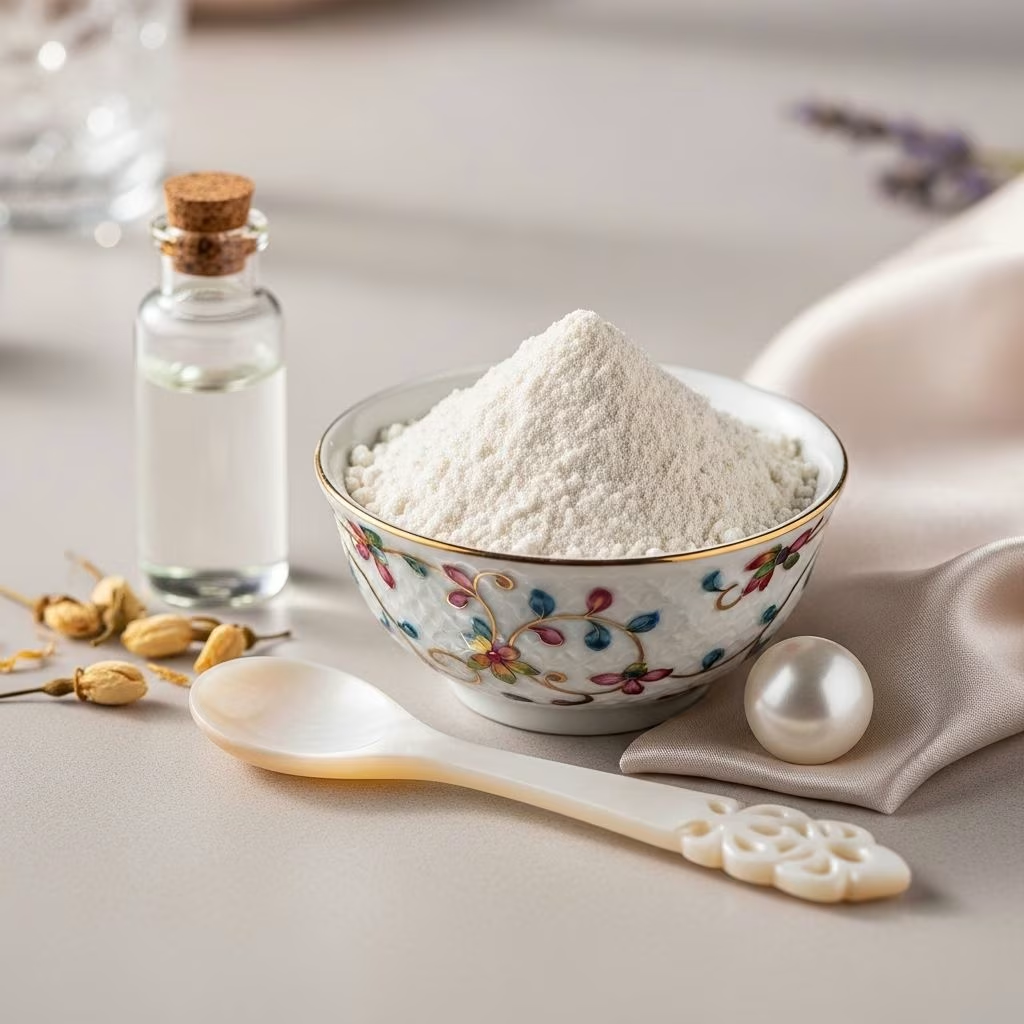
Pearl powder has traversed the boundaries of culture and time, celebrated by empresses and healers alike. This unique substance, derived from pearls, occupies a special place at the nexus of beauty, wellness, and traditional medicine. But what exactly is pearl powder, what makes it so potent, and how does it benefit the body and mind? Delve into this comprehensive guide to uncover the origins, ingredients, benefits, uses, and sensory qualities of pearl powder.
Introduction to Pearl Powder
Pearl powder is a fine, silky substance prepared by sterilizing and grinding pearls—either from freshwater or saltwater sources—that are unsuitable for jewelry. Once reserved for the elite in Asia, it is now used worldwide for skin care, holistic wellness, and nutritional supplementation. The powder is composed of potent minerals, amino acids, and trace elements, long prized for their beautifying and therapeutic effects.
Origins and Historical Significance
Pearl powder’s story begins over two thousand years ago:
- Ancient China: Empress Wu Zetian, regaled for her beauty, is renowned for using pearl powder both internally and as a topical paste. Chinese medical texts, such as the Ben Cao Gang Mu, praised pearl powder for skin renewal, wound healing, and even the treatment of age spots.
- Ayurvedic Medicine: In India, pearl powder was incorporated into formulas to calm the mind, support resilience, and aid in the treatment of stress and anxiety.
- Europe: By the 19th century, it became a symbol of refinement in European elite society, sought after for its brightening and complexion-enhancing effects.
Its lasting role across diverse traditions highlights pearl powder’s revered status for maintaining beauty, serenity, and overall vitality.
Scientific Composition of Pearl Powder
Minerals and Trace Elements
Pearl powder boasts a sophisticated matrix of minerals and bioactive components, including:
- Calcium carbonate (CaCO3): The primary component, crucial for skin regeneration and bone health.
- Magnesium carbonate, silica, and calcium phosphate: Essential for cellular health and supporting structure.
- Trace elements: Includes potassium, zinc, selenium, aluminum, iron, sodium, manganese, chromium, copper, and more, all vital for physiological and skin functions.
Amino Acid Profile
The amino acid spectrum of pearl powder is extensive, featuring:
- Essential amino acids: Such as cysteine, isoleucine, leucine, methionine, phenylalanine, tryptophan, and valine.
- Functional amino acids: Aspartate and glutamate with antioxidant and immune-enhancing effects.
- Hydrophobic amino acids: Combat free radicals, aiding in skin repair and protection.
Bioactive Proteins and Organic Matrix
Glycoproteins and polysaccharides present in the organic matrix contribute to the synergistic effects of minerals and amino acids.
| Component | Function/Benefit |
|---|---|
| Calcium carbonate | Supports bone health, skin regeneration, cellular turnover |
| Essential amino acids | Collagen synthesis, cell repair, antioxidant defense |
| Trace minerals | Boost enzymatic processes, improve immunity, strengthen skin barrier |
| Glycoproteins/polysaccharides | Healing enhancement, cellular repair, deep hydration |
Health and Beauty Benefits of Pearl Powder
Modern science and traditional wisdom both emphasize the multi-faceted advantages of pearl powder. Its primary health and beauty benefits include:
- Skin Brightening and Even Tone: Regular use may help to fade age spots, discoloration, and acne scars, yielding a clearer, more luminous complexion.
- Collagen Support and Anti-Aging: Amino acids in pearl powder stimulate fibroblasts to produce collagen, reducing the appearance of fine lines and wrinkles and promoting firmness.
- Wound Healing and Skin Repair: Applied topically, pearl powder may accelerate healing of wounds, burns, acne, and inflammatory skin conditions thanks to its regenerative and anti-inflammatory properties.
- Oil Regulation and Acne Prevention: The calcium content assists in balancing sebum production and promoting regular cell turnover, decreasing breakouts.
- Detoxification and Calm: Considered detoxifying and calming in Traditional Chinese Medicine (TCM), supporting a reduction in inflammation and stress.
- Bone and Dental Health: High calcium levels support bone density, making it a suitable supplement for preventing osteoporosis.
- Immune System and Antioxidant Protection: Rich in antioxidants like selenium and certain amino acids, it helps neutralize free radicals and enhance immunity.
- Mood and Sleep Regulation: TCM classifies pearl powder as a “shen-calming” substance, promoting mental clarity, tranquility, and deeper sleep.
Common Uses and Applications
1. Cosmetic and Skincare
- Face Masks and Powders: Mixed with water, honey, or aloe vera and applied as a mask for brightening, soothing, and revitalizing the complexion.
- Spot Treatments: Dabbed onto blemishes or scars to calm redness, inflammation, and promote healing.
- Creams and Lotions: Found as an ingredient in premium skin care formulas for anti-aging and luminous skin.
2. Oral Supplementation
- Capsules and Powders: Consumed internally for calcium, amino acids, and broad mineral support. Commonly stirred into water, teas, or smoothies.
- Nutritional Booster: Sometimes incorporated into wellness tonics to support vitality, immune function, and bone health.
3. Traditional and Holistic Medicine
- Traditional Chinese Medicine (TCM): Used as an anti-inflammatory, detoxifier, and relaxant, often for symptoms ranging from insomnia to digestive imbalance.
- Ayurveda: Employed as a tonic for stress, anxiety, and to support longevity.
Taste and Sensory Profile
Pearl powder is prized not only for functionality but also for its subtle sensory characteristics:
- Texture: Ultra-fine, soft, with a silky feel that disperses easily even in liquid.
- Taste: Delicate, almost neutral, with a faint chalky or mineral note. Many users report little to no distinct flavor, making it exceptionally easy to mix into foods or beverages without altering their taste profile significantly.
- Color: White or light beige, sometimes with a subtle sheen.
This neutral profile allows pearl powder to be versatile in both internal and topical use, blending seamlessly with a range of delivery mediums.
How to Source and Choose Quality Pearl Powder
- Type: Opt for pure, natural pearl powder derived from freshwater or saltwater pearls (avoid jewelry-grade, as it may be treated with chemicals).
- Origin: Look for trusted suppliers from China, Vietnam, or Japan with transparent harvesting and processing practices.
- Processing: Powder should be sterilized and finely milled; check for third-party testing to ensure safety and purity.
- Additives: Avoid products with fillers, artificial colors, fragrances, or preservatives.
Side Effects and Precautions
- Calcium Toxicity: Excessive intake can lead to symptoms of hypercalcemia, such as muscle weakness and digestive issues. Stick to recommended dosages (typically 1 g up to a few times weekly for oral use).
- Allergic Reactions: Rare, but possible—especially for those allergic to shellfish or mollusks.
- Pregnancy and Breastfeeding: Consult a healthcare provider before use if pregnant, nursing, or treating serious medical conditions.
- Drug Interactions: If taking other medications or supplements, verify compatibility with a professional.
Always begin with a small dose and discontinue immediately upon any signs of intolerance.
Frequently Asked Questions (FAQs)
Q: Is pearl powder vegan?
No. Pearl powder is derived from mollusk-produced pearls and thus is considered an animal-derived ingredient.
Q: Can pearl powder help with acne?
Its anti-inflammatory, oil-regulating, and regenerative properties make it a popular natural remedy for acne-prone skin, as both an internal and topical treatment.
Q: How do I use pearl powder safely?
For internal use, respect the recommended dosage (usually 1 g per serving, up to twice a week). For external use, it is generally considered safe for most skin types when used in masks, creams, or spot treatments.
Q: How is pearl powder different from ordinary calcium supplements?
While rich in calcium, pearl powder contains a matrix of bioavailable minerals, amino acids, and organic proteins not found in isolated calcium supplements, offering broader health and beauty benefits.
Q: Can everyone use pearl powder?
It is suitable for most adults, but those with allergies to mollusks, pregnant or breastfeeding women, and people on certain medications should consult a healthcare professional first.
Conclusion
Pearl powder stands as a testament to nature’s ability to nurture, protect, and inspire—from its mythical origins in ancient royalty to its present status as a scientifically supported wellness and beauty supplement. Whether blended into a face mask for radiance, consumed for its wide-ranging micronutrients, or used traditionally for tranquility, pearl powder’s legacy continues. If considering its use, prioritize purity and moderation, and always seek guidance when in doubt.
References
- https://nathanandsons.com/blogs/news/pearl-powder-benefits
- https://liwestbg.com/en/huanhe/
- https://en.wikipedia.org/wiki/Pearl_powder
- https://www.nssgclub.com/en/beauty/40651/pearl-powder-benefits-how-to-use-it
- https://www.healthline.com/health/pearl-powder
- https://pmc.ncbi.nlm.nih.gov/articles/PMC8197316/
- https://talsenchem.com/products/pearl-powder
- https://alitura.com/blogs/beauty-benefits/5-essential-benefits-freshwater-pearl-powder-gives-your-skin
- https://www.sunpotion.com/products/pearl-80g


