


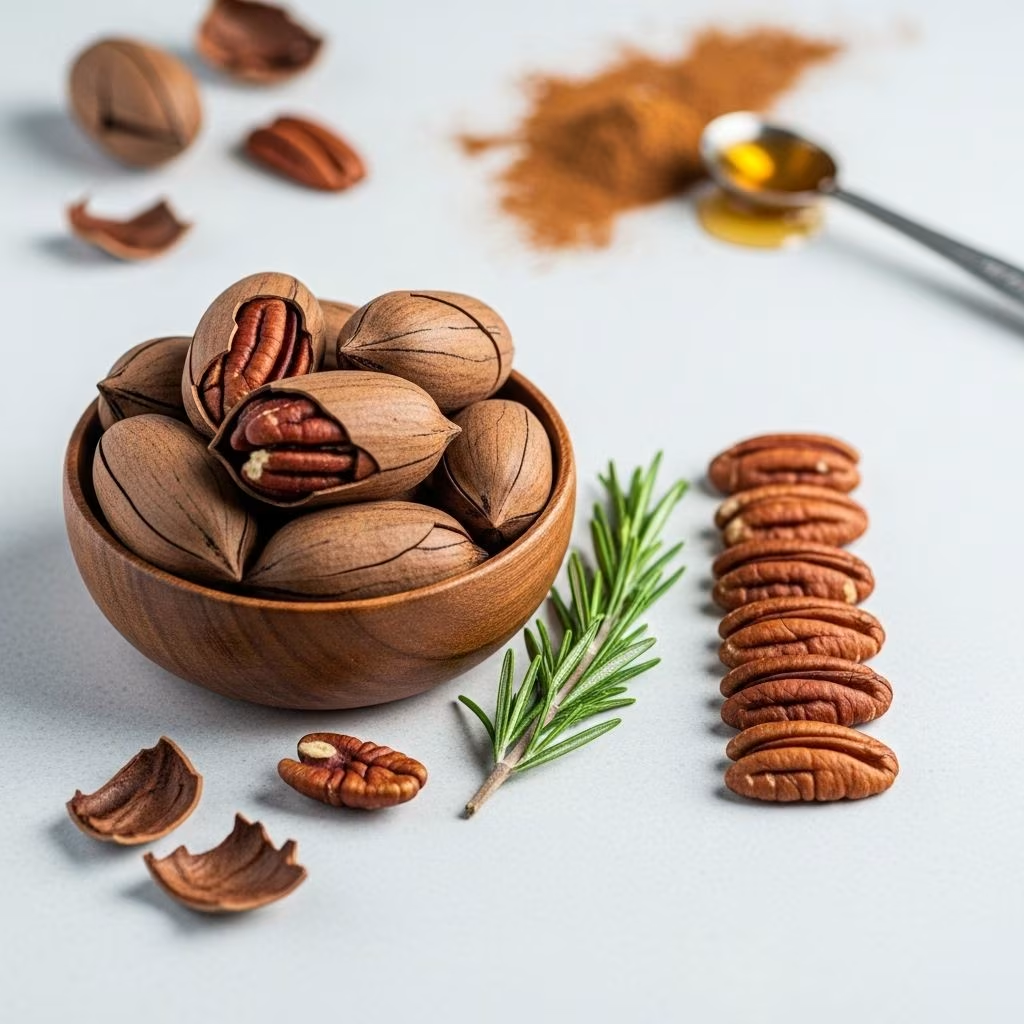
What Is Pecan?
The pecan (Carya illinoinensis) is a flavorful tree nut native to North America, celebrated for its buttery texture and rich taste. Pecans grow on large, deciduous trees that can reach heights of over 100 feet and live for more than a century, with some trees remaining productive for up to 100 years.
- The pecan tree belongs to the Juglandaceae (walnut) family.
- Pecans are prized for their nutrient content, culinary versatility, and health-promoting properties.
- Pecans are technically considered drupes, not true nuts, due to their fruit design (a thin, hard shell surrounding a single kernel).
In the United States, pecan trees are predominantly cultivated in the South and Southwest, including Georgia, Texas, and Louisiana. Their adaptability to different soil types and long productive lifespan make them a popular orchard choice.
Nutritional Profile of Pecans
Pecans provide a wealth of vitamins, minerals, and healthy fats. Here is a breakdown of their typical nutritional value per one-ounce (28g) serving:
| Nutrient | Amount per 1 oz (28g) |
|---|---|
| Calories | 196 |
| Total Fat | 20 g |
| Saturated Fat | 1.8 g |
| Monounsaturated Fat | 11.6 g |
| Polyunsaturated Fat | 6.1 g |
| Carbohydrates | 3.9 g |
| Fiber | 2.7 g |
| Protein | 2.5 g |
| Vitamin E | 0.4 mg |
| Magnesium | 34 mg |
| Zinc | 1.3 mg |
| Thiamine (B1) | 0.19 mg |
| Phosphorus | 79 mg |
- Pecans are cholesterol-free and low in sodium.
- They supply over 19 vitamins and minerals, including antioxidants such as vitamin E and ellagic acid.
- The high unsaturated fat content makes them beneficial for heart health when substituted for saturated fats.
Health Benefits of Pecans
Pecans are not only delicious but also offer numerous health advantages, particularly related to their healthy fat profile, fiber content, and abundance of plant compounds.
1. Heart Health Support
- Monounsaturated fats in pecans (like oleic acid) can help lower “bad” LDL cholesterol and keep arteries healthy.
- Regular consumption of pecans may reduce the risk of cardiovascular disease.
2. Antioxidant Protection
- Pecans contain high levels of antioxidants, protecting cells against oxidative stress and reducing inflammation.
- Phenolic compounds and vitamin E help neutralize free radicals, potentially lowering cancer risk and promoting healthy aging.
3. Blood Sugar Regulation
- Pecans have a low glycemic index (GI) and are high in fiber, keeping blood sugar stable, making them suitable for individuals with diabetes.
- The healthy fat content slows digestion, preventing blood sugar spikes.
4. Weight Management
- Pecans, with their combination of fats, fiber, and protein, promote satiety and help manage appetite.
- Including nuts like pecans in the diet does not typically result in weight gain when consumed in moderation.
5. Nutrient Density
- Pecans provide key minerals—magnesium, phosphorus, and zinc—critical for immune function, bone health, and energy metabolism.
- Vitamin E and other micronutrients support healthy skin and nervous system function.
6. Cognitive Support
- Pecan consumption has been linked to improved brain function, potentially due to their vitamin E and healthy fat content, which protect against neurodegenerative conditions.
Culinary Uses of Pecans
Pecans are remarkably versatile in the kitchen, valued for both sweet and savory applications. Their rich flavor and appealing texture make them a staple in many cuisines.
Popular Culinary Applications
- Pecan pie: Iconic American dessert featuring a sweet, gooey filling and toasted pecans.
- Baking: Used in cakes, cookies, brownies, and breads for crunch and flavor.
- Salads: Toasted pecans add nutty notes and texture to green and grain salads.
- Granola and snack mixes: Mixed with dried fruit, seeds, and other nuts for healthy snacks.
- Confectionery: Included in pralines, brittles, turtles, and chocolate-dipped versions.
- Savory dishes: Incorporated into stuffing, meat coatings, and vegetable sides.
- Pecan butter: An alternative to peanut or almond butter, smooth and creamy.
- Pecan oil: Used for salad dressings, sautéing, or drizzling, prized for its mild, sweet flavor.
Culinary Tips
- Toast pecans before using in recipes to intensify their aroma and flavor.
- Pecans pair exceptionally well with maple, honey, chocolate, apples, sweet potatoes, and cheese.
The Distinctive Taste of Pecans
Pecans are celebrated for their unique buttery, sweet, and slightly earthy flavor profile. Their smooth texture and mild bitterness from tannins create a sophisticated and enjoyable eating experience.
Key Taste Characteristics
- Buttery and Rich: The nut’s high oil content lends a smooth, creamy mouthfeel.
- Sweetness: Natural sugars contribute to a mild, approachable sweetness.
- Earthy Undertones: Notes of wood, caramel, and subtle bitterness add complexity.
- Mild Bitterness: The thin skin may impart a gentle, pleasant bitterness.
Roasting pecans enhances both flavor and crunch, deepening the nutty notes and creating a more robust aroma. Raw pecans are softer and taste milder, with less pronounced bitterness.
Cultivation, Growing, and Origins
Native Habitat and Global Spread
Pecan trees are indigenous to the Mississippi River Valley and Southern United States. Their wild populations were first utilized by Native American tribes before becoming a staple in American agriculture.
- Currently, the U.S. remains the world’s largest producer and exporter of pecans.
- Pecan trees thrive in regions with hot, humid climates and deep, well-drained soils.
- Pecans can be grown on sites with water penetration of 4–5 feet or more. Trees flourish in sandy loam or loamy sand over clay.
Growing Requirements
- Require 6–8 hours of direct sunlight daily.
- Optimal growth in regions with warm nights and minimal frost risk.
- Young trees need abundant water: 10–15 gallons/week for the first 2–3 years.
- Trees begin bearing pecans typically after 6–10 years; mature trees can remain productive for over a century.
- Pecan trees exhibit “alternate bearing,” producing a large crop one year and fewer the next.
Pruning and Orchard Care
- Central leader pruning maximizes growth and nut production; pruning must maintain ideal crotch angles for branch strength.
- Tree roots extend deep and wide, demanding spacious planting and proper irrigation.
Varieties of Pecans
There are hundreds of pecan varieties, bred for factors such as kernel size, shell thickness, oiliness, and disease resistance.
- Desirable: Thin shell, large nut, sweet taste.
- Stuart: Good for commercial use, robust trees with high yield.
- Choctaw: High quality kernel, late season production.
- Cape Fear: Disease resistant, popular in the Southeast.
- Pawnee: Early maturing, large nuts, good flavor.
The taste and texture of pecans can vary slightly between cultivars, but all retain the hallmark buttery richness.
Buying and Storing Pecans
Pecans are sold in-shell, shelled halves, or processed as pieces, butter, or oil. Freshness impacts both taste and nutritional value.
Buying Tips
- Look for pecans with uniform color and without shriveling or cracks in the shell.
- Choose unsalted, raw pecans for the most adaptability in recipes.
- Buy from reputable sources to ensure freshness and traceability.
Storage Guidelines
- Keep shelled pecans refrigerated or frozen in airtight containers; they turn rancid quickly due to high oil content.
- In-shell pecans last up to 6–12 months when stored in a cool, dry place.
- Avoid exposure to moisture, air, and light to preserve flavor and nutrients.
Possible Side Effects and Considerations
- Pecans are generally safe but can trigger allergic reactions in those with tree nut allergies.
- High caloric density means portions should be moderated, especially for those on calorie-restricted diets.
- Those with certain nut allergies must avoid pecans and products containing them.
Frequently Asked Questions
Q: Are pecans a good source of protein?
A: Pecans provide some protein (about 2.5g per ounce), but they are better known for healthy fats and micronutrients. For high-protein diets, supplement with other sources.
Q: How do pecans compare nutritionally to other nuts?
A: Pecans are higher in monounsaturated fats and lower in carbohydrates than most nuts. Their antioxidant profile is similar to walnuts and almonds, and they contain unique compounds such as ellagic acid.
Q: Can people with diabetes eat pecans?
A: Yes. Pecans’ low glycemic index, high fiber, and healthy fats make them a suitable choice for most people with diabetes when consumed in appropriate portions.
Q: What are the best uses for pecan oil?
A: Pecan oil is ideal for dressings, sautéing, and as a finishing oil due to its mild, buttery flavor and high smoke point.
Q: Are pecans environmentally sustainable to grow?
A: Pecans are native to North America and thrive under proper conditions, but orchards need significant water and maintenance. Sustainable practices include water-efficient irrigation and integrated pest management.
Final Thoughts
Pecans are an invaluable part of American agriculture and cuisine, renowned for their nutritional profile, tasty versatility, and centuries-old heritage. Whether enjoyed raw, toasted, baked into desserts, or used as a savory garnish, pecans provide both health benefits and gourmet pleasure.
References
- https://content.ces.ncsu.edu/growing-pecans-in-north-carolina
- https://extension.arizona.edu/sites/default/files/2025-03/az1400-2006.pdf
- https://edis.ifas.ufl.edu/publication/HS229
- https://farmplasticsupply.com/blog/how-to-grow-pecan-trees
- https://hgic.clemson.edu/factsheet/pecan-planting-fertilization/
- https://millicanpecan.com/blogs/pecan-orchards/the-comprehensive-guide-to-pecan-trees
- https://www.britannica.com/plant/pecan
- https://extension.missouri.edu/publications/af1002
- https://fieldreport.caes.uga.edu/publications/B1348/pecan-trees-for-the-home-or-backyard-orchard/


