


\n\n
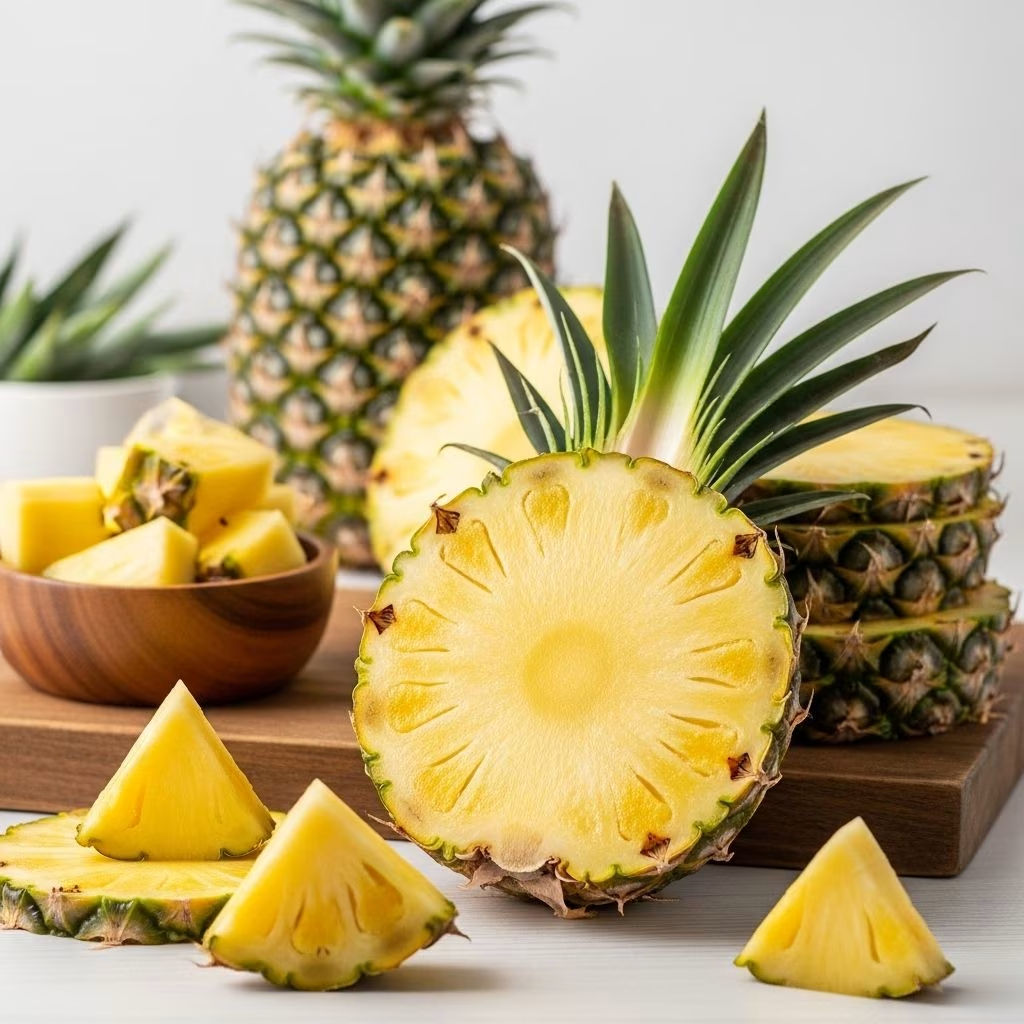
Pineapple (Ananas comosus) is a unique, tropical fruit cherished for its striking appearance, exceptional sweetness, and versatility. Not only is it a flavorful addition to desserts and savory dishes, but it’s also prized for its nutritional profile and array of health benefits. In this comprehensive guide, discover what makes pineapples special, their biological makeup, nutritional content, health advantages, popular culinary uses, and captivating taste. Dive into the journey of pineapple from plantation to plate and find answers to common questions about this extraordinary fruit.
\n\n
Table of Contents
\n
- \n
- What Is Pineapple?
- Botanical Overview of Pineapple
- Origin and History
- Nutritional Profile
- Health Benefits of Pineapple
- Culinary Uses of Pineapple
- The Taste of Pineapple
- How to Select, Store, and Prepare Pineapple
- Potential Risks and Precautions
- Frequently Asked Questions
\n
\n
\n
\n
\n
\n
\n
\n
\n
\n
\n\n
What Is Pineapple?
\n
Pineapple is a tropical fruit known for its spiky rind, sweet aroma, and golden flesh. Unlike apples or oranges, the pineapple’s fruit forms from the fusion of many small flowers into a single, massive “syncarp.” It is native to South America but is now cultivated throughout the world’s tropical and subtropical regions.
\n\n
Botanical Overview of Pineapple
\n
Plant Description: The pineapple plant is an herbaceous perennial, 3 to 6 feet tall and wide, with long, sword-like leaves spiraling around a central stem. The leaves are semi-rigid, sometimes edged with spines, and arranged to collect water at their base, assisting hydration in tropical climates. The pineapple belongs to the Bromeliaceae family, related to air plants and Spanish moss.
\n\n
Growth Habit & Reproduction:
\n
- \n
- Each pineapple plant produces a single fruit at a time from the central stalk.
- The plant is self-incompatible: it typically requires cross-pollination between different varieties to produce viable seed, though commercial pineapples are usually seedless.
- After harvest, new shoots called suckers arise, allowing for future crops from the same plant or propagation for new plants.
\n
\n
\n
\n\n
Fruit Anatomy: The pineapple fruit itself is technically a seedless syncarp—a mass resulting from the fusion of up to 200 individual flowers into one fruit. The outer skin is rough and segmented, with bright, golden yellow flesh when ripe.
\n\n
Life Cycle and Growth Stages
\n
| Pineapple Life Cycle Stage | Duration |
|---|---|
| Planting to Root Development | 6–8 weeks |
| Vegetative Growth | Up to 24 months |
| Flowering | 16–28 months |
| Fruit Formation | 6 months |
| Total Lifecycle | 18–24 months |
\n
From planting to fruit harvest, pineapple requires patience: it can take up to two years to produce its first fruit.
\n\n
Origin and History
\n
Pineapples originated in South America, specifically in the area between southern Brazil and Paraguay. Indigenous peoples domesticated the fruit long before Europeans arrived. Spanish and Portuguese explorers spread it globally in the 16th century, and the pineapple became a symbol of luxury and hospitality across Europe. Today, major commercial producers include Costa Rica, the Philippines, Thailand, Indonesia, and India.
\n\n
Nutritional Profile
\n
Pineapple is primarily made up of water and natural sugars. Its distinct nutritional highlights include:
\n
- \n
- Vitamin C: One cup provides about 130% of the recommended daily intake.
- Manganese: An important mineral for metabolism and bone health.
- Bromelain: A unique enzyme blend with anti-inflammatory and digestive properties.
- Low Calories: Approximately 80–85 calories per cup (165g).
- Other nutrients: Vitamin B6, folate, potassium, magnesium, copper, thiamin, and small amounts of calcium and iron.
- Dietary Fiber: Contains about 2.3 grams per cup, aiding digestive health.
\n
\n
\n
\n
\n
\n
\n\n
| Nutrient (per 165g cup) | Amount |
|---|---|
| Calories | 82 |
| Vitamin C | 79 mg (131% DV) |
| Manganese | 1.5 mg (76% DV) |
| Carbohydrates | 21.6 g |
| Sugar | 16.3 g |
| Dietary Fiber | 2.3 g |
| Protein | 0.9 g |
| Fat | 0.2 g |
\n\n
Health Benefits of Pineapple
\n
Pineapples are not only tasty but also rich in compounds that can promote health. Here are some of their well-documented benefits:
\n
- \n
- Boosts Immunity: High vitamin C supports strong immune defense against infections and aids wound healing.
- Aids Digestion: Bromelain breaks down protein, easing digestion and may help relieve symptoms of indigestion.
- Reduces Inflammation: Bromelain has anti-inflammatory effects, beneficial in reducing swelling, bruising, and potentially aiding those with arthritis or injury.
- Supports Bone Health: Manganese content contributes to healthy bones and connective tissues.
- Antioxidant Protection: Pineapple’s antioxidants—vitamin C, flavonoids, and phenolics—combat free radicals, protecting cells from damage.
- Heart Health: Its fiber, potassium, and antioxidants are linked to lower blood pressure and healthier blood vessels.
- Weight Management: Low in calories and fat, yet hydrating and satisfying, it can fit into many weight management plans.
\n
\n
\n
\n
\n
\n
\n
\n\n
Culinary Uses of Pineapple
\n
Pineapple’s vibrant flavor, aroma, and juicy texture make it a kitchen staple with diverse culinary applications.
\n\n
Common Ways to Enjoy Pineapple
\n
- \n
- Fresh: Eaten as rings, chunks, or spears.
- Smoothies and Juices: Adds sweetness, acidity, and tropical flair.
- Salads: A sweet contrast in fruit or grilled chicken salads.
- Cooking: Incorporated in salsas, stir-fries, or sweet-and-sour sauces.
- Baked Goods: Essential for pineapple upside-down cake and muffins.
- Grilled or Roasted: Caramelizes natural sugars and intensifies flavors for skewers or desserts.
- Savory Dishes: Features in Hawaiian pizza, fried rice, curries, and spicy seafood preparations.
\n
\n
\n
\n
\n
\n
\n
\n\n
Popular Pineapple-Based Dishes and Drinks
\n
- \n
- Pina colada
- Pineapple fried rice
- Pineapple salsa
- Pineapple-glazed ham
- Fruit skewers and platters
- Desserts: Popsicles, cakes, tarts, and sorbets
- Smoothies: Blended with coconut, banana, or greens
\n
\n
\n
\n
\n
\n
\n
\n\n
The Taste of Pineapple
\n
Pineapple tastes like a symphony of sweet and tart. The high sugar content—balanced by gentle acidity—delivers a pleasing, vibrant bite that is juicy, slightly tangy, and refreshing. The mature fruit’s flesh is aromatic, tasting like a mix of citrus, apple, and a tropical punch crossover. Unripe pineapples can taste sour, dry or astringent; fully ripe ones are honey-sweet with a tropical, floral note.
\n\n
| Ripeness Level | Color | Taste Profile |
|---|---|---|
| Unripe | Mostly green | Very tart, astringent, less juicy |
| Ripening | Green-yellow | Sweeter, still some acidity |
| Fully ripe | Golden yellow | Very sweet, fragrant, juicy, slightly tart |
| Overripe | Deep yellow or brown | Overly sweet, fermented aroma |
\n\n
How to Select, Store, and Prepare Pineapple
\n
Selecting:
\n
- \n
- Choose pineapples with a firm, plump body and healthy green leaves.
- A ripe pineapple has a sweet, fruity fragrance at the base and yields slightly to gentle pressure.
- Avoid fruit with dry, brown leaves, bruising, or soft spots.
\n
\n
\n
\n\n
Storing:
\n
- \n
- Keep whole, ripe pineapples at room temperature for up to 2 days or in the refrigerator for 4–5 days.
- Cut pineapple should be refrigerated and consumed within 3–4 days.
- Chopped pineapple can be frozen for longer preservation but may lose some texture upon thawing.
\n
\n
\n
\n\n
Preparing:
\n
- \n
- Twist off the leafy crown. Lay fruit on its side and slice off both ends.
- Stand upright and slice off the skin following the contour, removing the “eyes.”
- Slice into rings or chunks, removing the tough center core if desired.
\n
\n
\n
\n\n
Potential Risks and Precautions
\n
Though generally safe, excessive pineapple intake or sensitivity to its enzymes can cause:
\n
- \n
- Mouth Irritation: Bromelain sometimes causes a tingling sensation or mild irritation of the lips, tongue, or mouth.
- Allergic Reactions: Rare, but those sensitive to bromelain or latex-fruit syndrome should take caution.
- Digestive Issues: Overconsumption can cause diarrhea or abdominal discomfort for some individuals.
- Drug Interactions: Bromelain may affect blood thinning and some antibiotics. Consult a healthcare professional if you are on medication.
\n
\n
\n
\n
\n\n
Frequently Asked Questions
\n
Q: Does pineapple continue to ripen after picking?
\n
No, pineapples do not significantly ripen after harvest. They may soften slightly, but their sweetness and acidity will not increase. Choose fruit that is ripe when purchased.
\n\n
Q: Is it safe to eat the core?
\n
Yes, the pineapple core is edible, firmer, and less sweet. Many people use it in smoothies or for juicing, though it can be chewy.
\n\n
Q: Why does pineapple make my mouth tingle or burn?
\n
The enzyme bromelain breaks down proteins and can irritate the sensitive mucous membranes of the mouth. This effect disappears with cooking and usually subsides quickly.
\n\n
Q: Is pineapple good for weight loss?
\n
Pineapple can fit into a weight management plan due to its low calorie and fat content, high water content, and fiber. However, moderation is important due to its natural sugar.
\n\n
Q: Can you grow pineapple at home?
\n
Yes. Pineapples can be grown from fruit crowns, suckers, or slips. In warm climates, they thrive outdoors; in temperate areas, they can be grown indoors with plenty of sunlight.
\n
References
- https://edis.ifas.ufl.edu/publication/MG055
- https://growplant.org/blog/pineapple-life-cycle/
- https://floridafruitgeek.com/2020/08/31/how-pineapple-plants-grow/
- https://www.instructables.com/How-to-Grow-Pineapples/
- https://gardenerspath.com/plants/fruit/grow-pineapple/
- https://www.lsuagcenter.com/articles/page1684505748908
- https://www.tropicalpermaculture.com/pineapple-growing.html
- https://www.discover-suriname.com/downloads/pineapple-cultivation-guide.pdf


