


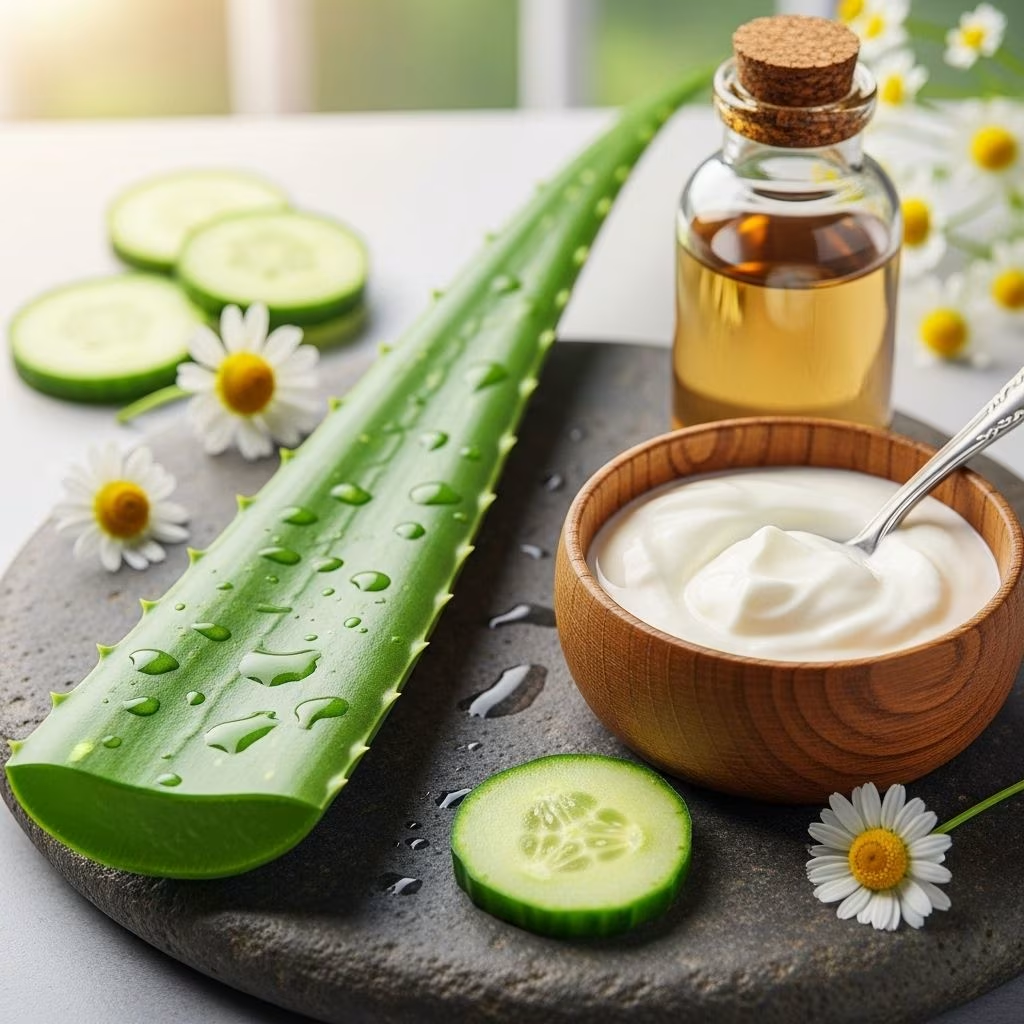
Cheap and Simple Sunburn Remedies That Really Work
Sunburn can strike unexpectedly and bring pain, redness, and peeling. While prevention is always best, when sunburn occurs, finding affordable and effective remedies is vital. This article explores practical, science-backed, and simple approaches to soothe, heal, and protect your skin from the discomfort of sunburn. Discover kitchen staples, pharmacy finds, and everyday methods to help your skin recover quickly and comfortably.
What Causes Sunburn?
Sunburn occurs when your skin is overexposed to ultraviolet (UV) rays, resulting in inflammation and cell damage. UV exposure can happen outdoors on sunny or cloudy days, and even through glass. The visible effects—redness, swelling, pain, blisters—are your body’s response trying to repair and defend itself.
Essential First Steps: Treating Sunburn Immediately
- Get out of the sun: Move into shade or indoors to prevent further UV damage.
- Cool the skin: Take a cool bath or shower, or use damp compresses to reduce heat and swelling.
- Keep hydrated: Drink plenty of water to help your body heal and prevent dehydration.
- Avoid aggravation: Wear loose, soft fabrics and avoid friction.
Home Remedies That Really Work for Sunburn
1. Vinegar for Quick Relief
Vinegar is a traditional remedy for sunburn. It contains acetic acid which may help reduce pain and inflammation. To use:
- Mix equal parts vinegar and cool water.
- Apply with a spray bottle or dab gently with a towel on the affected area.
- Cover with a clean, soft cloth such as a tea towel for overnight comfort.
Many users report significant pain relief and faster healing from this simple method.
2. Oatmeal Baths for Soothed, Calmed Skin
Oatmeal is rich in anti-inflammatory compounds. An oatmeal bath is a gentle way to soothe sunburned skin and help restore moisture:
- Finely grind 1–2 cups oatmeal and place in a clean sock or cloth bundle.
- Tie it off, then let it soak in a tub of tepid water.
- Soak for 15–30 minutes; gently pat yourself dry so you don’t irritate the skin.
This technique also works well for children or those with sensitive skin.
3. Aloe Vera: The Classic Soother
Aloe vera is renowned for its cooling, anti-inflammatory, and healing properties:
- Apply pure aloe vera gel generously on sunburned areas.
- Repeat throughout the day to relieve pain and speed up recovery.
- Choose pure aloe gel (without added fragrances or alcohol) for best results.
4. Hydrocortisone and Over-the-Counter Creams
For moderate to severe sunburn, hydrocortisone cream (1%) can help reduce redness, itching, and swelling. Avoid products with “-caine” ingredients like benzocaine, as these may irritate sensitive skin.
5. Zinc Oxide Cream: Skin Protection and Healing
Zinc oxide is widely used for diaper rash and skin protection. Its barrier-forming property blocks irritation and promotes healing:
- Apply a thin layer of zinc oxide cream to sunburned skin, especially sensitive areas like the scalp.
- Use Titanium dioxide-based cream if available, as both offer substantial UV protection when outdoors.
Zinc oxide and titanium dioxide do not absorb into the skin—they protect by sitting on the surface and physically blocking UV rays. Consider using these creams proactively during future sun exposures, especially if you have sensitive or frequently burned skin.
6. Baking Soda Baths
Baking soda (sodium bicarbonate) offers antimicrobial and anti-inflammatory benefits for sunburned skin:
- Add 2 ounces baking soda to a cool or tepid bath.
- Soak for up to 30 minutes to relieve discomfort, itching, and swelling.
7. Milk Compress: Nature’s Cooling Cloth
Proteins and fats in milk can soothe and cool sunburned skin:
- Soak a clean cloth in cool milk.
- Apply gently to the affected area for instant comfort and hydration.
8. Chamomile Tea Compresses and Baths
Chamomile tea’s anti-inflammatory properties can help calm redness and swelling:
- Brew strong chamomile tea and cool it completely.
- Soak a soft cloth and lay gently on sunburned skin.
- Drink chamomile tea to ease your system and promote overall healing.
9. Herbal Sunburn Soothers
Herbs such as calendula, plantain, comfrey, witch hazel, St. John’s wort, and lavender have cooling, wound-healing properties.
- Use as compresses, infused vinegars, sprays, or salves for gentle, natural relief.
- Apply only after test patching for possible sensitivities.
10. Over-the-Counter Pain Relief
Aspirin and ibuprofen can help manage pain and reduce swelling. Be cautious with aspirin—some populations should avoid it, including children and those with certain health conditions.
- Follow manufacturer’s directions for dose and duration.
11. Stay Hydrated to Support Recovery
Sunburn pulls water from your skin and body—rehydrate with frequent drinks of water, herbal teas, and electrolyte solutions.
12. Sleep and Rest
Your body needs extra rest to heal sunburn. Get plenty of sleep and avoid strenuous activities while your skin recovers.
What NOT to Do If You’re Sunburned
- Don’t pick or peel skin: Let sunburned skin shed naturally to avoid infection or scarring.
- Don’t pop blisters: If blisters develop, leave them alone—do not puncture them. They protect your skin and speed healing.
- Limit alcohol: Alcohol can further dehydrate your body—avoid it while healing.
- Avoid heavy creams: Creams with strong fragrances or alcohol may further irritate sunburned skin.
- Skip heavy sun exposure: Don’t expose healing skin to more sun. Protect burned areas with loose clothing or cover-up until fully healed.
Homeopathic and Alternative Approaches
Some practitioners and individuals report success with homeopathic remedies for sunburn, often using topical blends instead of oral preparations for faster relief. Safety is paramount—consult a knowledgeable provider before trying unfamiliar methods.
Prevention: Effective Ways to Avoid Sunburn in the Future
- Use physical sunscreens: Zinc oxide and titanium dioxide-based sunscreens provide broad-spectrum protection and are less likely to irritate sensitive skin.
- Wear protective clothing: Hats, long sleeves, sunglasses, and shade structures can significantly reduce UV exposure.
- Apply and reapply sunscreen: Use a broad-spectrum sunscreen (SPF 30+), and reapply every two hours—especially after swimming or sweating.
- Check the UV index: Avoid outdoor activities during peak sun intensity, usually midday.
- Boost your diet: Eat foods rich in vitamin C—strawberries, oranges, bell peppers—and antioxidants to help repair and protect skin.
Children, Elderly, and Sensitive Skin: Extra Caution
Sunburn can be particularly dangerous and painful for children, older adults, and anyone with sensitive skin. Always monitor their skin, hydrate frequently, and use gentle remedies after consulting a healthcare provider if needed.
Frequently Asked Questions (FAQs)
Q: Can I use vinegar on blisters?
A: Vinegar may sting open blisters; use only on unbroken skin, and seek medical attention for severe burns.
Q: What’s the best moisturizer for sunburn?
A: Aloe vera gel is widely recommended for its cooling and healing properties. Look for pure (fragrance-free) products.
Q: How do I know if my sunburn is severe?
A: Severe sunburn often includes intense redness, swelling, blisters, chills, nausea, or dizziness. If these occur, consult a healthcare professional.
Q: Are home remedies safe for kids?
A: Many remedies, such as oatmeal baths and aloe, are generally safe but always patch test first and consult your pediatrician for severe cases.
Q: Is it safe to exercise while sunburned?
A: Avoid strenuous activity while your body heals, and protect sunburned skin from friction or additional injury.
Q: Are herbal remedies effective for sunburn?
A: Herbs such as chamomile, calendula, and lavender offer anti-inflammatory and healing properties and can be used in baths, salves, or compresses, but always consult a provider before use.
Summary Table: Cheap Sunburn Remedies
| Remedy | How to Use | Benefit |
|---|---|---|
| Vinegar | Spray or dab on skin | Reduces pain and inflammation |
| Aloe Vera | Apply gel to skin | Soothes and heals |
| Oatmeal Bath | Soak in bath with ground oatmeal | Reduces itching, calms skin |
| Baking Soda | Add to cool bath | Soothes, antimicrobial |
| Milk Compress | Apply soaked cloth to skin | Cools and hydrates |
| Chamomile Tea | Compress or drink | Anti-inflammatory effect |
| Zinc/Titanium Cream | Apply to skin | Protects, heals |
| Hydrocortisone Cream | Apply thin layer | Reduces redness, itching |
Final Tips for Quick Recovery
- Monitor healing; consult a doctor if symptoms worsen or don’t improve in several days.
- Rest and hydrate to support your skin’s repair process.
- Layer remedies: Oatmeal bath first, follow with aloe gel, and cover with a soft cloth for maximum effect.
Sunburn is uncomfortable but manageable. With simple, affordable ingredients and mindful care, you can soothe your skin, avoid complications, and get back to feeling your best. Remember—prevention is always easier than treatment, so keep sun protection handy whenever you venture outdoors.
References
- https://www.wishgardenherbs.com/blogs/wishgarden/five-natural-remedies-sunburn
- https://www.webmd.com/skin-problems-and-treatments/remedies-for-sunburn
- https://www.wisebread.com/cheap-and-simple-sunburn-remedies-that-really-work
- https://www.brynmawrdermatology.com/10-tips-for-dealing-with-a-sunburn/
- https://www.wisebread.com/comments/%3Ca?page=3757
- https://www.wisebread.com/comments?page=2553
- https://www.wisebread.com/comments?page=2467
- https://www.wisebread.com/comments?page=1487
- https://www.wisebread.com/comments?page=2594


