


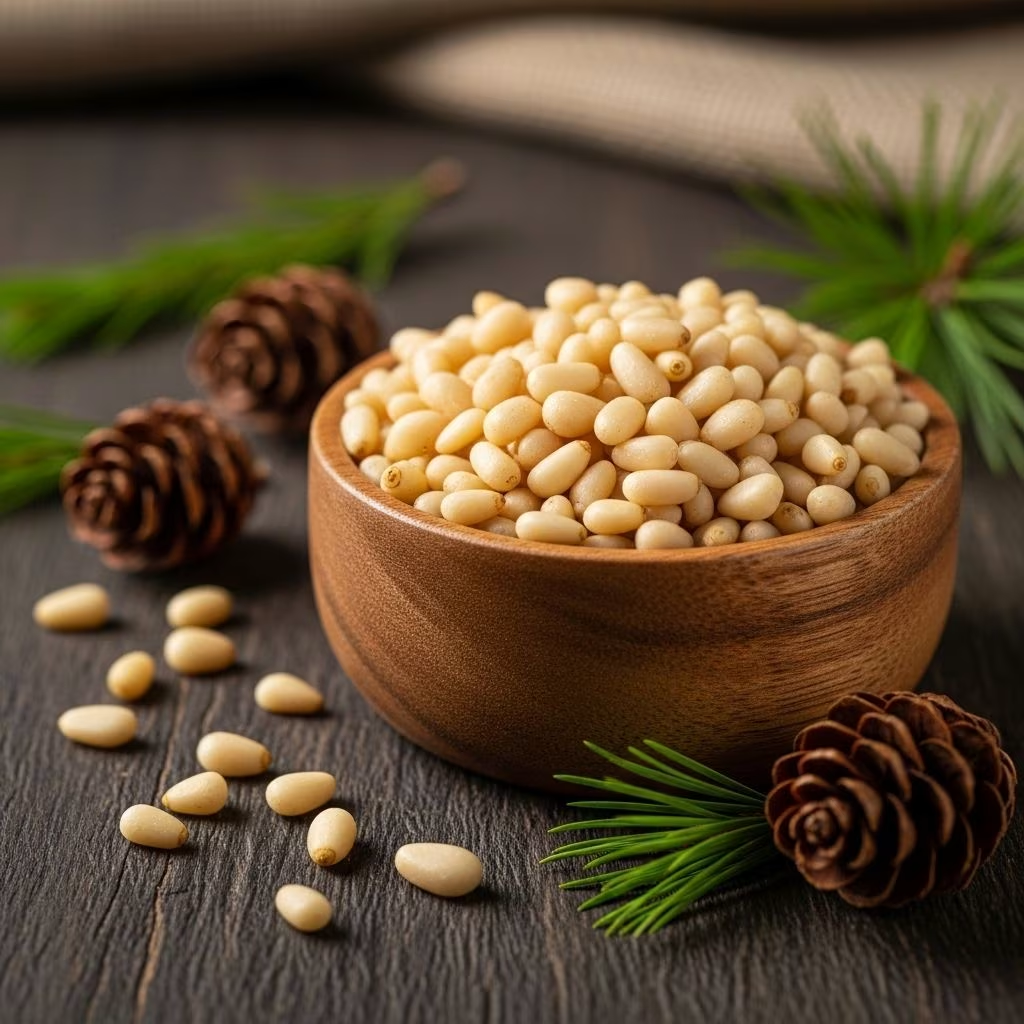
Pine Nuts: Nutrition, Culinary Uses, Health Benefits, and Taste
Pine nuts, prized for their delicate flavor and nutritional richness, are edible seeds harvested from specific species of pine trees. Cherished for thousands of years, these seeds contribute both flavor and nutrition to cuisines worldwide. This comprehensive article delves into their origins, health properties, culinary versatility, and the distinctive taste that makes pine nuts a gourmet favorite.
What Are Pine Nuts?
Pine nuts, also known as pignoli (Italy), piñon (Spanish), or pinoli, are the edible seeds produced by select species of pine trees. About 20 pine species yield seeds large enough to be harvested and consumed, with the most commercially important varieties coming from Europe, Asia, and North America. Botanically speaking, pine nuts are seeds, not true nuts—they lack an outer fruit layer, and nutrition is stored within the embryo or sporophyte.
Harvested pine nuts are initially encased in a hard shell, variable in thickness depending on the species. Once removed, the seeds are ready for culinary use or direct consumption.
Harvesting and Production
Pine nuts are extracted from pine cones, a process usually requiring up to three years for the cone to mature. After collection, the cones are left to dry so that seeds can be released, then cracked open to access the nut within. Commercial production is labor-intensive and varies by region, with Italy, Spain, and China among the main global suppliers.
- Pine nuts are primarily harvested by hand due to their delicate extraction process.
- Depending on the pine species and climate, trees are grown in Mediterranean, Asian, and North American rainforests and mountainous regions.
- Pine nuts are often frozen post-harvest to maintain freshness due to their susceptibility to rancidity.
| Region | Species | Characteristics |
|---|---|---|
| Europe (Italy, Spain, Portugal) | Pinus pinea | Longer, slender nuts; delicate, sweet flavor; main source of pignoli for Mediterranean cuisine. |
| Asia (China, Korea) | Pinus koraiensis, Pinus sibirica | Shorter, stubbier nuts; robust, nutty flavor. |
| North America (USA, Mexico) | Pinus edulis, Pinus cembroides | Larger nuts; thick shells; commonly called piñon or pinyon; rich taste. |
Varieties and Physical Characteristics
The type and appearance of pine nuts vary widely according to species:
- European pine nuts are typically longer and thinner, while Asian varieties tend to be shorter and rounder.
- American piñon nuts are notable for their larger size and relatively easy-to-remove shells.
- The nuts are pale, off-white to beige, and oval-shaped, measuring around 1–2 centimeters in length.
Only about 20 types of pine trees worldwide generate seeds large enough for culinary use. Common edible pine species include Pinus pinea (Stone pine), Pinus edulis (Pinyon pine), and Pinus koraiensis (Korean pine).
Nutritional Profile of Pine Nuts
Pine nuts provide a rich source of energy and nutrients, making them a valuable addition to a balanced diet. Their nutritional composition is characterized by healthy fats, protein, vitamins, minerals, and bioactive compounds.
- Healthy Fats: Pine nuts are abundant in monounsaturated and polyunsaturated fats, particularly linoleic acid (omega-6 fatty acid) and pinolenic acid.
- Protein: With about 13–15% protein by weight, pine nuts offer a plant-based protein source.
- Minerals: Rich in magnesium, zinc, iron, phosphorus, copper, and manganese, contributing to various metabolic processes and immune support.
- Vitamins: High in vitamin E (antioxidant) and vitamin K, along with small amounts of B vitamins.
- Calories: Due to their fat content, pine nuts are calorie-dense—approximately 650 calories per 100 grams.
- Dietary Fiber: Provides modest fiber, supporting digestion.
Pine nut oil, pressed from the seeds, retains many of these nutrients and is prized for its delicate taste.
Health Benefits of Pine Nuts
Consuming pine nuts can offer several essential health benefits due to their nutritional value:
- Heart Health: The high proportion of unsaturated fats, particularly monounsaturated fatty acids, support cardiovascular elasticity and healthy cholesterol levels.
- Weight Management: Some evidence suggests that pine nuts may suppress appetite thanks to pinolenic acid, which stimulates appetite-suppressing hormones.
- Antioxidant Power: Vitamin E and other bioactive compounds help combat oxidative stress and damage from free radicals.
- Blood Sugar Regulation: The fiber and healthy fats in pine nuts aid in managing blood sugar spikes, making them suitable for moderate intake in diabetic diets.
- Bone Health: Magnesium, zinc, and vitamin K present in pine nuts are important for maintaining bone mineral density.
- Immune Function: Zinc and antioxidants help fortify the body’s defense mechanisms.
Individuals with nut or seed allergies should consume pine nuts cautiously, as allergic reactions are possible but generally less common than with peanuts or walnuts.
Culinary Uses of Pine Nuts
Pine nuts are celebrated for their mild, buttery flavor and tender texture, which lends itself to many culinary applications worldwide:
- Pesto Sauce: In Italy, pine nuts (pinoli) form the backbone of traditional basil pesto, providing richness to the vibrant sauce.
- Baked Goods: Used in cookies, cakes, and breads such as Italian pignoli cookies or pinenut-infused loaves.
- Salads: Toasted pine nuts are sprinkled atop green or grain salads for added crunch and flavor.
- Main Courses: Mixed into rice, pasta, and vegetable dishes; paired with meats and fish; incorporated into Mediterranean stews and pilafs.
- Desserts: Featured in sweets and pastries, often alongside honey or dried fruits.
- Pine Nut Oil: Used as a gourmet finishing oil, often drizzled over salads or cooked dishes.
Toasting pine nuts enhances their aroma and taste while adding a pleasant crunch.
Taste and Flavor Profile
Pine nuts have a gentle, creamy, nutty flavor complemented by a faint hint of sweetness and resin. The taste varies slightly between varieties and regions, influenced by species, growing conditions, and post-harvest handling.
- European pine nuts are described as delicate with mild sweetness.
- Asian pine nuts tend to have a more robust, earthy undertone.
- American piñon pine nuts offer a richer, buttery flavor with a slightly stronger aroma.
The texture is soft and yielding when raw, becoming crisp and flavorful when toasted. Pine nut oil carries the same mild and pleasant aroma, ideal for finishing gourmet dishes.
Storage and Safety Tips
- Shelf-life: Unshelled pine nuts can be stored for extended periods in cool, dry conditions; however, once shelled, they must be consumed quickly due to rapid loss of freshness.
- Freezing: Freezing is recommended to prevent rancidity and prolong shelf life of shelled nuts.
- Rancidity: Due to high oil content, pine nuts spoil rapidly when exposed to humid, warm environments. Signs of spoilage include off odors, bitter taste, or discoloration.
Always purchase pine nuts from reputable sources to avoid pre-rancid batches, and store in airtight containers away from heat, moisture, and light.
Environmental and Cultural Significance
The harvesting and trade of pine nuts have shaped cultural practices and regional economies for centuries:
- Ancient History: Archeological evidence shows pine nuts were consumed in Mediterranean and Asian societies since the Paleolithic era.
- Indigenous Use: In the southwestern United States, Native American groups prized piñon pine nuts for sustenance and commerce.
- Traditional Festivals: Pine nuts are celebrated at harvest festivals in Italy, Spain, and parts of North America.
Environmental challenges, including habitat loss and climate change, threaten wild pine forests and traditional livelihoods associated with pine nut collection.
Pine Nuts in Global Cuisine
Pine nuts play a vital role in culinary traditions beyond their Mediterranean roots:
- Mediterranean: Featured in pesto, salads, sweets (e.g., Italian pignoli cookies), and savory rice dishes.
- Middle Eastern: Used in pilafs, kibbeh, baklava, and stuffed vegetables.
- Chinese and Korean: Served with rice cakes, stir-fries, and desserts.
- Native American: Roasted or ground into meal by tribes in the US Southwest.
As a globally traded commodity, pine nuts have adapted to diverse culinary uses, often as a luxury ingredient due to their price and labor-intensive extraction.
Frequently Asked Questions (FAQs)
Q: Are pine nuts a type of nut or seed?
A: Botanically, pine nuts are seeds harvested from pine cones, though they are often called “nuts” in cooking contexts.
Q: Are pine nuts safe for people with nut allergies?
A: While pine nuts are seeds, some individuals allergic to other nuts may react to pine nuts. Always consult a healthcare provider if unsure.
Q: What is pine mouth syndrome?
A: “Pine mouth syndrome” refers to a temporary bitter or metallic taste some people experience after eating certain batches of pine nuts. This effect typically resolves within a few days.
Q: Can pine nuts be eaten raw?
A: Yes, pine nuts can be consumed raw, but toasting them enhances their flavor and texture.
Q: What’s the difference between European, Asian, and American pine nuts?
| Type | Shape & Size | Flavor Notes |
|---|---|---|
| European | Long, thin | Mild, sweet |
| Asian | Round, short | Earthy, strong |
| American | Large, oval | Rich, buttery |
Summary
Pine nuts stand out as a unique ingredient, appreciated for their delicate taste, robust nutritional value, and storied cultural heritage. Whether enjoyed as part of a simple salad or featured in classic pesto sauce, their healthful properties and versatile flavor enrich cuisines the world over.
References
- https://en.wikipedia.org/wiki/Pine_nut
- https://www.britannica.com/topic/pine-nut
- https://treecrops.org.nz/pine-nut/
- https://kids.kiddle.co/Pine_nut
- https://thenutmarket.com.au/blogs/health-benefits/pine-nuts
- https://botanistinthekitchen.blog/2021/12/19/the-adoration-of-the-pine-nut/
- https://www.merriam-webster.com/dictionary/pine%20nut
- https://specialtyproduce.com/produce/Natural_PinePignolia_Nuts_736.php


