


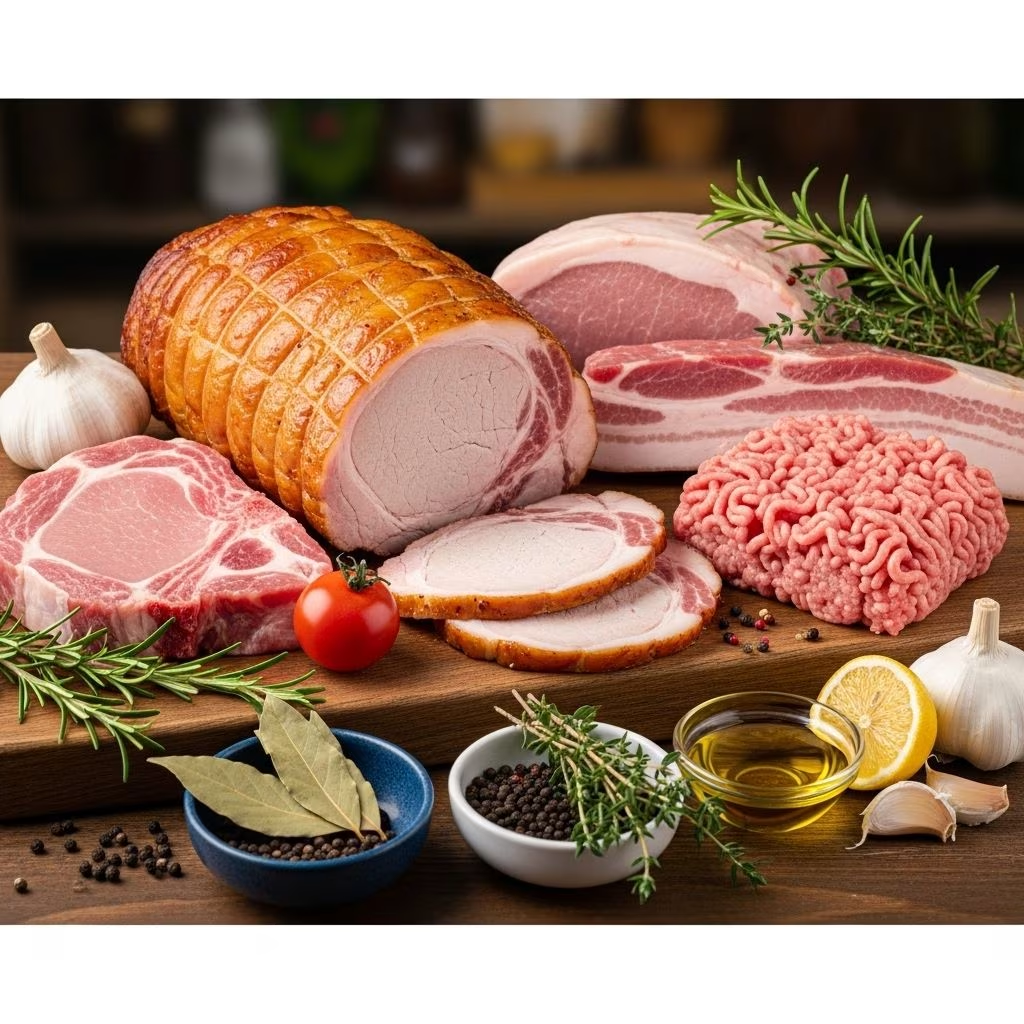
What Is Pork?
Pork refers to the meat harvested from domesticated pigs (Sus domesticus), commonly butchered when under a year old for optimal tenderness and flavor. Most pork available in retail settings and restaurants worldwide comes from animals six to nine months old, yielding lean cuts and a delicate taste due to the age and diet of the pigs.
The versatility of pork encompasses both fresh cuts and cured products. Curing by smoking, salting, or drying extends shelf life and enhances flavor, leading to popular products such as ham, bacon, and sausages.
- Pork is classified as a red meat, distinguished from poultry and fish.
- Cuts vary in fat content and tenderness, defined by the muscle and part of the pig they originate from.
- Pork is a staple in many cultures and forms the foundation for countless traditional dishes.
Nutritional Benefits of Pork
Pork is renowned for its high protein content and significant nutritional value, making it a key component in balanced diets. The macronutrient and micronutrient composition of pork provides substantial benefits:
- High-Quality Protein: Lean pork contains around 26% protein by weight, including all nine essential amino acids, which are necessary for growth, muscle repair, and maintenance.
- Vitamins: Rich in B vitamins, especially thiamin (B1), riboflavin (B2), niacin (B3), vitamin B6, and vitamin B12, all crucial for energy metabolism, nerve function, and red blood cell production.
- Minerals: Notable for its content of zinc and iron, which support immune health and oxygen transport in the body.
- Fat Content: Pork offers a balanced mix of saturated and unsaturated fats, with the proportion of fat varying by cut. Importantly, some cuts like tenderloin and leg are leaner than others.
Here is a summary of pork’s nutritional values based on a 100-gram (3.5-ounce) serving of cooked, ground pork:
| Nutrient | Amount per 100g |
|---|---|
| Calories | 297 kcal |
| Protein | 25.7 g |
| Fat | 20.8 g |
| Carbs | 0 g |
| Water | 53% |
The amino acid profile makes pork especially useful for athletes, growing children, recovering patients, or anyone needing muscle repair and maintenance. For comparison, pork offers similar or higher values for important nutrients than beef and chicken, especially in certain cuts.
Health Considerations
When eaten in moderation and prepared appropriately, pork can be part of a healthy diet. Scientific studies highlight several considerations:
- Fatty Acid Profile: Pork contains saturated fats (which should be limited in some diets) and monounsaturated fats, the latter contributing to meat tenderness and flavor.
- Low Carbohydrate Content: With virtually no carbohydrates, pork is compatible with low-carb and ketogenic diets.
- Leaner Cuts: Cuts such as pork tenderloin, leg, and chops have lower fat content, making them preferable for those managing fat intake.
Overconsumption of fatty or processed pork products, such as bacon, sausages, and cured meats, can contribute to health risks such as elevated cholesterol, hypertension, and increased risk of certain cancers. For optimal health benefits:
- Trim visible fat before cooking.
- Favor baking, broiling, and grilling over frying.
- Select lower-fat and lower-sodium processed meats.
Comparative Nutritional Table: Pork vs. Other Meats (per 100g)
| Meat Cut | Energy (kcal) | Total Fat (g) | Saturated Fat (g) | Monounsaturated Fat (g) | Polyunsaturated Fat (g) |
|---|---|---|---|---|---|
| Pork Loin | 131 | 4.7 | 1.6 | 1.6 | 0.8 |
| Chicken (no skin) | 110 | 2.0 | 0.5 | 0.7 | 0.4 |
| Beef, loin | 174.5 | 10.3 | 3.9 | 4.6 | 0.4 |
| Pork Chops | 288 | 23.8 | 8.2 | 7.9 | 3.9 |
| Pork Leg | 189 | 12.3 | 6.3 | 6.2 | 2.6 |
The nutritional variability among cuts empowers consumers to choose options that fit their dietary needs.
Popular Pork Cuts and Culinary Uses
Pork’s wide array of cuts makes it suitable for multiple cooking methods and cuisines. Common cuts include:
- Pork Tenderloin: The leanest and most tender cut, prized for roasting and grilling.
- Pork Chops: Versatile, can be grilled, pan-fried, or baked. Available bone-in or boneless.
- Pork Roasts: Ideal for slow-cooking, braising, or roasting for deeply flavored dishes.
- Pork Leg / Ham: Typically cured and smoked for ham, also roasted for holiday feasts.
- Pork Ribs: Best suited for grilling and barbecue, yielding succulent, flavorful meat.
- Pork Belly: Contains higher fat; used for crispy bacon and in Asian cuisine for rich texture.
Cured pork—like bacon, prosciutto, and pancetta—provides intense savory flavors due to extended processing.
Taste and Flavor Profile of Pork
Pork offers an exceptionally diverse flavor profile, both in its natural state and as an ingredient in processed foods. The main determinants of pork’s taste are:
- Fat Content: Higher fat generally equates to richer taste, enhanced juiciness, and increased tenderness.
- Quality Grade (QG): Premium grades (higher QG) have higher fat and unsaturated fatty acids, which is positively correlated with enhanced flavor, juiciness, and tenderness.
- Flavor Compounds: Pork produces flavor compounds such as aldehydes, alcohols, and hydrocarbons that develop during cooking and contribute to its signature savory aroma and taste.
- Cut and Preparation: Different muscle groups and preparation methods alter taste, ranging from mild in lean loin to robust and unctuous in belly and ribs.
Sensory evaluation studies confirm that pork with higher fat content and premium quality grades consistently yields superior flavor, tenderness, and overall eating experience. The muscle texture, color, and firmness also play supporting roles in defining the palatability of pork.
Flavor Table: Pork Cuts and Their Taste
| Pork Cut | Fat Content | Taste & Texture |
|---|---|---|
| Tenderloin | Low | Mild flavor, tender, lean |
| Chops | Medium | Savory, tender, moderately juicy |
| Belly | High | Rich, unctuous, intensely flavorful |
| Roast | Varies | Flavorful, hearty, varied tenderness |
| Ribs | Medium to high | Smoky, robust, very succulent when slow-cooked |
Common Cooking Techniques
Pork’s versatility enables preparation through various culinary methods, each emphasizing different aspects of the meat’s flavor and texture:
- Roasting: Ideal for larger cuts like loin and ham, imparting tender texture and concentrated flavors.
- Grilling/Barbecuing: Popular with chops, ribs, and belly, producing caramelized surfaces and enhanced aroma.
- Braising/Stewing: Suitable for tougher cuts; slow cooking breaks down connective tissue for melting tenderness and deep flavor.
- Pan-Frying/Sautéing: Quick methods for thin cuts or medallions, preserving juiciness and maximizing browning.
- Smoking/Curing: Used for hams, bacon, and sausages; prolongs shelf life and creates signature tastes.
Proper care should be taken to avoid overcooking lean cuts, which may result in dryness. Marinating and basting techniques help retain moisture and enhance flavor.
Pork in Global Cuisine
Pork stands as a cornerstone ingredient in many cultures, with signature dishes reflecting regional tastes and traditions:
- Chinese Cuisine: Dishes such as char siu (roast pork), twice-cooked pork, and sweet-and-sour pork celebrate the meat’s flexibility.
- German Cuisine: Famous for bratwurst, schnitzel, and roast pork with sauerkraut.
- American Cuisine: Barbecue ribs, pulled pork, and bacon define comfort and soul food.
- Italian Cuisine: Prosciutto, pancetta, and porchetta offer cured and roasted flavors.
- Spanish Cuisine: Jamón ibérico showcases pork’s luxurious side.
Across cultures, pork is enjoyed in stews, grills, roasts, and fried preparations, demonstrating its adaptability and widespread appeal.
Frequently Asked Questions (FAQ)
Q: Is pork safe to eat?
Pork is safe when cooked to an internal temperature of at least 145°F (63°C) for fresh cuts and 160°F (71°C) for ground pork. This eliminates potentially harmful pathogens and parasites.
Q: What are the healthiest ways to cook pork?
Healthier methods include baking, broiling, roasting, grilling, and steaming. These techniques limit the need for additional fats and help retain nutrients.
Q: Can pork be included in weight management diets?
Yes; lean cuts like tenderloin and loin are low in fat and calories, making them suitable for calorie-conscious eating plans.
Q: What are cured pork products?
Cured pork includes items preserved by smoking, salting, or drying—such as bacon, ham, and sausages. These often contain higher sodium, so moderation is advised.
Q: Why does pork taste different from beef or chicken?
Pork’s unique taste comes from its individual fatty acid profile and flavor compounds that develop during cooking, which differ from those found in beef or chicken.
Conclusion
Pork is a globally beloved meat for its nutritional value, versatile uses, and wide-ranging flavors. Choosing the right cut and preparation method allows it to fit various diets and cuisines, while its sensory qualities and tradition-rich background make it a centerpiece of meals worldwide. When enjoyed as part of a balanced diet with mindful cooking practices, pork remains a nutritious, flavorful, and rewarding choice for culinary enthusiasts.
References
- https://foodschoolhospitality.weebly.com/pork-characteristics.html
- https://www.healthline.com/nutrition/foods/pork
- https://pmc.ncbi.nlm.nih.gov/articles/PMC6722317/
- https://pmc.ncbi.nlm.nih.gov/articles/PMC11202857/
- https://academic.oup.com/jas/article-abstract/25/3/839/4700204
- https://en.wikipedia.org/wiki/Pork
- https://www.cookinghub.com/food-ingredient/types-of-pork-meat/
- https://colemannatural.com/blog/pork-cuts-101-essential-guide-to-different-cuts-of-pork/


