


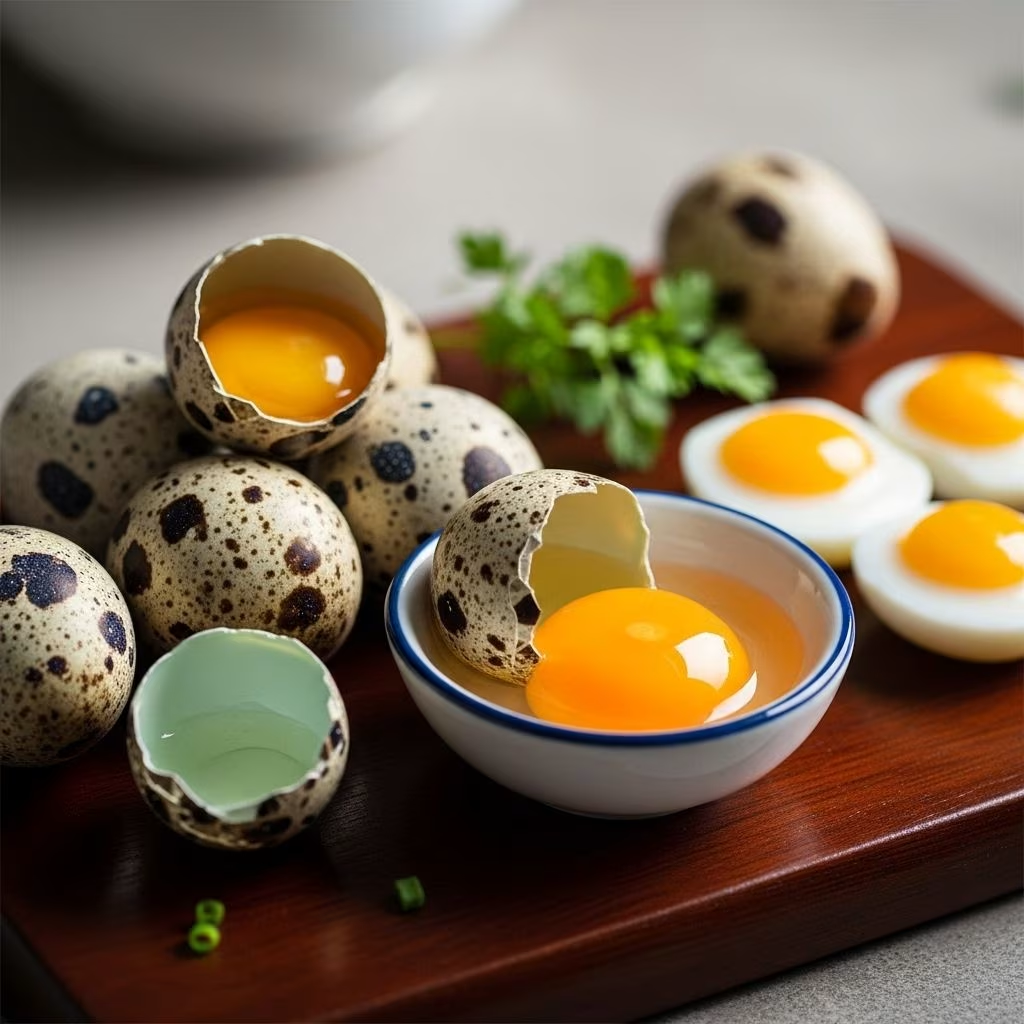
Quail eggs have fascinated culinary enthusiasts and nutritionists worldwide due to their petite size, ornate shells, rich nutritional profile, and unique culinary applications. These eggs are prized in many cultures not just as delicacies but as nutrient-dense superfoods with potential health advantages. This article provides an in-depth exploration into what makes quail eggs remarkable—covering their physical characteristics, health benefits, culinary uses, and unique taste.
Introduction to Quail Eggs
Quail eggs are the small, often speckled eggs laid by quails—a group of small game birds found worldwide. Most commercially available quail eggs come from the Japanese quail (Coturnix japonica), valued for both their prolific egg-laying capabilities and manageable size. These eggs have long been popular in Asian and European cuisines, but have gained recognition globally owing to their aesthetic appeal, nutrient density, and culinary flexibility.
Physical Characteristics of Quail Eggs
Quail eggs are instantly recognizable due to:
- Size: Typically weighing 9–11 grams, about one-third the size of a standard chicken egg.
- Shell Appearance: Color varies from white to brown, usually speckled or mottled with dark spots. Shell color and pattern are influenced by genetics and may affect certain quality parameters such as shell thickness and mineral content.
- Shape: Ovoid with a slightly elongated profile; the shape index of quail eggs (about 75%) closely resembles that of chicken eggs.
These ornamental shells are not just beautiful—they also impact the physical and biochemical features of the egg, including shell strength, mineral composition, and internal quality.
Parts of a Quail Egg
- Shell: Thin and fragile compared to chicken eggs, yet surprisingly strong relative to size.
- Albumen (egg white): Makes up about 60% of the egg’s total mass, with a slightly higher protein ratio than larger poultry eggs.
- Yolk: Accounts for roughly 30–33% of the egg by weight; noticeably rich and often more deeply colored than chicken egg yolks.
Nutritional Profile
Quail eggs pack an impressive array of macro- and micronutrients in their small size, making them remarkably nutrient-dense for their mass.
| Nutrient (per 100g) | Quail Egg | Chicken Egg | Ostrich Egg |
|---|---|---|---|
| Calories | 158 kcal | 155 kcal | 118 kcal |
| Protein | 13.1 g | 12.6 g | 12.2 g |
| Fat | 11.1 g | 10.6 g | 11.7 g |
| Carbohydrate | 0.4 g | 1.1 g | 1.1 g |
| Calcium | 64 mg | 50 mg | 54 mg |
| Iron | 3.65 mg | 1.75 mg | 2.80 mg |
| Vitamin A | 543 IU | 487 IU | 653 IU |
| Vitamin B12 | 1.6 mcg | 1.1 mcg | 1.1 mcg |
Note: Nutrient values are average estimates and can vary based on specific bird breed and diet.
- High in protein and contain all nine essential amino acids.
- Richer in iron, vitamin B12, zinc, and selenium compared to chicken eggs on a per-weight basis.
- High yolk-to-white ratio leads to greater concentrations of certain fat-soluble micronutrients like vitamin A and D.
Health Benefits of Quail Eggs
The consumption of quail eggs is associated with several potential health benefits, including:
- Hypoallergenic Properties: Quail eggs are often considered less allergenic than chicken eggs due to a different protein composition. Some people allergic to chicken eggs may tolerate quail eggs, but always consult an allergist first.
- Rich Source of Antioxidants: Contain bioactive compounds such as lysozyme, ovomucoid, and vitamins that may help combat oxidative stress.
- Support Healthy Growth and Repair: Their high protein and mineral content supports growth, muscle repair, and immune function.
- Good for Eye and Skin Health: Significant levels of vitamin A, lutein, and zeaxanthin promote healthy vision and skin.
- Cardiovascular Support: Presence of essential fatty acids, including omega-3s, contributes to lipid balance and cardiovascular health.
- Digestive Benefits: Easily digestible and suitable for children, elderly, or those recovering from illness.
- Possible Help for Anemia: High iron content can support those at risk for iron-deficiency anemia.
- Immune-Boosting Properties: Bioactive proteins and micronutrients may bolster immunity.
Culinary Uses and Preparation
Quail eggs are beloved for their versatility and elegance in both everyday cooking and gourmet cuisine. Their diminutive size and delicate flavor lend themselves to a variety of preparations.
Popular Culinary Uses
- Boiled: Hard- or soft-boiled quail eggs make attractive appetizers, canapés, or salad toppings. They require just 2–4 minutes to cook due to their size.
- Fried: Frequently featured as miniature sunny-side-up eggs on toast, sushi, or tapas.
- Pickled: Common in Asian and European cuisines; the eggs are marinated in seasoned vinegar or brine for snacks or garnishes.
- Raw: Sometimes used raw in sauces, sushi, or health tonics—but only when from confident sources due to risk of foodborne illness.
- Baked or Poached: Ideal in bite-sized quiches, frittatas, or elegant garnishes for soups and appetizers.
- Decorative Uses: Their distinctive coloration makes them popular in gourmet presentations and festive decorations.
Preparation Tips
- Cracking: Due to their fragile shell and strong inner membrane, use a sharp knife or special quail egg scissors to open them cleanly.
- Cooking Times: Soft boiling: 2 minutes; hard boiling: 3–4 minutes. Overcooking can lead to rubbery whites.
- Serving: Pair well with delicate herbs, mild cheeses, smoked fish, or caviar.
Taste and Texture
Quail eggs are renowned for their distinctive and luxurious eating experience:
- Flavor: Rich, slightly gamey, and unmistakably more robust than chicken eggs. The higher yolk-to-white ratio produces a creaminess and depth of flavor often described as “buttery” or “velvety”.
- Texture: Silky and smooth, with the yolk offering a pleasing fat content and the white remaining delicate and less rubbery than chicken eggs when cooked properly.
- Visual Appeal: Their petite size and beautiful coloration elevate the visual impact of any dish.
Quail Eggs vs. Chicken Eggs
| Feature | Quail Eggs | Chicken Eggs |
|---|---|---|
| Size | ~9–11g per egg; about 1/3 size | ~50–60g per egg |
| Shell | Speckled, variable color, fragile | Single-colored (white or brown), sturdy |
| Taste | Rich, creamy, slightly gamey | Mild, familiar flavor |
| Nutrition (per 100g) | Higher iron, B12, and yolk ratio | Lower in iron, more egg white |
| Allergenicity | Less likely to trigger allergy in some | Common allergen |
| Uses | Appetizers, garnishes, fine dining | Breakfast, baking, general cooking |
Potential Allergies and Safety
- Egg Allergy: While quail eggs contain proteins different from those in chicken eggs and may be tolerated by some with chicken egg allergy, allergic reactions are still possible. Always consult a medical professional before substituting.
- Raw Consumption: Due to risk of salmonella and other pathogens, consuming raw or undercooked quail eggs is only recommended if sourced from reliable, hygienic producers.
- Cholesterol: Quail eggs are relatively high in dietary cholesterol, though recent science suggests dietary cholesterol’s effect on heart disease is complex and individualized.
Frequently Asked Questions (FAQs)
How many quail eggs equal one chicken egg?
On average, three to four quail eggs equal the volume of one medium chicken egg.
Are quail eggs healthier than chicken eggs?
Quail eggs are generally higher in certain nutrients—such as iron, vitamin B12, and healthy fats—on a per-gram basis. However, both eggs are nutritious, and the “healthier” choice depends on individual dietary needs.
Can people with chicken egg allergies eat quail eggs?
Some people allergic to chicken eggs tolerate quail eggs, as they contain different proteins. Nonetheless, all egg-allergic individuals should consult an allergist before trying them.
How do you peel boiled quail eggs easily?
After boiling, cool the eggs in ice water, gently roll them to crack the shell, then peel carefully. Quail eggshells are thinner but have a tough inner membrane, so peeling requires a gentle touch.
Are quail eggs safe for children and pregnant women?
Quail eggs are safe when thoroughly cooked and appropriately sourced. Their rich nutrition can be beneficial for children and pregnant women, but moderation is key due to cholesterol content.
What is the shelf life of quail eggs?
When refrigerated, quail eggs typically last up to four weeks. Always check for freshness before use.
Conclusion
Quail eggs are a blend of aesthetic beauty, tremendous nutrition, and culinary sophistication. Whether enjoyed for their health benefits, unique taste, or sheer visual appeal, these petite eggs are worthy additions to any diet or kitchen repertoire. Their rising popularity is a testament to their versatility and value—from nutritious breakfasts to gourmet hor d’oeuvres. As with any food, ensure quality, freshness, and, when necessary, consult health professionals—especially for those with food allergies.
References
- https://pmc.ncbi.nlm.nih.gov/articles/PMC10776635/
- https://www.igbzpan.pl/uploaded/FSiBundleContentBlockBundleModelTranslatableBlockTranslatableFilesElement/filePath/2625/str203-214.pdf
- http://www.isez.pan.krakow.pl/journals/folia/pdf/62(4)/62(4)_01.pdf
- https://springcreekquail.com/us/blog/quail-eggs-vs-chicken-eggs
- https://www.healthline.com/nutrition/quail-eggs-benefits
- https://www.kikkoman.com/en/cookbook/glossary/quaileggs.html


