


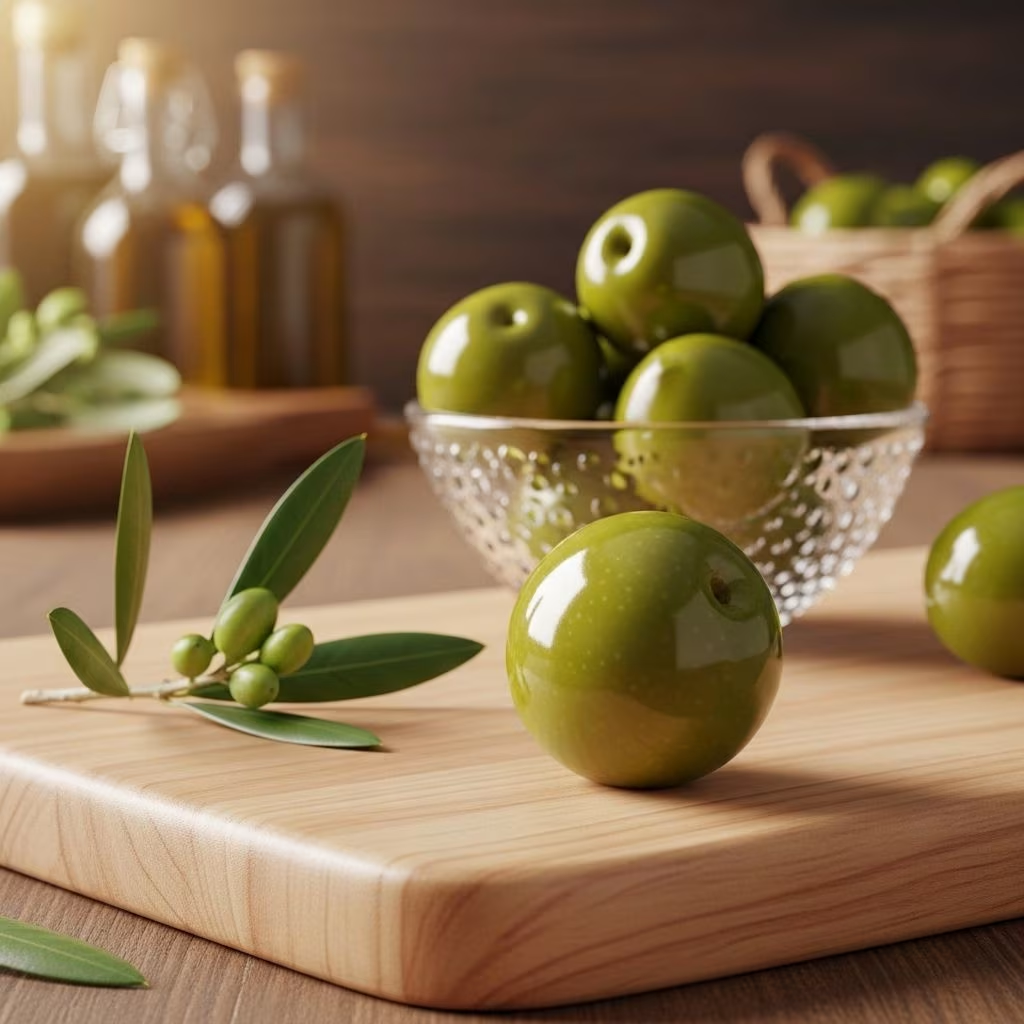
The Queen Olive, famed for its large size and luxurious flavor, is a superior variety of olive hailing primarily from the sun-soaked groves of Spain. This olive is renowned for its unique taste, impressive size, versatile culinary uses, and notable health benefits. In this comprehensive guide, we’ll explore every aspect of the Queen Olive—its origin, characteristics, nutritional advantages, how it is used in cuisine, and what flavors you can expect from this regal fruit of the Mediterranean.
Origin and History of the Queen Olive
The Queen Olive, often called aceituna de la reina in Spanish, has its roots deep within the olive-growing tradition of southern Spain, particularly in the region of Seville in Andalusia. Historical records trace its cultivation to at least the early 20th century, with its reputation for quality and size spreading rapidly.
Spain, the world’s largest olive producer, is recognized for developing notable olive cultivars, and the Queen Olive is considered one of the most prestigious—reputed for its fleshy pulp and delicate flavor. Internationally, the Queen Olive is revered and exported to major culinary destinations across the globe.
Identifying Queen Olive: Size, Shape, and Appearance
- Size: The Queen Olive is significantly larger than most olive varieties, making it an instant standout on any dish or snack tray.
- Shape: Oblong and slightly asymmetrical, Queen Olives have a characteristic oval form.
- Color: Usually harvested while still green, lending the fruit its distinctive bright, fresh hue.
- Pit: Despite the olive’s size, the pit is small and elongated, allowing for a high pulp-to-pit ratio.
- Texture: Fleshy and meaty, with a firm bite yet silky-smooth exterior.
Due to their plumpness and visual appeal, Queen Olives often serve as both a centerpiece and a flavorful accent in Mediterranean cuisine.
Cultivation and Harvesting Process
The Queen Olive thrives in the Mediterranean climate, where hot, dry summers and mild winters favor olive tree growth. Cultivation involves careful pruning and irrigation to ensure the fruit achieves maximum size and flavor. Harvesting is typically performed by hand to prevent bruising, and the olives are picked while still green to maintain their characteristic firm texture and subtly nutty profile.
Processing and Curing Methods
Once harvested, Queen Olives undergo a meticulous curing process to remove natural bitterness and develop their unique flavors. The primary curing methods used for Queen Olives include:
- Brine Curing: The most traditional method, involving soaking the olives in a saltwater solution. This process can take several weeks and produces a balanced flavor and firm texture.
- Lye Curing: Used to expedite the debittering process and produce a milder flavor profile, though purists often prefer brine-cured olives for their depth of flavor.
The olives may then be pitted, stuffed, or left whole, depending on their intended culinary use.
Nutritional Value and Health Benefits
Queen Olives are far more than a delicious snack; they embody a treasure trove of nutrients linked to the fabled Mediterranean diet. Key health benefits include:
- Healthy Fats: Rich in monounsaturated fatty acids, particularly oleic acid, which has been shown to support cardiovascular health and lower ‘bad’ LDL cholesterol while boosting ‘good’ HDL cholesterol.
- Antioxidants: Packed with powerful polyphenols and vitamin E, Queen Olives combat oxidative stress and inflammation, potentially protecting against chronic diseases.
- Fiber: A good source of dietary fiber, aiding in digestion and promoting a feeling of fullness.
- Low Calorie, Low Carb: With roughly 37 calories per 7-olive serving, they are considered a guilt-free, nutrient-dense snack.
- Vitamins and Minerals: Contribute small yet beneficial amounts of iron, copper, and calcium, essential for blood health and bone strength.
| Nutrient | Value |
|---|---|
| Calories | 115–145 kcal |
| Fat | 11–15g (mainly monounsaturated) |
| Protein | 0.8–1.5g |
| Carbohydrates | 3.0–6.0g |
| Fiber | 2.5–3.5g |
| Sodium | 800–2000mg (depending on curing method) |
| Vitamin E | 1.5–2.5mg |
These values are approximate and vary based on curing and storage methods, as well as whether the olives are plain or stuffed.
Culinary Uses of Queen Olives
Versatile and visually impressive, Queen Olives are featured in a wide array of recipes and presentations:
- Appetizers and Tapas: Served whole or pitted as part of Mediterranean hors d’oeuvres.
- Stuffed Olives: Frequently pitted and filled with ingredients like pimientos, garlic, blue cheese, almonds, or anchovies, making them a gourmet treat.
- Salads and Grain Bowls: Add texture and savory depth to green salads, grain dishes, and roasted vegetable mixes.
- Cocktail Garnish: A classic in martinis and other cocktails, offering both visual and flavor appeal.
- Cooking: Chopped or sliced in pasta, sauces, and baked dishes to impart richness and subtle saltiness.
The Queen Olive’s sturdy flesh makes it especially suited for stuffing, and their size means they hold their shape and texture with various fillings.
Taste Profile: What Do Queen Olives Taste Like?
The Queen Olive boasts a sophisticated and wide-ranging flavor profile that can appeal to both seasoned olive aficionados and newcomers alike. Key tasting notes include:
- Rich and Bold: More pronounced and layered flavors compared to smaller or common olive varieties.
- Silky Smooth Texture: The exterior is smooth and velvety, making each bite satisfyingly substantial.
- Slightly Nutty and Spicy: Especially when cured traditionally, with hints of almond and mild pepper.
- Delicate, Mild Bitterness: Balanced by a briny tang that is less sharp than some more common green olives.
- Subtle Sweetness: Particularly evident in brine-cured and stuffed varieties.
When served cold, Queen Olives offer a refreshing yet savory burst that compliments cheeses, meats, and other robust Mediterranean flavors.
Queen Olives Compared to Other Olive Varieties
| Feature | Queen Olive | Manzanilla Olive | Hojiblanca Olive |
|---|---|---|---|
| Size | Very large, meaty | Medium, round | Medium-large, oval |
| Color When Cured | Green | Green | Violet to black |
| Texture | Firm, fleshy, silky | Soft, tender | Firm, sometimes slightly chewy |
| Flavor | Bolder, nutty, spicy, mildly bitter | Mild, buttery, slightly tangy | Sharp, tangy, sometimes smoky |
| Popular Uses | Stuffed, hors d’oeuvres, snacking | Table olives, salads, tapenade | Black olives, seasoning, olive oil |
Storing and Serving Suggestions
- Refrigeration: Store opened jars of Queen Olives in their brine in the refrigerator to preserve firmness and flavor.
- Serving Temperature: Best enjoyed chilled to highlight their silky, refreshing qualities.
- Presentation: Serve whole, sliced, or halved in bowls, on platters, or skewered with complementary ingredients (such as feta, tomatoes, or cured meats).
Unopened Queen Olive jars or tins should be kept in a cool, dark pantry. Once opened, submerge them in their original brine and consume within a couple of weeks for optimal taste.
Popular Recipes Featuring Queen Olives
There are countless creative ways to enjoy Queen Olives. Here are a few gourmet-tested favorites:
- Classic Stuffed Queen Olives: Pit the olives and stuff with pimento, almonds, or blue cheese. Chill before serving for extra crunch.
- Mediterranean Tapas Board: Arrange Queen Olives with manchego cheese, cured meats, roasted red peppers, and crusty bread.
- Queen Olive and Citrus Salad: Sliced Queen Olives, segments of orange, fennel, arugula, and a tangy vinaigrette.
- Tapenade Spread: Blend Queen Olives, capers, lemon zest, and olive oil into a textured spread for toast or seafood.
- Grilled Vegetable and Olive Skewers: Alternate pieces of sourdough, zucchini, bell peppers, and Queen Olives. Brush with olive oil and grill until golden.
Frequently Asked Questions (FAQs)
Q: Are Queen Olives the same as Spanish olives?
A: Queen Olives are a type of Spanish olive, specifically renowned for their size and flavor and mainly cultivated in the Seville region of Andalusia.
Q: Are Queen Olives always stuffed?
A: No, while they are popular for stuffing due to their size, Queen Olives are also enjoyed plain, pitted, or sliced in salads and cooked dishes.
Q: What makes Queen Olives healthier than regular green olives?
A: It’s not that they’re strictly healthier, but their large size offers a higher pulp-to-pit ratio, and they are rich in heart-healthy fats, fiber, and antioxidants—as are most olives.
Q: Can I use Queen Olives in cooking and baking?
A: Absolutely. Their firm texture holds up well in both hot and cold dishes. Use them in baked breads, pasta, or atop roasted vegetables.
Q: How should I store leftover stuffed Queen Olives?
A: Store them in their brine in the refrigerator, making sure the fillings are not exposed to air. Consume within two weeks for peak flavor.
Conclusion
Queen Olives truly live up to their regal name—a delicacy of Spanish origin that offers a delectable combination of size, flavor, and versatility. Their unique taste and unmistakable presence make them a staple in Mediterranean cuisine, beloved by chefs and home cooks alike. Whether savored on their own, stuffed and chilled, or worked into imaginative recipes, Queen Olives bring gourmet flair and wholesome nutrition to every table.
References
- https://cide.en-academic.com/142951/Queen
- https://www.haveanoliveday.eu/european-origin/varieties-presentations
- https://en.wiktionary.org/wiki/queen_olive
- https://onelook.com/?loc=olthes1&w=queen+olive
- https://dictionary.cambridge.org/us/dictionary/english/queen-olive
- https://www.dictionary.com/browse/queen-olive
- https://www.webstaurantstore.com/guide/927/types-of-olives.html


