


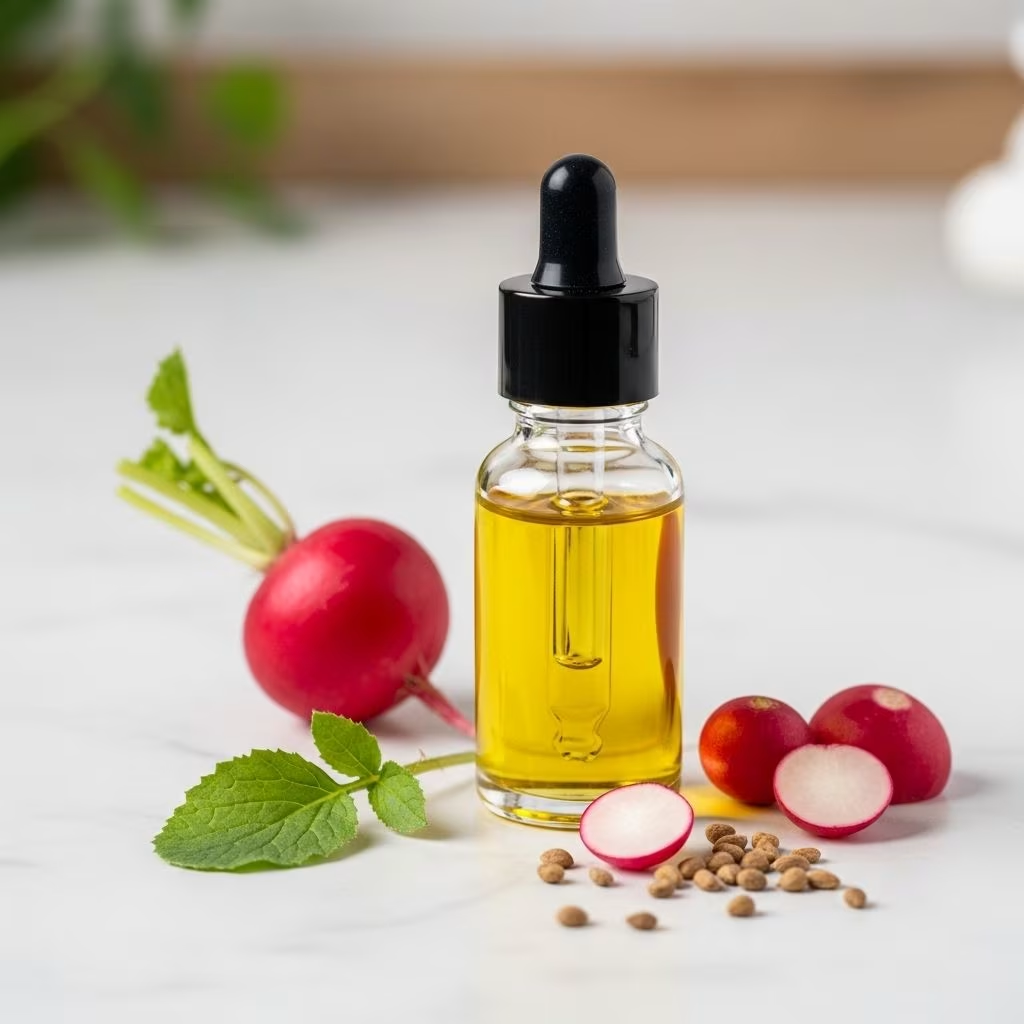
Scientific innovation and natural wellness experts increasingly highlight radish seed oil as an exceptionally versatile, nutrient-rich oil for hair and scalp care. Derived from the seeds of the Raphanus sativus (radish) plant, this lightweight oil is making its mark as a natural, effective alternative to synthetic silicones and traditional hair oils. In this definitive guide, explore the unique hair benefits, discover usage strategies, and learn expert tips on integrating radish seed oil into your daily routine for stronger, shinier, and healthier hair.
What is Radish Seed Oil?
Radish seed oil is extracted from radish seeds, typically using cold-pressing methods that preserve its rich concentration of nutrients and active compounds. Cold-pressed radish seed oil retains:
- Omega-3, -6, and -9 fatty acids
- Vitamins A, B6, C, E, and K
- Folic acid and zinc
- Palmitic, oleic, linoleic, gadoleic, stearic, and erucic acids
This unique blend delivers potent hydration, nourishment, and protective antioxidant effects for both hair and scalp.
Cold Pressing: Why It Matters
Cold-pressing means using mechanical pressure without heat or solvents, which ensures radish seed oil maintains its full spectrum of beneficial nutrients. This method results in a lightweight, fast-absorbing oil perfect for even fine or oily hair types.
Key Nutritional Profile of Radish Seed Oil
The powerful effects of radish seed oil on hair health are due to its rare composition of:
| Nutrient | Benefit for Hair |
|---|---|
| Omega-3, 6, 9 Fatty Acids | Deeply hydrate scalp and shaft, repair split ends |
| Vitamin E | Antioxidant protection, repairs environmental damage |
| Vitamin A (Retinol) | Encourages healthy sebum balance, supports follicle renewal |
| Vitamin B6 | Soothes scalp irritation, reduces flakiness |
| Gadoleic & Erucic Acids | Create slip and shine, similar to silicones but natural |
| Zinc | Supports scalp health, may help reduce dandruff |
Top Hair Benefits of Radish Seed Oil
Radish seed oil is quickly becoming an essential for anyone seeking healthier, shinier, and stronger hair. Here are the leading benefits supported by research and user experience:
- Strengthens Hair Follicles: Deep nourishment helps fortify hair at the root, making strands less prone to breaking and shedding.
- Promotes Healthy Growth: Stimulates the follicles and scalp microcirculation, supporting new hair growth and reducing thinning.
- Adds Shine and Luster: The unique fatty acid profile delivers a natural sheen, making hair appear healthy and vibrant.
- Reduces Frizz and Tangles: Provides natural slip, detangling hair easily and taming wild frizz without heaviness.
- Soothes Dry, Itchy, or Irritated Scalp: Antioxidant and anti-inflammatory qualities help calm scalp issues, reducing redness, irritation, and flaking.
- Moisturizes Without Greasiness: Unlike some plant oils, radish seed oil absorbs rapidly, leaving the hair soft but not oily.
- Natural Silicone Alternative: Mimics the smooth, shiny finish of silicones found in popular hair serums but is fully plant-based and replenishing.
- Color Protection and Oxidative Stress Defense: Vitamin E and other antioxidants protect hair color and structural integrity from sun and pollution.
Who Should Use Radish Seed Oil?
- Individuals with dry, coarse, frizzy, or damaged hair seeking deep hydration
- Those with fine or oily hair needing lightweight moisture and shine
- Anyone sensitive to silicones or synthetic additives in haircare products
- Scalp sufferers (itch, flake, redness, mild dermatitis)
How to Use Radish Seed Oil for Hair
Maximize the haircare benefits of radish seed oil by applying it in ways that suit your scalp, hair type, and desired results.
Basic Application Methods
- Pre-Shampoo Scalp Treatment: Massage 2-3 teaspoons of radish seed oil into the scalp and roots. Wait 20-60 minutes before shampooing to nourish follicles and relieve dryness.
- Leave-In Serum: Rub a few drops between palms and smooth over damp or dry hair, focusing on mid-lengths and ends. Detangles and adds shine without residue.
- Split End Sealer: Apply tiny amounts to the very ends of hair after styling to help minimize split ends and frizz.
- Mix-in Booster: Add several drops to your favorite shampoo, conditioner, or mask for a hydrating and reparative boost.
- Overnight Treatment: Apply to scalp and through lengths, cover hair, and shampoo in the morning for intense softening and shine.
Frequency of Use
Radish seed oil can be used 2–3 times per week for most hair types, or daily in tiny amounts for leave-in gloss. Those with very fine hair may prefer a weekly application or light usage as a serum.
DIY Haircare Recipes with Radish Seed Oil
Revitalizing Scalp Massage Oil
- 1 tablespoon cold-pressed radish seed oil
- 5 drops rosemary essential oil (optional, for hair growth support)
- Gently warm and massage into scalp for 5–10 minutes before shampooing
Shine & Frizz Taming Serum
- 1 teaspoon radish seed oil
- 2–3 drops argan or jojoba oil
- Mix and smooth over dry flyaways, focusing on ends and mid-lengths
Deep Conditioning Mask
- 2 tablespoons radish seed oil
- 1 tablespoon coconut or avocado oil
- Apply to damp hair, cover, and leave for 1 hour before rinsing thoroughly
Expert Usage Tips and Application Methods
- Patch Test First: Before using any new oil, test on a small skin area to rule out allergies or sensitivities.
- Don’t Over-Apply: A little goes a long way; start with just a few drops and build as needed for your hair type.
- Blend for Personalization: For added benefits, mix radish seed oil with other oils (argan, jojoba, castor) or add a drop of essential oil (rosemary, lavender) for targeted scalp support.
- Avoid Scalp Build-Up: If you have oily scalp, limit application to ends or use pre-shampoo instead of leave-in methods.
- Use on Damp Hair: Applying to towel-dried hair seals in moisture better than on fully dry hair.
- Pair with Heat Styling (Safely): Use a tiny amount as a heat protectant before blow-drying, but avoid excessive heat with oil to prevent frying strands.
Who Should Be Cautious?
Individuals with a known radish or seed oil allergy should avoid use, and those with extremely fine, limp, or oily hair should use sparingly to prevent limpness or greasy feel.
Safety, Precautions, and Allergies
- For External Use Only: Radish seed oil is intended for topical hair and skin applications, not consumption.
- Allergy Check: Perform a patch test 24 hours before full application, especially if you have sensitive skin or known allergies to seeds.
- Storage: Store in a cool, dark place to prevent oxidation and maintain efficacy.
- Interactions: Generally safe for all ages, but consult a doctor before use during pregnancy, breastfeeding, or if prone to allergies.
Frequently Asked Questions (FAQs)
Q: Is radish seed oil suitable for all hair types?
A: Yes, its lightweight texture works for fine to thick and curly hair. Use smaller amounts for fine or oily hair, and more for dry/curly or coarse hair.
Q: Can radish seed oil cause buildup?
A: It absorbs quickly and is less likely to create buildup compared to heavier plant oils or silicones, but overapplication—especially on fine hair—may still weigh hair down. Shampoo regularly.
Q: How does radish seed oil compare to argan oil or coconut oil?
| Feature | Radish Seed Oil | Argan Oil | Coconut Oil |
|---|---|---|---|
| Absorption | Fast, lightweight | Medium | Medium to slow, can be greasy |
| Slip/Detangling | Excellent, silicone-like | Good | Limited |
| Oily Residue | Very little | Some | High if overused |
| Best For | All hair (esp. fine/normal) | Dry, damaged | Very dry, curly |
Q: Can radish seed oil promote hair growth?
A: Its nourishing, scalp-stimulating properties can support healthy follicle function and create optimal conditions for hair growth, though genetics and overall routine also play key roles.
Q: Is it safe for color-treated hair?
A: Yes. The antioxidant protection may even help preserve color vibrancy and reduce fading from sun exposure.
Summary & Key Takeaways
- Radish seed oil is a high-performance, all-natural hair and scalp oil with a unique blend of fatty acids, vitamins, and minerals.
- It is especially effective for strengthening, hydrating, adding shine, minimizing frizz, and supporting overall scalp health.
- Safe for most hair types, it offers a lightweight, non-greasy alternative to silicones and other common oils.
- Easy to use as a pre-shampoo treatment, leave-in serum, split end repairer, or ingredient in DIY masks.
- Always patch-test before use, and adjust quantity to fit your hair’s needs.
- If you’re looking to upgrade your haircare routine with a scientifically supported natural oil, radish seed oil is worth a try!
References
- https://inky-ingredients.com/blogs/news/cold-pressed-radish-seed-oil-in-natural-wellness-formulations
- https://www.newdirectionsaromatics.com/blog/radish-seed-carrier-oil-nutrient-rich-food-to-nourish-your-skin-and-hair/
- https://suyashayurveda.com/product/radish-seed-oil/
- https://www.youtube.com/watch?v=bPBqVMFKDlk
- https://www.cosmeticsandtoiletries.com/cosmetic-ingredients/natural-sustainable/article/21835752/natural-plant-products-inc-daikon-seed-extract-a-unique-chemistry-for-hair-and-skin
- https://pmc.ncbi.nlm.nih.gov/articles/PMC3723324/
- https://www.clinikally.com/blogs/news/discover-daikon-radish-oil-secret-to-luminous-hydrated-skin
- https://www.bareluxeskincare.com/blogs/elevated-simplicity/best-oil-for-hair


