


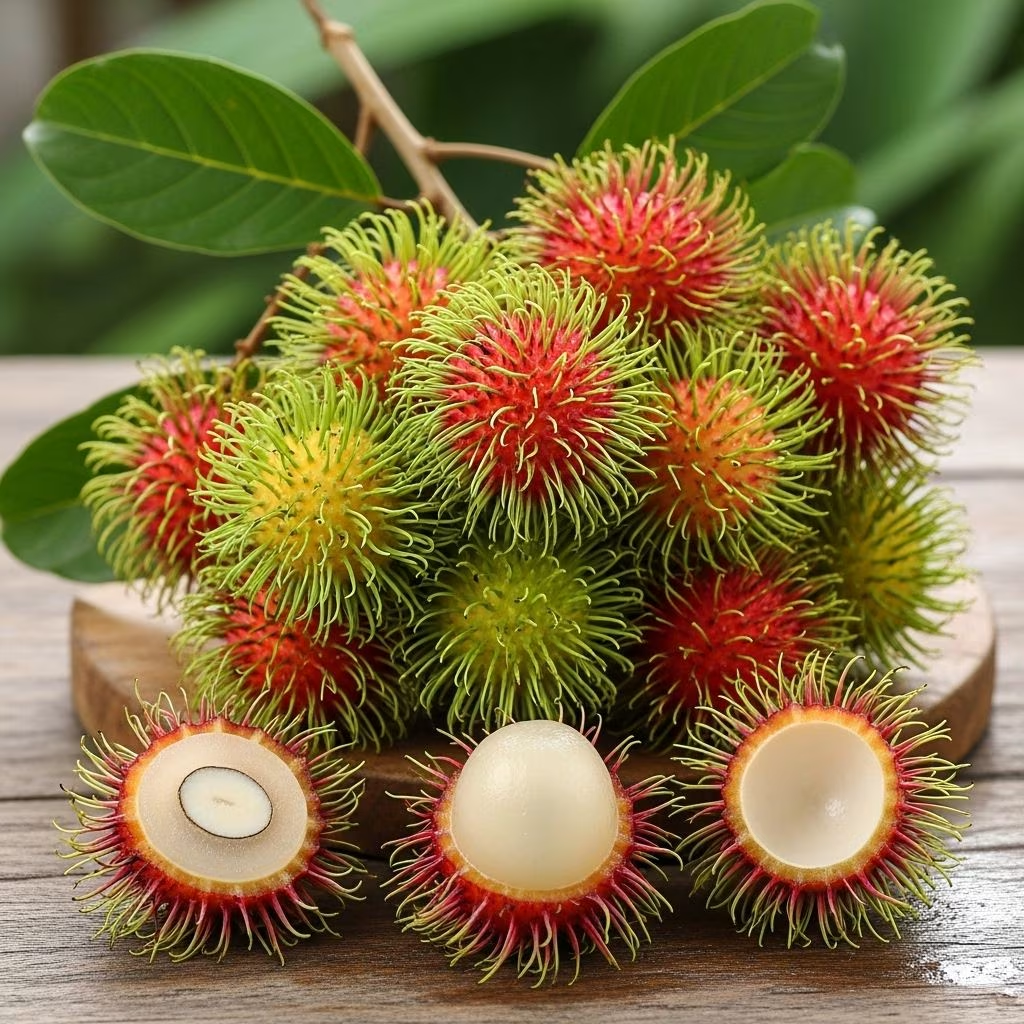
What Is Rambutan?
Rambutan (Nephelium lappaceum) is an exotic tropical fruit originating from Southeast Asia, recognized for its distinctive hairy exterior and sweet, juicy flesh. It grows on evergreen trees from the Sapindaceae family and shares a close relation with lychee and longan. The fruit is cherished for its succulent aril, which is consumed fresh, while its unusual appearance makes it instantly recognizable.
Origin and History
Rambutan is native to Malaysia, Indonesia, Thailand, and other tropical regions of Southeast Asia. The name “rambutan” comes from the Malay word “rambut,” meaning “hair,” a direct reference to the fruit’s hairy spines. Over centuries, rambutan cultivation has expanded beyond Asia to Central America, Africa, and parts of the Caribbean. Its popularity has grown alongside the global demand for unique and nutritious exotic fruits.
- Originally cultivated in Southeast Asia’s humid, tropical lowlands
- Now grown in tropical zones around the world
- Appreciated both as food and an ornamental tree for its vibrant fruit and foliage
Botanical Description
- Tree: Evergreen, reaching heights of 15–24 meters
- Leaves: Alternate, pinnate, with 3–11 large leaflets
- Flowers: Tiny (2.5–5 mm), apetalous, forming large terminal clusters
- Fruit: Oval to round drupes, 3–6 cm long, borne in clusters of 10–20 fruits
The rambutan fruit has a firm, leathery rind covered with soft, fleshy spines (“spinterns”) that create its signature appearance. Underneath the rind, the edible flesh ranges from translucent white to pale pink, surrounding a single, brown glossy seed. The fruit develops from flowers that attract numerous pollinators, especially bees and flies, which are vital to its production.
Rambutan vs. Related Fruits: Lychee and Longan
| Characteristic | Rambutan | Lychee | Longan |
|---|---|---|---|
| Outer Skin | Leathery, hairy spines | Thin, bumpy, pink-red | Thin, smooth, brown |
| Flesh | Translucent, juicy, mild tang | Firm, sweet, floral | Translucent, mild, musky |
| Seed | Large, oblong, bitter if raw | Small, round | Small, round |
| Origin | Malaysia/Indonesia/Thailand | China/Vietnam | South China/Southeast Asia |
Nutrition and Composition
The edible part of rambutan (the aril) is low in calories and rich in water, providing vital micronutrients and several bioactive compounds.
- Water: ~78%
- Carbohydrates: ~21% (mainly simple sugars)
- Protein: ~1%
- Fat: Negligible content in pulp, but seeds are a source of healthy fats
- Calories: 82 kcal per 100g (canned in syrup)
- Key nutrient: Manganese (about 15% DV per 100g)
- Other minerals: Small amounts of potassium, copper, iron
Phytochemicals and Bioactive Compounds
- Fruit rind contains phenolic acids: gallic, ellagic, syringic, caffeic, etc.
- Seeds are rich in oleic and arachidic acids
- Skin is a source of antioxidants
- Fragrance comes from vanillin, phenylacetic acid, and other volatiles
Health Benefits of Rambutan
Rambutan’s nutritional profile and phytochemical diversity contribute to several health benefits, making it a valuable addition to a balanced diet.
- Hydration: High water content helps maintain proper hydration especially in hot climates
- Digestive Health: Fiber-rich pulp may aid digestion and support gut health
- Antioxidant Protection: Compounds in the rind and seed act as antioxidants, protecting cells from damage
- Immune Support: Contains vitamin C and certain antimicrobial compounds, which bolster immunity
- Bone Health: Manganese supports bone development and metabolic functions
- Weight Management: Low in calories yet filling when eaten fresh, making it ideal for weight control diets
Preliminary studies suggest that extracts from rambutan rind and seeds may possess antimicrobial, anti-inflammatory, and even anticancer activities, although more research is necessary to confirm clinical benefits.
Culinary Uses
Rambutan is most commonly eaten fresh due to its pleasant aroma and sweet, juicy flavor. Its versatility makes it a popular ingredient in tropical cuisines and fusion dishes.
- Fresh Eating: Peeled and consumed out-of-hand or added to fruit salads for color and flavor
- Desserts: Used in ice creams, puddings, jellies, cakes, and chilled drinks
- Beverages: Added to smoothies, tropical cocktails, and infusions
- Preserves: Made into jams, jellies, or canned in syrup for extended shelf life
- Culinary Pairings: Combines well with lime, mint, mango, pineapple, coconut, and yogurt
Though not widely practiced in Western cuisines, rambutan seeds can be cooked (never eaten raw) and occasionally used in certain Asian recipes, but care should be taken due to their bitterness and potential narcotic properties.
Taste and Flavor Profile
Rambutan is prized for its sweet, creamy, and mildly acidic taste. The flavor is often described as a delicate blend of grape and lychee with a floral undertone and subtle hints of strawberry.
- Texture: Succulent, slightly chewy, similar to grape or lychee aril
- Aroma: Fruity, floral, pleasantly fragrant, enhancing the eating experience
- Flavor Variations: Different rambutan cultivars can range from less acidic, intensely sweet, to gently tangy
When perfectly ripe, rambutan’s sweetness dominates, with the acidity lending a refreshing counterpoint especially in tropical heat.
Buying, Storage, and Preparation Tips
- Selection: Choose rambutan with bright, intact, and slightly resilient spines, avoiding any shriveled, blackened, or split skins
- Ripeness: Ripe rambutan is firm yet slightly yielding, with vibrant color
- Storage: Keep rambutan cool (but not refrigerated for long), as cold can diminish flavor and dry out the aril. Best consumed within a few days after harvesting
- Preparation: Cut or gently split the rind lengthwise and open to access the aril; discard the seed
- Shelf Life: Known for a short shelf life, rambutan rarely stays fresh beyond a week even under optimal conditions
Potential Risks and Considerations
Rambutan fruit is generally safe when consumed ripe and fresh. However, caution must be observed regarding its seed and skin.
- Raw Seed: Contains certain compounds that can be toxic or narcotic if consumed uncooked
- Allergic Reactions: Rare, but possible in sensitive individuals, especially those with tree nut allergies
- Overripe Fruit: May ferment, producing off-flavors and possibly mild toxicity
- Imported Fruit: May be subject to preservatives or pesticides — wash thoroughly before consumption
Pregnant women, young children, or those with compromised health should avoid eating seeds and stick to consuming the flesh only.
Frequently Asked Questions (FAQs)
Q: How do you eat rambutan properly?
A: Score the skin gently, peel away the hairy rind, and pop out the fleshy aril. Discard the seed and enjoy fresh, or add to dessert and drinks.
Q: Can you eat rambutan seeds?
A: No, seeds are bitter and may contain narcotic compounds. Only edible if cooked thoroughly, and generally discouraged for routine consumption.
Q: Is rambutan healthier than lychee?
A: Nutritionally, rambutan and lychee are similar, with both offering vitamin C, antioxidants, and fiber. Rambutan has slightly higher manganese and lower vitamin C.
Q: Why is rambutan hairy?
A: The spinterns (hair-like spines) help protect the fruit and control water loss, while giving rambutan its distinctive look and name.
Q: Where can I find rambutan outside Southeast Asia?
A: Specialty produce markets, international grocers, or online exotic fruit retailers often source rambutan during seasonal availability. Local farmers in tropical regions may also grow rambutan in greenhouses.
Final Thoughts
Rambutan embodies both culinary appeal and nutritional excellence, making it a sought-after addition to fruit bowls and healthy diets. With its unique flavor, refreshing texture, and wellness properties, rambutan continues to win hearts worldwide, offering an exciting taste of tropical Asia in every bite.


