


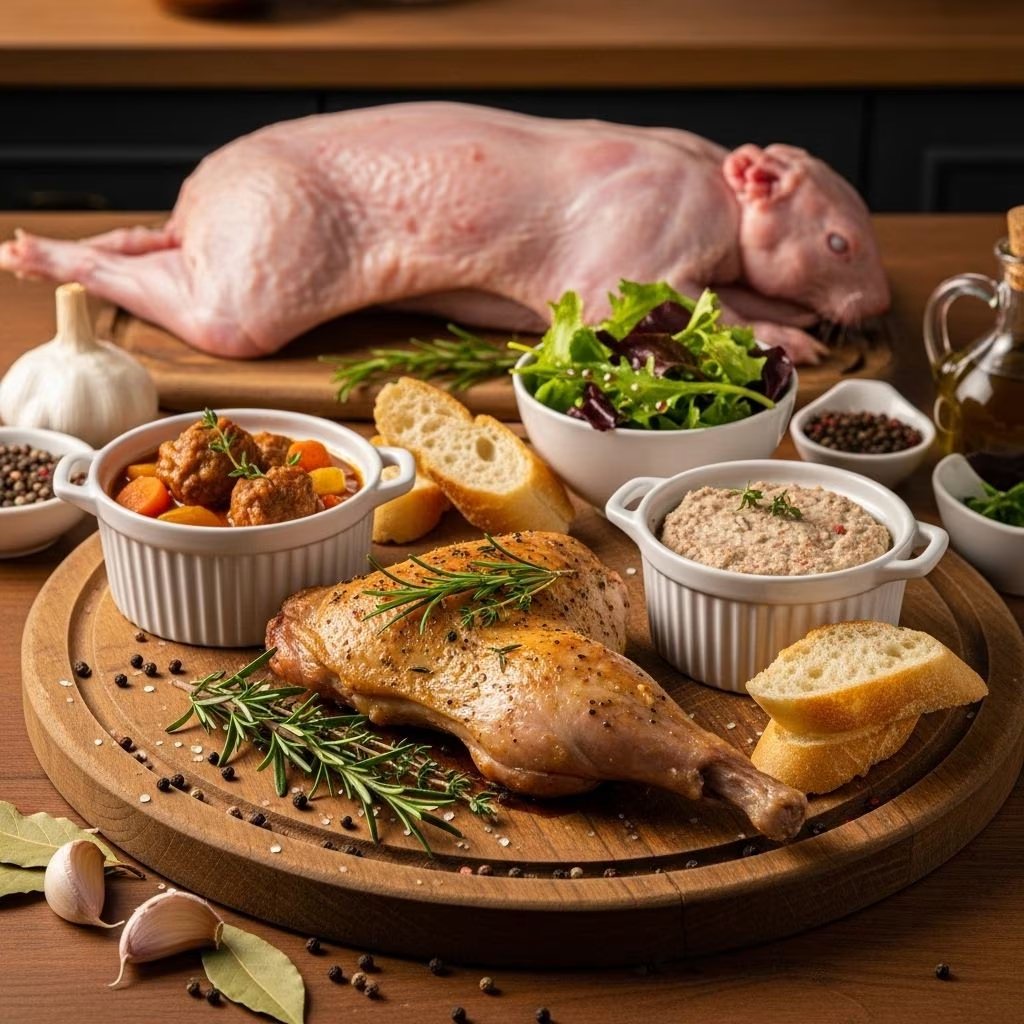
Rabbit meat, long prized in global culinary traditions, is gaining renewed attention for its outstanding nutritional value, lean profile, and culinary versatility. This comprehensive guide explores the origins, nutritional advantages, culinary applications, and unique taste characteristics of rabbit meat—equipping consumers, chefs, and health-conscious eaters with insightful knowledge about this underappreciated protein.
Rabbit Meat: An Overview
Rabbit meat refers to the edible flesh derived from domesticated or wild rabbits. It has been a staple protein in countless cultures—from rustic French countryside kitchens to contemporary Asian and Mediterranean menus. As a “white meat,” it is celebrated for its leanness, delicate flavor, and adaptability in diverse recipes.
While less common in North American supermarkets, rabbit is widely consumed across Europe, Africa, and parts of Asia. Its resurgence is fueled by consumers seeking low-fat, high-protein alternatives to red meat.
Key Points
- Type: Classified as “white meat” due to its appearance and low fat content.
- Sources: Commercially produced (domesticated breeds) and wild-harvested.
- Cultural significance: Essential in classic French, Italian, Chinese, and Middle Eastern dishes.
Nutritional Profile of Rabbit Meat
Rabbit meat stands out as a nutrient-dense, protein-rich food that supplies essential vitamins and minerals while remaining very low in fat and calories. Its nutritional composition places it among the healthiest animal proteins available.
| Nutrient | Amount | % Daily Value* |
|---|---|---|
| Energy | 147 kcal | 7% |
| Protein | 29.1 g | 58% |
| Total Fat | 3.0 g | 5% |
| Saturated Fat | 0.9 g | 5% |
| Cholesterol | 105 mg | 35% |
| Carbohydrates | 0 g | 0% |
| Iron | 2.3 mg | 22% |
| Potassium | 292 mg | 8% |
| Sodium | 38 mg | 2% |
| Vitamin B12 | 7.1 mcg | 91% |
| Vitamin B3 (Niacin) | 7.9 mg | 50% |
| Selenium | 38.5 mcg | 55% |
| Phosphorus | 200-250 mg | 20-25% |
| Calcium | 14 mg | 1% |
*Percent Daily Values are based on a 2,000-calorie diet.
Key Nutritional Highlights
- Exceptional protein content: Nearly 29g per 100g serving—excellent for muscle and tissue repair.
- Very low in fat, especially saturated fat, making it ideal for heart-healthy diets.
- Rich in Vitamin B12, critical for nerve function and blood cell production.
- High in selenium, a potent antioxidant mineral that supports immune and thyroid health.
- Significant levels of iron, phosphorus, niacin (B3), and potassium, supporting energy, bone health, and metabolism.
- Virtually carbohydrate-free, suiting low-carb and ketogenic diets.
- Lower in sodium compared to most meats—a benefit for those with high blood pressure.
Health Benefits of Rabbit Meat
Choosing rabbit as a protein source offers diverse benefits that contribute to overall well-being and nutrition:
- Supports lean muscle and weight management via high protein and low calorie/fat content.
- Promotes heart health by providing lower saturated fat and cholesterol than beef, pork, or chicken.
- Boosts immune function and antioxidant capacity thanks to selenium and vitamins E and B-complex.
- Improves energy metabolism and nerve health through abundant vitamin B12 and niacin (B3).
- Contributes to healthy bones with significant calcium and phosphorus content.
- May be safer for some allergies and intolerances, as rabbit is hypoallergenic relative to more common meats.
Epidemiological research indicates white meats like rabbit do not share the same cancer risks associated with frequent consumption of red and processed meats. Additionally, since rabbit meat is naturally low in sodium, it is an optimal choice for low-sodium diets or individuals managing hypertension.
Who Should Consider Eating Rabbit Meat?
- Those seeking leaner protein for cardiovascular or weight concerns
- Pregnant and nursing women (due to its high bioavailable nutrients)
- Children and elderly (for digestibility and complete protein)
- Sports enthusiasts and athletes (to support muscle growth and recovery)
- People with certain allergies or food sensitivities
Rabbit Meat vs. Other Meats
To better understand rabbit meat’s appeal, it helps to compare its nutritional composition and health profile directly with other commonly consumed meats.
| Meat | Calories | Protein | Total Fat | Saturated Fat | Cholesterol |
|---|---|---|---|---|---|
| Rabbit | 147 | 29.1 g | 3.0 g | 0.9 g | 105 mg |
| Chicken (breast, skinless) | 165 | 31.0 g | 3.6 g | 1.0 g | 85 mg |
| Beef (lean, cooked) | 250 | 26.0 g | 15.0 g | 6.0 g | 90 mg |
| Pork (lean, cooked) | 242 | 27.0 g | 13.9 g | 4.5 g | 88 mg |
As shown, rabbit typically offers the highest protein-to-calorie ratio and the least fat—especially saturated fat—making it the healthiest option for those mindful of fat and calorie intake.
Culinary Uses and Cooking Methods
Rabbit’s culinary heritage is rich and diverse, spanning rustic home kitchens and refined dining establishments. Its mild flavor, firm flesh, and adaptability mean it can shine in both simple stews and elaborate preparations.
Popular Cuts and Forms
- Whole rabbit—ideal for roasting or braising
- Legs and thighs—best for slow-cooked dishes (stews, fricassees)
- Saddle/loin—suited for quick sautéing or grilling
- Ground/morsels—used in terrines, pies, and fillings
Culinary Traditions
- France: Classic dishes include Lapin à la moutarde (rabbit in mustard) and civet de lapin (rabbit stew).
- Italy: Known for coniglio alla cacciatora (hunter’s-style rabbit) featuring tomato and olive sauces.
- China: Particularly popular in Sichuan cuisine, where rabbit is braised, spiced, or hot-potted.
- Middle East & Africa: Braised or grilled with bold spices and served with grains or beans.
- Modern fusion: Creative chefs use rabbit for gourmet burgers, charcuterie, and even smoked preparations.
Best Cooking Techniques
- Braising and stewing—gentle, moist heat keeps the lean meat tender and succulent.
- Roasting—ideal for whole rabbits or larger portions, often with herbs, garlic, or wine.
- Grilling and sautéing—best for tender cuts like saddle/loin, but take care not to overcook.
- Frying—breaded rabbit pieces can be deep-fried, a Southern U.S. specialty.
Taste and Texture of Rabbit Meat
Rabbit meat’s flavor and texture are unique yet comfortably familiar to many meat-eaters:
- Taste: Mild, slightly sweet, and much less “gamey” than most wild meats. Domesticated rabbits are even milder.
- Texture: Fine-grained, firm but tender, and slightly “springy.” Not greasy, due to minimal fat content.
- Color: Pale pink to white when cooked, somewhat similar to chicken, but with a denser texture.
The mildness of rabbit pairs beautifully with robust seasonings—herbs, wine, garlic, mustard, and spices all complement the meat.
How Does Rabbit Compare in Flavor?
- Compared to chicken, rabbit is more delicate and nuanced, with a faintly sweet aftertaste.
- Less fatty and intense than lamb or beef, making it ideal for subtle, well-balanced dishes.
- Young rabbits (“fryers”) are the most tender and mild; older rabbits (“stewers”) have stronger flavor and require longer cooking.
Sourcing and Preparing Rabbit Meat
Although not always found in everyday supermarkets, rabbit meat is increasingly available in specialty butchers, farmers’ markets, and online retailers. Consumers may choose between domestic farm-raised (both fresh and frozen) or wild-harvested rabbit.
- Domestic rabbit: More consistent in tenderness and flavor, as diets are optimized for quality and safety.
- Wild rabbit: Leaner, sometimes gamier, and ideal for robust dishes like stews.
Storage and Safety Tips
- Store rabbit meat in the coldest part of the refrigerator and use within 1–2 days, or freeze for longer storage.
- Cook rabbit to an internal temperature of at least 160°F (71°C) to ensure safety.
- Marinating can help keep lean meat moist and infuse additional flavors.
Sustainably raised rabbit is viewed as an environmentally friendly source of meat, as rabbits are efficient feed converters and have a small ecological footprint compared to larger livestock.
Considerations, Allergies, and Ethics
- Allergies: Rabbit is hypoallergenic for many individuals who react to beef or pork, but allergies are still possible.
- Game vs. Domestic: Wild rabbit may harbor parasites—ensure thorough cooking.
- Religious and cultural considerations: While widely accepted, not all cultures include rabbit in their diets. Always check for dietary restrictions or taboos.
- Ethics: Locally raised, well-treated rabbits are preferable for animal welfare. Rabbit farming is often less intensive than other livestock systems.
Frequently Asked Questions (FAQs)
Is rabbit meat healthier than beef or chicken?
Yes, rabbit generally contains more protein, less total and saturated fat, lower calories, and higher concentrations of some vitamins and minerals than beef or chicken. It is particularly high in vitamin B12 and selenium, but very low in cholesterol and sodium.
What does rabbit taste like?
Rabbit is mild, slightly sweet, and less gamey than many wild meats. Its flavor is closer to chicken but with a richer, deeper nuance.
How do you cook rabbit so it stays moist?
Due to its leanness, rabbit is best braised, stewed, or slow-cooked in a moist environment. Marinating before cooking and avoiding overcooking will help maintain tenderness.
Are there risks to eating rabbit?
Risks are minimal if properly handled and thoroughly cooked. Wild rabbit may harbor parasites; always cook to at least 160°F (71°C). Consuming only rabbit meat for prolonged periods without variety may risk nutrient imbalance (“rabbit starvation”).
Is rabbit meat sustainable?
Rabbit has a very low environmental impact compared to beef, pork, or lamb, requiring less feed, water, and land per kilogram of protein produced.
Summary
Rabbit meat is a lean, high-protein, nutritionally rich white meat celebrated for its health benefits, versatility in global cuisine, and delicate, appealing flavor. Whether chosen for health, culinary adventure, or sustainability, rabbit meat offers an excellent option for diversifying a nutritious, balanced diet.
References
- https://www.webmd.com/diet/health-benefits-rabbit-meat
- https://wholey.com/resources/healthy-eating/rabbit-meat-health-benefit-guide/
- https://juniperpublishers.com/nfsij/pdf/NFSIJ.MS.ID.555866.pdf
- https://www.loeul-et-piriot.com/en/benefits-and-guarantees/benefits-of-rabbit/
- https://www.hss.gov.nt.ca/en/services/nutritional-food-fact-sheet-series/rabbit-and-hare
- https://riseandshinerabbitry.com/2012/04/06/10-reasons-why-you-should-eat-rabbit-meat/
- https://foodstruct.com/nutrition-comparison-text/rabbit-meat-vs-beef-nutrition
- https://pmc.ncbi.nlm.nih.gov/articles/PMC3257606/


