


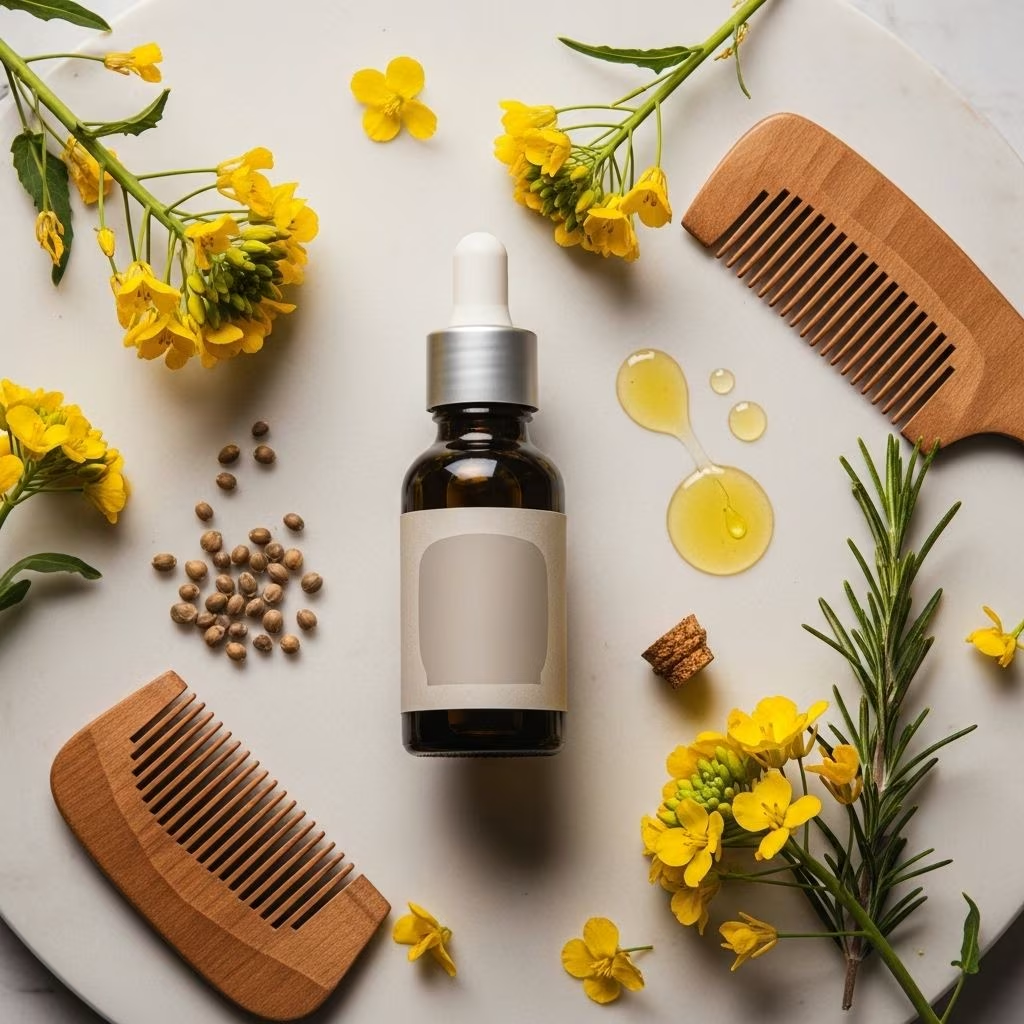
Natural oils have long been at the forefront of traditional and modern hair care practices. Among them, rapeseed oil—extracted from the seeds of the Brassica napus plant—is steadily gaining attention, acclaimed for its nutrient-rich profile and versatile applications. This comprehensive guide delves into the benefits of rapeseed oil for hair, practical methods for use, expert-backed tips, safety guidelines, and insightful answers to common questions.
What is Rapeseed Oil?
Rapeseed oil, sometimes confused with canola oil, is a pale yellow oil derived from the seeds of the Brassica napus or rape plant. While similarities exist, canola is a specific variety of rapeseed bred to remove certain bitter compounds and reduce erucic acid levels.
This oil is widely used in culinary applications due to its high smoke point and mild flavor, but it is also praised in beauty and health communities for its potential benefits on hair and skin.
Nutritional Composition of Rapeseed Oil
The key to rapeseed oil’s hair benefits lies in its nutrient and fatty acid content:
- Monounsaturated Fats (Oleic acid): Promotes scalp hydration and reduces water loss from the hair.
- Polyunsaturated Fats (Omega-3 & Omega-6): Supports cell membrane health, hair elasticity, and strength.
- Vitamin E (Tocopherols): A potent antioxidant that helps defend hair follicles from oxidative stress and environmental damage.
- Phytosterols: Natural plant compounds associated with inflammation reduction and improved skin barrier function.
Rapeseed oil’s unique combination of healthy fats and antioxidants makes it well-suited for both dietary and topical use.
Rapeseed Oil: Evidence-Based Hair Benefits
1. Deep Moisturization
The unsaturated fatty acids in rapeseed oil are highly effective at locking moisture into both the scalp and hair shaft. This is particularly beneficial for individuals with dry, brittle, or frizzy hair. The emollient properties create a protective barrier, helping to prevent moisture loss and supporting hair softness and manageability.
2. Promotes Scalp Health
Vitamin E in rapeseed oil possesses antioxidant and anti-inflammatory effects, which can help soothe irritated or inflamed scalp. This creates an optimal environment for hair follicles, potentially reducing issues like dryness, itchiness, and dandruff.
3. Strengthening and Reduced Breakage
By nourishing and sealing the cuticle layer, rapeseed oil can boost hair strength and elasticity. This helps hair better withstand styling, brushing, and environmental stress, reducing the risk of breakage and split ends.
4. Enhanced Hair Growth Potential
While evidence is mostly anecdotal, the combination of improved scalp condition, antioxidant activity, and a healthier environment for follicles may support natural hair growth cycles. The presence of essential fatty acids and vitamin E is linked to scalp circulation and follicle nourishment.
5. Shine and Luster
Applying rapeseed oil smooths the outer cuticle, imparting a natural shine and increased hair manageability. This appearance of health is especially marked in hair that is dull or damaged due to chemical processes or heat styling.
6. Protection from Environmental Stress
Vitamin E’s antioxidant action defends against UV rays and pollution, both of which can degrade hair structure and color over time.
Table: Principal Benefits of Rapeseed Oil for Hair
| Benefit | Main Nutrients Responsible | Hair Type Suitability |
|---|---|---|
| Moisturizing | Omega-3 & 6, Vitamin E | Dry, Curly, Frizzy |
| Scalp Soothing | Vitamin E, Phytosterols | Sensitive, Itchy Scalp |
| Strength & Less Breakage | Monounsaturated & Polyunsaturated Fats | Damaged, Brittle |
| Shine & Manageability | All Above | Dull, Dyed or Heat-Styled |
How to Use Rapeseed Oil for Hair
Rapeseed oil offers multiple ways of application in home-based hair care routines. Here are some of the most effective methods:
1. As a Pre-Shampoo Treatment (Hot Oil Treatment)
- Warm 2–4 tablespoons of rapeseed oil until it is slightly above body temperature (do not overheat).
- Massage thoroughly into the scalp and evenly distribute down hair lengths.
- Wrap hair with a shower cap or towel and leave on for 30–60 minutes.
- Shampoo and condition as usual.
This method deeply hydrates, enhances softness, and prepares hair for cleansing.
2. As a Leave-In Serum
- After washing and towel drying your hair, apply 2–3 drops of oil to damp mid-lengths and ends.
- Style as usual. This method helps prevent frizz, imparts shine, and offers ongoing nourishment.
3. For Scalp Massage or Dandruff Relief
- Use clean fingers to gently massage oil into the scalp for 5–10 minutes, working in small circular motions.
- Leave on for at least 30 minutes, or overnight if preferred, for enhanced scalp benefits.
- Wash out with a mild shampoo.
4. As a Carrier Oil for Essential Oils
- Rapeseed oil’s light texture makes it suitable as a base for essential oil infusions (such as rosemary or lavender for hair growth).
- Add 2–3 drops of essential oil to 1 tablespoon of rapeseed oil, mix well, and apply as a scalp or hair mask.
5. In DIY Hair Masks
- Mix rapeseed oil with ingredients like honey, aloe vera, or avocado, then apply as a nourishing mask for 20–30 minutes before rinsing.
Tips for Maximizing Rapeseed Oil Results
- Choose cold-pressed, unrefined rapeseed oil for maximum nutrient preservation and minimal processing.
- Conduct a patch test before the first use, especially if you have sensitive skin or allergies.
- Avoid using too much oil, particularly if you have fine or oily hair—start with a drop or two and increase as needed.
- Blend with heavier oils, such as castor or coconut, for extra-rich masks suitable for very dry or coarse hair.
- Use consistently, aiming for weekly treatments to see best results over time.
- Store oil in a cool, dark place to prevent rancidity and preserve potency.
Potential Side Effects and Precautions
Topical use of rapeseed oil is typically considered safe. However, some precautions are recommended:
- Allergic Reactions: Rare, but possible. Conduct a patch test behind your ear or on the inside of your elbow before full application.
- Comedogenicity: Although light, rapeseed oil can, in rare cases, clog pores—avoid heavy application on the forehead if prone to acne.
- Poor Storage: Oil exposed to heat, light, or air for prolonged periods may degrade, losing its beneficial properties and consistency.
- Low-Quality or Blended Oils: Ensure oil purity and quality by purchasing from reputable sources, and check ingredient labels for potential additives.
Rapeseed Oil vs. Other Popular Hair Oils
| Oil Type | Main Benefits | Best For | Potential Drawbacks |
|---|---|---|---|
| Rapeseed Oil | Moisturizing, strengthens, rich in vitamin E, lightweight | All hair types, especially dry/frizzy | Rare allergies, quality varies |
| Coconut Oil | Deep conditioning, anti-fungal, penetrates hair shaft | Thick, curly, or chemically treated | Can be heavy/greasy for fine hair |
| Castor Oil | Promotes growth, deeply nourishing, anti-microbial | Dry, damaged, regrowth needs | Thick and sticky texture |
| Almond Oil | Mild, softens, adds shine, rich in vitamin E | Straight/fine hair, sensitive scalp | Minimal protein repair ability |
Rapeseed oil stands out for its lightweight feel, high vitamin E concentration, and broad compatibility with different hair types.
Frequently Asked Questions (FAQs)
Q: Is rapeseed oil the same as canola oil for hair care?
A: Canola oil is a variety of rapeseed oil bred for food safety (low erucic acid). Both share similar fatty acid profiles, but cold-pressed, unrefined rapeseed oil may retain more nutrients for topical hair applications.
Q: How often should I use rapeseed oil in my hair routine?
A: For most hair types, using rapeseed oil once or twice a week as a treatment or serum offers optimal results. Adjust based on your scalp and hair’s response.
Q: Is rapeseed oil safe for color-treated or chemically processed hair?
A: Yes, its emollient and protective properties can help restore moisture and shine to processed hair, but test on a small area first if you have concerns.
Q: Can rapeseed oil help with hair loss?
A: While no topical oil directly reverses hair loss, rapeseed oil promotes a healthy scalp environment, which may support reduced shedding and stronger regrowth in some cases.
Q: Does rapeseed oil make hair greasy?
A: Rapeseed is lighter than many oils. Use sparingly—only a few drops may be needed, especially on finer hair.
Conclusion
Rapeseed oil is a nutrient-packed, versatile oil that brings a host of benefits to hair care routines. Its moisturizing, strengthening, and antioxidant properties suit most hair types—especially those struggling with dryness, frizz, or scalp irritation. When sourced and used thoughtfully, rapeseed oil offers a natural, effective boost for both hair and scalp health.
References
- https://pmc.ncbi.nlm.nih.gov/articles/PMC9231528/
- https://www.mindbodygreen.com/articles/what-is-rapeseed-oil
- https://ashokaoilindustries.com/maximizing-the-health-benefits-of-rapeseed-oil-a-guide/
- https://pmc.ncbi.nlm.nih.gov/articles/PMC9962526/
- https://hunterandgatherfoods.com/blogs/real-food-lifestyle/is-rape-seed-oil-unhealthy-inflammatory
- https://www.hairlossconsultant.co.uk/good-bad-fats-for-healthy-hair/
- https://www.healthline.com/nutrition/rapeseed-oil


