


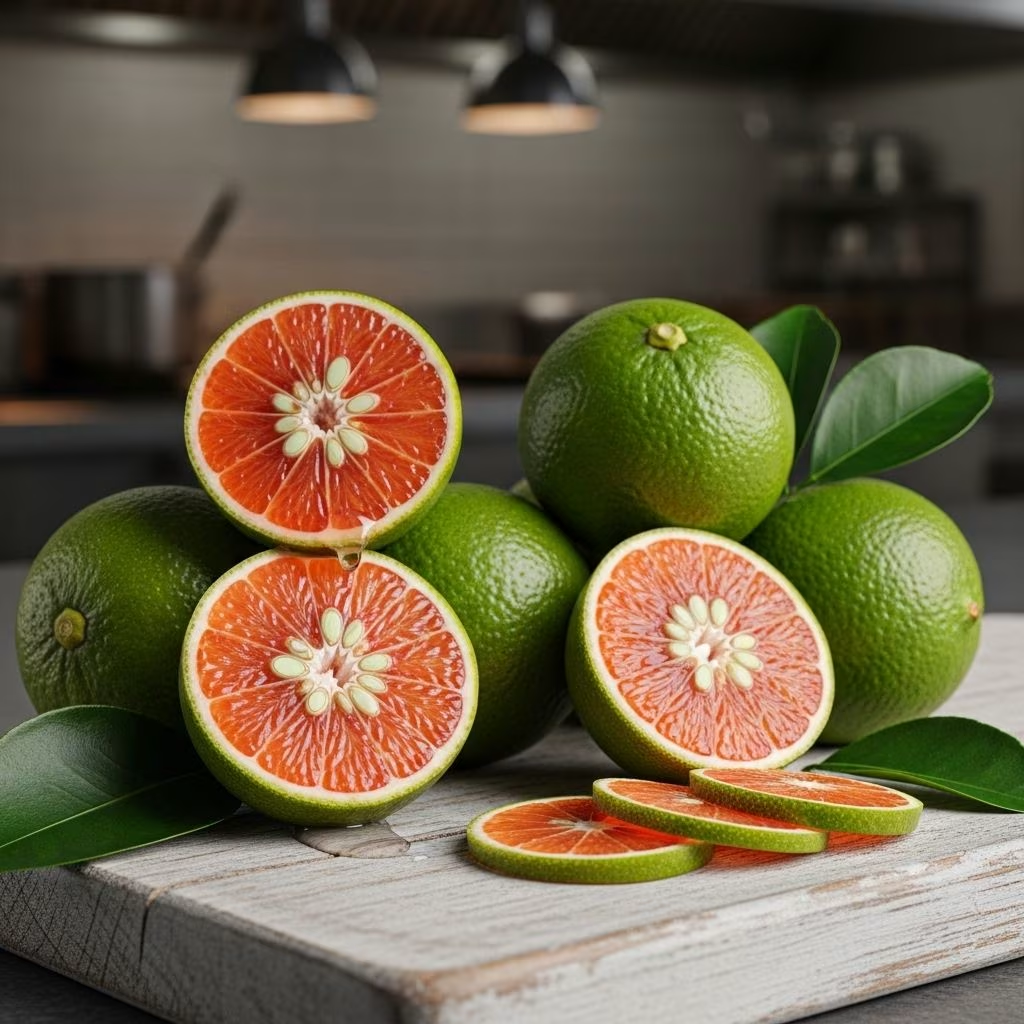
Rangpur lime—also known as Citrus × limonia, mandarin lime, or lemandarin—is a unique citrus hybrid with a fascinating history, distinctive taste, and a range of culinary and health applications. Resembling a small orange in appearance but possessing the intense acidity of lime, this fruit delights chefs, gardeners, and citrus enthusiasts alike. This comprehensive guide delves into the origins, characteristics, benefits, uses, and flavor profile of Rangpur lime, helping you appreciate why it’s cherished from South Asia to the Americas.
Overview: What Is Rangpur Lime?
Rangpur lime is a citrus hybrid resulting from a cross between the mandarin orange (Citrus reticulata) and the citron (Citrus medica). Despite its name, it is not a true lime but rather a unique fruit known for its intense acidity and orange-colored skin and flesh. Its aroma and flavor are a vibrant blend of citrus notes, appreciated both fresh and in various culinary preparations.
- Scientific Name: Citrus × limonia
- Common Names: Mandarin lime, lemandarin, surkh nimboo, limão-cravo, canton-lemon
- Primary Characteristics: Highly acidic, aromatic, orange-hued rind and flesh
Origins and History
Rangpur lime traces its roots to the Indian subcontinent and specifically to Rangpur, Bangladesh, from where it derives its name. Through horticultural exchange, particularly in the late nineteenth century, the tree was introduced to other continents:
- The Reasoner Brothers of Florida brought Rangpur lime to the United States after acquiring seeds from Northwestern Bangladesh.
- Quickly recognized for its hardy nature and intense flavor, it became popular in regions such as Brazil (as limão-cravo) and China (as canton-lemon).
- Today, it’s valued globally both as a fruit and as a rootstock for grafting other citrus varieties.
Botanical Description and Appearance
The Rangpur lime tree is a medium-sized, vigorous citrus plant with notable features:
- Leaves: Dull-green and mandarin-like; new shoots are often purple-tinged.
- Flowers: Small, mandarin-like, vividly tinged with purple.
- Fruit:
- Small to medium-sized, round or slightly oblong (depressed globose)
- Average 8–10 segments per fruit, loosely held together
- Rind is thin, moderately loose, color varies from yellow and orange to deep red-orange
- Texture ranges from slightly rough to smooth, and the surface may be minutely pitted
- Flesh is bright orange, juicy, and highly acidic, sometimes containing numerous small, polyembryonic seeds
| Characteristic | Description |
|---|---|
| Tree size | Medium, spreading, productive |
| Leaf type | Mandarin-like, dull green |
| Flower color | White/purple |
| Fruit color | Reddish-orange to orange |
| Flesh color | Orange |
| Acidity | Very high |
| Seed count | Numerous, small |
Taste Profile: How Does Rangpur Lime Taste?
The taste of Rangpur lime is intensely sour and aromatic, more akin to a combination of lime and mandarin orange. The fruit stands apart for the following reasons:
- Sourness: Comparable to the sharp acidity of lime, making it challenging to eat raw
- Floral and Fruity Notes: Subtly tinged with sweet, floral aromas reminiscent of mandarin and orange
- Aftertaste: Slightly sweet, with a refreshing citrus fragrance lingering on the palate
This blend of tartness and aromatic complexity makes Rangpur lime especially prized in drinks, desserts, and preserves.
Nutritional Value and Health Benefits
Like other citrus fruits, Rangpur lime offers several nutritional advantages. While precise values may vary, typical benefits include:
- Vitamin C: Exceptionally high in ascorbic acid (Vitamin C), supporting immune health and skin vitality
- Antioxidants: Contains flavonoids and polyphenols found in most citrus varieties, aiding in cellular protection
- Low Calories: Provides strong, refreshing flavor with minimal sugars and calories per serving
- Other Nutrients: Offers small amounts of potassium, vitamin A, and dietary fiber
In traditional medicine, citrus fruits like Rangpur lime are used for their supposed immune-boosting, anti-inflammatory, and digestive properties. Their acidic properties also make them valuable for balancing flavors and even, in some cultures, for oral hygiene practices.
Culinary and Other Uses
The versatile Rangpur lime brings vibrant acidity and flavor to dishes, drinks, and preserves worldwide.
Culinary Uses
- Juice and Zest: Used to enhance cocktails, dressings, ceviches, and marinades
- Marmalade and Jams: Its aromatic sourness pairs well in sweet preserves
- Cocktails: A key flavoring in specialty gins, most notably featured in Tanqueray Rangpur Gin
- Sauces and Chutneys: The juice enlivens curry bases, fish dishes, and chutneys in South Asian and Southeast Asian cuisines
- Desserts: Tangy curds, sorbets, and citrus cakes highlight its distinctive flavor
- Salads and Salsas: Its zest and segments brighten vegetable, seafood, and fruit salads
Other Uses
- Rootstock for Citrus Grafting: Valued for vigor and disease resistance
- Aromatic Oils: Used in flavorings and fragrances
- Ornamental Value: Grown as a decorative tree in gardens worldwide, admired for its flowers and colorful fruit
Sample Rangpur Lime Drink Recipe
Rangpur Lime Collins- 2 oz gin (Rangpur-infused preferred)- 1 oz fresh Rangpur lime juice- 0.75 oz simple syrup- Soda water- Ice, slices of Rangpur limeMethod: Shake gin, lime juice, and syrup with ice. Strain into a glass, top with soda, garnish with slices.Growing and Harvesting Rangpur Lime
The Rangpur lime tree is well-suited for gardeners seeking a hardy citrus variety, but some care is still necessary:
- Climate: Prefers subtropical areas; optimal in USDA zones 9–11. Sensitive to frost, so container gardening may be necessary in cooler climates.
- Tree Habit: Medium size, spreading habit, rarely thorny, can be pruned for compact growth.
- Flowering and Fruiting: Blooms with purple-tinged flowers, with edible fruit maturing from winter through early spring.
- Yield: Known for its high productivity and for holding fruit on the tree for extended periods
- Pests and Diseases: Generally robust, but watch for typical citrus pests. Resistant rootstocks increase viability.
Regional Names and Varieties
The Rangpur lime is known by a variety of names and has local significance in many regions:
- Gondhoraj Lebu (Bangladesh & Eastern India): Considered the “Queen of citrus” for its pronounced fragrance.
- Sylhet Lime (Northeastern Bangladesh)
- Mandarin-lime (United States)
- Limão-cravo (Brazil): Valued for rootstock and culinary flavor.
- Canton-lemon (China)
- Hime-lemon (Japan)
- Surkh nimboo, Sharbati (Indian Subcontinent)
Several clonal varieties exist with subtle differences in rind color, acidity, and fruit size.
Tips for Selecting, Storing, and Using Rangpur Lime
- Choose fruits that are firm, fragrant, and brightly colored.
- Store Rangpur limes in the refrigerator for up to two weeks, or at room temperature for a few days.
- Juice and zest can be frozen for use year-round.
- Thoroughly wash the rind before zesting to avoid pesticide residue or wax.
- Handle with care: the thin skin tears more easily than that of other citrus fruits.
Comparison: Rangpur Lime vs. Other Limes
| Rangpur Lime | Persian Lime | Key Lime | |
|---|---|---|---|
| Parentage | Mandarin orange × citron | Hybrid of Mexican lime × citron | Citrus aurantiifolia |
| Skin color | Orange to red-orange | Bright green | Green to yellow as ripe |
| Flesh color | Deep orange | Pale green | Pale yellow-green |
| Taste | Highly acidic, floral, mandarin aroma | Acidic, more neutral aroma | Sharp, aromatic, more bitter than Persian |
| Uses | Marmalades, drinks, Southeast Asian cuisine | Cocktails, cooking, everyday lime use | Pies, drinks, Latin American cuisine |
Frequently Asked Questions (FAQs)
What makes Rangpur lime different from regular limes?
Rangpur lime is actually a hybrid between a mandarin orange and citron, not a true lime. Its orange skin and strong acidity set it apart from more typical limes.
Can you eat Rangpur lime raw?
Its strong sourness generally makes it unpalatable raw but it’s excellent as a flavoring in drinks, preserves, and dishes.
Is Rangpur lime good for health?
Yes, like most citrus fruits, Rangpur lime is high in vitamin C, low in calories, and contains antioxidants beneficial for overall health.
How do you use Rangpur lime in cooking?
Its juice and zest enliven drinks, salad dressings, desserts, sauces, and curries. It’s also used to flavor gin and other spirits.
Where can I buy Rangpur lime?
Rangpur limes may be found at specialty grocery stores, farmer’s markets, or through online fruit suppliers. In regions where they’re rare, the tree can be grown at home in suitable climates.
References
- https://en.wikipedia.org/wiki/Rangpur_lime
- https://citrusvariety.ucr.edu/crc2709
- https://idtools.org/citrus_id/index.cfm?packageID=1179&entityID=8761
- https://www.fourwindsgrowers.com/a/blog/all-about-the-rangpur-lime-tree
- https://citrusvariety.ucr.edu/usa-rangpur-lime
- https://www.zingermanscommunity.com/2012/10/rangpur-limes-the-story-behind-the-fashion-darling-of-citrus/
- https://onegreenworld.com/product/borneo-rangpur-mandarin-lime/
- https://www.oscartintori.it/en/prodotto/rangpur-lime/
- https://uscitrusnursery.com/products/rangpur-lime-tree


