


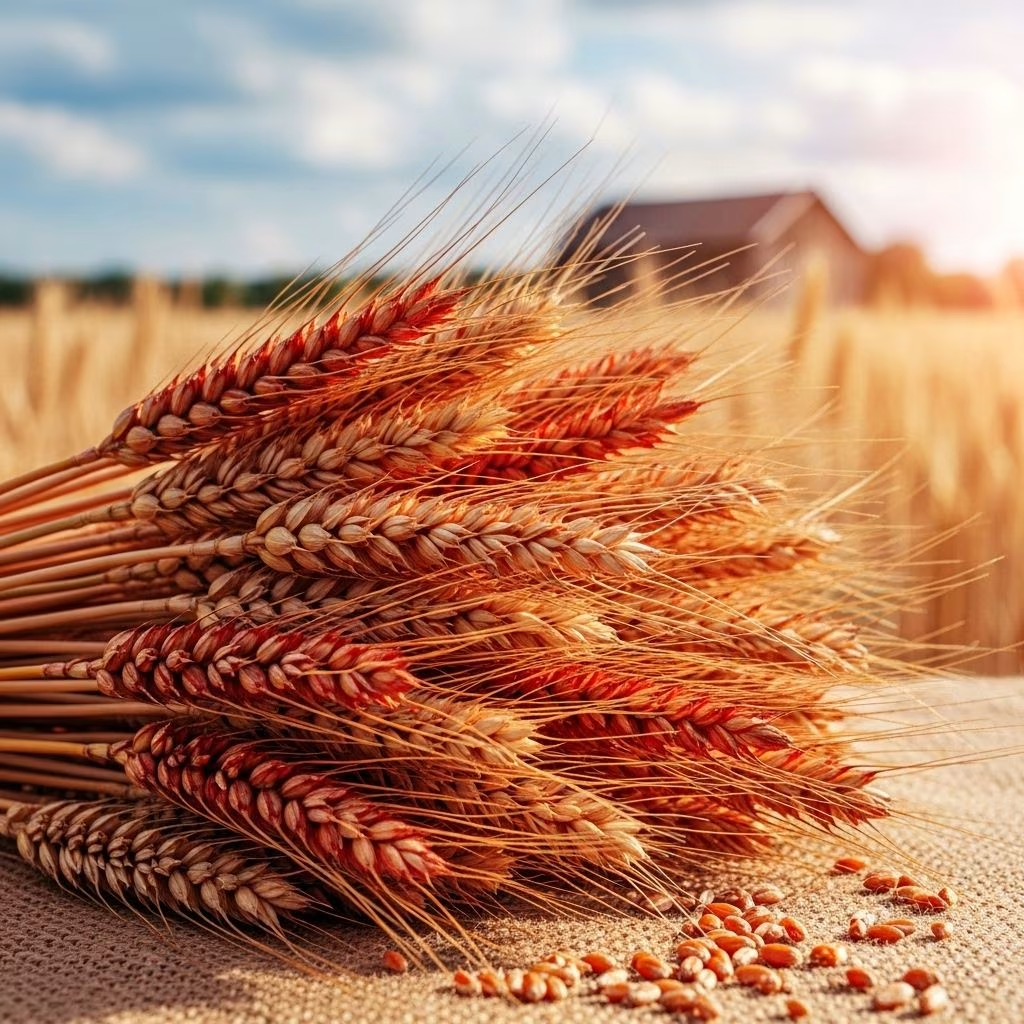
Red Fife wheat is a distinctive heritage grain renowned for its unique taste, history, and diverse applications in modern and traditional baking. Revered by chefs, bakers, and health-conscious consumers alike, this wheat variety is celebrated not just for its storied past but also for its adaptability, nutritional richness, and flavor that sets it apart from commercial wheats.
Introduction to Red Fife Wheat
Red Fife wheat is recognized as the oldest and perhaps the most celebrated wheat variety grown in Canada, tracing its roots back to the 19th century. Its striking reddish hull, exceptional baking properties, and robust adaptability have ensured its place as a favorite among both heritage grain enthusiasts and commercial bakers. Unlike many modern wheat varieties bred for yield and uniformity, Red Fife is cherished for its unique flavor and texture.
History & Heritage of Red Fife Wheat
The story of Red Fife wheat is woven into the fabric of North American agriculture. Its journey begins in the 1840s, with several legends tracing its origins to:
- A Scottish farmer, David Fife, in Ontario, Canada, said to have received a handful of seeds—possibly from Glasgow, with roots potentially tracing back to Ukraine.
- The variety is likely related to or descended from the Ukrainian wheat known as Halychanka, though some believe it may also have been an accidental hybrid adapted to North American conditions.
By adapting brilliantly to Canada’s challenging climate and resisting disease, Red Fife quickly set the standard for wheat across the country from the mid-19th century until the early 20th century. Its outstanding qualities led it to become the progenitor of other successful wheat varieties, most notably Marquis wheat, bred for even earlier ripening and improved pest resistance.
Though it was overshadowed by more commercially viable breeds for decades, Red Fife avoided extinction thanks to farmers and seed savers dedicated to its preservation. In recent years, Red Fife has seen a revival as part of the broader interest in heritage and ancient grains, sustainable agriculture, and slow food movements.
Nutritional Profile and Health Benefits
One of the driving forces behind Red Fife’s resurgence is its nutritional value. While specific nutrition may vary based on soil and growing conditions, Red Fife is often cited to offer several notable health benefits:
- Higher Protein Content: Typically provides more protein than many modern refined wheats, supporting muscle maintenance and satiety.
- Rich in Fiber: Contains bran and germ, increasing fiber content for digestive health and cholesterol regulation.
- Vitamins and Minerals: Supplies essential nutrients such as B vitamins (thiamin, niacin, folate), iron, magnesium, selenium, and zinc.
- Antioxidants and Phytochemicals: Heritage wheats like Red Fife are believed to contain diverse plant compounds with anti-inflammatory properties.
- Less Intensive Breeding: Its genetic purity means it’s less likely to contain residues from chemical breeding or over-processing.
- Potentially More Digestible: Some individuals with mild gluten sensitivities (not celiac disease) report fewer symptoms with heritage wheats, although Red Fife does contain gluten.
Red Fife’s nutritional superiority is bolstered by minimal processing—whole Red Fife flour maintains the grain’s naturally occurring nutrients, contributing to its growing appeal among health-conscious consumers.
Typical Nutritional Breakdown
| Nutrient | Red Fife Whole Wheat Flour (Per 100g) | Typical Modern Wheat Flour (Per 100g) |
|---|---|---|
| Calories | 350 | 340 |
| Protein | 13–15g | 10–13g |
| Dietary Fiber | 10g | 7g |
| Iron | 3.5mg | 3mg |
| Magnesium | 100mg | 80mg |
*Values are approximate and can vary depending on growing and processing methods.
Culinary Uses and Applications
Red Fife wheat distinguishes itself in the kitchen for its versatility and exceptional baking qualities, making it a prized grain among artisanal and home bakers. Its slightly softer grain structure and slower gluten development lend unique properties to baked goods:
- Breads: Ideal for artisanal sourdoughs, whole-grain loaves, and rustic boules. Bakers appreciate its strength, elasticity, and ability to produce airy, golden-crumbed bread with substantial body.
- Pastries and Cakes: The tender crumb and mild sweetness make it excellent for muffins, cakes, and cookies where a softer, fluffier texture is desired.
- Pasta and Noodles: Adds depth of flavor and nutrition to homemade pastas and noodles.
- Flatbreads and Crackers: Delivers exceptional taste and satisfying texture to flatbreads, tortillas, and crackers.
- Brewing: Occasionally used in craft beers and spirits, imparting nuance and complexity.
The flour can be used in its whole grain or refined (sifted) form. Bakers often blend Red Fife flour with other heritage or modern flours to modulate dough strength and achieve optimal crumb and flavor characteristics. For best results, adjusting hydration (adding more water) is often necessary owing to its absorbency and unique gluten properties.
Flavor and Taste Profile
Red Fife’s treasured status is owed in large part to its distinctive flavor profile, cherished by those who seek food with a sense of place and history:
- Nuttiness: The bran imparts a deep, toasty, nutty flavor, which intensifies the overall taste experience.
- Complex Sweetness: Many describe subtle undertones of cinnamon and a gentle, natural sweetness that sets it apart from standard wheat flours.
- Lively Aroma: When freshly milled and baked, Red Fife flour exudes a warm, earthy aroma with hints of hay and honey.
- Full-Bodied Finish: Bakers report a more pronounced, robust taste that lingers on the palate compared to typical white or even many whole wheat breads.
- Soft, Tender Crumb: Its grain structure leads to a pleasingly tender, moist crumb, especially when used in cakes, muffins, and enriched doughs.
This complex flavor makes Red Fife especially appealing for slow-fermented breads and rustic baking, where the character of the grain is allowed to shine through.
Growing and Farming Red Fife
Red Fife’s success story is a testament to its adaptability and hardiness. The variety
- Is famed for thriving in harsh climates and resisting disease—even cold Canadian winters.
- Produces bright red, robust kernels and generally offers good yields for an heirloom grain.
- Adapts to diverse soil types, though it flourishes best in the fertile plains of Canada’s prairies and in organic, small-scale settings.
- Is preserved today largely through organic and sustainable agriculture movements, as well as the passion of heritage grain farmers.
Production Regions: Today’s Red Fife wheat crops are grown mainly in Central Ontario and the southern parts of Alberta, Saskatchewan, and Manitoba, where the environment allows the grain to express its best qualities.
Red Fife vs. Modern Wheat Varieties
Red Fife stands apart from many commercially bred wheats in several important ways:
| Aspect | Red Fife Wheat | Modern Wheat (e.g., Marquis, Hard Red Winter) |
|---|---|---|
| Genetic Purity | Heirloom, not hybridized in modern era | Heavily hybridized & selectively bred |
| Flavor | Deep, nutty, complex, sweet undertones | Milder, less distinctive |
| Baking Qualities | Tender crumb, moist texture; slower gluten development | Firm structure, rapid gluten, consistent crumb |
| Nutrition | More bran & germ intact, higher fiber & protein | May be less nutritious, more refined |
| Milling | Best freshly milled, whole-grain or sifted | Mostly refined, standardized flour |
| Resilience | Disease resistant, climate adaptable | Bred mainly for yield & uniformity |
The resurgence of Red Fife is part of a larger movement toward biodiversity, better flavor, and nutrition in the grains we eat. For bakers and cooks interested in authentic, flavorful foods, Red Fife provides a compelling alternative to commodity wheat.
Frequently Asked Questions (FAQs)
Q: Is Red Fife wheat gluten-free?
A: No. Red Fife wheat contains gluten and is not suitable for those with celiac disease. However, some people with mild gluten intolerance report easier digestion compared to modern wheat, likely due to its less-altered protein structure. Consult your healthcare provider before dietary changes.
Q: Can I substitute Red Fife for regular wheat flour in recipes?
A: Yes, Red Fife flour can replace modern whole wheat or all-purpose flour in most recipes, though best results may require adjusting hydration and proofing times due to its different gluten and absorbency characteristics.
Q: Where can I buy Red Fife wheat or flour?
A: Red Fife is available at some specialty grocery stores, natural food retailers, and online sellers focused on heritage grains. Local bakeries may also offer bread made with Red Fife flour.
Q: Is Red Fife wheat organic?
A: While not all Red Fife wheat is certified organic, most growers use natural and sustainable practices due to the grain’s preservation through organic movements. Look for certified organic labels if that is important to you.
Q: What makes Red Fife healthier than modern wheat?
A: Red Fife is considered healthier by some for three main reasons: higher nutrient density from whole grain use, diverse plant compounds potentially intact due to less intensive breeding, and digestibility attributed to genetic purity. However, scientific comparison studies are ongoing.
Summary and Key Takeaways
- Red Fife wheat is a revered heritage grain, foundational to Canadian agriculture and renowned for its adaptability, taste, and nutritional advantages.
- Bakers and cooks prize it for rich, nutty flavor, tender crumb, and excellent versatility in breads, sweets, and other baked goods.
- Its resurgence is tied to renewed interest in heirloom foods, sustainability, and real flavor experiences—making it a top choice for those seeking tradition and nutrition in the modern kitchen.
Whether you are an adventurous baker, a fan of local foods, or simply eager to taste the difference, incorporating Red Fife wheat into your recipes promises a culinary experience rich in history and flavor—not just nutrition.
References
- https://dchp.arts.ubc.ca/entries/Red%20Fife
- https://www.grit.com/food/red-fife-wheat-zm0z21ndztil/
- https://www.fondazioneslowfood.com/en/slow-food-presidia/red-fife-wheat/
- https://onedegreeorganics.com/the-story-of-red-fife/
- https://tallgrassbakery.ca/goodness-and-grains/red-fife/
- https://www.anarchyacres.com/red-fife
- https://www.inthehills.ca/2011/08/the-meaning-of-red-fife/
- https://territorialseed.com/products/red-fife-wheat


