


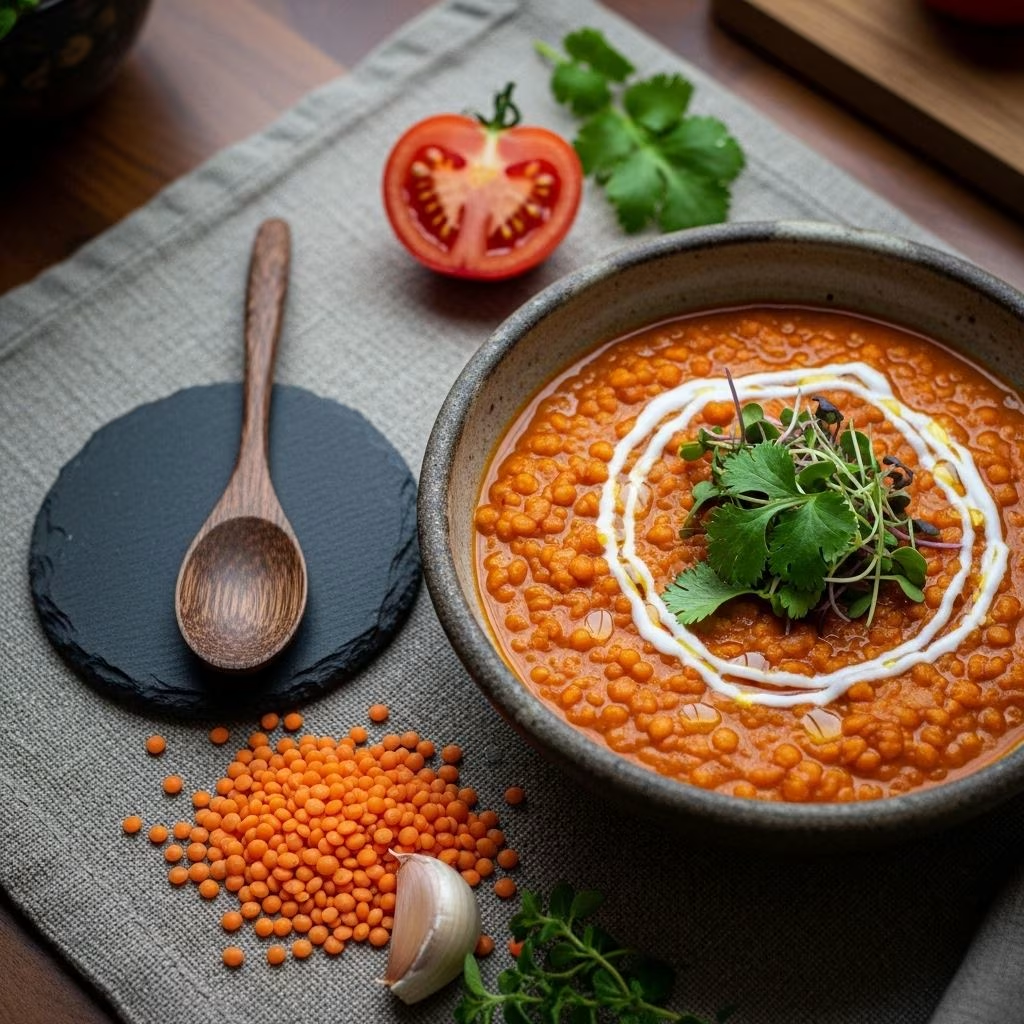
Red lentils are among the most popular and versatile edible legumes, renowned for their quick cooking time, high nutritional value, and deliciously subtle flavor. This comprehensive guide explores what red lentils are, their health benefits, uses in global cuisines, nutritional profile, taste, preparation methods, and more.
What Are Red Lentils?
Red lentils are small, lens-shaped legumes that belong to the family Fabaceae. With a natural hue ranging from orange to deep red, they are distinguished by their ‘split’ form, which means the outer skin is removed, causing them to cook quickly and break down to a creamy texture. They are an ancient staple in Middle Eastern, South Asian, and Mediterranean diets.
Other names in different cultures:
- Masoor Dahl (India)
- Mercimek (Turkey)
- Red Chief (USA, Canada)
The largest producers and exporters of red lentils are Canada and India, serving as key sources for global cuisines. Red lentils are beloved for their speed of preparation and are typically used in soups, stews, curries, and plant-based protein dishes. Their smooth consistency after cooking makes them ideal for purees and blended dishes.
Nutritional Profile of Red Lentils
Red lentils are celebrated for their dense nutritional content while remaining low in calories and fat. Here is a typical nutrition profile for one cup (about 198g cooked):
| Component | Amount (per cooked cup) |
|---|---|
| Calories | 230 |
| Carbohydrates | 40g |
| Dietary Fiber | 15-16g |
| Protein | 17-18g |
| Fat | 0.8g |
| Sugar | 3.6g |
| Folate (Vitamin B9) | ~90% Daily Value |
| Iron | 37-82% Daily Value (37% for women, 82% for men) |
| Thiamine (B1) | 28% Daily Value |
| Vitamin B6 | 21% Daily Value |
| Pantothenic acid (B5) | 25% Daily Value |
| Magnesium | 17% Daily Value |
| Phosphorus | 28% Daily Value |
| Potassium | 15-16% Daily Value |
| Zinc | 20-23% Daily Value |
| Copper | 55% Daily Value |
| Manganese | 21-43% Daily Value |
Red lentils are a rich source of plant-based protein, making them popular among vegetarians and vegans. They are also packed with dietary fiber, B-vitamins (notably folate), iron, magnesium, and other minerals essential for energy production, cellular function, and maintaining healthy blood and tissues.
Why Are Lentils a Superfood?
- High Nutrient Density: They deliver substantial nutrition for relatively few calories.
- Good Plant-Based Protein: Lentils are over 25% protein by weight.
- Excellent Source of Complex Carbohydrates: Promote steady energy release.
- Low Glycemic Index: Their carbohydrate content digests slowly, supporting blood sugar balance.
Health Benefits of Red Lentils
The health benefits of red lentils span digestive wellness, immunity, cardiovascular health, metabolism, and more. Key advantages include:
- Supports Digestive Health: The high fiber content (about 15g per cup) aids in healthy bowel movements, promotes beneficial gut bacteria, and prevents constipation.
- Promotes Heart Health: Red lentils are associated with lowered cholesterol and blood pressure due to their fiber, potassium, and magnesium. Fiber can bind cholesterol in the gut, aiding excretion.
- Helps Manage Blood Sugar: The slow-digesting complex carbohydrates and low sugar content help maintain steady blood sugar, making them suitable for people with diabetes or metabolic disorders.
- Plant-Based Protein Power: With nearly 18g per cup, red lentils are an excellent protein source for meat-free diets. Combined with grains, they deliver a complete amino acid profile.
- Rich in Folate: Consuming red lentils can fulfill up to 90% of daily folate needs per serving. Folate is critical for cell division, DNA synthesis, and preventing neural tube defects during pregnancy.
- Boosts Iron Intake: Red lentils are an outstanding vegan-friendly source of iron, addressing a common deficiency in plant-based diets. Iron is essential for making hemoglobin and preventing anemia.
- May Protect Against Chronic Diseases: Red lentils contain phytochemicals (bioactive plant compounds) that help protect against heart disease, cancer, and type 2 diabetes.
- Supports Weight Management: High in fiber and protein but low in fat, red lentils offer filling, satiating meals without excessive calories, potentially aiding weight loss and healthy weight maintenance.
Culinary Uses of Red Lentils
Red lentils are a global kitchen staple, renowned for their versatility and speed of cooking. Their unique property of breaking down into a soft, creamy consistency makes them ideal for a variety of dishes.
Popular Cuisines Featuring Red Lentils
- South Asian: Used in Indian dals, lentil soups (masoor dal), tarka dal, and creamy stews.
- Middle Eastern: Found in Turkish mercimek çorbası (lentil soup), Egyptian shorbat adas, and spreads.
- Western: Blended into soups, curries, purees, veggie burgers, and healthy salads.
- Plant-Based & Vegan: Commonly used as a protein boost for plant-based meals or as a meat substitute in lentil loafs and plant patties.
Common Uses and Meal Ideas
- Soups and Stews: Add red lentils for a creamy body, protein boost, and subtle flavor.
- Curries and Dals: Spiced red lentils quickly cook down to creamy, comforting bases for flavorful curries.
- Spreads and Dips: Blend cooked red lentils with herbs and spices for spreads or sandwiches.
- Salads: Toss cooled, cooked lentils with vegetables, olive oil, vinegar, and fresh herbs.
- Meat Substitutes: Form cooked, mashed red lentils into lentil burgers or loafs as a hearty, protein-rich vegan alternative.
- Baked Goods: Add cooked red lentils to bread, muffin, and pancake batter for extra nutrition and moisture.
Cooking Methods and Tips
Red lentils are easy and quick to prepare, making them ideal for busy kitchens and weeknight meals. Unlike many pulses, red lentils do not require pre-soaking, though rinsing is recommended to remove dust and impurities.
How to Cook Red Lentils
- Rinse: Thoroughly rinse red lentils under cold water until the water runs clear.
- Simmer: Add lentils to a pot with 2–2.5 cups of water for every cup of lentils. Bring to a boil, reduce heat, and simmer uncovered.
- Cooking Time: Red lentils typically cook in 10 to 20 minutes. They soften and break down faster than other lentil varieties.
- Seasoning: Add salt near the end of cooking to avoid toughening the skins. Spice with turmeric, cumin, garlic, onion, or herbs as desired.
- Drain or Blend: For a firmer texture, drain excess water; for purees or soups, blend as needed.
Red Lentil Cooking Tips
- Red lentils cook rapidly and can become mushy — perfect for purees and soups but not for salads where shape retention is desired.
- Store dry lentils in a cool, airtight container for up to 1 year.
- Cooked red lentils keep in the refrigerator in a sealed container for up to 5 days, or freeze for longer storage.
Taste and Culinary Experience
Red lentils have a unique taste and texture profile, making them a favorite among chefs and home cooks.
- Flavor: Mildly sweet, nutty, and earthy, with far less bitterness than brown or green lentils. They absorb the flavors of seasonings, stocks, and spices very well.
- Texture: Creamy and soft after cooking, prone to breaking down (ideal for pureed soups, stews, dips, and creamy recipes).
- Visual Appeal: Offer rich color in dishes, ranging from golden yellow to orange-red after cooking.
Their ability to soak up bold spices makes them especially popular in spicy, aromatic dishes such as Indian curries and Turkish soups.
Possible Side Effects and Considerations
- Gas and Bloating: Some people may experience digestive discomfort due to the high fiber and resistant starch. Start with small servings and increase gradually if necessary.
- Antinutrients: Lentils naturally contain phytic acid and trypsin inhibitors, which can inhibit mineral absorption, but soaking, sprouting, and cooking significantly reduce these compounds.
- Allergy: Rare, but those with legume allergies should avoid them. Consult a healthcare provider if you suspect any issues.
Frequently Asked Questions (FAQs)
Q: What is the difference between red and other lentil varieties?
A: Red lentils are hulled and split, resulting in a quicker cooking time and a softer, creamier texture, while brown or green lentils retain their shape and require longer cooking.
Q: Can I substitute red lentils for other types in recipes?
A: It depends on the dish—red lentils will break down and lose their shape, so they’re perfect for soups, stews, or purees, but not for salads where a firmer texture is desired.
Q: Are red lentils good for weight loss?
A: Yes, being high in fiber and protein but low in calories and fat, they help create filling meals that support weight management goals.
Q: Do red lentils need soaking before cooking?
A: No, red lentils do not require soaking. Simply rinse thoroughly and cook directly.
Q: Are red lentils gluten-free?
A: Yes, like all lentils, red lentils are naturally gluten-free and suitable for those with celiac disease or gluten sensitivity.
Conclusion
Red lentils are a celebrated superfood, valued for their impressive nutritional profile, easy preparation, and delightful flavor. Whether you are following a plant-based diet, managing your weight, or simply seeking more variety in your meals, red lentils are a convenient and healthy addition to any kitchen.
References
- https://foodtolive.com/healthy-blog/red-lentils-benefits-nutrition-and-uses/
- https://www.healthline.com/nutrition/lentils
- https://en.wikipedia.org/wiki/Lentil
- https://www.urmc.rochester.edu/encyclopedia/content?contenttypeid=76&contentid=16370-1
- https://www.lentils.org/health-nutrition/nutritional-information/
- https://nutritionsource.hsph.harvard.edu/food-features/lentils/


