


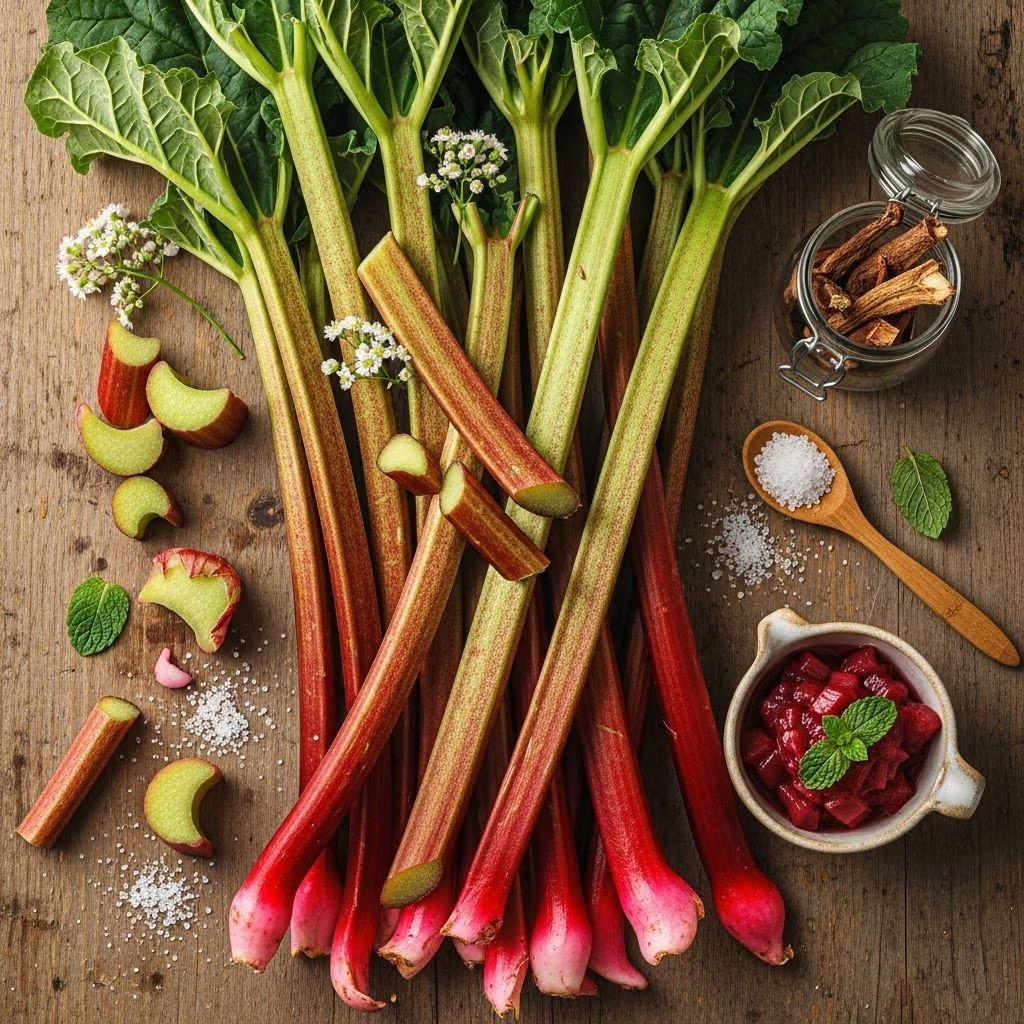
Rhubarb is a unique and vibrant member of the plant world—a vegetable by botanists’ standards but most commonly enjoyed as a fruit in the kitchen. From its ancient medicinal roots to its starring role in many spring and summer desserts, rhubarb stands apart for its bold flavor, striking appearance, and versatility. This article explores everything you need to know about rhubarb, including its origins, botanical characteristics, health benefits, culinary applications, nutritional information, and signature tangy taste.
Introduction to Rhubarb
Rhubarb (Rheum rhabarbarum), also known as pieplant, is a cold-hardy perennial vegetable belonging to the Polygonaceae family. Native to Asia and long prized for its edible stalks, rhubarb is famous for its tart flavor and vivid red or pink stalks, often used in desserts, beverages, and even savory dishes. While the stalks are safe and highly nutritious, the large leaves contain toxins and should never be consumed.
Botanical Description and Types
Rhubarb grows as a robust clump, reaching heights of 2–4 feet, and features distinct botanical markers:
- Leaves: Large, smooth, heart-shaped or triangular leaves, up to 60 cm (2 feet) wide, arising from thick, fleshy stalks (petioles).
- Stalks: Succulent, reddish-green, up to 60 cm (18 inches) long—these are the edible parts rich in vitamins and minerals.
- Rhizomes: Large, reddish-brown underground stems from which the stalks emerge.
- Flowers: Tall, central stalks appear later in the season with clusters of small greenish-white to rose-red flowers.
- Fruit: Dry, three-sided, winged achenes that contain a single seed and do not split open when ripe.
Several species and hybrids are used for culinary, ornamental, or medicinal purposes. The table below summarizes key differences among rhubarb species:
| Species | Height | Flower Color | Leaf Shape | Leaf Splits |
|---|---|---|---|---|
| R. tanguticum | 1.5–2 m | Purple/light red | Broadly ovate | 5, needle-shaped |
| R. officinale | 1.5–2 m | Yellowish-white | Subcircular | Shallow, triangular |
| R. palmatum | 1.5–2 m | Purple-red/yellow-white | Subcircular | 1/3–1/4, triangular |
| R. rhabarbarum (Common culinary rhubarb) | Up to 2 m | Greenish-white | Large, triangular | Few or none |
Edible vs. Toxic Parts
- Edible: The stalks (petioles) are safe and widely consumed.
- Toxic: The leaves contain oxalic acid and anthrone glycosides, which are poisonous and should be strictly avoided.
Origin and History
Rhubarb originated in Asia, especially in regions of China and Tibet, where it has been cultivated for over 2,000 years. Its journey through history is marked by two key uses:
- Medicinal: Ancient Chinese and Tibetan societies used the roots of species such as Rheum officinale and Rheum palmatum as purgatives and for digestive disorders.
- Culinary: Culinary rhubarb as we know it today was developed in Europe during the 17th and 18th centuries, eventually making its way to North America, where it gained popularity as a pie ingredient.
The plant was originally prized for its medicinal root, not its stalks. Only in recent centuries have the tart, edible stalks become the main attraction in Western cuisine.
Nutritional Profile
Rhubarb’s nutritional composition makes it a valuable addition to a balanced diet. Here’s a summary of key nutrients found in one serving (1 cup, diced, raw – ~120g):
- Calories: ~26 kcal
- Carbohydrates: ~6 g
- Fiber: ~2 g
- Vitamin K: Over 45% of Daily Value (DV)
- Vitamin C: ~10% of DV
- Calcium: ~10% of DV
- Potassium: ~8% of DV
- Small amounts: Vitamin A, B vitamins, iron, manganese, and magnesium
Rhubarb is low in fat, sodium, and sugar, making it a smart choice for calorie-conscious and heart-healthy diets.
Health Benefits of Rhubarb
- Rich in Antioxidants: Rhubarb contains anthocyanins (responsible for the red color), polyphenols, and vitamin C, which help combat oxidative stress and support cellular health.
- Supports Digestive Health: With its significant dietary fiber, rhubarb aids in healthy bowel movements and may alleviate mild constipation.
- Bone Strength: High vitamin K and a meaningful amount of calcium promote bone formation and may help maintain bone density.
- Weight Management: Low in calories yet filling due to fiber and water content, rhubarb is ideal for weight-friendly recipes.
- Potential Heart Benefits: Potassium and fiber content support heart health by regulating blood pressure and cholesterol.
- Traditional Medicinal Uses: The roots of medicinal rhubarbs (R. officinale) were historically used as a strong laxative and for liver and stomach complaints (note: not recommended for DIY medicinal use due to potency).
Research Insights
- Modern research continues to investigate rhubarb-derived compounds for antioxidant, anti-inflammatory, and hepatoprotective properties, particularly in extracts of medicinal species.
- Most clinical benefits are best delivered as part of a healthy, varied diet rather than through concentrated extracts unless under professional guidance.
Culinary Uses
Rhubarb is a culinary chameleon, straddling the boundaries between fruit and vegetable. While technically a vegetable, it is most often prepared as a fruit due to its tart flavor profile. Only the stalks are used in cooking; the leaves should never be consumed.
Common Culinary Applications
- Pies and Crisps: The classic “rhubarb pie,” often paired with strawberries, balances tartness with sweetness.
- Compotes and Preserves: Cooked with sugar to create tangy sauces, jams, and chutneys for spreading or serving alongside savory dishes.
- Beverages: Used in cordials, lemonade, and as a base for homemade wines and aperitifs.
- Baked Goods: Mixed into muffins, cakes, bars, and breads to add a distinctive zest.
- Savory Recipes: Sometimes combined with meats, especially pork and poultry, or added to sauces for a bright, acidic note.
Preparation Tips
- Select crisp, brightly colored stalks (redder varieties tend to be more visually appealing; green is fine for eating).
- Wash and trim both ends, removing any traces of leaves.
- Peeling is unnecessary but may be done for very thick or fibrous stalks.
- Cook with sugar or other sweeteners to offset tartness.
Taste Profile of Rhubarb
The defining characteristic of rhubarb is its overwhelmingly tart flavor. Here’s how rhubarb’s taste can be described:
- Intense Tartness: Raw rhubarb is sharply acidic, often puckeringly sour—much more so than lemon or cranberries.
- Subtle Fruitiness: When cooked, especially with sugar or fruit (such as strawberries or apples), rhubarb’s flavor deepens and softens, offering a tangy brightness and gentle astringency.
- Texture: Raw stalks are crisp and juicy (like celery), while cooked rhubarb disintegrates into a tender, almost jam-like consistency.
- Color Appeal: The more red the stalk, the more alluring the appearance, but color isn’t a reliable indicator of taste. Both green and red stalks can be equally tart and flavorful.
Potential Risks and Safety Considerations
- Toxicity of Leaves: Rhubarb leaves contain high levels of oxalic acid and anthrone glycosides, making them highly toxic if ingested. Consumption can cause nausea, upset stomach, difficulty breathing, and, in rare cases, kidney damage or failure.
- Safe Handling: Always discard leaves; use only the stalks in cooking and preparations.
- Kidney Stones: People with a history of kidney stones or those on oxalate-restricted diets should consume rhubarb in moderation, as oxalic acid is present in small amounts in stalks as well.
- Pregnancy & Medication: Consult a healthcare provider before using medicinal rhubarb extracts, especially in pregnancy, breastfeeding, or in combination with certain medications.
How to Buy and Store Rhubarb
Buying Tips:
- Look for firm, crisp stalks with vibrant color (can be deep red, pink, or green).
- Avoid wilted, blemished, or slimy stalks.
- Leaves (if present) should be fresh but are best removed before storage due to their toxicity and tendency to draw moisture from stalks.
Storing:
- Refrigerate stalks loosely wrapped in plastic or in a perforated bag for up to two weeks.
- Freeze chopped stalks for long-term storage—no need to blanch beforehand, but blanching preserves color and flavor.
- Do not store with leaves attached.
Frequently Asked Questions (FAQs)
Q: Is rhubarb a fruit or a vegetable?
A: Botanically, rhubarb is a vegetable (related to buckwheat and sorrel), but it is used as a fruit in cooking due to its tart flavor and use in sweet dishes.
Q: Can rhubarb be eaten raw?
A: Yes, rhubarb stalks can be eaten raw but are extremely tart. They are usually cooked and sweetened. Never eat the leaves raw or cooked.
Q: Why are rhubarb leaves poisonous?
A: The leaves contain oxalic acid and anthrone glycosides, both of which are toxic to humans and can cause serious health issues if ingested.
Q: What are the best uses for homegrown rhubarb?
A: Rhubarb is ideal for pies, crisps, jams, syrups, compotes, and as an accent in savory dishes. It can also be frozen for later use.
Q: How long does a rhubarb plant last?
A: As a perennial, rhubarb plants can thrive for 10–15 years or more with proper care, producing harvestable stalks every spring.
Conclusion
Rhubarb captivates gardeners, cooks, and nutritionists alike with its bold color, signature tang, and substantial health benefits. Whether stewed into classic desserts or lending brightness to modern savory fare, this ancient perennial remains a steadfast hero of the early-season table. By understanding rhubarb’s unique properties, safe handling, and multitude of uses, you can fully appreciate its role in both traditional and contemporary cuisine.
References
- https://www.britannica.com/plant/rhubarb
- https://pmc.ncbi.nlm.nih.gov/articles/PMC7448319/
- https://hort.extension.wisc.edu/articles/rhubarb-rheum-rhabarbarum/
- https://en.wikipedia.org/wiki/Rhubarb
- https://learn.eartheasy.com/articles/rhubarb-the-unsung-hero-of-the-spring-garden/
- https://leafrootfruit.substack.com/p/how-to-grow-rhubarb
- https://www.missouribotanicalgarden.org/PlantFinder/PlantFinderDetails.aspx?taxonid=292979&isprofile=0&chr=19
- https://northerngardener.org/plant-profile-rhubarb/
- https://www.plantea.com/rhubarb.htm


