


Introduction
Romaine lettuce has earned its place as one of the most popular greens consumed globally, prized for its upright heads, robust texture, and mild sweet flavor. Known as “cos” lettuce in some regions, this leafy vegetable is a cornerstone of classic salads—including the famed Caesar salad—and a versatile ingredient that adapts to grilling, braising, and even as a base for lettuce wraps. This article explores everything you need to know about Romaine lettuce: its origins, nutritional profile, health benefits, culinary uses, and how its taste and texture set it apart from other lettuces.
Botanical Overview and Origin
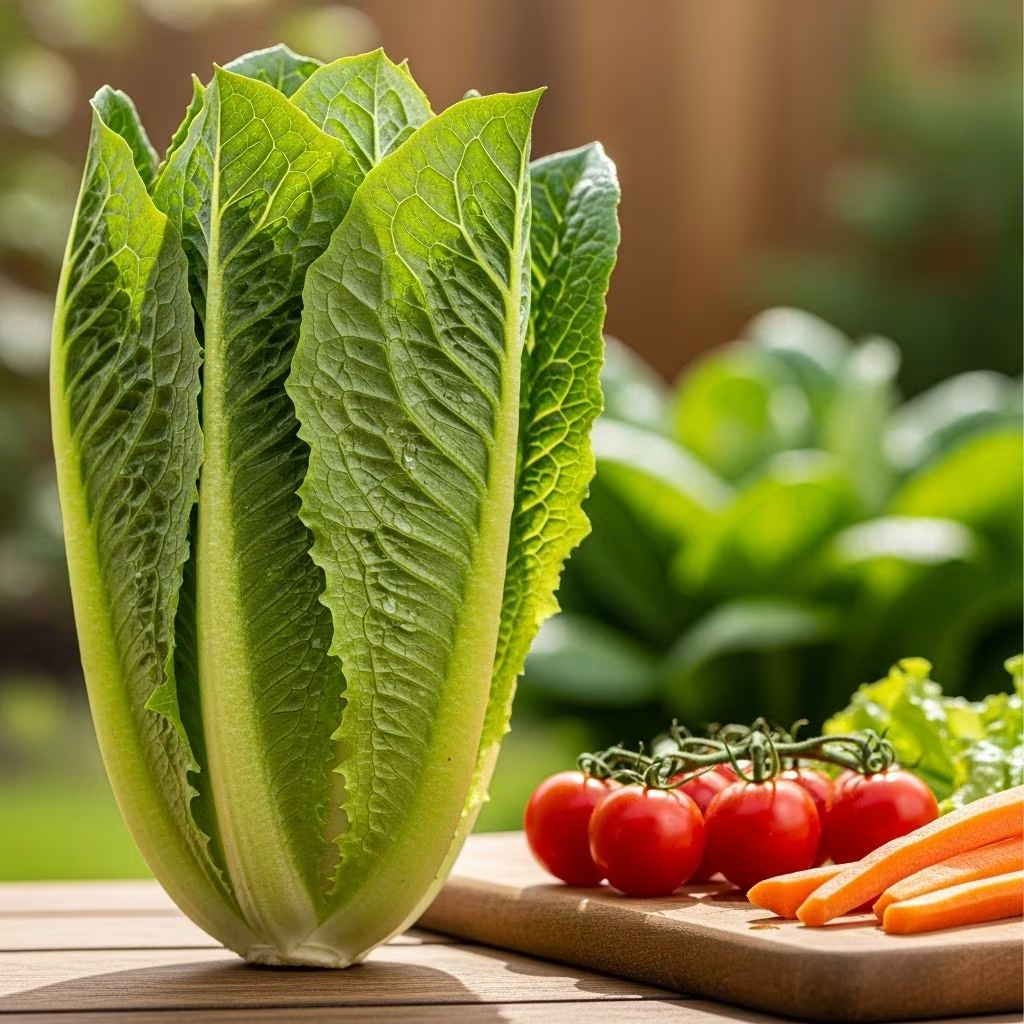
Romaine lettuce (Lactuca sativa var. longifolia) is a member of the family Asteraceae and is characterized by its tall, upright growing form and elongated leaves featuring thick, crunchy midribs. Unlike most lettuce varieties, it has greater heat tolerance and thrives in cooler weather, making it ideal for spring and fall cultivation.
Other names: Romaine is also known as “cos lettuce”—a term thought to derive from either the Greek island of Cos or the Arabic word for lettuce, khus. Its journey into the European palette came by way of Rome and the Mediterranean basin, with cultivation tracing back thousands of years to Western Asia and the Mediterranean region.
| Characteristic | Description |
|---|---|
| Plant Type | Annual vegetable |
| Family | Asteraceae |
| Genus | Lactuca |
| Height/Spread | 8–24 inches tall, 8–12 inches spread |
| Native Area | Mediterranean and Western Asia |
| Other Names | Cos lettuce |
Key Botanical Features
- Upright heads with elongated, boat-like leaves
- Thick and crunchy midribs that taper towards the leaf tops
- Deep green color, sometimes with red or bronze tinges depending on variety
- Annual and self-pollinating, suited for multiple staggered plantings
Nutrition and Health Benefits
Romaine lettuce is a powerhouse of nutrients yet low in calories, making it an excellent choice for healthy eating plans. Its nutrient density compares favorably with other greens, due to the presence of vitamins, minerals, fiber, and antioxidants that contribute to overall wellness.
Nutrition Highlights (per 100g raw Romaine lettuce)
- Calories: Approximately 17 kcal
- Water: 95%
- Protein: 1.2 g
- Carbohydrates: 3.3 g (including 2.1 g dietary fiber)
- Fat: 0.3 g
- Vitamins: Rich source of vitamin A (via beta-carotene), vitamin K, and vitamin C
- Minerals: Good source of folate, potassium, calcium, and iron
- Antioxidants: Contains polyphenols and carotenoids for cellular protection
Health Benefits
- Supports eye health: High vitamin A content aids vision and immunity
- Promotes heart health: Fiber and antioxidants contribute to reduced risk of cardiovascular disease
- Bone strength: Vitamin K and calcium help maintain bone density and health
- Weight management: Low calorie and high water content make it perfect for weight loss and hydration
- Digestive support: Dietary fiber helps regulate healthy digestion
- Immune boost: Vitamin C and other phytochemicals bolster immunity
Given its nutritional makeup, Romaine is especially valued in health-conscious diets and is widely recommended for raw preparations to preserve its vitamin content.
Taste and Sensory Profile
What sets Romaine apart from other lettuce varieties is its remarkable balance of flavor, color, and crunch, with unique sensory experiences depending on how it’s prepared and which part of the leaf is used.
Flavor, Color, and Texture Ratings
| Sensory Attribute | Description |
|---|---|
| Flavor | Mild sweetness with subtle bitterness, especially in outer leaves; hearts sweeter |
| Texture | Crisp and crunchy, with the heart and ribs delivering maximum crispness |
| Color | Varies from pale green (ribs/heart) to deep green (leaf tips), with occasional bronze or red hues |
- Mild, crisp, and slightly sweet flavor makes it versatile in salads and wraps
- Outer leaves tend to be more bitter; removing them enhances sweetness
- The crunchy midrib and sturdy leaf structure stand up well to dressings, grilling, and wrapping
Its adaptability means Romaine can complement bold flavors, absorb dressings, and retain its crunch in diverse culinary settings.
Popular Varieties of Romaine Lettuce
Romaine is not a single cultivar but an umbrella term for various types of elongated, upright lettuce. Some of the best-known varieties include:
- Parris Island Cos: Classic, deep green, crisp leaves; commonly grown in home gardens
- Freckles: Green leaves with red-speckled variegation; visually appealing and sweet
- Vivian: Extra-large heads with thick, crunchy ribs and mild flavor
- Red Romaine: Cultivars with bronze or reddish hues; often sweeter and more tender
Varietal diversity means that Romaine can range in color, texture, and flavor intensity, offering distinct gustatory experiences for each type.
Culinary Uses and Cooking Methods
Romaine is celebrated for its versatility in the kitchen. Its structure allows for a wide range of culinary applications, from classic salads to braised dishes and beyond.
Popular Culinary Uses
- Salads: Caesar salad is the signature preparation, with Romaine’s crunch paired with creamy dressing
- Lettuce wraps: Boat-shaped leaves hold fillings well for low-carb wraps and tacos
- Grilling: Romaine hearts brushed with olive oil and grilled tenderize while retaining crunch
- Braising and soups: Cooked Romaine takes on a softer texture and absorbs flavors
- Sandwiches and burgers: Sturdy leaves stand up to sauces and heat, adding crunch
- Smoothies: Mild flavor makes it easy to blend into green drinks for extra nutrition
Culinary Pairings
| Ingredient | Pairing Benefit |
|---|---|
| Parmesan cheese | Enhances umami in Caesar salads |
| Lemon juice | Brightens flavor, balances slight bitterness |
| Avocado | Textural contrast and healthy fats |
| Garlic | Bold, savory depth for dressings and marinades |
| Grilled chicken | Protein for hearty main salads or wraps |
Romaine’s versatility makes it an easy substitute for other greens, such as iceberg or Bibb lettuce, especially when crispness and heat tolerance are desired.
Growing and Harvesting Romaine Lettuce
Romaine is surprisingly easy to cultivate and ideal for both beginners and seasoned gardeners. It can be grown in garden beds or containers and adapts well to a range of climate zones.
Growing Tips
- Best season: Cool temperatures of early spring or fall
- Light: Full sun to partial shade
- Watering: Moderate, with well-draining soil to prevent root rot
- Spacing: About 12 inches apart for mature heads
- Maintenance: Low; suitable for successive plantings for prolonged harvest
- Pests & Diseases: Aphids, thrips, botrytis, anthracnose, leaf drop—regular inspection recommended
Harvesting
- Harvest heads when leaves are firm and crisp; typically early summer to early fall
- For sweeter, more tender leaves, harvest young or cut as “baby” Romaine
- Store in a cool place to preserve crispness and freshness
Growing your own Romaine allows for control over pesticide use and maximizes nutrient retention.
Food Safety and Considerations
As a widely consumed raw vegetable, Romaine lettuce occasionally faces issues with contamination by pathogenic bacteria, notably E. coli.
Safety Tips
- Wash thoroughly: Always rinse leaves under cold running water before use
- Purchase from reputable sources: Store-bought Romaine should be checked for recalls and safety warnings
- Avoid cross-contamination: Separate raw lettuce from meat and other contaminants
- Monitor recalls: Stay updated with food safety alerts for leafy greens
Proper handling and awareness greatly reduce the risk associated with raw consumption.
Frequently Asked Questions (FAQs)
Q: What is the difference between Romaine and other lettuce types?
A: Romaine is more upright, has firmer, crunchier ribs, and offers a balance of sweet and slightly bitter flavor, making it more suited for robust salads and grilling than tender leaf lettuces.
Q: Is Romaine lettuce safe to eat raw?
A: Yes, but always wash thoroughly and check for any safety recalls. Occasional outbreaks of E. coli have affected Romaine due to contamination in the supply chain.
Q: Can Romaine lettuce be cooked?
A: Absolutely! Romaine is delicious when grilled, braised, or added to soups. Cooking can soften the texture and add a smoky flavor.
Q: Why does some Romaine taste more bitter than others?
A: Bitterness is usually more pronounced in the outer leaves and older plants. Using hearts or harvesting young leaves increases sweetness.
Q: What is the best way to use Romaine in wraps?
A: Use the cup-shaped, sturdy leaves as a low-carb base for fillings such as grilled chicken, beans, or vegetables. Their natural structure holds ingredients well without tearing.
References
- Epic Gardening: How to Plant, Grow, and Care for Romaine Lettuce
- LettuceInfo.org: Romaine Lettuce Nutrition Facts & Calories
- Longfellow’s Greenhouses: Romaine Lettuce Plant Profile
- Wikipedia: Romaine lettuce
References
- https://www.epicgardening.com/romaine-lettuce/
- https://lettuceinfo.org/products/romaine/
- http://plants.longfellowsgreenhouses.com/12100007/Plant/29076/Romaine_Lettuce/
- https://en.wikipedia.org/wiki/Romaine_lettuce
- https://risegardens.com/blogs/communitygarden/all-about-romaine-lettuces-from-origins-to-uses
- https://www.ams.usda.gov/grades-standards/romaine-grades-and-standards
- https://www.aprifel.com/en/nutritional-sheet/lettuce/
- https://pmc.ncbi.nlm.nih.gov/articles/PMC9219965/


