


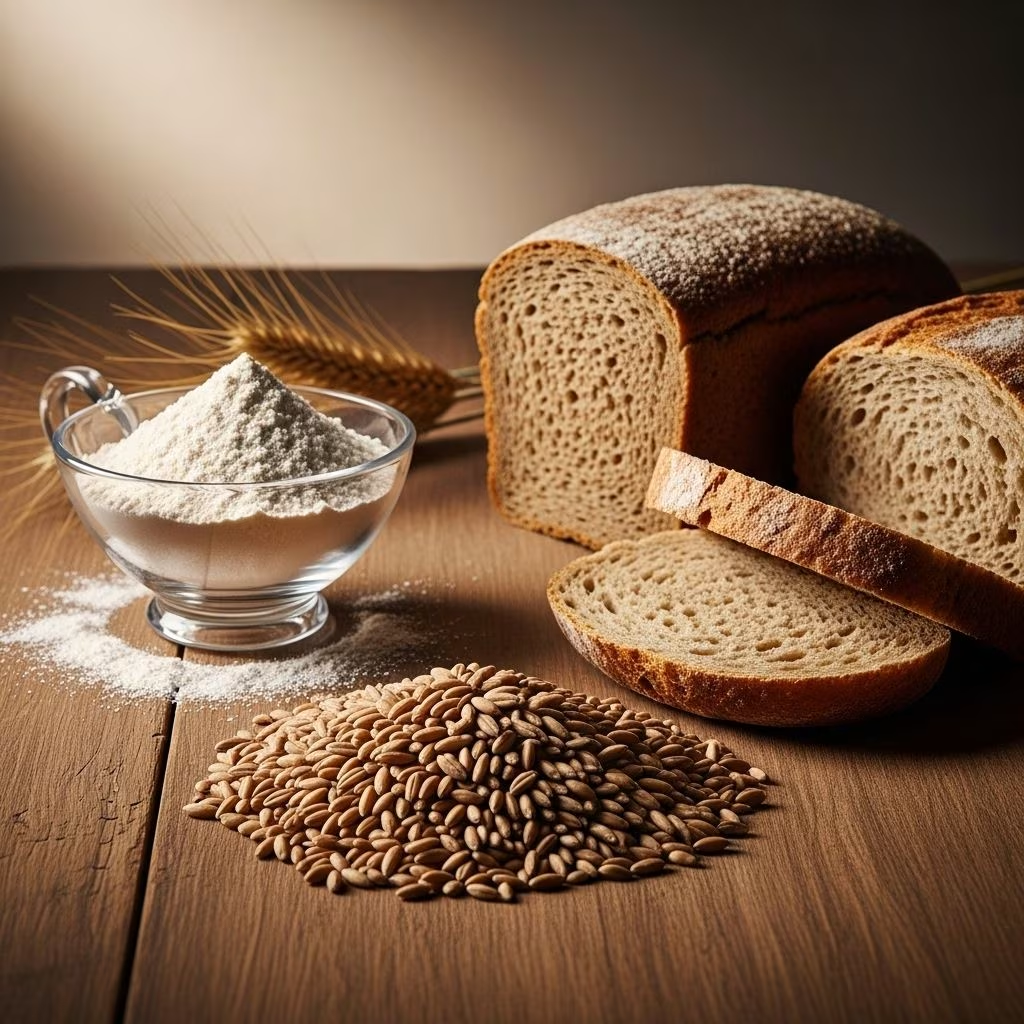
Rye Grain: Baking Uses, Substitutes & Nutrition
Rye grain has earned a distinct reputation in the culinary world for its earthy flavor, nutritional advantages, and valuable role in international baking traditions. From classic rye bread to innovative pastries, rye grain’s unique properties set it apart from other grains like wheat, spelt, and barley. This guide offers a detailed overview of rye’s baking uses, practical substitutions, and health benefits for home bakers, chefs, and nutrition enthusiasts.
Introduction to Rye Grain
Rye (Secale cereale) is a cereal grain that thrives in cool, temperate climates and has a long history in European and Scandinavian cuisine. Its robust flavor, adaptability, and nutritional profile make it a staple not only in breads—like pumpernickel and rugbrød—but also in cookies, muffins, crackers, and even cakes. Rye flour is milled from the whole grain rye berries, which may also be cooked whole and added to salads and pilafs.
Baking and Culinary Uses of Rye
Rye is one of the world’s most versatile grains, offering a pleasantly sour, nutty character that elevates both traditional and modern baked goods. Rye is used in several forms, including:
- Rye Flour: The most common form in baking, available in light, medium, and dark varieties.
- Whole Rye Berries: Can be cooked for grain salads or added to hearty loaves.
- Rye Flakes and Chops: Used for porridge or added texture in breads.
Rye’s low gluten content makes it a favorite for dense and moist breads. It’s prized for sourdoughs, open-textured loaves, crackers, muffins, cookies, brownies, and tart crusts.
Types of Rye Flour
Understanding rye flour varieties is vital for successful baking. Each type differs in flavor, color, and baking performance:
- Light Rye Flour: Milled from the endosperm, light in color, mild in flavor; ideal for softer, lighter rye breads and pastries.
- Medium Rye Flour: Contains some bran and germ, offering richer flavor and darker color.
- Dark Rye Flour: Includes most of the bran and germ; produces bold flavor and deep color typical of traditional rye loaves.
- Pumpernickel Flour: Coarsely ground whole rye used for rustic breads.
Choosing the Right Rye Flour
Your choice depends on the desired flavor, crumb, and texture. For open-crumb breads, light rye is best, while dark rye suits rustic loaves and crackers.
Popular Rye-Based Recipes & Products
Rye flour stands out for its versatility and compatibility with sweet, savory, and tangy flavors. Iconic rye-based baked goods include:
- Homemade Rye Bread: Dense, hearty loaf featuring caraway seeds for extra flavor.
- Rustic Rye Bread: Combines rye, wholemeal, and spelt flour for complexity.
- Rye Sandwich Bread: Softer loaf, perfect for everyday sandwiches.
- Banana Rye Muffins: Combines banana’s sweetness with rye’s nutty note for a moist muffin.
- Chocolate Chip Rye Cookies: Rye flour deepens the flavor and adds chewiness to cookies.
- Rye Brownies: The addition of rye flour amplifies the richness of chocolate desserts.
- Nordic Rye Breads: Includes Danish rye bread (rugbrød), Swedish limpa, and thin crispbreads (knäckebröd).
- Tarts and Bars: Rye flour serves as a hearty base for fruit bars and tart crusts.
| Baked Good | Type of Rye | Key Features |
|---|---|---|
| Rugbrød (Danish rye bread) | Medium/dark rye flour | Dense, sour, nutritious, seed-enriched |
| Swedish Knäckebröd (crispbread) | Light or medium rye flour | Thin, crunchy, whole grain |
| Rye Chocolate Chip Cookies | Light rye flour | Chewy, nutty, rich flavor |
| Rye Brownies | Whole grain rye flour | Moist, earthy, chocolatey |
Comparison: Rye vs. Other Grains
| Grain | Flavor | Gluten Content | Common Baking Uses |
|---|---|---|---|
| Rye | Earthy, sour, nutty | Low | Breads, cookies, crackers, muffins |
| Wheat | Mild, slightly sweet | High | Breads, cakes, pastries, pasta |
| Barley | Mild, slightly nutty | Low | Breads, stews, soups |
| Spelt | Slightly sweet, nutty | Medium | Breads, crackers, cookies |
Rye’s gluten content is lower than wheat, resulting in denser breads and baked goods that offer depth of flavor and nutritional density. Rye flour absorbs more liquid and can create stickier doughs, so recipe adjustments are often required when substituting or blending grains.
Substitutes for Rye in Baking
Occasionally, rye flour may not be available or desired. Several substitutes can mimic rye’s qualities in recipes:
- Whole Wheat Flour: Slightly denser than white flour; provides fiber and some earthiness.
- Spelt Flour: Nutty, sweet taste with moderate gluten; excellent for rustic breads.
- Barley Flour: Mild and nutty; suitable for flatbreads and cookies.
- Buckwheat Flour: Earthy flavor, gluten-free; use in pancakes or blended doughs.
- Oat Flour: Mild taste; adds moisture to dense breads and muffins.
To maintain the right texture, blend substitute flours with wheat or add binding agents like eggs or chia for structure. Spelt is especially close to rye in texture and nutritional profile, making it a favored alternative in many rye recipes.
Nutritional Benefits of Rye
Rye is celebrated for its potent nutritional value. Below is a comparison of nutrients per 100g (values are for whole rye grain):
| Nutrient | Rye Grain | Wheat Grain |
|---|---|---|
| Energy | 338 kcal | 340 kcal |
| Protein | 10g | 11g |
| Fiber | 15g | 13g |
| Iron | 2.7 mg | 3.2 mg |
| Magnesium | 110 mg | 126 mg |
| Folate | 35 μg | 43 μg |
- High in Fiber: Rye contains more dietary fiber than most other grains, which supports digestion and helps manage cholesterol and blood sugar.
- Lower Glycemic Index: Rye bread keeps blood sugar levels more stable compared to wheat bread.
- Rich in Micronutrients: Rye offers a spectrum of minerals, including magnesium, phosphorus, iron, and zinc, plus B vitamins essential for metabolism.
- Supports Satiety: Rye’s fibrous structure promotes a lasting feeling of fullness, ideal for weight management.
Expert Tips for Baking with Rye
- Because rye flour absorbs more water than wheat, doughs are typically stickier and require careful hydration adjustments.
- The low gluten content means dough structure relies on fermentation (sourdough, yeast) rather than kneading alone.
- Blending rye flour with wheat or spelt improves dough elasticity and rise.
- Allow extra fermentation time for dark rye and whole grain rye breads for a richer, tangier flavor.
- Caraway seeds, molasses, honey, and fruits like apples or berries pair exceptionally well with rye.
- For cookies and brownies, rye flour adds depth and chewiness even when substituted for part of the wheat flour in a recipe.
Frequently Asked Questions (FAQs)
Q1: Can I substitute rye flour for wheat flour in any recipe?
A: Rye flour can replace wheat flour partially in most recipes, but pure rye doughs are denser due to lower gluten. For breads, combine rye with wheat or spelt for better rise.
Q2: What types of dishes use whole rye berries?
A: Whole rye berries are popular in salads, grain bowls, pilafs, and can be cooked like rice for a chewy, nutty base.
Q3: Does rye have gluten?
A: Yes, but significantly less than wheat, resulting in denser products. Those with celiac disease or gluten sensitivity must avoid rye.
Q4: Is rye bread healthy?
A: Rye bread is a wholesome choice—high in fiber, lower on the glycemic index, and packed with essential nutrients.
Q5: What’s the best flour to substitute for rye in baking?
A: Spelt flour offers a similar nutty profile and structure, while whole wheat and barley flours also make acceptable replacements.
Conclusion
Rye grain remains an indispensable ingredient in the world of baking, offering a powerhouse of flavor and nutrition for conventional breads and innovative desserts alike. Its unique chemistry and robust taste bring character to loaves, muffins, cookies, crispbreads, tarts, and more. Whether working with traditional rye flour or exploring creative substitutes, understanding rye’s baking properties and nutritional strengths empowers home cooks and professionals to create truly memorable baked goods.
References
- https://cotswoldflour.com/blogs/baking-resources/6-baking-recipes-using-rye-flour
- https://brooksgrain.com/3-awesome-rye-recipes-for-summer/
- https://true-north-kitchen.com/the-essential-guide-to-cooking-and-baking-with-rye-with-recipes/
- https://www.coloradograinchain.com/blog/e9fc3c29-f5fb-4ec3-8ce7-e0baabd944dd
- https://www.kingarthurbaking.com/recipes/collections/sweet-side-of-rye
- https://forum.breadtopia.com/t/what-to-do-with-rye-berries/42354
- https://naturallyella.com/pantry/grains/rye/


