


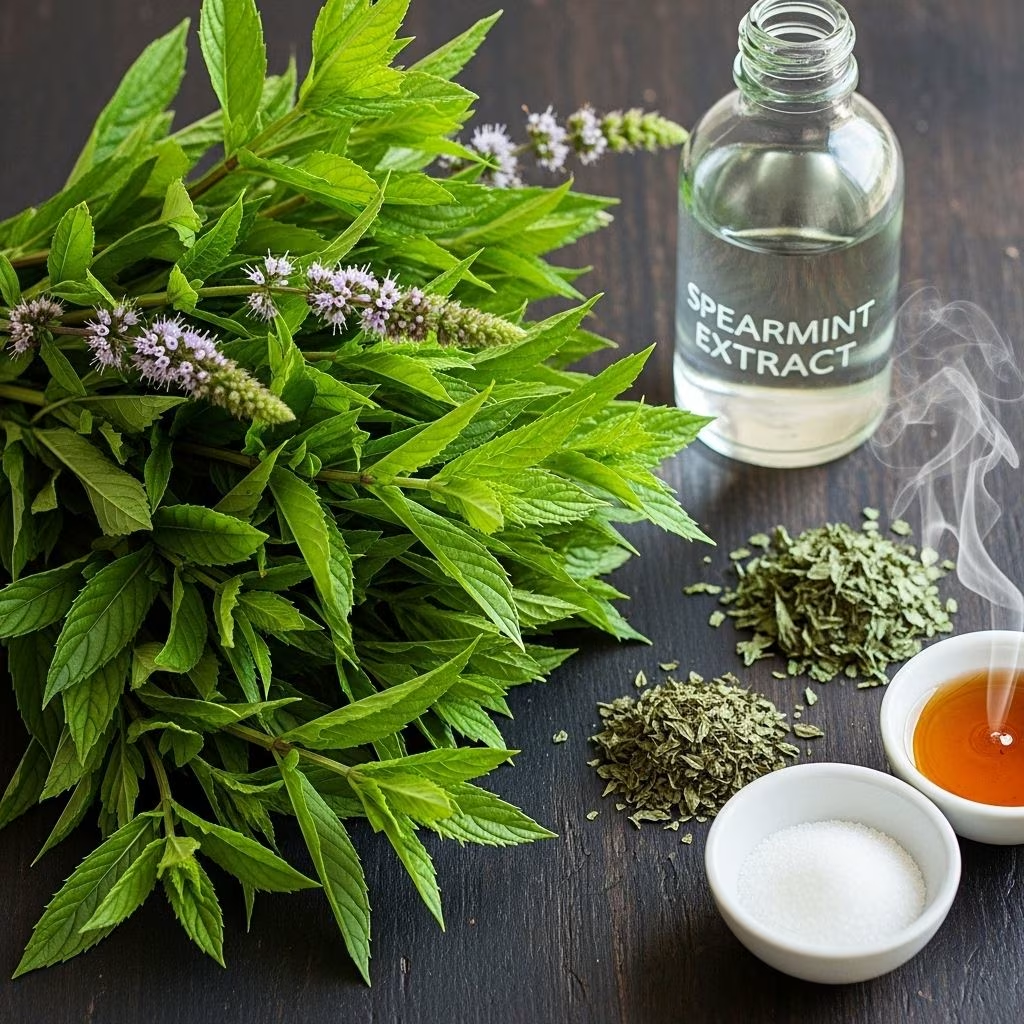
Spearmint: Flavor, Uses & Easy Substitutes
Spearmint (Mentha spicata) is an aromatic herb known for its mild, sweet flavor and versatility in a wide array of culinary, medicinal, and household applications. Whether you’re a home chef, herbal enthusiast, or simply appreciate its refreshing taste, understanding spearmint’s characteristics, uses, and substitutes can enhance your enjoyment and ease in the kitchen.
Introduction
Spearmint is one of the most recognized members of the mint family, used globally for its gentle, refreshingly sweet flavor. It is native to the Mediterranean but is now grown worldwide. Spearmint leaves, with their vibrant green color and pointed shape, are a staple in both fresh and dried forms in kitchens and apothecaries alike.
Flavor Profile of Spearmint
Spearmint is distinctive for its mild, sweet taste, with subtle nuances of herbal freshness and significantly less intensity than peppermint. Its menthol content causes a faint cooling sensation, but at just 0.5–1%, it’s much gentler than the bold punch of peppermint, which has a menthol concentration upwards of 40%.
- Aroma: Refreshingly sweet, grassy, and delicately herbal.
- Major Flavor Compound: Carvone—a terpenoid giving it its characteristic scent and sweetness with minimal menthol sharpness.
- Texture: Fresh leaves are tender, aromatic, and provide a pleasant mouthfeel in salads and drinks.
Spearmint’s flavor is gentle enough to enhance without overwhelming, making it favored in delicate preparations where subtle herbal notes are desired.
Chemical Composition Table
| Compound | Percentage in Spearmint | Effect on Flavor |
|---|---|---|
| Carvone | ~50–70% | Sweet, pleasant, herbal aroma |
| Menthol | 0.5–1% | Mild cooling effect |
| Menthone | 2–5% | Secondary minty note |
Culinary Uses of Spearmint
Spearmint’s versatility in the culinary world knows few bounds. Its leaves, fresh or dried, are used extensively in savory and sweet dishes, beverages, and garnishes, imparting a refreshing herbal character without dominating other flavors.
- Salads: Chopped spearmint brightens Mediterranean dishes like tabbouleh and Greek salads.
- Hot & Cold Beverages: Essential in mojitos, mint juleps, herbal teas, and lemonades.
- Condiments & Sauces: Spearmint sauce and chutney often accompany lamb, yogurt, or grilled vegetables.
- Desserts: Infused in ice creams, sorbets, cakes, and fruit salads for subtle sweetness.
- Baked Goods & Sweets: Used for mints, candies, chewing gum, and chocolate pairings.
- Garnishing: Fresh leaves add vibrant appeal to cocktails, plates, and desserts.
International Inspiration
- Middle Eastern: Lamb with mint, tabbouleh, mint tea
- Mediterranean: Yogurt cucumber salad (tzatziki), dolmas
- Indian: Mint chutney, raita
- American: Mint julep, citrus mint lemonade
- Eastern European: Mint preserves, herbal blends
Culinary Pairings Table
| Spearmint Pairs Well With | Why? |
|---|---|
| Lamb | Balances richness, adds brightness |
| Yogurt | Enhances creaminess, refreshes palate |
| Fruits (melon, citrus, berries) | Boosts sweetness, adds freshness |
| Cucumber | Amplifies crispness |
| Chocolate | Contrast of herbal and sweet |
| Green peas | Classic spring pairing |
Medicinal & Therapeutic Benefits
Spearmint’s gentle properties extend beyond taste. For centuries, it has been valued in folk and traditional medicine for its array of therapeutic benefits.
- Digestive Aid: Relieves nausea, indigestion, and bloating.
- Stress Relief: Used in teas or aromatherapy to promote relaxation.
- Antiseptic Properties: Natural compounds may help with minor skin irritations.
- Antioxidant Activity: Contains substances like carvone and menthone that may offer health support.
- Respiratory Relief: Provides mild support for clearing nasal passages.
Spearmint leaves and essential oils are commonly used in teas, tinctures, balms, and topical preparations, especially for digestive and relaxation purposes.
Easy Substitutes for Spearmint
When you run out of fresh or dried spearmint, several herbs or flavorings can fill the gap. Your choice depends on the dish, desired flavor note, and amount you need.
- Peppermint: Has a stronger, sharper flavor and cooling sensation, so use about half the amount as you would spearmint. Suited for beverages, desserts, and candies, but may overpower delicate dishes.
- Mentha-type Herbs: Applemint and round-leaf mint offer similarly mild mintiness but with subtle apple or fruity notes.
- Lemon Balm: Citrus-herbal, provides a fresh contrast for sauces and salads.
- Basil: Especially Thai basil; add herbal flavor to salads and cocktails for a savory profile.
- Dried Mint (any variety): Use sparingly; flavor intensifies, so start with less and adjust.
- Mint Extract or Flavor Concentrate: For baked goods or beverages, 1 drop per ounce suffices.
- Cilantro or Parsley: Offer fresh herbal notes, though different in aroma—work as garnish or in mixed herb blends.
Tip: When substituting, consider the menthol content and sweetness; taste the dish and adjust quantities to fit your flavor preference.
Substitute Comparison Table
| Substitute | Best For | Suggested Ratio |
|---|---|---|
| Peppermint | Beverages, Candy | 0.5x spearmint amount |
| Lemon Balm | Salads, Sauces | 1x |
| Thai Basil | Asian Dishes, Drinks | 1x |
| Dried Mint | Cooked Dishes | 0.5x |
| Mint Extract | Baking, Beverages | 1 drop per oz |
Growing & Caring for Spearmint
Spearmint is resilient and easy to cultivate. It can thrive in containers, garden beds, or window boxes and is adaptable to a range of climates and soils.
- Soil: Prefers moist, well-drained soil—can tolerate some dryness.
- Sunlight: Grows well in partial to full sun.
- Watering: Regular watering keeps leaves lush, but avoid over-saturation.
- Harvest: Pick young leaves for best flavor; too-old leaves get coarse and lose aroma.
- Maintenance: Contains prolific runners—keep contained, or mint will quickly invade garden spaces.
Spearmint vs. Peppermint: A Comparison
While both spearmint and peppermint are cousins from the Mentha genus, their differences affect culinary and medicinal applications.
| Feature | Spearmint | Peppermint |
|---|---|---|
| Menthol Content | 0.5–1% | ~40% |
| Flavor | Sweet, subtle, grassy | Bold, cooling, sharp |
| Aroma | Mild, herbal | Strong, invigorating |
| Primary Use | Salads, drinks, savory dishes | Baked goods, desserts, medicinal |
| Appearance | Lighter green, pointed leaves | Darker green, rounded |
| Medicinal Benefits | Mild digestive, stress relief | Analgesic, decongestant |
Popular Recipes & Inspirations
Harness the bright, herbal magic of spearmint in these classic and inventive recipes:
- Classic Mojito: Lime juice, sugar, white rum, soda, and fresh spearmint leaves.
- Mint Lemonade: Lemon juice, honey, water, and muddled spearmint.
- Tabbouleh: Parsley, bulgur, tomato, cucumber, and a generous handful of chopped spearmint.
- Mediterranean Lamb Skewers: Marinate with garlic, olive oil, mint, and spices.
- Greek Tzatziki: Yogurt, cucumber, garlic, olive oil, and chopped spearmint leaves.
- Fresh Fruit Salad: Watermelon, strawberries, oranges, tossed with spearmint ribbons.
- Mint Chutney: Cilantro, spearmint, chili, and lime blended for a spicy tang.
Frequently Asked Questions
Q: Can I substitute peppermint for spearmint in recipes?
A: Yes, but use half the amount, as peppermint is much stronger and could overpower delicate dishes. It’s generally better suited for desserts and beverages than savory dishes.
Q: Is spearmint safe for daily consumption?
A: Absolutely. Spearmint is safe for most people in food quantities and can provide modest digestive and relaxation benefits. If using concentrated oils, follow dosage instructions.
Q: What is spearmint oil used for?
A: Spearmint essential oil is used for its refreshing aroma in aromatherapy, as a mild digestive aid, and as a flavoring in candies, gums, and oral care products.
Q: How do I store fresh spearmint?
A: Keep spearmint in a glass of water covered loosely in the fridge, or wrap lightly with damp paper towel and place in a sealed container to retain freshness for several days.
Q: Can I grow spearmint indoors?
A: Spearmint thrives indoors in bright, indirect light and well-drained soil. Regular pruning encourages bushier growth and continuous harvest.
Spearmint’s approachable flavor and versatility make it indispensable in kitchens all over the world. Knowing its profile, healthful properties, and simple substitutions ensures you’ll never miss out on its gentle herbal magic—no matter your recipe or routine.
References
- https://www.reluctantgourmet.com/peppermint-spearmint-differences/
- https://foodtolive.com/healthy-blog/peppermint-vs-spearmint-whats-the-difference/
- https://pickleandbee.ca/blogs/news/is-mentha-spicata-peppermint
- https://nicbase.com/Spearmint-Flavor-Concentrate/
- https://delosilabs.com/Spearmint-Flavor-Concentrate/
- https://plants.ces.ncsu.edu/plants/mentha-spicata/
- https://en.wikipedia.org/wiki/Spearmint
- https://www.apexflavors.com/Baking/baking-alpha/All-Flavors-and-Extracts-for-Baking~1897/spearmint-extract-flavor-flavoring-pure-natural-cooking~2092
- https://www.greenjeeva.com/blog/organic-spearmint-powder-food-manufacturing


