


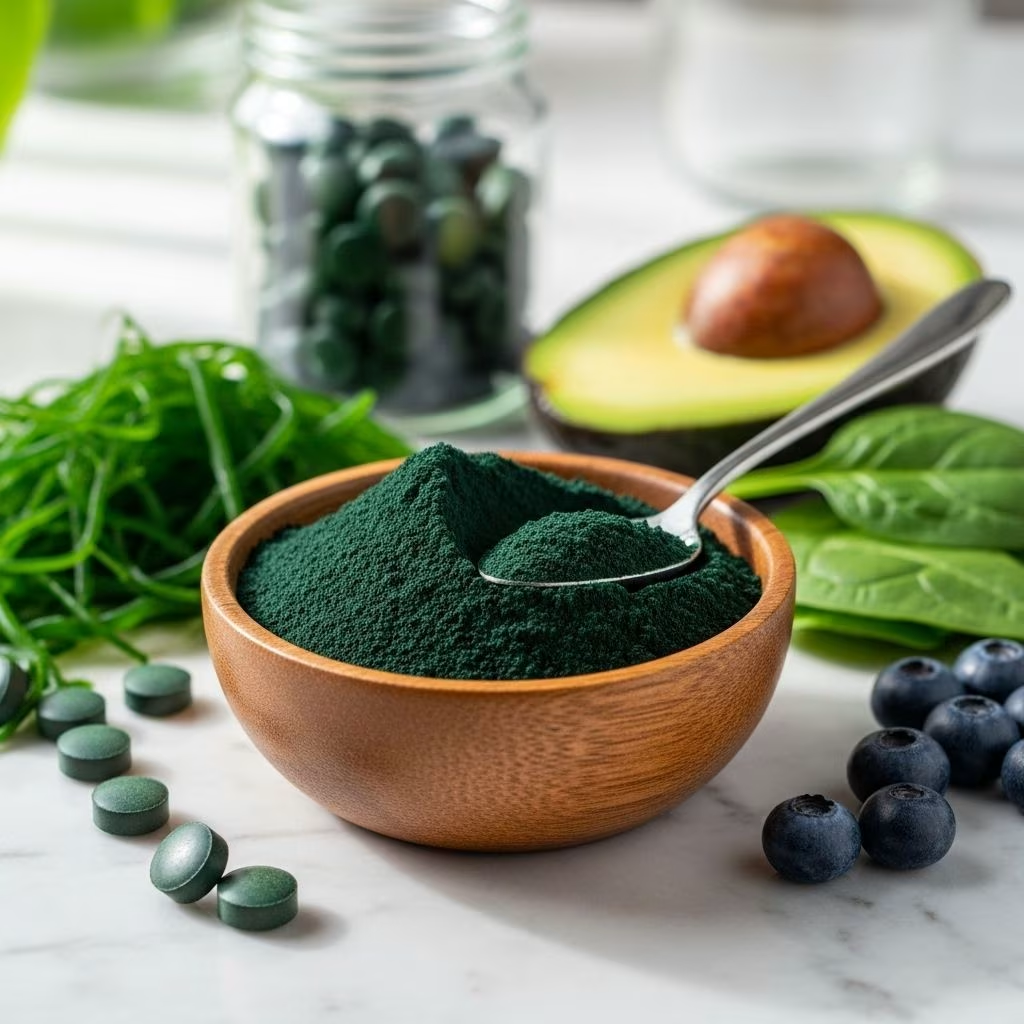
What is Spirulina?
Spirulina is a microscopic, filamentous cyanobacterium (blue-green algae) naturally found in alkaline, warm water bodies such as lakes and ponds. Recognized as a “superfood”, Spirulina is globally popular for its dense nutritional content and broad spectrum of health-promoting compounds. It is one of the most ancient life forms and is currently consumed as a dietary supplement in tablet, capsule, and powder forms worldwide. The United States Food and Drug Administration (FDA) lists Spirulina as Generally Recognized as Safe (GRAS).
History and Sources
- Tradition: Used by ancient cultures including Aztecs in daily diets due to its exceptional nutrient profile.
- Modern Use: Commercially cultivated in controlled, clean environments for supplement production, ensuring purity and safety.
Nutritional Profile of Spirulina
Spirulina’s revered status stems from its extremely high concentrations of proteins, vitamins, minerals, antioxidants, and phytonutrients. Here is a detailed look at its composition:
| Nutrient | Amount (per 7g dried) | % Daily Value* |
|---|---|---|
| Protein | 4g | 8% |
| Vitamin B1 (Thiamine) | 0.3mg | 23% |
| Vitamin B2 (Riboflavin) | 0.4mg | 31% |
| Vitamin B3 (Niacin) | 1.3mg | 7% |
| Iron | 2mg | 11% |
| Magnesium | 14mg | 4% |
| Minerals | Calcium, Potassium, Zinc, Selenium | |
| Other | Phycocyanin, Beta-carotene, Polysaccharides |
*Approximate values for adults
- Complete protein: Contains all essential amino acids and is highly digestible.
- Vitamins: B-complex, Vitamin K, and Vitamin E. Exceptionally high amounts of B1 and B2.
- Minerals: Predominant in iron, magnesium, potassium, and lesser amounts of calcium and selenium.
- Pigments: Phycocyanin (blue pigment, antioxidant), beta-carotene (vitamin A precursor).
Health Benefits of Spirulina
Research into Spirulina’s effects covers a broad spectrum of health domains, including immunity, metabolism, cardiovascular, neuroprotection, bone health, and more. Below are thoroughly documented benefits:
- Antioxidant and Anti-inflammatory Support: Rich in phycocyanin and other antioxidants, Spirulina helps neutralize free radicals and suppress inflammatory responses. This effect is linked to decreased oxidative stress and slower progression of age-related diseases.
- Immune System Support: Enhances antibody production, improves immune cell activity, and may increase resistance to infections.
- Cardiometabolic Benefits:
- Cholesterol reduction: Lowers total, LDL cholesterol and triglyceride levels while raising HDL (good cholesterol).
- Blood pressure: Supplementation with 8g/day for 12 weeks significantly lowered diastolic blood pressure.
- Glucose management: Reduces fasting blood glucose and improves glycemic regulation in some studies.
- Weight Management: May promote satiety, reduce body fat accumulation, and contribute to healthy metabolic rate.
- Neuroprotective Effects:
- Supports healthy brain aging, cognitive performance, and motor functions in animal studies.
- Potentially useful in the prevention and progression of neurodegenerative diseases such as Parkinson’s, Alzheimer’s, and Multiple Sclerosis by reducing inflammation and oxidative stress in the brain.
- Bone Health: May help improve bone formation and reduce the risk of fractures, especially in those with diabetes through increased osteocalcin and strengthened bones.
- Anti-allergy Properties: Decreases symptoms of allergic rhinitis, such as nasal discharge, itching, and sneezing.
- Potential Anti-cancer Activity: Preclinical studies show that extracts like phycocyanin may slow the growth and movement of certain cancer cells, help prevent DNA damage, and support protective signaling pathways.
- Protection Against Anemia: Increases hemoglobin concentration and red blood cell production, aiding in the management of anemia.
- Muscle Strength and Endurance: May reduce muscle fatigue, enhance strength, and endurance particularly in older adults or athletes.
- Liver Protection: Might reduce oxidative stress and damage in liver tissues caused by toxins or radiation exposure.
Scientific Evidence and Mechanisms
A growing body of clinical and preclinical studies support Spirulina’s actions and safety:
- Human Studies:
- Randomized controlled trials show cholesterol lowering, antihypertensive, and antidiabetic effects at doses ranging from 1g to 8g per day over 8–12 weeks.
- Improvements in metabolic disorders, immune function, and allergic responses.
- Animal Research:
- Neuroprotective, anti-inflammatory, bone health, and anti-cancer effects.
- Reduced oxidative cell damage and better recovery after neural injury.
Notably, phycocyanin—a unique antioxidant pigment in Spirulina—activates cellular protection pathways (Nrf2/HO-1), helping reduce radiation-induced liver damage and prevent DNA damage. The immunomodulatory and anti-inflammatory mechanisms are believed to result from reduced cytokine production and dampened immune overactivity.
Recommended Dosage and Usage
While there is no universal standard dose for Spirulina supplements, research and expert consensus suggest the following guidelines:
- General Wellness: 1–3 g per day for healthy adults is typical.
- Clinical Studies: Doses up to 8g daily for 12 weeks have shown safety and beneficial effects in studies examining blood pressure, cholesterol, and metabolic outcomes.
- Special Populations: It is recommended to start with lower doses and gradually increase, particularly for children, pregnant women, or those with underlying conditions, under medical supervision.
- Delivery: Taken with water, juices, or blended into foods. Powders and tablets/capsules are common forms.
Note: Always source Spirulina products from reputable suppliers to avoid contamination with heavy metals or microcystins.
Potential Side Effects and Precautions
Spirulina is considered largely safe for most individuals when taken at recommended doses, but possible side effects and risks exist:
- Gastrointestinal: Mild symptoms such as bloating, nausea, diarrhea, or stomach upset, especially at higher doses.
- Allergic Reactions: Rare, but possible. People with known allergies to algae, seafood, or iodine should consult their physician before use.
- Contamination Risks: Spirulina harvested from uncontrolled waters can contain heavy metals (lead, mercury), microcystins (toxic algae byproducts), or harmful bacteria. Only use certified, laboratory-tested Spirulina products.
- Autoimmune Conditions: Spirulina may stimulate immune activity and theoretically worsen symptoms in those with autoimmune diseases (e.g., lupus, rheumatoid arthritis). Use with caution.
- Phenylketonuria (PKU): Contains phenylalanine and is not advisable for individuals with PKU.
- Medication Interactions: Possible mild interactions with immunosuppressive drugs.
Consult a healthcare provider before beginning Spirulina if you have a chronic illness, are pregnant/nursing, or take prescription medications. Discontinue if any troubling symptoms occur.
Spirulina Product Forms
- Powder: Versatile, easily mixed into drinks, smoothies, or food. Allows for flexible dosing.
- Tablets or Capsules: Convenient for precise dosing and prolonged use.
- Other Forms: Included in some energy bars, drinks, or even personal care products.
Look for third-party testing, purity certifications, and organic labeling when selecting a Spirulina supplement.
Frequently Asked Questions (FAQs)
Q: Is Spirulina safe for long-term use?
A: Current studies show Spirulina is safe for long-term use when consumed at recommended dosages. Toxicological research and regulatory reviews (e.g., FDA GRAS certification) support its safety for most healthy adults. Still, ongoing monitoring and periodic evaluation are advised, especially for those with chronic conditions.
Q: Can Spirulina help with weight loss?
A: Some research suggests Spirulina may aid in weight management by promoting satiety, supporting metabolic health, and optimizing fat metabolism. These benefits are most notable when used as part of an overall healthy diet and lifestyle.
Q: What is phycocyanin and why is it important?
A: Phycocyanin is a powerful antioxidant pigment found only in Spirulina and select algae. It scavenges free radicals, modulates immune responses, reduces inflammation, and is linked to protective effects against oxidative damage, cancer, and liver injury.
Q: Can children take Spirulina?
A: Spirulina is likely safe for children when used at age-appropriate, lower doses. Always consult a pediatrician prior to supplementation.
Q: Does Spirulina interact with medications?
A: Aside from theoretical interactions with immunosuppressive drugs, Spirulina is generally well-tolerated alongside most medicines. However, people on complex regimens should always consult their healthcare provider for personalized guidance.
Conclusion
Spirulina stands out as a nutrient-dense supplement with much scientific evidence supporting benefits for immunity, metabolic and cardiovascular health, neuroprotection, bone formation, and antioxidant defense. Though the majority of individuals can safely consume it in doses up to 8g per day for extended periods, product quality and source purity are paramount. Side effects are generally mild but may affect sensitive populations or individuals with specific health conditions. Continued research may clarify additional therapeutic effects and optimal dosing strategies for target populations.
For those seeking a holistic addition to their nutritional regimen, Spirulina remains a promising, well-tolerated choice when used responsibly. Prioritizing certified sources and consulting healthcare professionals ensures optimal results and safety.
References
- https://www.jpccr.eu/pdf-189444-112000
- https://pmc.ncbi.nlm.nih.gov/articles/PMC8839264/
- https://www.healthline.com/nutrition/10-proven-benefits-of-spirulina
- https://pmc.ncbi.nlm.nih.gov/articles/PMC3136577/
- https://www.health.harvard.edu/staying-healthy/by-the-way-doctor-is-spirulina-good-for-you
- https://www.webmd.com/diet/spirulina-health-benefits
- https://www.frontiersin.org/journals/immunology/articles/10.3389/fimmu.2024.1332425/full


