


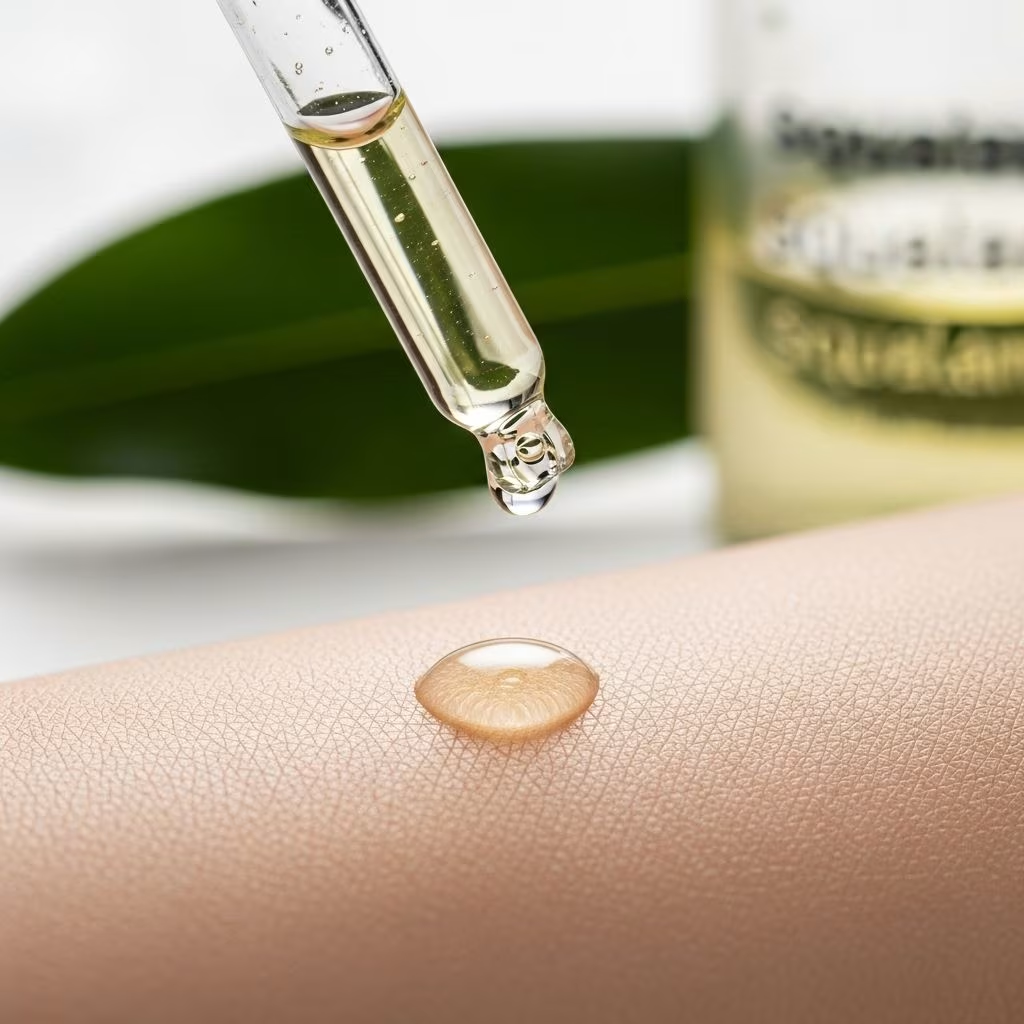
Squalane is rapidly becoming a staple in the world of skincare, heralded by dermatologists and cosmetic chemists for its unique combination of biocompatibility, moisturization, and versatility. This comprehensive guide explores the science-backed benefits of squalane, its myriad uses, formulation origins, suitability for various skin types, and practical techniques for optimal application.
What is Squalane?
Squalane is a saturated and stable hydrocarbon derived from squalene, a natural compound produced by our skin’s sebaceous glands as part of sebum. Squalene comprises about 13% of human sebum, but is highly prone to oxidation and is unstable in cosmetic formulations. To enhance shelf stability, squalene is hydrogenated to form squalane, making it a transparent, odorless, and non-greasy emollient suitable for topical use.
- Found naturally in human skin, as well as in plants (like olives, sugarcane, and rice bran) and previously from shark liver (though most modern products use plant-derived sources).
- Highly biocompatible—closely mimics skin’s natural oils, making it unlikely to irritate or trigger sensitivities.
- Shelf-stable, colorless, odorless, and non-comedogenic (does not clog pores).
Squalane vs Squalene: Key Differences
| Feature | Squalane | Squalene |
|---|---|---|
| Chemical Structure | Saturated hydrocarbon (hydrogenated form) | Unsaturated hydrocarbon (original form) |
| Stability | Highly stable, resists oxidation | Prone to oxidation, degrades quickly |
| Use in Skincare | Safe, non-irritating, and widely used | Rare; instability limits cosmetic use |
| Source | Olives, sugarcane, rice bran (mainly plant-based) | Olives, rice bran, wheat germ, shark liver oil |
Skin Benefits of Squalane
As a biomimetic ingredient, squalane integrates seamlessly into the skin barrier, offering an impressive range of scientifically supported benefits. Below are the core advantages supported by dermatological research:
1. Powerfully Hydrating
- Excellent Moisturizer: Acts as an emollient, trapping moisture within the skin and reducing trans-epidermal water loss.
- Softens and Smoothes: Leaves skin feeling supple, smooth, and plump without an oily residue.
2. Skin Barrier Support
- Bolsters the skin’s lipid barrier, reducing susceptibility to dryness, environmental aggressors, and sensitivity.
- Aids in the repair of compromised skin barriers, which is beneficial for those with eczema or barrier-damaged skin.
3. Antioxidant Properties
- Neutralizes free radicals, minimizing the impact of environmental stressors such as UV light, pollution, and oxidative damage that accelerate aging.
- A study demonstrated that squalane can counteract UVA-induced oxidative stress in skin cells, supporting its role in anti-aging and post-sun repair formulations.
4. Anti-Inflammatory Effects
- Reduces redness and swelling associated with acne and inflammatory skin conditions.
- Has shown activity in reducing markers of inflammation in cell studies, suggesting a role in calming irritated or compromised skin.
5. Non-comedogenic & Suitable for All Skin Types
- Non-comedogenic; does not clog pores—well-suited for oily, acne-prone, and sensitive skin.
- Mimics natural skin lipids, making it safe and gentle even for those with eczema or sensitive complexions.
6. Anti-Aging Benefits
- Regular use increases skin suppleness, elasticity, and reduces the appearance of fine lines and wrinkles.
- Aids in natural cell turnover and supports collagen production for a firmer, more youthful look.
7. Enhances Delivery of Other Skincare Ingredients
- Squalane enhances absorption of active ingredients when layered beneath or alongside other products, improving bioavailability without irritation.
Summary of Core Squalane Benefits
- Deep hydration and moisture retention
- Strengthens and repairs the skin barrier
- Antioxidant and anti-inflammatory properties
- Improves skin elasticity and reduces fine lines
- Non-comedogenic, gentle, and suitable for all skin types
- Enhances absorption of other active skincare ingredients
Who Should Use Squalane?
- Dry skin: Deeply hydrating, helps restore smoothness and comfort.
- Oily or acne-prone skin: Non-comedogenic and anti-inflammatory; helps balance sebum and reduce redness.
- Combination skin: Lightweight texture hydrates without greasiness.
- Ageing skin: Boosts elasticity, softens lines, and supports collagen.
- Sensitive and barrier-damaged skin: Soothes, repairs, and protects, making it suitable for those with eczema, rosacea, or post-procedural skin.
- All genders and ages (above infancy): Due to its biocompatibility and low irritation potential.
How to Apply Squalane
Achieving optimal results with squalane depends on technique and integration into your existing skincare lineup. Squalane can be used as a stand-alone moisturizer or combined with other treatments.
Step-by-Step Application
- Cleanse: Begin with clean, freshly washed skin.
- Treatment (if using serums/actives): Apply water-based treatments (like vitamin C, hyaluronic acid, or niacinamide) first and allow absorption.
- Dispense Squalane: Place 2–3 drops (or amount recommended on packaging) of squalane oil or emulsion onto fingertips.
- Apply Evenly: Gently pat or massage the oil into the skin, covering face, neck, and décolletage if desired.
- Seal: If your skin is particularly dry, you may layer a heavier cream or sunscreen over squalane in the daytime.
- Frequency: Safe for twice-daily use (morning and night).
Application Tips
- Squalane is safe to use around the eyes and lips (just avoid direct eye contact).
- Mix a drop into foundations or creams for added glow.
- Can be applied to dry patches elsewhere on the body, including hands and cuticles.
- Works well under makeup due to quick absorption and non-greasy finish.
Incorporating Squalane Into Your Routine
Squalane’s versatility allows easy integration into nearly every skincare routine type:
- Minimalist routines: Can act as a standalone moisturizer due to its multitasking nature.
- Layered routines: Use after serums and before thicker creams or sunscreen.
- Combination with actives: Safe to pair with almost all actives, including retinol, acids, antioxidants, and peptides. Its barrier support can help buffer harsh actives.
- Post-procedure or post-peel: Soothes and hydrates sensitized skin after dermatological treatments (consult with your provider).
Potential Side Effects and Precautions
- Allergic reactions: Rare due to high purity and stability, but always patch test before full-face use—especially for those with multiple sensitivities.
- Acne or breakouts: Uncommon; squalane is generally non-comedogenic. However, individuals extremely prone to fungal acne (malassezia) may notice sensitivity.
- Source of squalane: Most modern squalane is plant-derived, but check packaging to ensure ethical, cruelty-free sourcing if vegan formulations are desired.
Frequently Asked Questions (FAQs)
Q: What is the difference between squalane and squalene?
A: Squalane is the stable, hydrogenated form of squalene. Squalene is naturally present in sebum but is unstable and prone to oxidation, while squalane is shelf-stable, non-irritating, and ideal for cosmetic use.
Q: Is squalane suitable for acne-prone or oily skin?
A: Yes, squalane is non-comedogenic and lightweight. Its anti-inflammatory properties can reduce redness and help normalize oil production, making it suitable for acne-prone and oily skin types.
Q: Can I use squalane oil every day?
A: Yes. Squalane can be used once or twice daily and is suitable for both daytime and nighttime routines due to its gentle, non-irritating profile.
Q: Can I layer squalane with active ingredients?
A: Yes, squalane can be layered with vitamins, acids, retinoids, and peptides. Its barrier-repair properties may even buffer the irritation caused by stronger actives.
Q: Where does cosmetic squalane come from today?
A: Most squalane in skincare is plant-derived, primarily from olives, sugarcane, and rice bran, ensuring ethical and sustainable sourcing.
References
- Scientific literature and dermatological studies support the benefits and safety of squalane in skincare.
References
- https://pubmed.ncbi.nlm.nih.gov/40363772/
- https://www.cerave.com/skin-smarts/skincare-tips-advice/squalane-benefits-for-skin
- https://naturium.com.au/blogs/the-lab-journal/why-you-need-squalane-a-scientific-deep-dive-on-the-miracle-ingredient
- https://health.clevelandclinic.org/squalane
- https://pmc.ncbi.nlm.nih.gov/articles/PMC6253993/
- https://www.frontiersin.org/journals/veterinary-science/articles/10.3389/fvets.2023.1284500/full
- https://nationaleczema.org/blog/squalane-and-eczema/


