


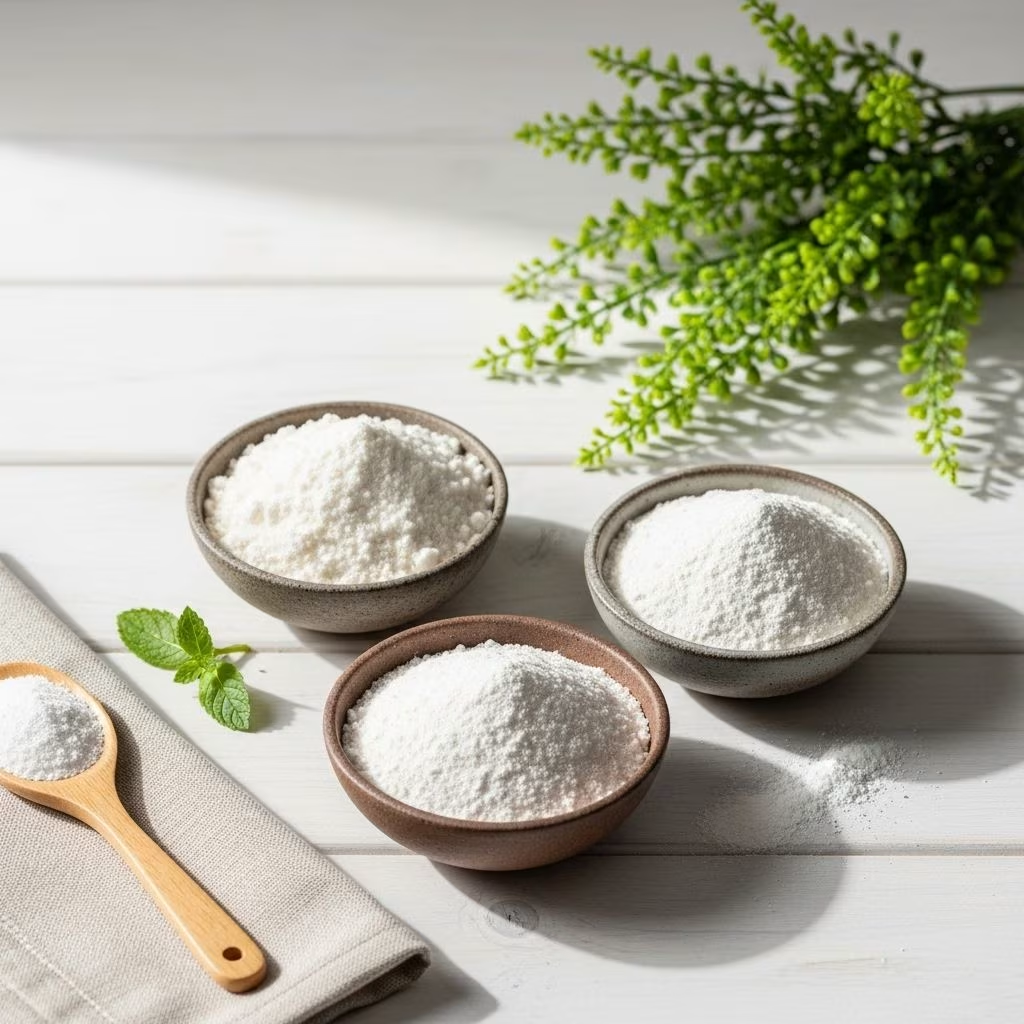
Baking relies on an interplay of ingredients that determine texture, tenderness, and structure. Among these, starch stands as one of the most versatile and indispensable components, particularly in gluten-free and texture-critical recipes. This article explores three of the most popular starches—tapioca starch, cornstarch, and potato starch—examining their baking roles, best uses, potential substitutes, and nutritional impact, empowering both hobbyists and professionals to choose the right starch for every bake.
Introduction to Starch in Baking
Starches, complex carbohydrates extracted from plants, play crucial roles in baking. They act as thickeners, stabilizers, texture enhancers, and moisture retainers. While all starches share a basic chemical structure, their baking qualities can differ dramatically based on their botanical origin and molecular makeup.
Why do bakers use starch?
- To thicken liquids (soups, custards, fillings)
- Enhance tenderness or crispness in crusts
- Create structure and moisture in gluten-free recipes
- Improve freeze-thaw stability, needed in some desserts and gluten-free breads
Starch Overview: Types and Properties
There are two primary classes of starches in baking:
- Root or tuber starches: Tapioca (cassava), potato, arrowroot
- Grain starches: Corn (maize), wheat, rice
Each starch has a distinct gelatinization temperature, flavor profile, color, and texture impact. These differences influence which starch is best for a particular recipe. For instance, tuber starches like potato and tapioca create a silkier mouthfeel and more elasticity, while grain starches such as cornstarch excel at crisping and thickening in higher-heat applications.
Tapioca Starch (Cassava Starch): Baking Uses and Nutrition
Tapioca starch, derived from the cassava plant, is a neutral tasting, highly refined white powder. It’s favored in gluten-free baking for its elasticity and ability to impart a chewy, golden texture to baked goods.
Key Baking Characteristics
- Chewiness and structure: Adds elasticity, making it ideal for chewy cookies, crusty breads, and cakes.
- Glossy finish: Thickens sauces and fillings to a clear, glossy consistency.
- Freezer stability: Holds up well to freezing and thawing, so it’s preferred in fillings, pies and breads destined for storage.
- Fast-thickening: Works rapidly at lower temperatures (gelatinizes at 126-150°F, maximum at 185°F), perfect for quick-cooking recipes.
- Vegan and allergen-friendly: Grain free and suitable for most special diets.
Typical Uses in Baking
- Gluten-free bread, rolls, cakes, muffins, and cookies
- Pie fillings, puddings, and fruit compotes
- Stretchy vegan cheeses (providing a stringy, cheese-like texture)
- Thickening clear sauces, gravies, and soups
Nutrition Profile
- Calories: High in carbohydrates, low in protein and virtually zero fiber
- Vitamins/minerals: Very minimal micronutrients
- No gluten, grain, or common allergens
- Nutrition limitation: Does not contribute protein, healthy fats, or significant dietary fiber
Cornstarch: Baking Uses and Nutrition
Cornstarch, extracted from the endosperm of the corn kernel, is the most widely used starch in North American kitchens. This grain-based starch is prized for its thickening ability and affordability.
Key Baking Characteristics
- Crispiness and structure: Provides a tender, crisp texture—especially in cookies, shortbread, and as a coating for fried foods.
- Opaque thickening: Thickens liquids to produce an opaque finish, unlike the clarity of root starches.
- Stable under high heat: Copes well with heat and acid in custards, puddings and pie fillings.
- Cost-effective and accessible: Inexpensive and commonly found in supermarkets worldwide.
- Grain-based: Suitable for vegan diets but not for grain-free plans.
Typical Uses in Baking
- Shortbread and crumbly cookies (improves texture, makes tender)
- Cakes and muffins (softens gluten for a delicate crumb)
- Pie and tart fillings; custards
- Dusting surfaces for rolling dough
- Fried coating for extra crispness
Nutrition Profile
- Calories: Pure carbohydrate
- No protein, no dietary fiber
- Virtually no micronutrients
- Contains grains (not suitable for some grain-free diets), but naturally gluten-free
Potato Starch: Baking Uses and Nutrition
Potato starch, processed from the crushed tubers of potatoes, is a fine, lightweight powder notable for its neutral flavor and unique texture contributions in baking and thickening.
Key Baking Characteristics
- Moisture retention: Excellent at absorbing and retaining moisture, resulting in moist, tender baked goods.
- Glossy, smooth thickening: Adds silkiness and shine to sauces, fillings, and gravies.
- Rapid gelatinization at lower temperatures: Thickens quickly (at 140-149°F), so best added towards the end of cooking or baking.
- Crisp texture: Contributes to crispy crusts on breads, crackers, and even roasted vegetables.
- Neutral taste: Enhances texture without altering flavor.
Typical Uses in Baking
- Gluten-free bread, muffins, biscuits, and cakes (often part of flour blends)
- Pie fillings, sauces, and gravies (clear and glossy)
- Crispy coatings for fried or roasted foods
- Improving crumb structure and moisture in gluten-free baking
Nutrition Profile
- Pure carbohydrate; no protein or fiber
- Virtually free of micronutrients, like other refined starches
- Gluten-free and grain-free
Comparison Table: Tapioca vs. Corn vs. Potato Starch
| Feature | Tapioca Starch | Cornstarch | Potato Starch |
|---|---|---|---|
| Source | Cassava root | Corn kernel (grain) | Potato tuber |
| Appearance | White, fine powder | White, fine powder | White, fine powder |
| Flavor | Neutral | Neutral/slightly sweet | Neutral |
| Texture in Baking | Elastic, chewy, glossy | Soft, crumbly, crisp | Moist, tender, light, crisp |
| Gelatinization Temp. | 126–150°F | 144–180°F | 140–149°F |
| Best For | Gluten-free breads, chewy cookies, clear sauces | Shortbread, pies, custards, crisping | Moist cakes, gluten-free baking, clear fillings |
| Thickening Clarity | Clear/glossy | Opaque | Clear/glossy |
| Dietary Constraints | Grain-free, gluten-free, vegan | Gluten-free, not grain-free | Grain-free, gluten-free, vegan |
Choosing the Right Starch for Baking
The correct starch for a recipe depends on its desired outcome. Consider the following factors:
- Texture: For chewiness or elasticity, use tapioca. For crispness, choose cornstarch or potato starch. For moisture, potato starch is ideal.
- Appearance: Clear, glossy sauces or fillings favor tapioca or potato. Opaque or matte finishes favor cornstarch.
- Allergen/diet considerations: Avoid cornstarch for grain-free diets.
- Cooking time and temperature: Tapioca and potato act quickly; cornstarch withstands longer heating.
- Freeze-thaw stability: Tapioca shines in recipes needing freezing and thawing.
Blending starches in gluten-free baking often yields the best texture. Professional bakers frequently mix tapioca (for chew and browning) with potato (for tenderness) or cornstarch (for structure and crispiness).
Substitutes: Replacing and Combining Starches
While the three starches are sometimes interchangeable, they have distinct strengths and weaknesses. An optimal substitution depends on the purpose:
- Cornstarch in place of tapioca or potato: Add a leavening agent (baking powder or soda) for better rise and lighter structure, especially in cakes and muffins.
- Tapioca for potato or cornstarch: Delivers greater chewiness. Works well in sweet and savory baked goods needing more elasticity.
- Potato starch for others: Best for moisture and tenderness; less effective for crisping than cornstarch but better for gluten-free breads and muffins.
- Arrowroot starch: Another neutral alternative, with clear thickening properties and fast action at low heat, suitable for most gluten-free diets.
When substituting, use a 1:1 ratio as a starting point, though you may need to adjust for desired thickness or texture. Combining two or more starches often produces the best results.
Nutritional Considerations and Health Aspects
Most baking starches are highly refined, meaning they contain negligible amounts of protein, fiber, fat, and micronutrients. Their nutritional profile is overwhelmingly carbohydrate-based, contributing rapidly digestible energy but little else.
- None of these starches support high-protein or high-fiber diets.
- Best for gluten-free, vegan, allergen-free baking (except cornstarch, which is not grain-free).
- Minimal glycemic benefit; they can quickly raise blood sugar, a concern for those managing diabetes or insulin resistance.
In gluten-free baking, starches are best paired with whole grain flours, seeds, or nuts to improve nutritional value and slow digestion.
Frequently Asked Questions (FAQs)
Q: Can I replace cornstarch with tapioca or potato starch in all recipes?
A: Yes, you can substitute in most recipes, but you may need to adjust the amount. Potato and tapioca starches thicken at lower temperatures and yield a glossy finish, while cornstarch requires a bit more heat and results in an opaque appearance.
Q: Which starch is best for gluten-free bread?
A: Tapioca starch is usually favored for elasticity and chew, while potato starch boosts moisture and tenderness. Many gluten-free recipes blend both for optimal structure.
Q: Are these starches healthy?
A: In moderation, they are a valuable tool for structure and texture in baking. However, they provide little nutrition aside from calories, so pair with nutritious flours and ingredients when possible.
Q: Can I use potato starch for crispy coatings?
A: Yes, potato starch creates an extra crispy exterior for fried or baked foods, even more so than cornstarch. It’s often used for gluten-free batters and fried dishes.
Q: Is tapioca starch the same as tapioca flour?
A: In most countries, these terms are used interchangeably to mean the refined starch from cassava root.
Key Takeaway
Experimenting with various starches can transform the outcomes of your baked goods. Whether you seek chewiness, crispness, or tenderness, understanding the properties of tapioca, corn, and potato starch enables you to achieve bakery-quality results—even in gluten-free and specialty recipes.
References
- https://zestforbaking.com/starchy-situation-whats-difference
- https://www.bakingbusiness.com/articles/60535-functionality-and-labeling-guide-starch-choice-for-baked-goods
- https://www.tastingtable.com/1209347/types-of-starches-explained/
- https://decalt.com.au/index.php/gluten-free-baking-tips/90-gluten-free-ingredients/392-gluten-free-starches
- https://miaolin.global/en-US/feature/article/4bf43395-6f43-4a67-89ca-5de9070bb9d4/10ea25aa-8b5f-42e8-ab2f-ddb15c2f242b
- https://www.masterclass.com/articles/potato-starch-vs-cornstarch


