


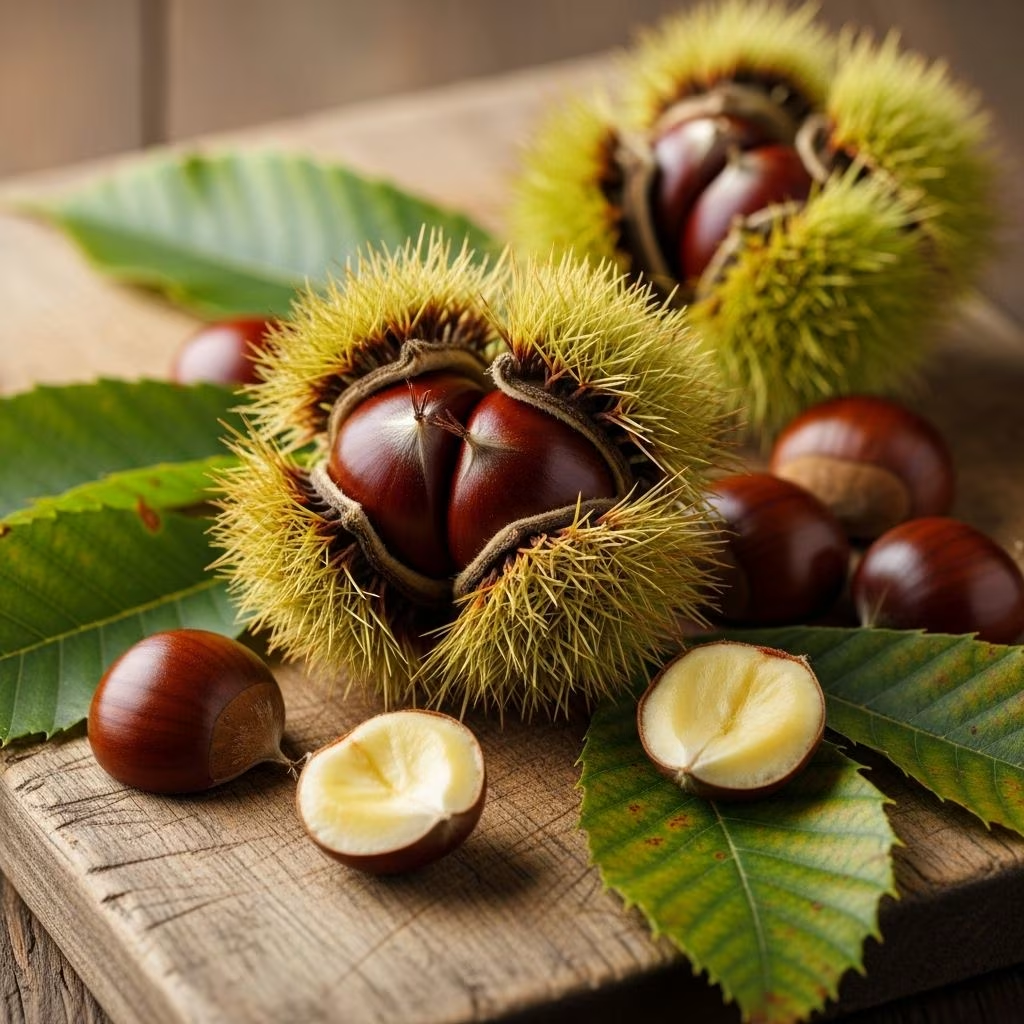
The sweet chestnut (Castanea sativa), sometimes called the Spanish or European chestnut, is a remarkable tree steeped in culinary, cultural, and historical significance. Renowned for producing the edible chestnut nut, it has been a cornerstone of sustenance, traditional medicine, and craftsmanship for thousands of years. This guide explores the sweet chestnut’s origins, health benefits, culinary attributes, and unique flavor, alongside tips on identifying and using it in your home and kitchen.
Botanical Profile of the Sweet Chestnut (Castanea sativa)
The sweet chestnut tree is a large, long-lived deciduous species belonging to the beech family, Fagaceae, which also includes beeches and oaks. Native primarily to Southern Europe and Asia Minor, it is now widespread across temperate climates worldwide, thanks to centuries of cultivation and its high value for both food and wood production.
- Height: Typically 20–35 meters (66–115 feet) at maturity, sometimes taller.
- Lifespan: Commonly lives 500–600 years; some ancient specimens exceed 1,000 years.
- Bark: Young bark is smooth and reddish; with age, it develops distinct fissures or spirals, often supporting rich biodiversity.
- Leaves: Oblong-lanceolate (spear-shaped), 12–28 cm long, with pointed tips and serrated edges, glossy, and with 20 pairs of veins.
- Flowers: Appearing in summer (June–July), trees have both male and female flowers on long (10–20 cm), upright catkins. Sweet chestnut is monoecious (both flower sexes on one tree).
- Fruit (nut): Female flowers develop into prickly, green, spiny husks (cupules), each holding 1–3 glossy, brown nuts harvested in autumn.
- Native Range: Southern Europe, Asia Minor; cultivated elsewhere, including the UK, United States, and New Zealand.
| Feature | Sweet Chestnut (Castanea sativa) | Horse Chestnut (Aesculus hippocastanum) |
|---|---|---|
| Nut Edibility | Edible | Not edible (toxic) |
| Leaves | Long, simple, serrated | Hand-shaped, divided into lobes |
| Nut Casing | Prickly, with 1–3 nuts | Warty, with usually 1 nut |
| Family | Fagaceae | Hippocastanaceae |
Origins and Historical Significance
The sweet chestnut’s natural range is southern Europe and the Mediterranean, but it was spread across Europe largely due to the Romans, who prized its nuts as staple food and valued its durable wood. In the British Isles, sweet chestnut trees can be found both as ancient woodland residents and frequently planted in parks, avenues, and gardens.
- Historical Use: Chestnut flour was a vital carbohydrate for rural populations, particularly before the introduction of the potato and maize.
- Cultural Impact: The sweet chestnut appears in regional festivals, literature, and medicine, with roasted chestnuts symbolizing harvest and winter hospitality across Europe.
- Longevity: Ancient trees like the “Hundred Horse Chestnut” in Sicily are central to folklore, sometimes attributed magical or healing properties.
Nutritional Benefits and Health Advantages
Among edible nuts, sweet chestnuts stand out nutritionally for having fewer calories and fats, but higher complex carbohydrates, fiber, and several essential nutrients. They can be eaten raw when fresh, but are usually cooked for optimal taste and digestibility.
- Caloric Profile: Lower in fat and calories compared to most other nuts like almonds or walnuts.
- Rich in Carbohydrates: Sweet chestnuts are starchy, providing sustained energy and making them suitable for those on low-fat diets.
- Vitamins and Minerals:
- Vitamin C (rare for nuts and seeds)
- Potassium
- Magnesium
- Folate
- Iron and phosphorus
- Other Nutrients: Contain antioxidants and polyphenols, which contribute to anti-inflammatory and anti-aging effects.
Sweet chestnuts are naturally gluten-free, making them a vital flour substitute for people with celiac disease. Their unique mix of fiber and complex carbs supports digestive health, while their moderate glycemic index makes them suitable for individuals managing blood sugar.
Key Health Benefits
- Digestive Health: High fiber enhances satiety and promotes regularity.
- Immune Function: Vitamin C, found in higher concentrations in chestnuts, strengthens immunity and aids in collagen production.
- Heart Health: Low fat content and antioxidants help maintain arterial and cardiovascular health.
- Antioxidant Properties: Phenolic compounds in chestnuts may reduce oxidative stress.
- Bone Health: Magnesium, phosphorus, and potassium are vital minerals for skeletal strength.
Culinary Uses and Cooking Methods
The sweet chestnut’s culinary heritage stretches across Europe and Asia, celebrated in both savory and sweet recipes. Here’s how sweet chestnuts are traditionally enjoyed and used in modern kitchens:
How to Prepare Sweet Chestnuts
- Roasting: The most iconic way to enjoy chestnuts. Score the shells and roast over open flames, in the oven, or in a pan until the shell splits and the aroma deepens.
- Boiling: Place whole, shelled chestnuts in boiling water for 20–30 minutes for a tender, mild result.
- Pureeing: Cooked chestnuts can be blended with butter (or dairy-free substitutes) and sugar to make a creamy, sweet spread for desserts.
- Candied: Known as chestnuts “glacés” or marrons glacés, these are chestnuts candied in sugar syrup and dried.
- Baking Flour: Dried chestnuts are ground into a gluten-free flour suitable for pancakes, pasta, cakes, or bread.
- Soups & Stews: Add earthy, nutty flavors and a creamy texture to hearty winter soups or game stews.
- Stuffing: Traditional turkey or poultry stuffing recipes in France, Italy, and Britain often include chestnuts for added richness and flavor.
Popular Sweet Chestnut Recipes
- Roasted chestnuts (street snack in winter across Europe)
- Chestnut soup (velvety, mildly sweet, and warming)
- Mont Blanc (French dessert: puréed chestnuts with whipped cream)
- Chestnut stuffing (poultry or vegetarian)
- Chestnut honey cake (using chestnut flour for a rich, sweet base)
Taste and Flavor Profile
Sensory-wise, the sweet chestnut sets itself apart from other edible nuts. Both the raw and cooked nuts boast a delicately sweet, earthy flavor with subtle, nutty undertones.
Key Taste Characteristics
- Sweetness: Mildly sweet when roasted or boiled, with sugar content increasing upon cooking.
- Texture: Firm when raw, but creamy, tender, and crumbly when cooked.
- Notes: Earthy and nutty, often compared to roasted sweet potatoes or a slightly sweet potato-bread hybrid.
- Aroma: Deep, caramel, toasty aromas develop when roasted.
Chestnuts are less oily than “tree nuts” like walnuts or hazelnuts. Their appeal lies in their ability to add sweetness and substance without heaviness, making them uniquely suitable for enriching the texture of both savory and dessert dishes.
Other Uses: Timber, Medicine, and Ecology
In addition to its edible nuts, the sweet chestnut tree has played a pivotal role throughout history for:
- Timber: Durable and rot-resistant, chestnut wood is valued for fencing, furniture, barrels, and construction.
- Traditional Medicine: Leaves and bark were once brewed into infusions for coughs, digestive problems, or as a skin wash.
- Biodiversity: The fissured bark supports mosses, lichens, fungi, and an array of insects.
- Beekeeping: Sweet chestnut blossoms are vital for bees, producing distinctive, aromatic honey prized in Italian and French cuisine.
Identification, Growing, and Harvesting Sweet Chestnuts
If you’re foraging or considering growing sweet chestnut, here are the essentials:
How to Identify Sweet Chestnut
- Leaves: Large, simple, elongated, toothed edges, with a glossy sheen
- Catkins: Long, yellowish, upright in summer (male and female on same branch)
- Fruits: Green, spherical, very prickly husks containing 1–3 nuts – splits open naturally when ripe
- Bark: Deeply furrowed and spiral, especially in older trees
Sweet Chestnut Cultivation and Growing Conditions
- Soil: Thrives in well-drained, acidic to neutral soils (pH below 8.0)
- Sunlight: Prefers full sun for best growth and nut production
- Climate: Likes warmth and does well in regions with warm summers and mild winters
- Water: Deep-rooted, drought-tolerant, but appreciates regular watering when young
- Pollination: Self-incompatible, so two genetically distinct trees are required for nut formation
When and How to Harvest
- Harvest in late September through October when the spiky husks fall naturally to the ground
- Use gloves to avoid prickles when gathering
- Remove fresh nuts from their green casing and dry or cook immediately for best texture and taste
Frequently Asked Questions (FAQs)
Q: Are sweet chestnuts safe to eat raw?
A: While technically edible raw, sweet chestnuts can be astringent or bitter and harder to digest. Cooking enhances sweetness and makes them more palatable and digestible.
Q: How do I store fresh chestnuts?
A: Store unshelled, fresh-sweet chestnuts in a cool, humid environment or refrigerator. They can dry out or mold quickly at room temperature. For longer storage, dry them fully or freeze after boiling/roasting.
Q: Can I substitute chestnuts for other nuts in baking?
A: Yes, but remember their lower fat and higher starch means recipes may require added fats or moisture. Chestnut flour is an excellent gluten-free substitute for wheat flour in select recipes.
Q: Is the sweet chestnut tree the same as the horse chestnut?
A: No. The horse chestnut produces “conkers,” which are inedible and toxic. Only sweet chestnuts (Castanea sativa) produce edible nuts.
Q: Are chestnuts allergenic?
A: Chestnut allergies are rare but can occur, especially in people with latex-fruit syndrome. Always consult a doctor if you have known nut or latex allergies.
Conclusion
The sweet chestnut is a tree of extraordinary legacy, resilience, and usefulness. Whether roasted over winter coals, milled into nourishing flour, or admired as a woodland giant, it has provided humanity with nourishment, material, and wonder for centuries. Its unique taste profile, health benefits, and ecological roles continue to make it revered across continents. By understanding how to identify, harvest, and cook sweet chestnuts, you can fully enjoy this nutritious culinary treasure.
References
- https://www.waldwissen.net/en/forest-ecology/forest-plants/deciduous/the-sweet-chestnut-tree-of-the-year-2018
- https://www.woodlandtrust.org.uk/trees-woods-and-wildlife/british-trees/a-z-of-british-trees/sweet-chestnut/
- https://en.wikipedia.org/wiki/Sweet_chestnut
- https://ati.woodlandtrust.org.uk/how-to-record/species-guides/sweet-chestnut
- https://plants.ces.ncsu.edu/plants/castanea-sativa/
- https://www.wood-database.com/sweet-chestnut/
- https://growbilliontrees.com/blogs/tree-stories/sweet-chestnut-tree-discover-the-hidden-benefits-and-beauty-of-this-remarkable-tree
- https://pmc.ncbi.nlm.nih.gov/articles/PMC9777662/


