


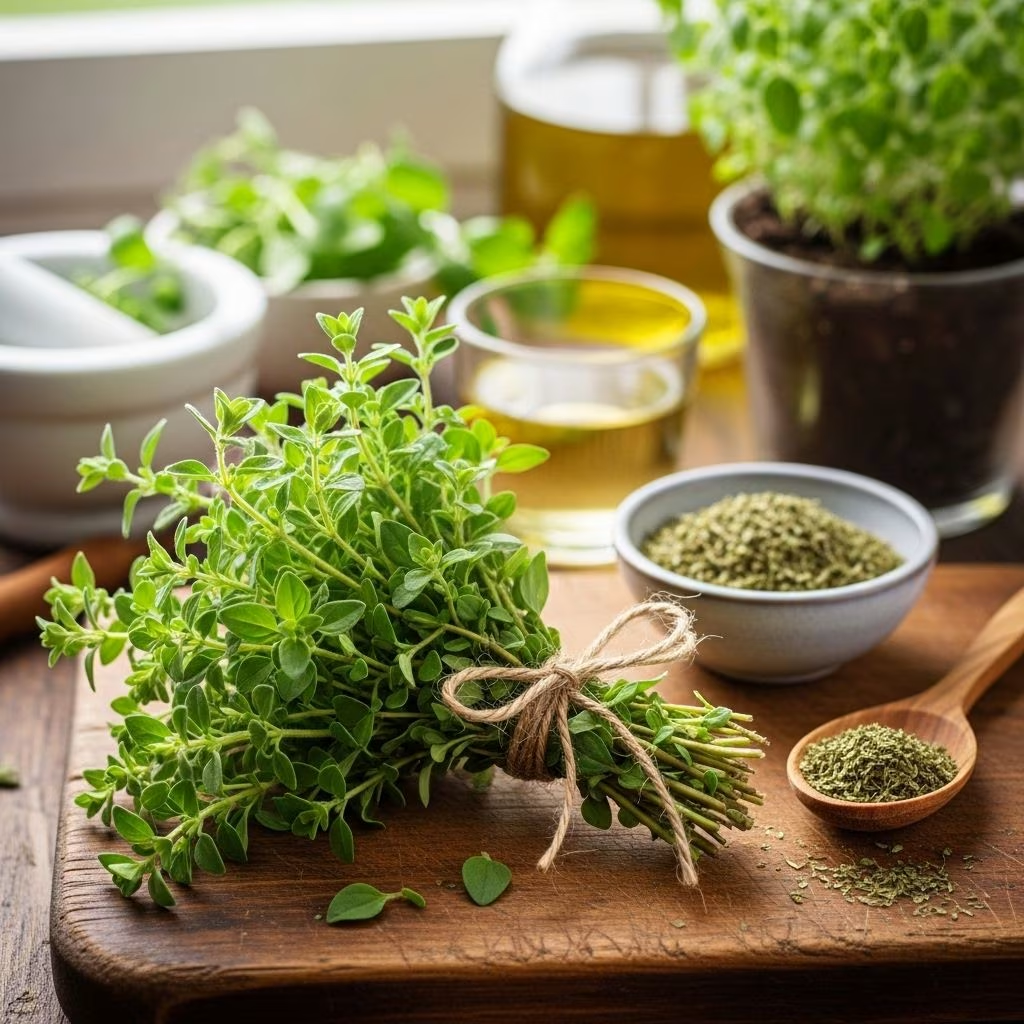
Introduction to Sweet Marjoram
Sweet marjoram (Origanum majorana), a perennial herb belonging to the mint family Lamiaceae, is treasured for both its culinary and medicinal properties. Native to the Mediterranean and Western Asian regions, sweet marjoram is now cultivated worldwide for its distinctive aroma, flavor, and therapeutic potential. For centuries, its fresh and dried leaves have enhanced the flavor and healthfulness of foods and herbal remedies alike.
Botanical Background and Origins
Sweet marjoram, also known as Majorana hortensis, grows as a small, bushy plant reaching heights of 30–60 cm. It features oblique rhizomes, hairy stalks, opposite dark green oval leaves, and clusters of white or pink flowers. Its natural habitat spans the Mediterranean region but also includes parts of Asia, North Africa, and Europe such as Spain, Hungary, Portugal, Germany, Egypt, Poland, and France.
- Family: Lamiaceae (mint family)
- Genus: Origanum
- Species: majorana
- Common names: sweet marjoram, knotted marjoram
- Related herbs: oregano, thyme, savory
Sweet marjoram is closely related to oregano (Origanum vulgare) and shares some of its characteristics, though its taste and medicinal uses are distinct.
Nutritional Profile and Active Compounds
The health-promoting capabilities of sweet marjoram are attributed to its rich composition of bioactive compounds. The aerial parts, especially the flowering stems, contain 1–2% essential oils endowed with monoterpenes, flavonoids, tannins, carotenes, and vitamin C.
| Active Compounds | Properties |
|---|---|
| Terpinenes, Terpinols | Antimicrobial, aromatic, anti-inflammatory |
| Flavonoids (apigenin, quercetin) | Antioxidant, immune-enhancing |
| Phenolic glycosides (arbutin) | Antibacterial, skin healing |
| Tannins, bitter compounds | Digestive support, astringency |
| Carotenes, vitamin C | Immune support, antioxidant |
These constituents contribute to marjoram’s pharmacological effects—antibacterial, antioxidant, anti-inflammatory, antifungal, hepatoprotective, cardioprotective, and more.
Health Benefits of Sweet Marjoram
Extensive research and detailed ethnomedicinal accounts affirm the broad health benefits of sweet marjoram. Its traditional usage and scientific validation make it a valuable tool for natural wellness.
- Antioxidant Activity: Flavonoids and phenolic compounds scavenge free radicals, reducing oxidative stress and supporting cellular health.
- Antibacterial & Antifungal: Essential oils possess pronounced antimicrobial properties effective against a variety of pathogens. Topical preparations aid skin healing, while infusions support immunity.
- Anti-inflammatory: Compounds like terpinenes and flavonoids ease inflammation, helping with conditions such as joint pain, congestion, and minor skin irritations.
- Digestive Aid: Marjoram promotes digestive enzymes such as pepsin, facilitating nutrient assimilation and soothing spasmodic complaints (bloating, flatulence). Gastric mucus protection and antiulcer effects are documented.
- Cardioprotective: Research demonstrates marjoram’s ability to inhibit platelet aggregation and lipid peroxidation, supporting cardiovascular health and rhythm stabilization.
- Hormonal Balance: Ethnomedicinal applications target polycystic ovarian disease and vaginitis by aiding restoration of hormonal balance (notably DHEA-S reduction).
- Respiratory Support: Infusions and oily preparations relieve congestion, coughs, headaches, and mild ear pain due to microbial and anti-inflammatory properties.
Other Suppoted Benefits
- Anticoagulant activity aiding circulation.
- Antiulcer effects protecting the gastric mucosa.
- Weak sedative action useful in mild stress or insomnia.
Culinary Uses and Applications
Sweet marjoram is a beloved kitchen herb, especially in Mediterranean cuisine. Its warm, aromatic character and sweet, pine-like notes elevate a variety of savory dishes:
- Seasoning meats: Sausages, poultry, and lamb benefit from its flavor.
- Vegetable dishes: Enhances the taste of beans, peas, potatoes, carrots, and tomatoes.
- Eggs & cheese: Adds depth to omelets, frittatas, and ricotta.
- Soups & stews: Rounds out flavors in broths, chowders, and vegetable stews.
- Salads & dressings: Sprinkled fresh or dried for aromatic nuance.
- Marinades & stuffings: Integral to Mediterranean stuffing blends and marinades for meats and fish.
Its robust taste remains pronounced when dried, making it versatile in both fresh and dry forms. Marjoram is often compared to oregano but is milder and sweeter.
Taste Profile and Sensory Notes
Sweet marjoram offers a warm, mildly bitter and pungent, aromatic taste with subtle sweet pine and citrus undertones.
- Flavor Comparison: Compared to oregano, marjoram is less sharp and more delicate, offering a gentle complexity.
- Texture: Leaves are soft; their flavor infuses easily when chopped or crushed.
- Aroma: Pine-like with hints of floral and citrus, persistent whether fresh or dried.
| Herb | Key Flavor Notes | Common Use |
|---|---|---|
| Sweet Marjoram | Warm, pine, citrus, sweet, delicate bitterness | Meats, veggies, soups |
| Oregano | Robust, peppery, earthy, spicy | Pizza, sauces, grilled foods |
| Thyme | Earthy, subtle mint, dry, floral | Stews, roasts, poultry |
Growing and Harvesting Sweet Marjoram
Marjoram thrives in well-drained soil, full sun, and Mediterranean-like climates. In colder regions, it is often cultivated as an annual.
Growing Tips
- Planting: Sow seeds indoors 6–8 weeks before last frost; transplant once soil warms.
- Light: Requires full sunlight (at least 6 hours/day).
- Water: Water moderately; avoid waterlogged conditions.
- Spacing: Space plants 12–18 inches apart for optimal air circulation.
Harvesting Tips
- Leaves: Harvest just before flowering for the strongest flavor.
- Drying: Hang sprigs upside-down in a warm, dry place.
- Storage: Store dried leaves in airtight containers away from light.
Traditional and Folklore Applications
For millennia, sweet marjoram has been a staple in folk medicine across Mediterranean, Asian, and European cultures.
- Digestive wellness: Used as a stomachic and carminative to ease digestive complaints and promote comfort after heavy meals.
- Respiratory remedies: Infused in teas or used in ointments for colds, coughs, and congestion; vapors help open sinuses.
- Women’s health: Traditions employ marjoram for menstrual irregularities, polycystic ovarian disease, and hormonal balancing.
- Topical applications: Used in balms and oils for cuts, minor wounds, and irritated skin.
- Mild sedative: Occasionally employed in calming preparations for stress or insomnia.
Safety, Dosage, and Precautions
Sweet marjoram is generally recognized as safe when consumed in culinary amounts or prepared as herbal tea or tinctures.
Suggested Dosage
- Culinary: 1–2 teaspoons dried leaves per recipe; adjust to taste.
- Infusion: 1 heaping teaspoon dried leaves per cup of boiling water; steep 10 minutes.
- Tincture: Follow skilled herbalist guidance for concentration and dose.
Precautions
- Pregnancy: Excessive medicinal use is discouraged (consult healthcare provider).
- Allergy: Those sensitive to mint family plants may react.
- Chronic use: Avoid high-dose, long-term application without medical supervision.
- Interactions: Minimal, but always consult a physician if combining marjoram with prescription anticoagulants or anti-inflammatories.
Frequently Asked Questions (FAQs)
Q: What distinguishes sweet marjoram from oregano?
A: While both belong to the Origanum genus, sweet marjoram is milder, sweeter, and less pungent than oregano, making it ideal for delicate dishes and herbal infusions.
Q: Can sweet marjoram help with digestion?
A: Yes, marjoram stimulates digestive enzymes and relieves bloating, flatulence, and mild tummy upsets. Its carminative and antiulcer effects make it a go-to digestive herb.
Q: Is it safe to use marjoram oil on the skin?
A: Marjoram-infused oil is often used for skin healing, minor wounds, and infected areas. Ensure preparations are sterile, and always patch-test to check for allergic reactions.
Q: How should sweet marjoram be stored for best flavor?
A: Dry the leaves thoroughly and keep them in an airtight container away from heat and light. Marjoram’s flavor persists well in dried form.
Q: Can marjoram be substituted for oregano in recipes?
A: Yes, but expect a subtler, sweeter flavor. Marjoram is best in nuanced dishes, while oregano suits bolder recipes.
References
- https://pmc.ncbi.nlm.nih.gov/articles/PMC5871212/
- https://www.herbalreality.com/herb/marjoram/
- https://www.britannica.com/plant/marjoram
- https://en.wikipedia.org/wiki/Marjoram
- https://gobotany.nativeplanttrust.org/species/origanum/majorana/
- https://food52.com/story/12734-fresh-marjoram-and-10-foods-to-pair-it-with


