


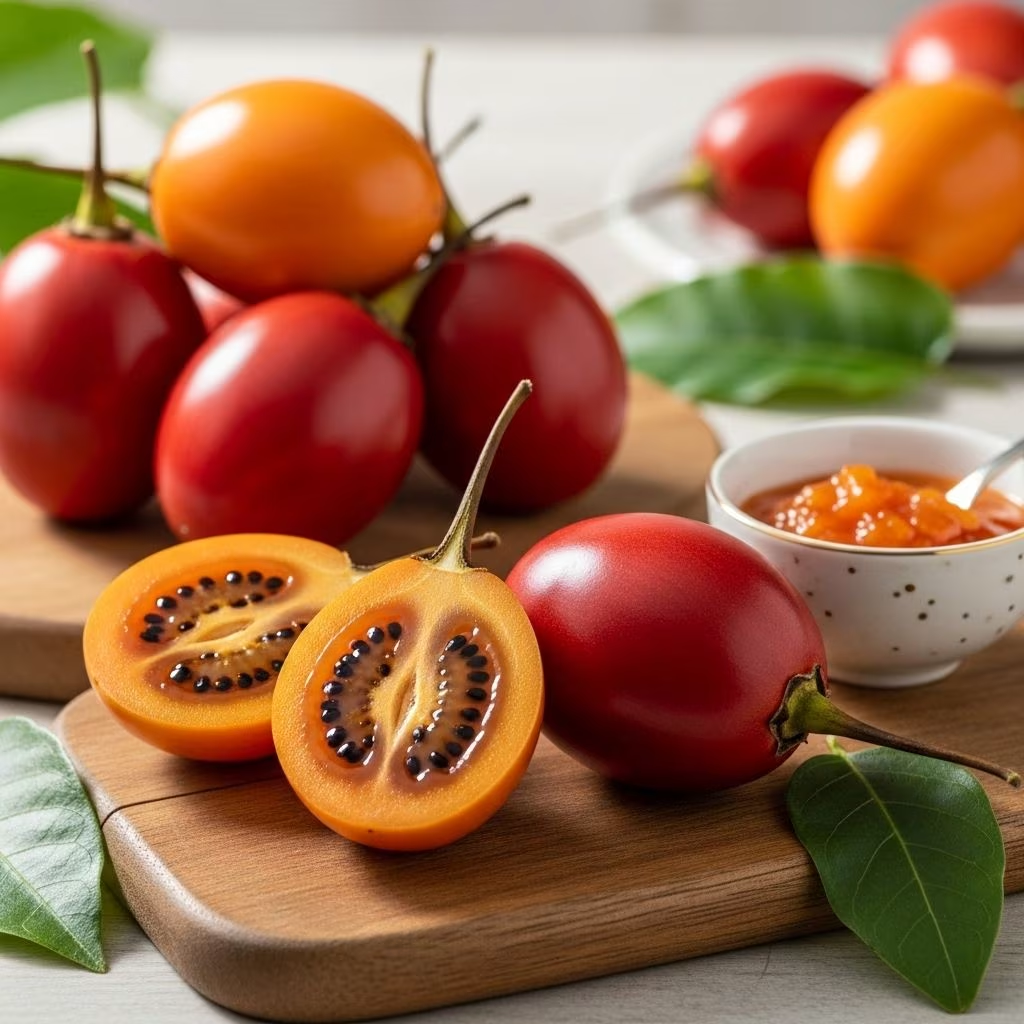
The tamarillo, also known as the tree tomato, is an exotic fruit celebrated for its bold hue, tangy-sweet flavor, and dense nutritional content. Native to the mountainous regions of South America, this fruit is now cherished worldwide for its versatility in kitchens and potential contributions to healthy diets.
Introduction to Tamarillo
The tamarillo (Solanum betaceum) is an edible fruit-bearing tree of the nightshade family, sharing botanical relations with tomatoes, eggplants, and potatoes. It is distinctly egg-shaped, packs a punch of flavor, and is sometimes known simply as the tree tomato . Its rise in popularity stems from its stunning appearance, distinctive taste, and impressive health credentials.
Origin and Botanical Profile
Tamarillo is believed to be native to the Andes regions of Ecuador, Colombia, Peru, Bolivia, and Chile. It grows as a semi-woody shrub or small tree, typically reaching heights between 5 and 15 feet.
- Leaves: Large, perennial, simple, and have a notable pungent aroma.
- Flowers: Small, star-shaped, pink-white or lavender, produced in fragrant clusters that attract pollinators.
- Agricultural note: The trees start bearing fruit after 1.5 to 2 years and reach peak production at around 4 years, with a productive lifespan between 5 and 12 years .
Appearance and Varieties
- Shape: Egg- or oval-shaped fruit, 2–4 inches (4–10 cm) in length.
- Skin Color: Varies greatly—red, yellow, orange, purple, sometimes striped with dark lines.
- Flesh: The outer flesh is firm and bland, while the central pulp is soft, juicy, and sweet-tart. Color may be deep red, orange, yellow, or cream, depending on the skin hue .
- Seeds: Edible, larger and harder than true tomatoes, flat and circular .
| Skin / Flesh Color | Common Taste Profile |
|---|---|
| Red / Deep Red or Blackish | Most tangy, robust, slightly sour |
| Yellow or Orange / Yellowish | Sweeter, milder, less acidic |
| Purple / Blackish | Intense, tangy, with earthy undertones |
Nutritional Value and Composition
Tamarillo is a nutrient-dense, low-calorie fruit that offers a variety of essential vitamins, minerals, and phytochemicals :
- About 81-87% water: Very hydrating.
- Calories: Only about 40 calories per fruit .
- Vitamin C: 19.7–57.8 mg/100g, supporting immunity and antioxidant defenses.
- Vitamin A: 0.32–1.48 mg/100g, vital for eye and skin health.
- Iron: 0.4–0.94 mg/100g, supporting red blood cell formation.
- Potassium: High content, benefits heart and muscle health .
- Dietary fiber: 1.4–6.0 g/100g, promotes digestive wellness.
- Other minerals: Calcium (3.9–11.3 mg/100g), magnesium (19.7–22.3 mg/100g).
- Low fat content: 0.05–1.28 g/100g.
Tamarillos are also rich in antioxidant phytochemicals such as anthocyanins (especially in red varieties) and carotenoids (predominantly in yellow fruits), contributing to their health benefits and unique coloration .
Health Benefits of Tamarillo
Due to its diverse nutrient profile, tamarillo is associated with a range of potential health benefits:
- Supports Immunity: High vitamin C and A levels help maintain strong immunity and healthy mucous membranes.
- Heart Health and Blood Pressure: High potassium content helps balance sodium in the body, potentially lowering blood pressure and supporting cardiovascular function .
- Promotes Digestive Health: Dietary fiber regulates bowel movement and supports gut health while slowing the absorption of cholesterol.
- Rich in Antioxidants: Anthocyanins and carotenoids defend against oxidative stress, potentially reducing chronic disease risk.
- Iron and Mineral Content: Aids in the production of red blood cells and overall mineral balance.
- Low Calorie Fruit: Useful in calorie-controlled and weight management eating plans.
- Potential Anti-Inflammatory Effect: Bioactive compounds found in tamarillo may offer anti-inflammatory properties .
Bioactive Nutrients Table
| Nutrient | Function/Health Benefit |
|---|---|
| Vitamin C | Immune defense, antioxidant, supports skin health |
| Potassium | Regulates blood pressure, nerve and muscle function |
| Anthocyanins | Protects cells, anti-inflammatory effects, may lower disease risk |
| Carotenoids | Eye health, supports immune system, antioxidant |
| Dietary Fiber | Aids digestion, lowers cholesterol, stabilizes blood sugar |
Culinary Uses and Preparation
The tamarillo is a versatile ingredient, used both fresh and cooked in a variety of global cuisines. Its complex flavor lends itself to a spectrum of culinary applications:
- Raw: Enjoyed sliced and sprinkled with sugar, or scooped like a kiwifruit. Remove the skin, as it is tough and bitter .
- Salads: Adds a tart, juicy punch to fruit and vegetable salads.
- Sauces and Chutneys: Cooked down with onions and spices for savory chutneys, or sweetened for jams and relishes.
- Desserts: Used in pies, tarts, sorbets or simply as a topping for yogurt and panna cotta.
- Drinks: Juiced or blended into smoothies and cocktails, offering both color and tangy complexity.
- Roasted/Baked: Roasted or grilled to caramelize the natural sugars and mellow the acidity.
How to Prepare Tamarillo
- Wash the fruit well.
- To remove the skin (which is bitter), pour boiling water over the whole fruit and let it sit for 2-3 minutes, then peel easily.
- Cut the tamarillo lengthwise, scoop out the flesh and seeds, using them as desired.
Taste Profile: What Does Tamarillo Taste Like?
Tamarillo offers a distinctive taste—imagine a cross between passionfruit and tomato with hints of berry and citrus. The overall experience varies by variety and ripeness:
- Red/purple varieties: Notably tangy, tart, with pronounced fruit acidity and a faint bitterness from the skin.
- Yellow/orange varieties: Sweeter, milder, and less acidic with a fruitier, more dessert-like flavor .
- Texture: The fruit’s central pulp is soft and juicy, held within firmer outer flesh.
Some liken the flavor to a blend of tomato, plum, and passionfruit, with a luscious mouthfeel and a lingering tartness .
Buying and Storing Tamarillo
- How to Choose: Select fruit with consistent color, unblemished skin, and a slight give when squeezed (similar to kiwifruit).
- Ripeness indicators: Skin changes from green to yellow, orange, red, or purple depending on the type. Ripe fruit detaches easily from the stem .
- Storage: Store at room temperature until ripe; then refrigerate for up to 10 weeks. Avoid chilling below 38°F (3°C) to prevent discoloration. Ripe fruit should be consumed within a week or two for best flavor and nutritional value .
Potential Allergies and Precautions
While generally safe for most people, some may experience allergies or sensitivities—especially those already allergic to other nightshades such as tomato, potato, or eggplant.
- Symptoms: Possible reactions include itching, swelling, respiratory issues, or more severe allergy symptoms. Such cases are rare but should be treated seriously .
- Precaution: When trying tamarillo for the first time, start with small amounts—especially if you have a known sensitivity to nightshade plants.
Frequently Asked Questions
Q: Can you eat tamarillo skin?
A: The skin of tamarillo is edible but typically avoided due to its bitterness and tough texture. It’s recommended to peel before eating or cooking.
Q: Is tamarillo the same as a tomato?
A: No. While both belong to the nightshade family, tamarillo (tree tomato) is a distinct species with a unique flavor profile and culinary uses .
Q: How can you tell when tamarillo is ripe?
A: Ripe tamarillo feels slightly tender when pressed and displays vivid coloration appropriate to its variety. The fruit will detach easily from the tree when fully ripe.
Q: Can tamarillo be grown at home?
A: Yes, tamarillo can be cultivated in tropical, subtropical, and some temperate zones, provided there is shelter from frost and strong wind. It requires well-draining soil and regular watering in the growing season .
Q: What are some popular tamarillo recipes?
A: Tamarillo chutney, jams, roasted or grilled tamarillo, sauces to accompany meats, fresh fruit salads, and smoothies are all common and delicious ways to enjoy this fruit.
Conclusion
The tamarillo stands as one of the world’s most underappreciated yet remarkable fruits, blending nutritional power with culinary possibility. Whether you’re intrigued by its tangy, exotic flavor, looking for a low-calorie nutritional boost, or eager to experiment in the kitchen, tamarillo offers a distinctive addition to your fruit repertoire. Approachable for adventurous cooks and health-minded eaters alike, this Andean treasure deserves greater recognition for its taste and benefits alike.
- “Tamarillo – Wikipedia,” overview, botany, nutrition, varieties.
- “Tamarillo – healing herbs – Herbs2000.com,” taste, nutritional benefits, uses, storage, possible allergies.
- “Tamarillo – California Rare Fruit Growers, Inc.,” description, botany, consumption advice, taste profile, preparation.
- “Tamarillo: A Comprehensive Guide by The Economic Botanist Blog,” historical origins, cultivation advice, agricultural profile.
References
- https://en.wikipedia.org/wiki/Tamarillo
- https://www.herbs2000.com/herbs/herbs_tamarillo.htm
- https://crfg.org/homepage/library/fruitfacts/tamarillo/
- https://www.theeconomicbotanist.com/post/tamarillo
- https://www.missouribotanicalgarden.org/PlantFinder/PlantFinderDetails.aspx?taxonid=287176&isprofile=0&pt=2
- https://www.elcondorchicago.com/blog/what-is-a-tamarillo/
- https://plantura.garden/uk/fruits/tamarillo/tamarillo-overview


