


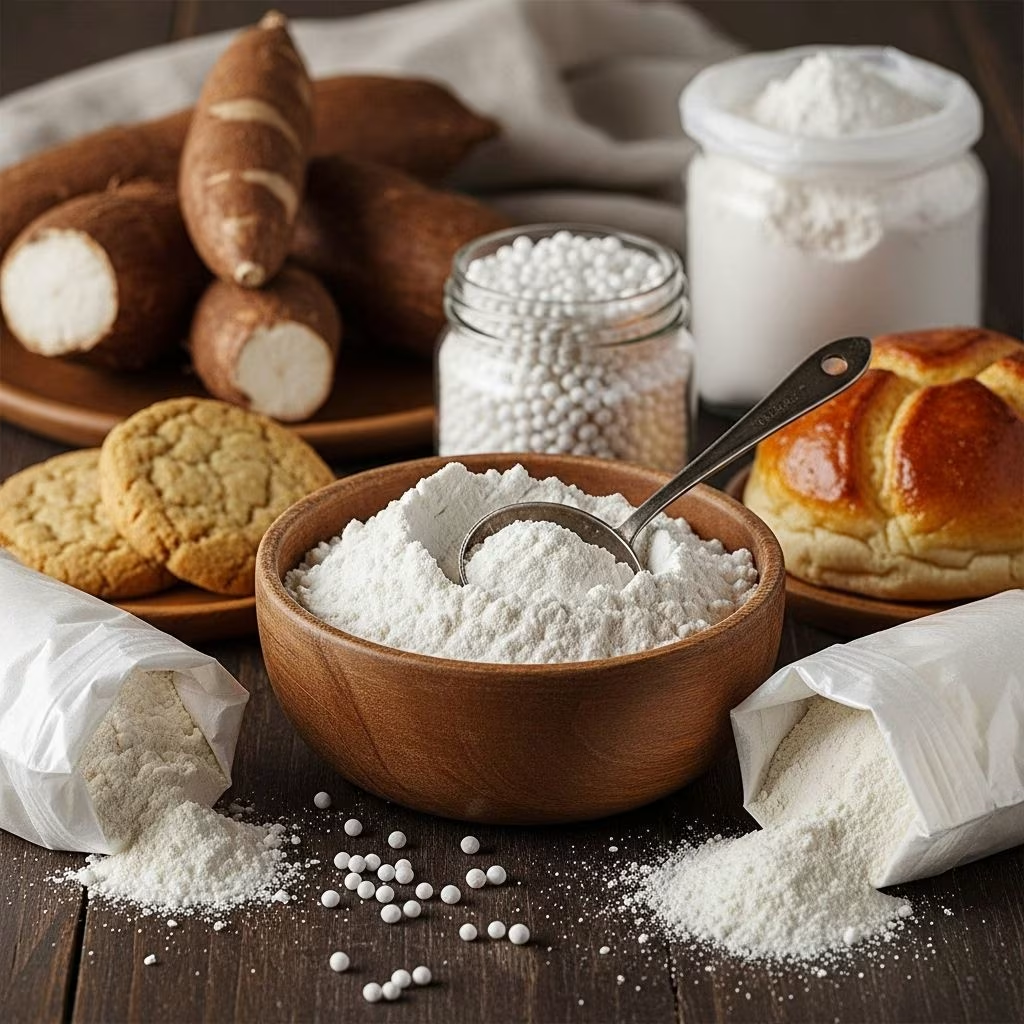
Tapioca flour, also known as tapioca starch, is a gluten-free staple increasingly used in modern kitchens. Whether you’re a dedicated gluten-free baker, experimenting with new textures in your recipes, or simply curious about alternative flours, understanding tapioca flour’s unique properties and nutrition can open doors to creative and delicious home baking.
What is Tapioca Flour?
Tapioca flour is a fine, white starch made from the cassava root, a tuber native to South America. It is often labeled as “tapioca starch” in many grocery stores, and the terms are typically used interchangeably in baking and cooking. Tapioca flour is prized for its neutral flavor, exceptional binding properties, and ability to create chewy textures in a variety of recipes.
How is Tapioca Flour Made?
The process of making tapioca flour involves the following steps:
- Harvesting: Mature cassava roots are cleaned and peeled.
- Pulping: The roots are grated into a pulp.
- Washing and Filtering: The pulp is washed repeatedly to extract the starchy liquid.
- Settling: The liquid settles, and the water is drained, leaving behind fine cassava starch.
- Drying: The starch is dried and then ground into a fine, powdery flour.
No additives are required, making it a naturally gluten-free and grain-free flour option.
Baking Uses of Tapioca Flour
Tapioca flour is highly regarded in gluten-free and allergy-friendly baking for its elastic qualities, neutral taste, and ability to improve texture in baked goods. Key applications include:
- Binding Agent: Its starchy make-up mimics gluten’s elasticity, helping to bind ingredients in gluten-free doughs and batters.
- Improving Texture: Adds chewiness to cookies and brownies, creates crispy edges, and softens cake crumbs.
- Thickening Agent: Tapioca flour is an excellent thickener for pie fillings, fruit sauces, and puddings, delivering a glossy finish and smooth consistency.
- Bread and Rolls: Used in recipes such as Brazilian cheese bread (pão de queijo) and airy gluten-free dinner rolls for a light, chewy texture.
| Recipe Type | Tapioca Flour Effect | Notes |
|---|---|---|
| Cookies & Brownies | Chewiness, moist crumb, crisp edges | Often combined with other GF flours |
| Breads & Rolls | Light, airy, chewy interior | Essential for pão de queijo & dinner rolls |
| Cakes & Muffins | Soft, lofty crumb | Balances dryness in GF mixes |
| Pies & Tarts | Glossy, clear thickened fillings | Does not cloud fruit flavor or color |
Common Baked Goods with Tapioca Flour
- Fudge brownies (see recipe summary)
- Gluten-free popovers and Yorkshire pudding style puffs
- Brazilian cheese bread (pão de queijo)
- Soft wraps and flatbreads
- Chewy cookies and bars (e.g., lemon crinkle, butter pecan, thumbprints)
- Airy gluten-free dinner rolls
Other Culinary Applications
- Thickening Soups & Stews: Quickly thickens without imparting cloudiness or flavor.
- Sauces & Gravies: Adds shine and silkiness. Tapioca is preferred over cornstarch for acidic fruit sauces or clear pie fillings as it is more stable at low pH and high temperature.
- Coating & Frying: Used as a dredge or coating for baked or fried foods for an extra crisp crust, as in gluten-free orange chicken.
- Desserts: Tapioca pudding (made from pearls or flour), bubble tea boba, and chewy snack cakes.
Tapioca Flour in Gluten-Free Baking
Tapioca flour is virtually indispensable in gluten-free and Paleo baking for its binding power and ability to mimic the chew and stretch of gluten. Its advantages include:
- Structure and Elasticity: Prevents gluten-free baked goods from crumbling by providing structure and a flexible crumb.
- Airy Texture: Delivers lift and fluffiness to breads, popovers, and focaccia-like flatbreads.
- Moisture Retention: Keeps gluten-free cakes, brownies, and muffins from becoming dry or tough.
- Neutral Taste: Unlike some grain-based flours, tapioca has very little flavor, enhancing other ingredients’ profiles.
It is rarely used as a sole flour in most baked goods (except select recipes like pão de queijo or chewy brownies) and is often combined with flours like almond, rice, or coconut flours to improve the texture and mouthfeel of the final product.
Substitutes for Tapioca Flour
If you cannot access tapioca flour, or are looking for alternative thickeners, several substitutes can be used depending on the application. Key substitutes include:
| Substitute | Best For | Notes |
|---|---|---|
| Cornstarch | Thickening sauces, soups, fruit fillings | Similar thickening power but less chewy; slightly cloudier in finish |
| Arrowroot Flour | Gluten-free baking, fruit fillings, sauces | Neutral taste, glossy finish; better in acidic recipes than cornstarch |
| Potato Starch | Gluten-free breads, cakes | Excellent structure in baking; more dense than tapioca |
| Rice Flour | Batters, biscuits, some cookies | Less elasticity but helps bulk up flour blends |
| All-Purpose Gluten-Free Flour Blends | Baking of all kinds | Most blends contain tapioca, potato, rice, and/or arrowroot starches |
Important: Substitution ratios can vary. For most thickening uses, substitute equal amounts. For baking, consider recipe-specific adjustments and the combined use of other gluten-free flours.
Nutritional Profile of Tapioca Flour
Tapioca flour is almost pure starch, with negligible protein, fat, or fiber. Below is the typical nutritional composition per 100g of tapioca flour:
- Calories: Approx. 358 kcal
- Carbohydrates: 88g (mostly starch)
- Protein: <1g
- Fat: <0.1g
- Fiber: <1g
- Calcium: ~20mg
- Iron: ~0.3mg
Tapioca flour is naturally gluten-free, grain-free, and allergen-free. It contains almost no anti-nutrients and is suitable for vegan, paleo, and auto-immune protocol diets.
However, as a refined starch, it is not a significant source of vitamins, minerals, or fiber. Its high glycemic index means it can cause a quick spike in blood sugar, making it a less ideal choice for those with diabetes or on low-carb diets.
Potential Health Benefits and Concerns
- Gentle on Digestion: Tapioca flour is light and easy to digest, making it beneficial for those with sensitive stomachs or recovering from illness.
- Allergy-Friendly: Free from gluten, nuts, soy, and grains. Suitable for restrictive and elimination diets.
- Quick Energy Source: As a pure starch, it serves as a quick energy supplier, though it should be consumed in moderation due to its high glycemic load.
- Lacks Nutrients: Despite its usefulness, tapioca flour does not provide substantial nutrition compared with whole-grain flours or nut-based flour alternatives.
- Risks of Improper Preparation: Raw cassava contains cyanogenic glycosides, which are toxic. Commercial tapioca flour is processed to remove these compounds, but home-prepared flour must be cooked thoroughly.
Tips for Using Tapioca Flour
- Store in a cool, dry place in a tightly sealed container to prevent moisture absorption.
- Sift before using to prevent clumping, as the fine powder readily lumps.
- For thickening: Mix with a little cold water or another liquid before adding to hot mixtures to prevent lumps.
- For baking: Use as part of a gluten-free flour blend; typically 10–25% of the total flour weight for best texture in cakes, muffins, and cookies.
- Avoid overuse in baked goods unless specifically called for, as too much can result in gummy or overly chewy textures.
- Experiment with ratios for each recipe, as different products may absorb liquid differently.
Featured Recipes with Tapioca Flour
- Brownies (Gluten-Free): Achieve a fudgy, chewy texture by blending tapioca flour into your batter. For example, substitute 1/2 cup tapioca flour for some wheat flour in your favorite brownie recipe.
- Gluten-Free Popovers: For airy, hollow popovers similar to Yorkshire pudding, combine tapioca flour with eggs, milk, and oil to get a crisp outside and chewy interior.
- Brazilian Cheese Bread (Pão de Queijo): This popular Brazilian snack relies almost entirely on tapioca flour for its stretch and lightness.
- Dinner Rolls: Tapioca flour produces pillowy, slightly sweet gluten-free dinner rolls, popular as a side for main dishes.
- Chewy Cookies: Add to gluten-free cookie mixes for signature chew and soft centers.
For inspiration and full instructions, gluten-free recipe sites offer dozens of creative uses for tapioca flour in home baking and savory dishes.
Frequently Asked Questions (FAQs)
Q: Is tapioca flour the same as tapioca starch?
A: Yes, in most countries, tapioca flour and tapioca starch are identical and used interchangeably in recipes.
Q: Is tapioca flour healthy compared to other gluten-free flours?
A: Tapioca flour is allergen-friendly and easy to digest but offers minimal protein, fiber, or micronutrients. For greater nutrition, combine it with other gluten-free flours rich in protein or fiber, such as almond or coconut flour.
Q: Can I replace all-purpose flour with tapioca flour 1:1 in baking?
A: No. Tapioca flour works differently from wheat-based flours. For best results, use in combination with a gluten-free blend or substitute 10–25% of the wheat flour with tapioca in regular recipes to boost texture and moisture.
Q: Is tapioca flour Keto-friendly?
A: No, because of its high carbohydrate content and glycemic index, tapioca flour is not suitable for ketogenic or low-carb diets.
Q: Can you use tapioca flour to thicken fillings and gravies?
A: Absolutely. Mix with a little cool liquid first, then add to piping hot sauces, stews, or fruit fillings to achieve a glossy, smooth finish. Tapioca thickens quickly and holds up well, even after cooling.
Q: How should tapioca flour be stored?
A: Store in an airtight container in a cool, dry area away from moisture and strong odors. Under proper storage, it can last for months.
Conclusion
Tapioca flour’s versatility and gluten-free credentials make it an essential tool for anyone exploring alternative baking or looking to expand their gluten-free repertoire. From chewy cookies and brownies to airy popovers and glossy fruit fillings, this ingredient allows for crave-worthy textures and allergy-friendly creations. While low in nutrition, its unique baking qualities and binding power ensure a lasting spot in modern kitchens.
References
- https://www.cookiemadness.net/2022/05/16/tapioca-flour-brownies/
- https://amealinmind.com/easiest-tapioca-flour-popovers-gluten-free/
- https://glutenfreeonashoestring.com/tapioca-flour-recipes/
- https://www.snixykitchen.com/flour/tapioca-flour-starch/
- https://flippindelicious.com/gluten-free-recipes-with-tapioca-flour/
- https://cookingtheglobe.com/tapioca-flour-recipes/


