


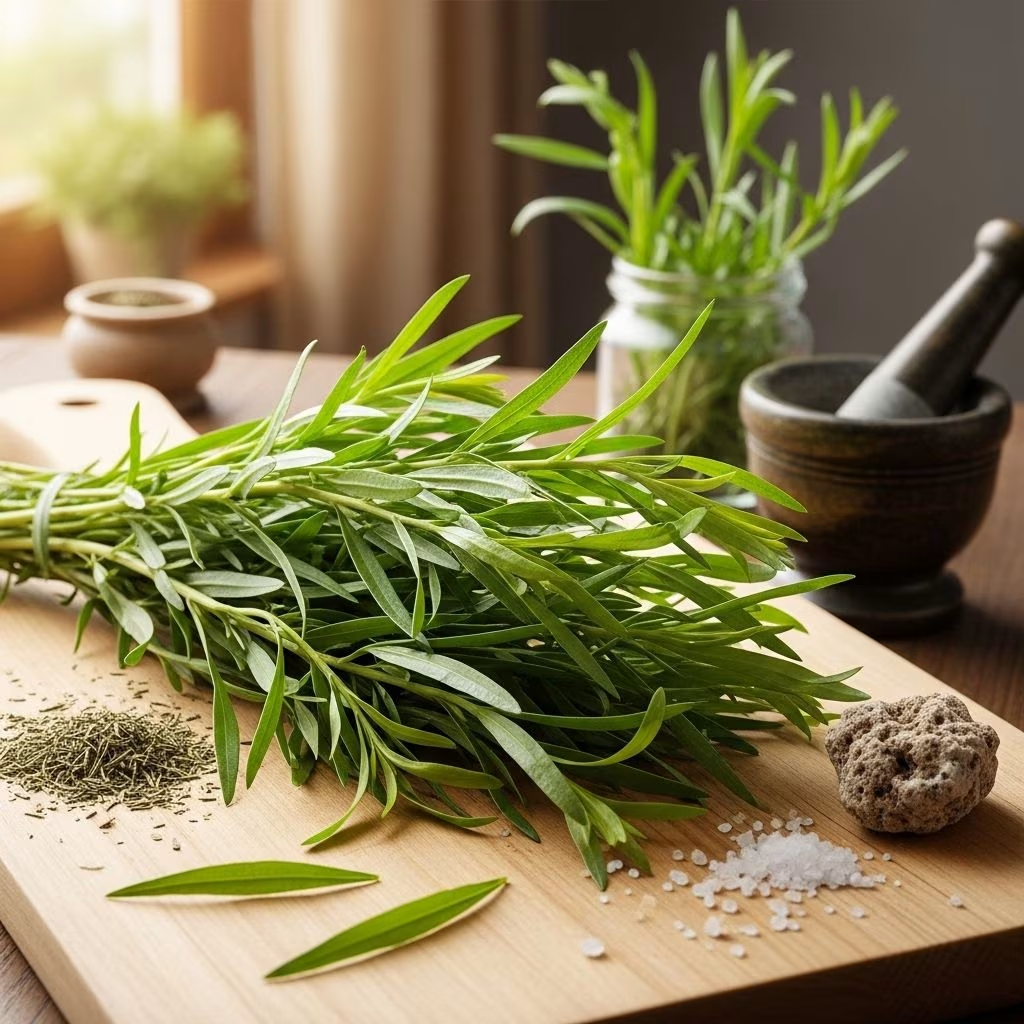
Tarragon (Artemisia dracunculus), sometimes called ‘estragon’, is a perennial herb renowned for its aromatic, slightly sweet, anise-like flavor and a variety of culinary and medicinal applications. Steeped in culinary tradition and folk medicine, tarragon has much to offer in both taste and potential health benefits. This comprehensive guide covers the botanical background, taste profile, nutritional content, health benefits, culinary and medicinal uses, varieties, storage tips, and answers common questions about this fascinating herb.
Introduction to Tarragon
Tarragon is an aromatic perennial herb belonging to the sunflower family (Asteraceae). It is primarily used for its slender, glossy green leaves, which impart a distinctive, bittersweet anise flavor to a wide variety of dishes. Used widely in European cuisines—especially French—tarragon is considered one of the classic ‘fines herbes’ along with chervil, chives, and parsley.
Other names: Estragon, Dragon wort, Little Dragon.
Botanical Overview and Origins
The scientific name of tarragon is Artemisia dracunculus. It is native to much of Eurasia, spanning from Siberia and Central Asia into North America.
Tarragon grows up to 120–150 cm (4–5 feet) tall, featuring slender, branching stems and narrow, lance-shaped leaves. Its leaves are bright green, smooth, and emit a sweet, aromatic scent when crushed.
- Family: Asteraceae (Sunflower family)
- Type: Perennial herb
- Native range: Eurasia and North America
- Typical plant height: 120–150 cm
- Propagation: Rhizomes, vegetative cuttings (French tarragon rarely sets viable seed)
The plant’s botanical epithet ‘dracunculus’ is Latin for ‘little dragon’, likely referencing either the serpentine shape of its roots or pre-modern beliefs in its healing properties.
Tarragon’s Flavor and Aroma
The taste and aroma of tarragon are its most celebrated features:
- Flavor: Warm, bittersweet, and reminiscent of anise or licorice
- Aroma: Sweet, herbal, slightly peppery with hints of fennel or basil
- Key compound: Estragole (methyl chavicol), which imparts the signature anise-like profile
Fresh tarragon leaves are more aromatic and intense than dried, often delivering a complex interplay of sweet, spicy, and gently bitter notes.
How Does Tarragon Compare to Other Herbs?
| Herb | Primary Flavor Notes | Best Uses |
|---|---|---|
| Tarragon | Anise, licorice, bittersweet | Chicken, fish, sauces |
| Basil | Sweet, peppery, clove | Tomato dishes, pesto |
| Dill | Fresh, grassy, tangy | Pickles, salmon |
| Chervil | Mild, anise, parsley-like | Eggs, soups |
Notable Tarragon Varieties
- French Tarragon (Artemisia dracunculus var. sativa): The gold standard for culinary applications due to its superior flavor and aroma. Does not generally produce viable seeds and is propagated via cuttings or root division. Preferred in classic French cuisine.
- Russian Tarragon (Artemisia dracunculus var. inodora): Easier to cultivate and more robust, but less aromatic and with a milder, sometimes bitter, flavor. Typically used more as a medicinal or ornamental plant.
- Mexican Tarragon (Tagetes lucida): Not a true Artemisia but used in Mexican cuisine as a tarragon substitute; stronger anise flavor, tolerant in warmer climates.
Nutritional Content
Tarragon is typically consumed in small amounts as a seasoning, but it does provide some nutritional value and trace elements:
- Rich in antioxidants (polyphenols, flavonoids)
- Contains vitamins A, C, and some B-complex vitamins (notably folate)
- Provides minerals such as potassium, calcium, magnesium, and iron
- Low in calories, carbs, and fats
Due to the small serving size, its direct nutrient impact is modest, but its antioxidant and phytochemical content may contribute to health benefits.
Health Benefits of Tarragon
Beyond its culinary uses, tarragon has a rich tradition as a medicinal plant and is currently investigated for various health-supporting properties:
- Digestive Support: Traditionally used to stimulate appetite and relieve indigestion and flatulence.
- Anti-Inflammatory: Both folk and contemporary studies suggest compounds in tarragon may reduce inflammation and alleviate pain.
- Antioxidant Activity: Rich in phenolic compounds, which may help counteract oxidative stress and support general wellness.
- Antibacterial and Antifungal: Tarragon extracts and essential oils have shown activity against several bacteria and fungi in laboratory models.
- Blood Sugar Regulation: Preliminary research suggests hypoglycemic (blood sugar-lowering) effects, supporting its use alongside conventional strategies for metabolic health.
- Liver Protection and Immune Support: Early studies point to hepatoprotective (liver-supporting) and immunomodulatory (immune-regulating) effects, though more clinical research is needed.
- Mood and Relaxation: Traditional use and limited modern research highlight mild sedative and antidepressant qualities, especially in herbal teas.
Note: While promising, most benefits derive from animal or early-stage research. Always consult a healthcare provider before using tarragon in significant quantities for medicinal purposes.
Culinary Uses of Tarragon
Tarragon holds a distinct place in classic French and European cookery, where its unique flavor is valued for its ability to cut through rich, creamy, or delicate dishes. Its leaves, either fresh or dried, are incorporated into a broad spectrum of recipes and condiments.
Most Popular Culinary Applications
- Fines Herbes blend: A classic French mixture including tarragon, chervil, parsley, and chives—sprinkled over eggs, fish, salads, and soups.
- Sauces: Essential in creating Béarnaise sauce, as well as flavoring hollandaise and remoulade.
- Tarragon Vinegar: Fresh tarragon steeped in vinegar for salad dressings and marinades.
- Poultry and Seafood: Complements chicken, turkey, and delicate fish recipes.
- Herb Butters and Creams: Blended into compound butters, creamy dips, or cheese spreads.
- Egg Dishes: Adds depth of flavor to omelets, scrambled eggs, and quiches.
- Vegetables: Enhances green beans, asparagus, carrots, and potatoes.
- Pickles and Cheese: Used for pickling and to flavor certain soft cheeses.
Cooking tip: Tarragon’s complex, volatile aroma is most pronounced when used fresh. When substituting dried for fresh, use sparingly since the flavor, though less vibrant, can still be strong. Add near the end of cooking to preserve its unique essence.
Key Flavor Pairings
- Poultry (chicken, turkey)
- Fatty fish (salmon, trout)
- Eggs
- Butter, cream, soft cheeses
- Lemon and mustard
- Vinegar-based dressings
- Potatoes and root vegetables
- Green vegetables (beans, peas, asparagus)
Traditional and Folk Medicine Uses
Tarragon’s recorded medicinal use dates to ancient civilizations, where it was valued for its digestive and appetite-stimulating qualities. European and Asian folk medicine employed tarragon for a range of uses, including:
- Appetite stimulation and support for digestion
- Relief for toothache, bruises, and as a diuretic
- Remedies for respiratory issues and to ‘remove mucus from the head’
- Sedative teas for mild insomnia or tension
Modern scientific studies have confirmed some of these uses, identifying anti-inflammatory, antioxidant, and mild hypoglycemic actions.
Growing and Storing Tarragon
Tarragon is a relatively easy herb to grow and a worthwhile addition to herb gardens.
- Best suited to well-drained soil and full sun
- Requires minimal watering once established
- Propagate French tarragon via cuttings or division (rarely sets seed)
- Can be grown in containers for easy harvesting and overwintering
Harvesting and Storage
- Harvest leaves in the morning when essential oil content is highest
- Use fresh for best flavor—wash and chop directly before adding to dishes
- To prolong storage:
- Refrigerate: Wrap loosely in damp paper towels, enclosed in a plastic bag (lasts up to 2 weeks)
- Drying: Hang sprigs in a dark, airy space; crumble and keep in airtight containers away from light
- Freezing: Chop and freeze in ice cube trays with water or oil for quick use
Drying works well for Russian tarragon, but French tarragon’s subtleties are best appreciated fresh.
Safety and Potential Side Effects
Tarragon is generally safe in culinary amounts. Its main aromatic compound, estragole, is found naturally in many herbs (including basil, anise, and tarragon). High concentrations were shown to be carcinogenic in lab animals, but normal culinary consumption is considered safe by the European Union, as it is far below concerning levels.
- Allergic reactions are rare but possible in people sensitive to the Asteraceae family.
- Pregnant or breastfeeding individuals and those with certain medical conditions should consult a professional before using tarragon as a supplement.
- Tarragon essential oil is potent and should not be ingested directly or used in large doses without guidance.
Frequently Asked Questions (FAQs)
Is tarragon the same as estragon?
Yes, ‘estragon’ is another common name for tarragon, especially in European languages.
Can I substitute dried for fresh tarragon?
You can, but fresh tarragon is more aromatic and nuanced—use a smaller amount of dried, as its flavor can be more concentrated but less complex.
What herbs are similar to tarragon?
Chervil and fennel provide somewhat similar anise-like notes, but no true equivalent matches tarragon’s unique profile. For Mexican dishes, Mexican tarragon (Tagetes lucida) is sometimes substituted.
How do I use tarragon in cooking?
Add finely chopped leaves just before serving (for fresh) or partway through cooking (for dried). Try in sauces, salads, with chicken or fish, or infused in vinegar.
Is tarragon safe for pets?
Tarragon is not considered toxic to dogs or cats in small culinary amounts, but its essential oils may cause digestive irritation if consumed in quantity.
Conclusion
Tarragon is a multifaceted herb with a long history of culinary delight and traditional medicine. Its distinctive flavor enlivens classic dishes and its bioactive compounds offer intriguing possibilities for holistic health support. Whether you’re a cooking enthusiast or an herb gardener, tarragon offers a singular blend of taste, aroma, and natural benefits—making it a must-have staple in kitchens and gardens alike.
References
- https://www.healthyhouseplants.com/indoor-houseplants/tarragon-artemisia-dracunculus-growing-guide-uses-and-benefits/
- https://www.britannica.com/plant/tarragon
- https://pmc.ncbi.nlm.nih.gov/articles/PMC8076785/
- https://en.wikipedia.org/wiki/Tarragon
- https://www.ahpa.org/herbs_in_history_tarragon
- https://www.missouribotanicalgarden.org/PlantFinder/PlantFinderDetails.aspx?taxonid=256946&isprofile=0&z=5
- https://plants.ces.ncsu.edu/plants/artemisia-dracunculus/


