


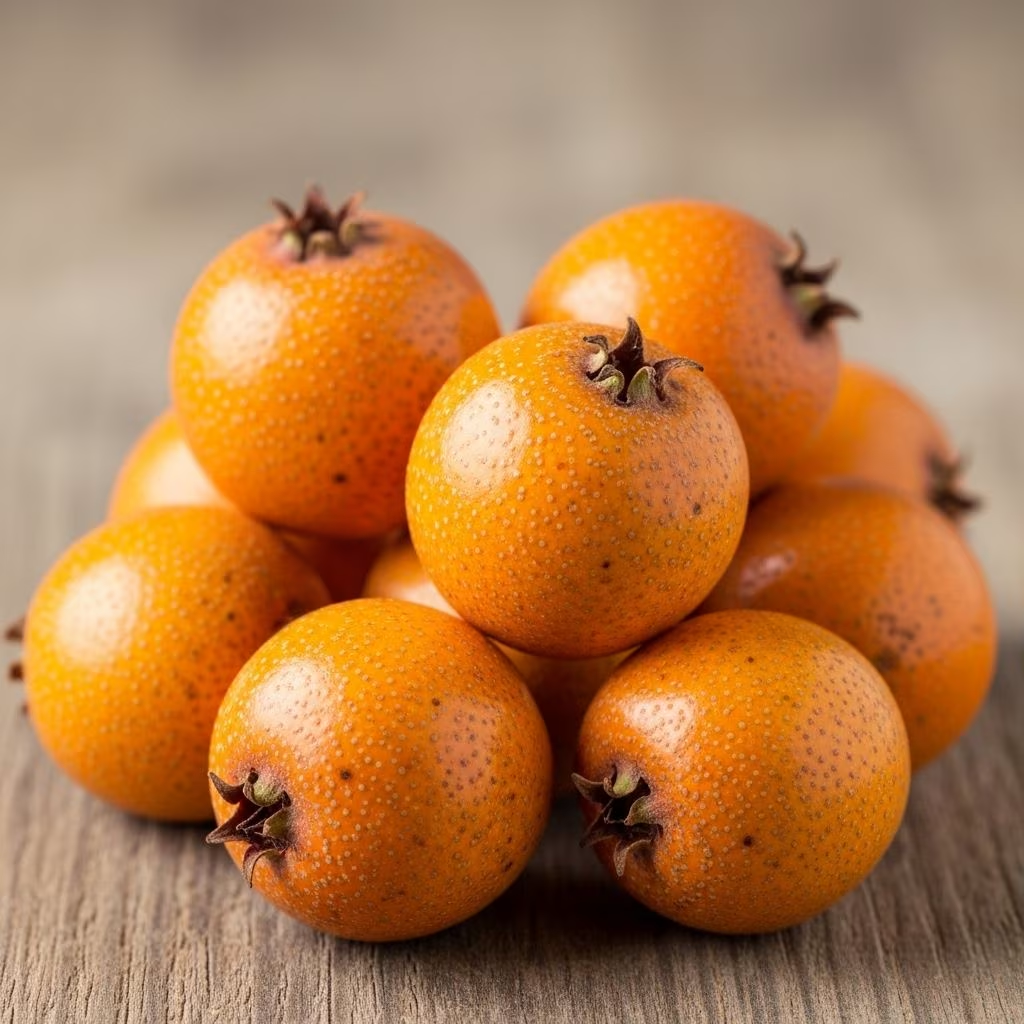
Tejocote, also known as Crataegus mexicana or Mexican hawthorn, is a small, brightly colored fruit rich in tradition, culture, and nutrients. Native to the highlands and temperate regions of Mexico, tejocote plays a significant role in numerous festivities and is an essential ingredient in both culinary and medicinal practices. This article offers an in-depth exploration of tejocote’s identity, its diverse benefits, popular uses, and the sensory qualities that make it distinct within Mexican heritage and cuisine.
Origin and Botanical Profile
Tejocote is botanically classified as Crataegus mexicana, a species within the Rosaceae (rose) family. It is predominantly native to Mexico but also grows in isolated pockets of Central America. The term “tejocote” is derived from the Nahuatl word tetl-xocotl, which translates to “stone fruit”—a testament to its characteristically hard seeds.
- Growth: Tejocote trees or shrubs typically reach heights between 4–10 meters, thriving in temperate climates at elevations of 1000–3900 meters above sea level.
- Distribution: Over sixteen species of tejocote are recorded in Mexico, especially in regions like Puebla and Morelos.
- Botanical Relatives: Though its appearance is akin to apples and crabapples, tejocote is only distantly related to these fruits.
Cultural and Historical Significance
Tejocote fruit is much more than a food; it is deeply embedded in Mexican seasonal celebrations and religious observances.
- Day of the Dead (Día de los Muertos): Tejocote is used as an edible and decorative offering on altars during this festival in early November.
- Christmas and Holiday Feasts: The fruit is a quintessential element of Christmas ponche (a hot fruit punch) and is featured in banquets spanning the entire month of December.
- Cultural Symbolism: The fruit’s seasonal abundance has long associated it with renewal, health, and community.
- Ornamental Use: Tejocote fruit garlands adorn homes and altars, representing both decorative and spiritual value.
Physical Characteristics and Varieties
Tejocote’s physical attributes are distinct, making it easily recognizable among other fruits.
- Size and Shape: Small, round to oval fruits measuring 1–3 centimeters in diameter.
- Skin and Color: Thin, smooth skin that turns from yellow-green (unripe) to bright yellow, orange, or deep orange when fully ripe. The surface is often freckled with brown, black, or ivory dots.
- Pulp: Inside, the fruit has a firm, dry, and mealy pulp of a creamy yellow hue. The texture resembles that of crab apples or quince.
- Seeds: Each fruit encloses 3–5 hard, coffee-colored seeds—hence its “stone fruit” moniker.
The fruit is available primarily between late November and February, aligning its harvest with major winter celebrations.
Nutritional Profile and Health Benefits
Tejocote’s appeal goes beyond its vibrant appearance; it is a nutrient-dense fruit known for its traditional health benefits.
- Rich in Vitamin C: Supports immune system health and may help reduce inflammation and fight infections.
- Antioxidants: Contains a variety of antioxidants that neutralize free radicals, protecting cells from oxidative stress.
- Vitamin A: Contributes to healthy vision, immune function, and organ health.
- Minerals: High levels of calcium (for strong bones and teeth), iron (important for blood health), and other trace minerals.
- B Vitamins: Supports metabolic processes and energy production.
- Dietary Fiber: Its pectin content aids in digestion and supports gut health.
Historically, tejocote has been prized in Mexican natural medicine for relieving symptoms of sickness, diarrhea, colds, sore throats, and indigestion.
| Nutrient | Amount |
|---|---|
| Vitamin C | Moderate to high |
| Vitamin A | Present |
| Dietary Fiber (Pectin) | High |
| Calcium | Moderate |
| Iron | Low to moderate |
| Other minerals (potassium, magnesium) | Variable |
Culinary Uses
The flavor profile and texture of tejocote make it especially popular in a wide range of traditional Mexican dishes, particularly during the winter holiday season.
- Ponche: Tejocote is a signature ingredient in ponche navideño, a traditional Mexican hot fruit punch made for Christmas and New Year. When simmered with other fruits, its mealy flesh softens, sweetens, and absorbs the punch’s aromatic spices and tropical notes.
- Preserves and Candies: Due to high pectin, tejocote is excellent for making jams, jellies, and fruit pastes (commonly known as ate). Candied tejocote, either whole or as a syrup, is served as a sweet delicacy.
- Rielitos: A popular candy combining tejocote paste, sugar, and chili powder, shaped to resemble tiny rails. These are enjoyed throughout Mexico.
- Breads and Baked Goods: The pectin-rich flesh is incorporated in sweet breads, contributing thickening and gelling properties as well as subtle tartness.
- Raw Consumption: Though firm and somewhat astringent when raw, tejocote is occasionally eaten fresh, peeled and sliced, or with chili powder.
Tejocote’s culinary uses seamlessly blend health and festivity, often culminating in dishes that nourish both body and spirit.
Traditional Medicinal Uses
For centuries, tejocote has been applied in folk medicine among diverse Mexican communities:
- Digestive Health: Boiled into syrups to alleviate indigestion and diarrhea.
- Respiratory Relief: Used in mixtures to ease coughs, soothe sore throats, and reduce the severity of colds.
- Anti-inflammatory: Supported by its vitamin C and antioxidant contents, tejocote is believed to mitigate inflammation throughout the body.
- Bone Strength: Calcium-rich preparations are traditionally recommended for osteoporosis and fracture recovery.
- Diuretic and Detoxifying: Herbalists sometimes use tejocote for its mild diuretic and purported detoxifying effects.
- Other Folk Remedies: In some regions, it is also touted as an aphrodisiac and a general immune booster.
While its historical medicinal usage is extensive, modern scientific research supporting these claims remains limited, though the nutritional profile provides reasonable explanations for many of the observed benefits.
Taste and Texture Explained
The taste and texture of tejocote set it apart from more commonly known fruits:
- When Raw: Dry, mealy, and slightly astringent pulp with acidic undertones. Resembles crabapple or quince but is not as sweet.
- When Cooked: The fruit develops a soft, velvety texture, readily absorbing accompanying flavors and becoming markedly sweeter and more aromatic. Cooked tejocote is especially prized in ponche and traditional preserves.
- Aroma: When fresh, releases a sweet, subtly tropical aroma that intensifies during cooking.
- Color Changes: The flesh oxidizes quickly upon exposure to air, turning from creamy yellow to a muddier shade, so it’s often processed soon after harvest.
The distinctive texture is attributed to high pectin content, contributing thickness and body to both drinks and preserves.
Modern and Industrial Applications
Beyond traditional uses, tejocote’s unique composition has attracted contemporary interest in various industries:
- Pectin Extraction: Tejocote is processed industrially for pectin, which is crucial for making jams, jellies, and as a stabilizer and thickener in numerous foods.
- Cosmetics: Owing to its antioxidants and pectin, tejocote is increasingly found in skin and hair care formulas.
- Pharmaceutical Applications: Its medicinal properties are currently under scientific investigation for inclusion in modern health products.
- Food Industry: Used in confections, syrups, and natural colorants owing to its hue and gelling capability.
Growing consumer interest in heritage foods and natural ingredients has also led farmers in California and other regions to cultivate tejocote commercially, increasing its availability outside of Mexico.
Frequently Asked Questions (FAQs)
Q: What does tejocote taste like?
A: Tejocote has a mildly sweet, tart, and slightly astringent flavor when raw, with a texture reminiscent of quince or crabapples. When cooked, it becomes soft, velvety, and more palatable, developing a pleasant sweetness that absorbs accompanying flavors.
Q: Is tejocote healthy to eat?
A: Yes, tejocote is recognized for its richness in vitamin C, antioxidants, dietary fiber, and minerals like calcium and iron, supporting immune function, digestion, and bone health.
Q: How is tejocote most commonly used?
A: The most popular culinary use of tejocote is in ponche (Mexican holiday punch), but it is also enjoyed as candy, preserves, jams, and a flavoring in baked goods.
Q: Can tejocote be eaten raw?
A: It can be eaten raw, but due to its firm, dry, and sometimes astringent pulp, it is usually preferred cooked, candied, or in preserves.
Q: Are there known side effects of consuming tejocote?
A: No significant side effects are reported when consumed as part of a balanced diet. However, as with any fruit, allergies or digestive sensitivity are possible in susceptible individuals.
Q: Where can I find tejocote outside Mexico?
A: While tejocote is most commonly found in Mexican markets, growers in some parts of California and specialty food stores now offer the fruit in season, particularly around the winter holidays.
References
Key sources for this article include ethnobotanical and culinary databases, such as Specialty Produce, The Other Side of the Tortilla, Slow Food Foundation, Nature’s Produce, and contributions from academic sources documenting Mexican plant uses. This ensures the information provided is rooted in both scientific knowledge and cultural tradition.
References
- https://theothersideofthetortilla.com/2024/12/tejocotes/
- https://specialtyproduce.com/produce/Tejocote_Fruits_9613.php
- https://www.fondazioneslowfood.com/en/ark-of-taste-slow-food/tejocote/
- https://www.gardenista.com/posts/tejocote-syrup-recipe/
- https://naturesproduce.com/encyclopedia/16869/
- https://en.wikipedia.org/wiki/Crataegus_mexicana
- https://plantingjustice.org/products/puebla-tejocote
- https://us.kiwilimon.com/blog/party-ideas/tejocote-benefits-and-recipes
- https://www.sfgate.com/food/article/quest-for-tejocotes-in-u-s-bears-fruit-at-last-5091747.php


