


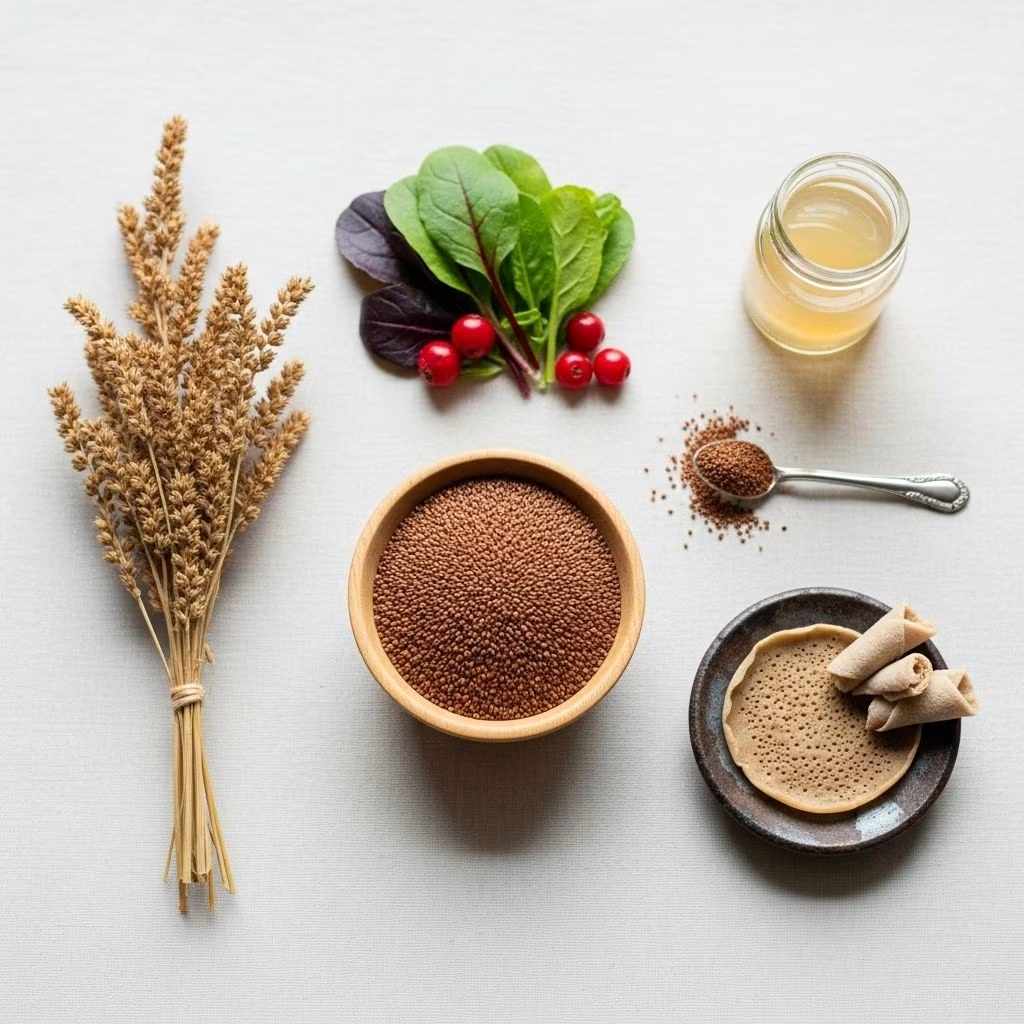
Teff is an ancient, nutrient-dense cereal grain with a deep-rooted history in Ethiopian and Eritrean culture. Known for its tiny, high-fiber seeds and mild, nutty flavor, teff is gaining popularity worldwide for its versatility and impressive health benefits, especially as a gluten-free alternative to common grains. This comprehensive guide explores teff’s origin, nutritional value, health benefits, uses in cooking, and its distinctive taste profile.
Introduction: What Is Teff?
Teff (Eragrostis tef) is an annual cereal grass native to Ethiopia and Eritrea. Sometimes spelled as “tef,” this grain produces some of the world’s smallest seeds, each less than 1 mm in diameter. Typically, teff grains are about the size of a poppy seed and come in hues ranging from white to dark brown or red.
Teff is a core ingredient in the cuisines of the Horn of Africa, most famously used to make the fermented flatbread called injera. Its rising popularity in global markets can largely be attributed to its natural gluten-free status and dense nutritional profile.
History and Origins of Teff
Teff was domesticated between 4000 and 1000 BCE and is considered one of the oldest domesticated crops in the world. It is the principal staple grain of Ethiopia and Eritrea, where it has sustained millions for millennia. Archaeological evidence shows teff remains in ancient Egyptian pyramids, confirming its long-standing nutritional importance.
The word “teff” is said to derive from the Amharic word for “lost,” a nod to the seed’s minuscule size and the ease with which it could become lost when spilled.
Types and Colors of Teff
Teff exists in several natural varieties, distinguished by grain color and nutritional content:
- White Teff: Grows primarily in Ethiopia’s highlands and is considered the most sought-after and prestigious variety due to its mild flavor and lighter color. It is also typically more expensive.
- Red/Brown Teff: Contains higher iron levels and a deeper, earthier flavor profile. This variety is less expensive and is gaining popularity in Ethiopia for its nutritional benefits, notably in communities with higher risk of anemia.
- Mixed Teff: Features a combination of white, red, and brown grains, offering a balance in taste and nutrition.
The diversity in color not only affects flavor but can also influence nutrient content, particularly in terms of iron and other minerals.
Nutritional Profile of Teff
Teff is often considered a supergrain due to its exceptional nutritional composition:
| Nutrient (per 100g) | Teff (Cooked) | Comparison (Cooked Brown Rice) |
|---|---|---|
| Calories | 101 | 123 |
| Protein | 3.9g | 2.7g |
| Fiber | 2.8g | 1.6g |
| Carbohydrates | 20.0g | 25.6g |
| Fat | 0.6g | 1g |
| Calcium | 56mg | 3mg |
| Iron | 2.1mg | 0.4mg |
| Magnesium | 44mg | 39mg |
- Protein: Teff contains 9–13% protein, higher than many other grains, including brown rice and sorghum.
- Essential Amino Acids: High in lysine, which is typically limited in other grains. Lysine supports energy production, helps in collagen formation, and optimizes calcium absorption.
- Fiber: The bran and germ are rarely milled out due to the small grain size, making teff flour almost always whole grain and fiber-rich, aiding digestive health.
- Minerals: Teff is a significant source of iron, magnesium, calcium, and zinc. Red/brown teff typically has the highest iron content.
Health Benefits of Teff
- Gluten-Free: Teff is an excellent choice for those with celiac disease or gluten sensitivity, providing variety to gluten-free diets.
- Supports Digestive Health: The high fiber content aids in regular bowel movements, helps prevent constipation, and may reduce the risk of colon disease.
- Promotes Bone Health: Thanks to its calcium content, teff is beneficial for maintaining strong bones, especially important for those avoiding dairy.
- Helps Manage Blood Sugar: Teff’s fiber slows digestion and helps regulate the release of glucose, making it a promising grain for people with diabetes.
- Rich in Plant-Based Protein: Teff provides essential amino acids, supporting muscle repair, immune function, and overall wellness.
- May Enhance Iron Status: The high iron content, especially in red/brown varieties, can help prevent and address anemia, particularly in populations with elevated needs.
- Good Source of Resistant Starch: Teff contains resistant starch, which acts as a prebiotic, feeding beneficial gut bacteria and supporting metabolic health.
- Supports Heart Health: Fiber and magnesium both contribute to reduced blood pressure and lower cholesterol levels.
- Antioxidant Properties: Polyphenols and other micronutrients in teff help reduce oxidative stress and inflammation.
Culinary Uses of Teff
Teff’s versatility makes it a favorite in both traditional Ethiopian cooking and modern healthy diets.
- Injera Flatbread: Teff flour is the cornerstone of injera, the signature Ethiopian sourdough flatbread, known for its spongy texture and tangy taste.
- Breakfast Porridge: Whole teff grain can be cooked and served as a warm porridge similar to cream of wheat or oatmeal. Enhancements might include nuts, fruit, or honey.
- Baked Goods: Teff flour is used in pancakes, crepes, muffins, breads, waffles, and cookies, both alone and combined with other flours for extra flavor and nutrition.
- Thickener: Due to its starch content, teff flour is used as a thickener in gravies, soups, and stews.
- Beer and Fermented Drinks: In Ethiopia, teff is brewed into local beers and somewhat comparable to the use of barley in other cultures.
- Pilaf and Side Dishes: Cooked teff can substitute for rice, quinoa, or couscous in salads, side dishes, and grain bowls.
- Puddings and Desserts: Teff’s slightly sweet, malty flavor works well in dessert recipes.
Taste and Texture of Teff
What does teff taste like? Teff boasts a mild, nutty flavor that some describe as slightly sweet or malty. Darker varieties can have undertones of chocolate or cocoa, especially when toasted. The grain’s small size yields a pleasing, slightly crunchy texture when cooked whole, yet teff flour imparts a tender, spongy quality to baked goods.
The flavor profile differs across varieties:
- White Teff: Mild and slightly sweet, less earthy than the darker types.
- Red/Brown Teff: More robust, earthy, with subtle cocoa-like undertones.
When fermented, as in injera, teff develops a characteristic sourness and airy, spongy structure.
Teff Compared to Other Grains
| Feature | Teff | Quinoa | Millet | Brown Rice |
|---|---|---|---|---|
| Gluten-Free | Yes | Yes | Yes | Yes |
| Protein (per 100g, cooked) | 3.9g | 4.1g | 3.5g | 2.7g |
| Iron (per 100g, cooked) | 2.1mg | 1.5mg | 1.1mg | 0.4mg |
| Calcium (per 100g, cooked) | 56mg | 17mg | 8mg | 3mg |
| Flavor | Mild, nutty, malty | Slightly bitter, grassy | Mild, slightly sweet | Neutral |
Teff stands out for its calcium and iron content, as well as its lysine profile and distinctive taste.
How to Buy, Store, and Cook Teff
- Buying: Teff is available as whole grain or flour, found at health food stores, specialty groceries, or online. Choose varieties based on your flavor and recipe needs (white for subtle, red for earthy).
- Storage: Store teff grain in a cool, dry place in an airtight container for up to a year. Teff flour should be kept in the refrigerator or freezer to prevent rancidity.
Basic Cooking Instructions:
- For whole grain teff:
- Rinse 1 cup teff under running water.
- Combine with 3 cups water or broth in a saucepan.
- Bring to a boil, then reduce to a simmer.
- Cook, covered, for 15–20 minutes (or until water is absorbed and grains are tender).
- Let stand, covered, for 5 minutes. Fluff before serving.
- For teff porridge, use 4 cups water for a creamier texture and cook until desired consistency.
- For teff flour, substitute up to a quarter of all-purpose flour in baked goods for a nutritional and flavor boost.
Potential Drawbacks and Considerations
- Cost: Teff can be more expensive than other grains due to its tiny yield per plant, challenging storage, and long shipping distances.
- Allergies: While rare, some may be sensitive to teff, though it is naturally gluten-free and hypoallergenic for most people.
- Phytates and Absorption: Like other whole grains, teff contains some antinutrients (phytates), which may inhibit the absorption of certain minerals. Soaking, fermenting (as in injera), or cooking teff generally reduces these effects.
Frequently Asked Questions (FAQs)
Is teff suitable for people with celiac disease?
Yes, teff is naturally gluten-free, making it an excellent choice for those with celiac disease or gluten intolerance.
Does teff taste similar to quinoa?
While both grains are mild and nutty, teff often has a maltier, sweeter undertone and a finer, slightly crunchy texture compared to the larger and sometimes more bitter quinoa grain.
How is teff traditionally eaten?
Teff is most famously fermented and used to make injera, the spongy Ethiopian flatbread essential to its national cuisine. Whole grains may also be used in porridges or as a rice substitute.
Is teff considered a whole grain?
Almost all teff sold is whole grain because the seed is too tiny to mill out the bran or germ effectively.
Can teff help prevent anemia?
Yes, especially red and brown teff varieties are high in iron, which may help improve hemoglobin levels and reduce the risk of iron-deficiency anemia.
Is teff environmentally sustainable?
Teff is naturally drought-tolerant, resistant to waterlogging, and adaptable to varied soils, making it a resilient crop. Its low input needs and environmental versatility contribute to sustainable farming systems.
How do I substitute teff for other grains in recipes?
Use cooked teff grain in place of rice, quinoa, or couscous in pilafs and salads. Teff flour may replace up to 25% of wheat flour in most baking recipes for added nutrition and flavor.
Conclusion
Teff is a nutritional powerhouse with ancient roots and modern appeal. Its adaptability in both traditional and contemporary recipes, combined with impressive health benefits and a unique taste profile, has earned this tiny grain a place in global health-conscious kitchens. Whether used for a classic injera, a breakfast porridge, or as a gluten-free baking alternative, teff offers a delicious and wholesome way to diversify your diet.
References
- https://www.britannica.com/plant/teff
- https://ethnomed.org/resource/more-about-ethiopian-food-teff/
- https://foodrevolution.org/blog/teff/
- https://www.webmd.com/diet/benefits-of-teff-flour
- https://teffco.com/what-is-teff/
- https://www.mentta.com/blog/en/what-is-teff-the-gluten-free-grain-that-captivates/
- https://pmc.ncbi.nlm.nih.gov/articles/PMC11545792/
- https://advancedhealth.com/wp-content/uploads/2021/06/45-Jun-Teff-handout.pdf


