


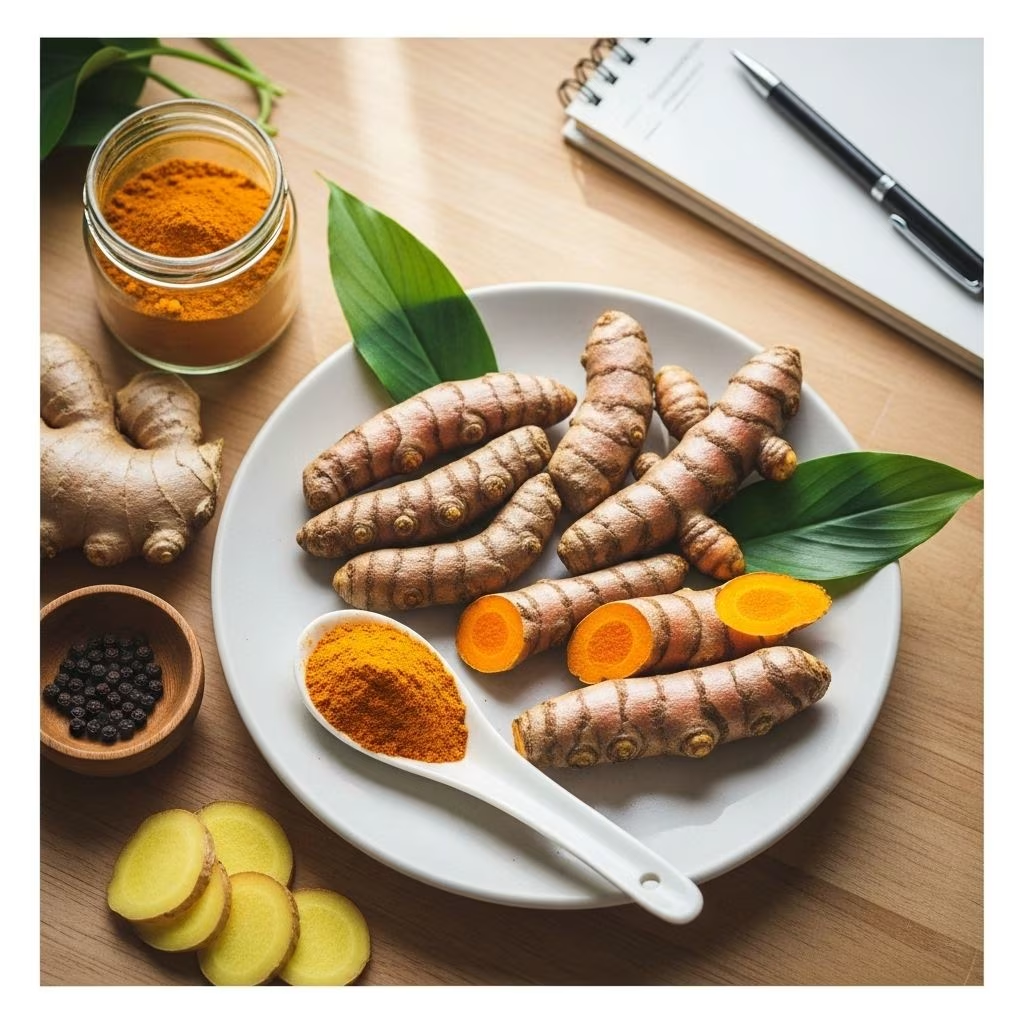
Turmeric is a golden-yellow spice, renowned for centuries in traditional Indian, Chinese, and Southeast Asian medicine. Today, it has leapt from the spice rack to the spotlight of global health conversations for its potential to combat inflammation, support chronic disease prevention, and enhance overall well-being. This extensive guide explores turmeric’s medicinal properties, clarifies its optimal dosage, examines its safety profile, and addresses frequently asked questions to help you make informed decisions about including turmeric in your health regimen.
History and Origins of Turmeric
Turmeric (Curcuma longa) is a flowering plant in the ginger family indigenous to South Asia. Used for over 4,000 years, it features prominently in Ayurvedic and Traditional Chinese Medicine as a remedy for a spectrum of ailments. Its distinctive color and flavor also make turmeric a staple in curries, mustards, and other culinary applications worldwide.
Active Compounds of Turmeric
Turmeric owes its therapeutic potential to an array of bioactive substances, particularly curcuminoids. The most notable among them is curcumin:
- Curcumin: The principal curcuminoid, known for robust antioxidant and anti-inflammatory activity.
- Demethoxycurcumin & Bisdemethoxycurcumin: Other curcuminoids contributing to the spice’s health effects.
- Turmeric volatile oils: Including tumerone, atlantone, and zingiberene, which may possess their own medicinal properties.
Curcuminoids account for only about 2–8% of most turmeric preparations, but concentrated extracts and supplements can offer higher standardized doses.
Evidence-Based Health Benefits
Modern science has validated many traditional uses of turmeric, though not all claims are equally supported by clinical trials. Key evidence-based benefits include:
1. Anti-Inflammatory and Antioxidant Effects
- Curcumin reduces inflammation by blocking molecules like NF-κB and inhibiting the activity of inflammatory enzymes, rivaling the efficacy of some anti-inflammatory medications.
- Acts as a potent antioxidant, neutralizing harmful free radicals and increasing the body’s own antioxidant enzymes.
2. Joint and Mobility Support (Arthritis)
- Oral supplementation has shown to improve pain and function in osteoarthritis and rheumatoid arthritis, with results comparable to NSAIDs but with a lower risk of gastrointestinal side effects.
3. Heart and Cardiovascular Health
- Supports healthy cholesterol levels and may reduce risk factors for heart disease, including improved blood vessel lining function (endothelial function).
- Some studies suggest a reduction in heart attack occurrence post-bypass surgery.
4. Blood Sugar Control and Metabolic Benefits
- Improves insulin sensitivity and helps regulate blood sugar levels, benefiting those with or at risk for type 2 diabetes.
- Contributes to improved BMI and lipid profiles (cholesterol, triglycerides).
5. Gut and Digestive Health
- Helps soothe the digestive tract, may alleviate symptoms of ulcerative colitis, and is traditionally used for bloating and digestive discomfort.
6. Cognitive Function and Brain Health
- May increase levels of Brain-Derived Neurotrophic Factor (BDNF), supporting the growth of new neurons and potentially reducing the risk or progression of neurodegenerative diseases such as Alzheimer’s disease.
- Early studies also indicate benefits for mood enhancement and possibly for depression management.
7. Anticancer Properties
- Laboratory and animal studies highlight turmeric’s ability to affect key cancer development pathways: reducing cell proliferation, inducing tumor cell death (apoptosis), and preventing new blood vessel growth in tumors.
- Potential effects against skin, breast, oral, and stomach cancers have been observed in preclinical studies. Human evidence is preliminary and ongoing.
8. Skin Health and Radioprotective Effects
- Topical applications can reduce skin irritation, especially in cancer patients undergoing radiation therapy.
- Antimicrobial and wound-healing properties are well recognized in traditional medicine.
Summary Table: Key Health Benefits of Turmeric
| Benefit | Evidence Strength | Details |
|---|---|---|
| Anti-inflammatory | Strong | Validated in multiple clinical studies; comparable to NSAIDs for arthritis |
| Antioxidant | Moderate-Strong | Supports reduction of oxidative stress |
| Joint pain/Arthritis | Strong | Improves pain and mobility, especially osteoarthritis |
| Heart health | Moderate | May reduce cholesterol, improve vessel function |
| Digestive disorders | Moderate | May improve symptoms of colitis, indigestion |
| Cancer prevention | Preliminary | Tested mainly in preclinical studies; human research ongoing |
| Skin and wound care | Traditional/Some Evidence | Topical applications reduce irritation, aid healing |
Medicinal Uses in Traditional Systems
Ayurveda and Chinese medicine employ turmeric to address:
- Infections (bacterial, viral, fungal)
- Liver detoxification and jaundice
- Wound and skin healing (including paste for injuries)
- Joint disorders and muscle soreness
- Cough, asthma, and respiratory ailments
Ancient uses typically involved low, food-level doses over prolonged periods for preventive and therapeutic roles.
Recommended Dosage and Forms
Turmeric is available in various forms, and its effectiveness and safety depend on how it is consumed:
- Fresh Root: Grated or sliced in foods, teas, or juices.
- Dried Powder: Commonly used as a culinary spice, added to curries, smoothies, or golden milk.
- Extracts & Supplements: Standardized doses (often 95% curcuminoids) in capsules or tablets; many are combined with black pepper extract (piperine) to increase absorption.
- Topical Pastes: Used for wounds, skin conditions, or in beauty regimens.
Standardized Dosages
- Culinary Use: 1–3 grams (1/2–1 ½ teaspoons) per day in food is generally safe for most adults.
- Curcumin Supplement: 500–2000 mg daily in divided doses, often standardized to 95% curcuminoids. Dosages above 2000 mg daily are generally not recommended without medical supervision.
- Taking curcumin with a fat-containing meal or with black pepper is advised for better absorption.
Tips for Absorption
- Curcumin alone is poorly absorbed; pairing it with piperine (found in black pepper) can enhance bioavailability by up to 2000%.
- Use with healthy fats, such as in milk, coconut oil, or olive oil blends, for improved absorption.
Potential Side Effects and Safety
Although turmeric is considered very safe for most individuals, especially in culinary quantities, high doses or supplementation can pose some risks.
- Gastrointestinal Upset: High doses may cause nausea, diarrhea, stomach upset, or bloating.
- Iron Absorption: Large intakes over an extended period may interfere with iron absorption, potentially aggravating anemia in predisposed individuals.
- Lower Blood Sugar: May enhance effects of blood-sugar-lowering medicines.
- Allergic Reactions: Rare but possible—can include skin rashes or gastrointestinal symptoms.
- Gallbladder Problems: May worsen symptoms in individuals with gallstones or bile duct obstruction.
Turmeric is generally regarded as safe during pregnancy in culinary amounts, but medicinal doses and supplements should be avoided unless supervised by a healthcare provider.
Rare and Serious Adverse Effects
- Cases of liver toxicity linked to high-dose supplements have been reported. Causality is rare but possible, especially with pre-existing liver conditions.
- Risk of bleeding: High doses of curcumin may slow blood clotting.
Interactions and Warnings
Turmeric and curcumin supplements may interact with certain medications or health conditions:
- Blood Thinners: May increase risk of bleeding if combined with warfarin, aspirin, or similar medications.
- Antidiabetic Medications: May cause blood sugar to drop too low if combined with diabetes drugs.
- Chemotherapy: May interact with cancer treatments; consult an oncologist before use.
- Surgery: Stop supplementation at least two weeks before elective surgery to minimize bleeding risk.
- Liver or Gallbladder Disease: Use with caution or avoid unless advised by a physician.
As always, consult your healthcare provider before starting a new supplement, especially if you have any chronic health condition or are taking medication.
How To Use Turmeric Effectively
- Incorporate turmeric into your daily diet for long-term benefits: Try it in curries, dressings, smoothies, or lattes.
- If using supplements, look for standardized extracts, ideally combined with piperine or phospholipids (sometimes called “phytosome” formulations) for enhanced absorption.
- Be mindful of total intake from all sources when using both food-based and supplement forms.
- Monitor for digestive discomfort or other side effects, dropping the dose or stopping use if needed.
Frequently Asked Questions (FAQs)
Q: Can turmeric cure diseases like cancer or Alzheimer’s?
A: Current research is promising but preliminary. Turmeric and curcumin show preventive potential in lab studies, but there is not enough human evidence to claim a cure for any disease as of now.
Q: How long does it take to feel benefits from turmeric?
A: For joint or digestive comfort, some people notice improvements within 4–8 weeks of consistent use. Effects on inflammation or heart health are typically seen with long-term, daily intake.
Q: Is turmeric safe for children?
A: Turmeric in food quantities is generally safe for children, but supplements should only be used under pediatric supervision.
Q: Can turmeric cause allergies?
A: Allergic reactions are rare but can occur. Symptoms may include rashes, itching, or digestive upset. Discontinue use and consult a doctor if you suspect a reaction.
Q: Is there a difference between turmeric spice and curcumin supplements?
A: Yes. Turmeric spice contains only a small percentage of curcuminoids (2–8%). Supplements are standardized to deliver higher, concentrated doses of curcumin for medicinal purposes.
Q: Should turmeric be avoided during pregnancy?
A: Culinary amounts are safe, but medicinal doses or supplements should only be taken under medical supervision during pregnancy and breastfeeding.
References
- Ohio State University – Explaining Turmeric’s Health Benefits and Limitations
- NCBI Bookshelf – Turmeric, the Golden Spice
- Healthline – Top 10 Evidence-Based Health Benefits of Turmeric
Disclaimer: This article is for informational purposes only and does not substitute for professional medical advice. Always consult your healthcare provider before adding new supplements to your routine.
References
- https://health.osu.edu/wellness/exercise-and-nutrition/explaining-turmerics-health-benefits-and-limitations
- https://www.ncbi.nlm.nih.gov/books/NBK92752/
- https://www.healthline.com/nutrition/top-10-evidence-based-health-benefits-of-turmeric
- https://pmc.ncbi.nlm.nih.gov/articles/PMC7522354/
- https://www.frontiersin.org/journals/nutrition/articles/10.3389/fnut.2022.1040259/full
- https://www.cancer.gov/about-cancer/treatment/cam/hp/curcumin-pdq


