


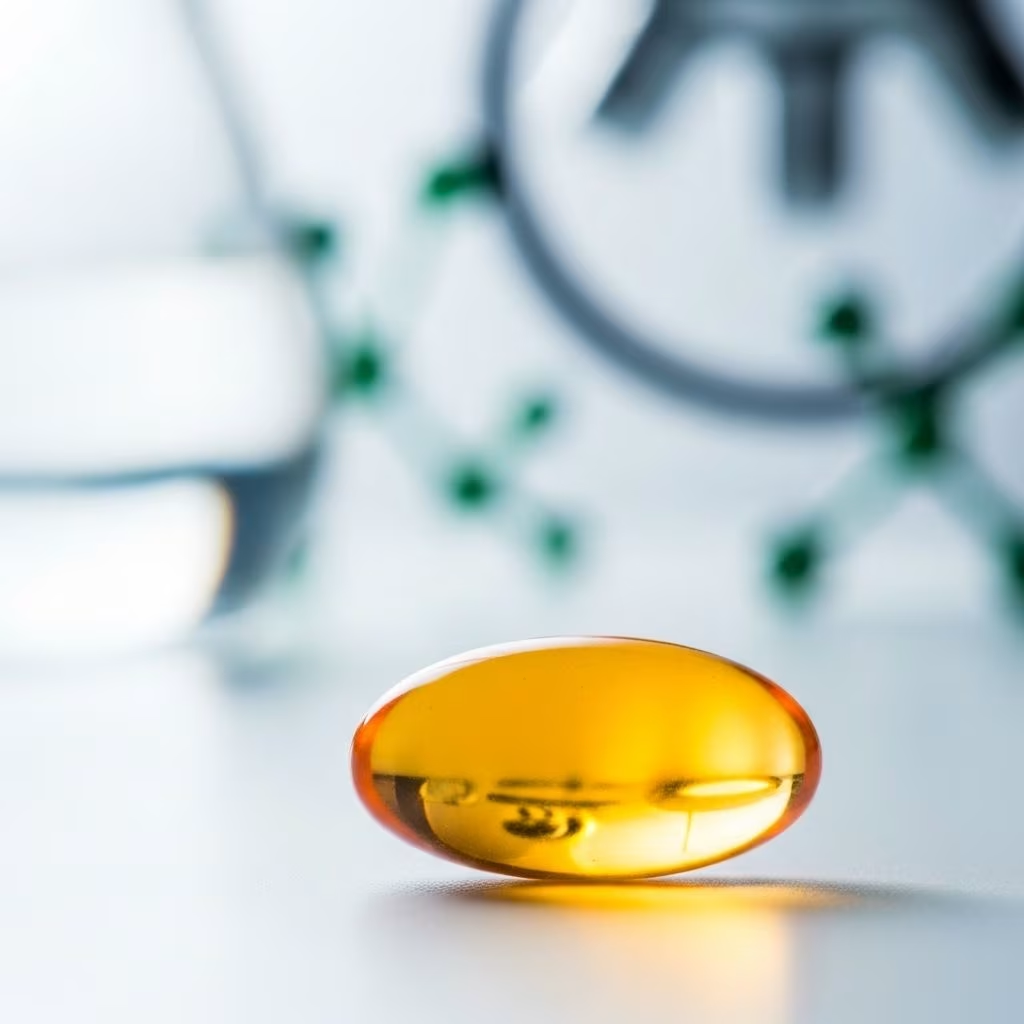
Ubidecarenone (Coenzyme Q10): Benefits, Medical Uses, Taste, and Scientific Insights
Ubidecarenone, widely known as Coenzyme Q10 (CoQ10) or ubiquinone, is a critical compound found in nearly every cell of the human body. Extensively studied since its discovery in 1958, ubidecarenone plays a key role in cellular energy production, exhibits strong antioxidant activity, and has promising applications in various medical and wellness contexts. This comprehensive guide covers the definition, health benefits, clinical uses, safety considerations, and taste profile of ubidecarenone, synthesizing current research and expert consensus.
What Is Ubidecarenone?
Ubidecarenone (Coenzyme Q10, CoQ10) is a fat-soluble, vitamin-like molecule present in all living animal cells, including humans. The highest concentrations are found in organs with high energy demands such as the heart, liver, kidneys, and pancreas. Structurally, it is a quinone compound derived from the same biosynthetic pathway as cholesterol. Its main biological function is to participate in the mitochondrial electron transport chain, which is fundamental to energy (ATP) production in cells.
Ubidecarenone is also one of the body’s only fat-soluble antioxidants produced endogenously, meaning that the body can manufacture it on its own, though levels may decline with age or certain health conditions.
Role in the Body and Mechanism of Action
- Cellular Energy Production: Ubidecarenone (CoQ10) is crucial for the synthesis of adenosine triphosphate (ATP), the molecule that stores and supplies energy for cellular functions. It transfers electrons within the mitochondrial membrane, enabling efficient energy conversion.
- Antioxidant Protection: Ubidecarenone neutralizes free radicals and inhibits oxidative stress, which is implicated in aging and numerous chronic diseases.
- Metabolic Functions: Participates in metabolic pathways affecting heart health, cognitive function, and overall cellular maintenance.
- Cholesterol Synthesis Pathway: Ubidecarenone synthesis shares its pathway with cholesterol, meaning that drugs affecting cholesterol (e.g., statins) may inadvertently reduce CoQ10 levels.
Health Benefits of Ubidecarenone
Extensive research highlights several health benefits associated with ubidecarenone supplementation and adequate body levels:
- Support for Cardiovascular Health: Helps improve energy supply to heart muscle, supports overall cardiac function, and is used adjunctively in heart failure, angina, and hypertension.
- Antioxidant Activity: Protects cells from oxidative damage. This is thought to slow the aging process, reduce inflammation, and may help prevent chronic diseases.
- Migraine Relief: Evidence suggests a reduction in frequency and severity of migraines with regular supplementation.
- Infertility Treatment: Used to treat unexplained male infertility (idiopathic oligoasthenoteratozoospermia) and female fertility issues, possibly by improving cellular energy and reducing oxidative stress in reproductive tissues.
- Diabetes and Metabolic Health: May improve glycemic control and reduce diabetic complications through enhanced cellular energy and antioxidant effects.
- Neurological Support: Investigated for applications in Parkinson’s disease, chronic fatigue syndrome, fibromyalgia, and other neurodegenerative conditions due to its mitochondrial and antioxidant roles.
- Skin Health and Anti-Aging: Protects against UV damage, promotes wound healing, and slows the formation of wrinkles.
- General Aging: Supplementation may slow age-related cognitive and metabolic decline, supporting vitality in older adults.
Medical Uses and Indications
Ubidecarenone is widely used both in clinical medicine and as an over-the-counter supplement. Key indications include:
- Cardiovascular Support: Used for congestive heart failure, angina, hypertension, and ischemic heart conditions, with evidence showing improved cardiac energy production, reduced symptoms, and enhanced exercise tolerance.
- Infertility (Male & Female): Supplementation may improve sperm quality and support fertility in women experiencing conception difficulties.
- Migraine Prevention: Reduces the frequency and severity of attacks when used regularly.
- Aging and Neuroprotection: Applied in conditions linked to mitochondrial dysfunction, chronic fatigue, and neurodegenerative diseases.
- Diabetes Management: May make positive contributions to glycemic control and cellular integrity in diabetic patients.
- Skin Health: Used in topical and oral preparations to accelerate wound healing, diminish inflammation, and slow wrinkle formation.
- Chronic Fatigue Syndrome: Supports energy levels in individuals with mitochondrial impairment, especially older adults.
| Condition | Typical Dosage | Additional Benefits |
|---|---|---|
| Heart Failure | 50-150mg/day (divided doses) | Improved heart function, reduced symptoms |
| Angina | 150-600mg/day (divided doses) | Enhanced energy, improved exercise tolerance |
| Migraine Prevention | 100-150mg/day | Reduced frequency, severity of attacks |
| Infertility | 100-300mg/day | Improved sperm quality, egg vitality |
| Skin & Wound Healing | Topical/oral as per specialist advice | Accelerated healing, anti-aging effects |
Causes and Impacts of Ubidecarenone Deficiency
- Age: Natural biosynthesis of ubidecarenone declines with advancing age, partly explaining some age-related functional decreases.
- Statin Medication: Statins (cholesterol-lowering drugs) reduce the body’s ability to produce ubidecarenone since both compounds share a biosynthetic pathway. This can lead to lower cellular energy and possible side effects like muscle pain or weakness.
- Mitochondrial Diseases: Rare inherited or acquired disorders affecting energy production may be associated with ubidecarenone deficiency.
- Dietary Factors: Although the body produces much ubidecarenone, inadequate dietary intake, especially in individuals with increased needs, may contribute to lower levels.
Symptoms of deficiency are varied and can include fatigue, muscle pain, cognitive decline, reduced immunity, and increased susceptibility to chronic diseases.
Dosage, Administration, and Absorption
- Formulations: Ubidecarenone is available as tablets (10mg), capsules (20mg, 30mg, 50mg, 100mg), and oral solutions.
- Administration: Traditionally taken with water and food. Absorption is best with high-fat meals.
- Dosage:
- General adult supplementation: 30-100mg/day in divided doses
- Heart conditions: 50-150mg/day divided into two or three doses
- Angina or high-energy needs: up to 600mg/day, divided into three doses
- Migraine, infertility, or skin health: 100-300mg/day, dose adjusted based on medical advice
- Duration: Determined by the treating physician based on condition, response, and overall health.
- Guidelines: Swallow whole; do not chew, crush, or split tablets/capsules.
Safety, Side Effects, and Contraindications
- General Safety: Ubidecarenone is considered safe for most people when used as directed, though individual reactions may vary.
- Possible Side Effects:
- Nausea
- Upset stomach
- Vomiting
- Loss of appetite
- Diarrhea
- Elevated liver enzymes (rare)
- Contraindications: Should not be used by individuals allergic to ubidecarenone or any of its components. Pregnant and breastfeeding women should consult a doctor before use.
- Interactions: May interact with statins and other drugs affecting cholesterol/metabolic pathways. Always inform healthcare providers of all medications being taken.
- Toxicity: Overdose or excessive duration may increase the risk of adverse effects; always use only the recommended dose and duration.
Sources of Ubidecarenone in Foods
- Rich Sources: Animal protein sources (especially heart and liver), oily fish (sardines, salmon), and meats are highest in ubidecarenone.
- Plant Sources: Spinach, broccoli, peanuts, whole grains, and certain fruits contribute modest levels.
- Dietary Relevance: Most individuals obtain sufficient CoQ10 from endogenous synthesis; however, dietary emphasis may be important for older adults or those with certain health conditions.
Taste and Sensory Characteristics
Ubidecarenone as a raw compound has minimal taste, and is typically described as mildly bitter or tasteless. In supplement form, taste is rarely noticed due to its encapsulation in tablets or capsules. When blended into foods or liquid supplements, it does not impart strong flavor notes, which makes it suitable for fortified formulations. It has no characteristic odor.
Some individuals may perceive a faint, mildly medicinal aftertaste if ingested as a powder, but this does not impact the enjoyment or acceptance of most commercial preparations.
Frequently Asked Questions (FAQs)
A: Yes. Ubidecarenone is another term for Coenzyme Q10 (CoQ10), also known as ubiquinone. All refer to the same molecule with identical physiological roles.
A: Statins may lower your body’s natural ubidecarenone production. Supplementation can be considered, but always consult your physician before combining medications.
A: Aging, statin use, mitochondrial disorders, and certain chronic illnesses are most commonly linked to reduced levels. Symptoms may include fatigue, cardiovascular issues, or cognitive decline.
A: By improving mitochondrial efficiency and reducing oxidative stress, ubidecarenone may contribute to a slower aging process and improved vitality. Evidence supports benefits for skin, cognitive health, and metabolic function, especially in older adults.
A: It is usually well tolerated. However, excessive doses or use in sensitive populations (e.g., children, pregnant or breastfeeding women, those with allergies) may cause adverse effects. Always use under medical supervision.
A: No. Ubidecarenone is characterized as mildly bitter or nearly tasteless, especially in capsule or tablet form.
Summary
Ubidecarenone is an essential, widely beneficial compound for cellular energy, cardiovascular health, antioxidation, fertility, neurological protection, diabetes, and skin health. Its safety profile is strong when taken as recommended, and its mild sensory characteristics make it suitable for diverse supplement formulations. As research continues, ubidecarenone remains at the forefront of integrative medicine and healthy aging strategies.
References
- https://www.apollopharmacy.in/salt/Ubidecarenone
- https://www.vinmec.com/eng/blog/what-is-ubidecarenone-en
- https://www.ncbi.nlm.nih.gov/books/NBK531491/
- https://www.healthline.com/nutrition/coenzyme-q10
- https://www.mayoclinic.org/drugs-supplements-coenzyme-q10/art-20362602
- https://my.clevelandclinic.org/health/drugs/20097-coenzyme-q10-capsules-and-tablets
- https://www.webmd.com/drugs/2/drug-153517/coenzyme-q10-ubiquinol-oral/details
- https://en.wikipedia.org/wiki/Coenzyme_Q10


