


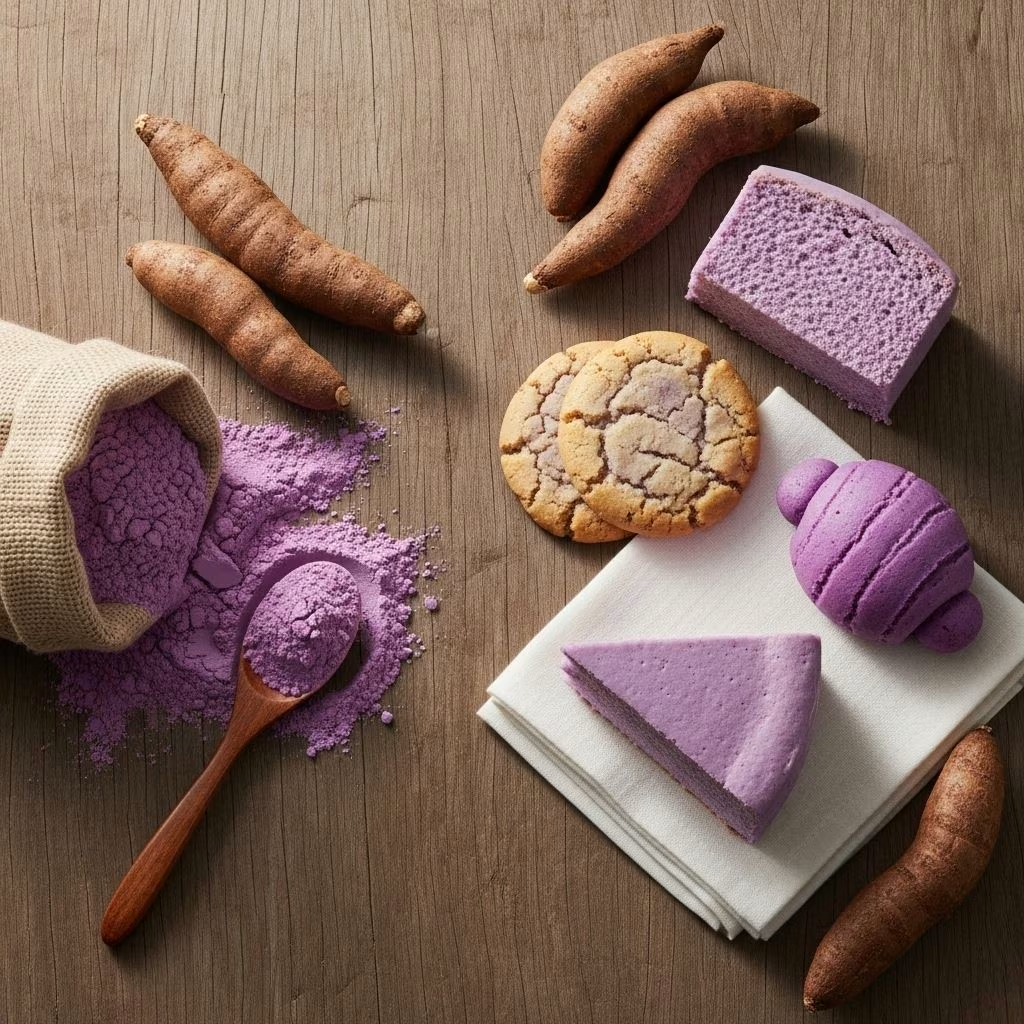
Every so often, a vibrant ingredient captures the imagination of bakers and cooks alike. Ube flour, derived from the vivid purple yam native to the Philippines, has stepped onto the culinary stage, enchanting enthusiasts with its color, flavor, and versatility. This comprehensive guide delves into the multiple facets of ube flour: its baking applications, nutritional profile, and practical substitutes, empowering you to harness its potential in your home baking.
What is Ube Flour?
Ube flour is made from the purple yam (Dioscorea alata), a tuber commonly grown in Southeast Asia and celebrated in the Philippines. The yam is peeled, cooked or dried, and ground into a fine powder or flour. This process preserves the yam’s vivid purple hue and distinct nutty, vanilla-like flavor, making ube flour a prized ingredient for both modern and traditional baking.
- Origin: Predominantly cultivated in the Philippines, but variations exist throughout Southeast Asia.
- Form: Powdery, vibrant purple flour (occasionally available as flakes or chips).
- Flavor profile: Mildly sweet, lightly nutty, with undertones of vanilla and coconut.
- Main use: Both sweet and savory applications, with a strong prevalence in baking and desserts.
Unique Flavor and Color of Ube
Ube sets itself apart primarily through its color and flavor:
- Purple Pigmentation: The purple hue comes from anthocyanins—powerful antioxidants that also provide color to blueberries and black rice.
- Flavor: A gentle sweetness combined with notes of vanilla, coconut, and pistachio, making it versatile for both cakes and innovative recipes.
These sensory factors not only provide visual beauty but also a unique depth to baked goods.
Ube Flour in Baking: Creative and Classic Uses
Ube flour shines in both traditional Filipino recipes and fusion baking. Its ability to lend both flavor and a stunning color upgrade positions it as a star ingredient in global kitchens.
Traditional Filipino Applications
- Ube Halaya (Ube Jam): Creamy, sweet spread starring ube, often used as a filling in cakes and pastries.
- Ube Ensaymada: Filipino sweet buns swirled or filled with ube jam.
- Ube Pandesal: A purple-hued take on classic Filipino breakfast rolls.
- Ube Cake and Cupcakes: Soft, airy cakes that let the natural color and flavor of ube shine.
- Ube Tarts, Cheese Rolls, and Bars: Versatile pastry applications.
Modern and International Baking
- Ube Pancakes and Waffles: Ube flour or extract brings bold color and a hint of sweetness to breakfast classics.
- Ube Muffins, Donuts, and Cookies: From crinkle cookies to chewy mochi donuts, ube flour is a natural fit.
- Ube Cheesecake and Brownies: Fusion desserts pair the earthy sweet notes of ube with creamy or chocolatey counterparts.
- Gluten-Free Baking: When blended with rice or almond flour, ube flour can create tender, gluten-free cakes and breads.
- Novelty Desserts: Ube lava cakes, tiramisu, Basque cheesecakes, and more demonstrate the creative possibilities.
Table: Common Baked Goods Using Ube Flour
| Baked Good | Ube Flour Function | Flavor/Texture Impact |
|---|---|---|
| Ube Loaf Cake | Main starch/flour component | Moist crumb, mild sweetness |
| Ube Pancakes | Blended with rice/buckwheat flour | Creamy, tender, gluten-free options |
| Ube Brownies | Added flavoring and color | Nutty, fudge-like flavor |
| Ube Cookies | Part substitute for wheat flour | Soft, chewy, vibrant color |
| Ube Ensaymada | Filling or dough enhancement | Buttery, sweet, fragrant |
Nutritional Profile and Health Benefits
Ube flour contributes more than visual appeal. Its nutritional benefits stem largely from the natural properties of the purple yam from which it is derived.
- Caloric Value: Roughly 110-120 calories per ¼ cup (30g), comparable to standard wheat flour and sweet potato flour.
- Carbohydrate Content: High in complex carbohydrates, providing sustained energy.
- Dietary Fiber: Moderate fiber content (about 2-3g per 30g serving) aids digestion.
- Protein: Contains a small amount (about 1-2g per serving), and is not a major protein source.
- Fat: Negligible; virtually fat-free.
- Vitamins and Minerals:
- Natural source of vitamin C, some B-vitamins (notably B6), and potassium.
- Contains magnesium, calcium, and phosphorus in small quantities.
- Antioxidants: Anthocyanins, the compounds responsible for the purple pigment, may help combat inflammation and support heart health.
Note: Ube flour provides more micronutrient diversity than refined white flour, and is naturally gluten-free, making it a suitable option for gluten-sensitive individuals when used in appropriate recipes.
How to Use Ube Flour in Baking
Successfully baking with ube flour centers on understanding its properties and how these interact with other ingredients. Here are some tips and common conversions for integrating ube flour into your favorite treats:
General Guidelines
- When substituting ube flour for wheat flour, start with replacing up to 25-50% of the total flour in a given recipe. Ube flour’s different starch composition can otherwise lead to dense or gummy results.
- Combine with all-purpose or gluten-free flours (like rice or almond flour) for optimal structure and crumb.
- Hydration: Ube flour absorbs more water than standard flours. You may need to increase wet ingredients slightly to prevent dryness.
- Baking Powder/Soda: In eggless or vegan recipes, combine ube flour blends with adequate leavening for a lighter outcome.
- Enhance with Extracts: Many bakers opt to add ube extract for deeper flavor and more intense color, especially if the flour is milder or less pigmented.
- Pair with Complementary Flavors: Ube flour works beautifully with coconut, matcha, pandan, cheese, and even chocolate.
Basic Ube Flour Conversion
| All-Purpose Flour | Ube Flour Substitute | Notes |
|---|---|---|
| 1 cup (120g) | ½ cup (60g) ube + ½ cup (60g) wheat/rice/almond flour | For cakes, muffins, cookies |
| 1 cup (120g) | 1 cup (120g, sifted) ube flour (in traditional recipes) | Adjust liquids; best in recipes already featuring yam |
Best Substitutes for Ube Flour
If you can’t source ube flour, several alternatives can mimic its function (if not its exact flavor and color). Substitute options depend on your recipe requirements:
- Purple Sweet Potato Flour: Offers a similar color spectrum, mildly sweet flavor, and starchy texture. May require slightly less hydration.
- Taro Flour: Related tropical root, slightly paler, with a nutty taste. Great in Asian desserts, though not as sweet or vibrantly colored.
- Sweet Potato Flour: Widely available, slightly earthier flavor, lacks vibrant purple but delivers moisture and starch.
- Okinawan Sweet Potato Flour: Deep purple color, subtly different flavor profile but equally striking in appearance.
- Yam or Cassava Flour: Adequate for structure, neutral taste. Add purple food coloring and a little vanilla extract to evoke ube-like notes.
- Beetroot Powder (for color): Not a flour, but blends well to boost coloration where ube flour is absent.
- Ube Extract or Halaya: For recipes relying more on flavor and color than on starch or structure—swap in prepared ube jam or extract.
Classic Recipes Featuring Ube Flour
Here are some beloved recipes to inspire your next bake. Ube flour’s charm lies in its flexibility—swap in for all or part of the recipe’s called-for flour:
Ube Pound Cake (Sample Recipe)
- 1 ¼ cup all purpose (or half ube flour, half all-purpose for stronger color)
- ½ tsp baking powder
- ¼ tsp salt
- 1 cup unsalted butter, room temp
- 1 cup granulated sugar
- 4 eggs
- ½ cup sour cream
- 1 tbsp vanilla extract
- ½ tsp ube extract (optional, for deeper flavor)
- ⅓ cup ube halaya or ½ cup ube flour, hydrated
Instructions: Cream butter and sugar, beat in eggs, add extracts and halaya or hydrated flour, then fold in dry ingredients. Bake in a greased loaf tin at 350°F for 60–70 minutes or until a toothpick emerges clean.
Other Ube Flour Bakes
- Ube Pancakes: Replace up to half the flour with ube flour for a gluten-free, color-rich twist.
- Ube Brownies: Stir hydrated ube flour into your favorite blondie or brownie recipe for a nutty variant.
- Ube Muffins: Use a 1:1 blend with all-purpose or oat flour for muffins that pack color and fiber.
Storage and Handling Tips
- Store ube flour in an airtight container in a cool, dry place, away from direct sunlight.
- If you live in a humid area, refrigeration or freezing in a moisture-proof bag will extend shelf life and preserve color.
- Once hydrated, use immediately or store in the refrigerator for up to 48 hours.
- Discard if you notice off odors, clumping, or faded color.
Frequently Asked Questions (FAQs)
Q: Is ube flour gluten-free?
A: Yes, ube flour is naturally gluten-free, making it suitable for celiac and gluten-sensitive diets. Just ensure all other recipe ingredients are also gluten-free.
Q: Can I use ube flour in yeast breads?
A: Ube flour does not provide the elasticity and rise of wheat gluten. For yeast breads, use ube flour as a flavor and color addition (no more than 25–30% of total flour) blended with bread or all-purpose flour.
Q: How do I boost the color of ube flour in baking?
A: If your ube flour produces a paler crumb, add a few drops of ube extract or a pinch of natural purple food coloring for that signature bold hue.
Q: Does ube flour taste like taro or purple sweet potato?
A: While all are root vegetables, ube is sweeter and more floral/nutty than taro, and less earthy than purple sweet potato. All three can sometimes be substituted, but expect differences in flavor profiles.
Q: What’s the difference between ube flour and ube powder?
A: Ube flour is milled directly from dried yams and used for structure in recipes. Ube powder may be more refined and intended for beverages or as a food coloring, but both can be used interchangeably in baking.
Bake with Ube Flour: Final Thoughts
With its unmatched color, gently sweet flavor, and noteworthy nutrition, ube flour transforms everyday recipes into visually striking and wholesome indulgences. Experiment with blends, respect its unique hydration needs, and discover a world of possibilities that extend far beyond the Filipino classics. Whether you’re after nostalgia or novelty, ube flour deserves a permanent place in the modern baker’s pantry.
References
- https://www.cooking-therapy.com/ube-pound-cake/
- https://seesfoodwilltravel.com/recipes-with-ube/
- https://theunlikelybaker.com/category/recipes/ube-recipes/
- https://www.kingarthurbaking.com/blog/2024/05/15/what-is-ube
- https://chefjanetk.com/gluten-free-ube-marble-cake/
- https://www.hummingbirdhigh.com/2022/10/best-ube-dessert-recipes.html


