


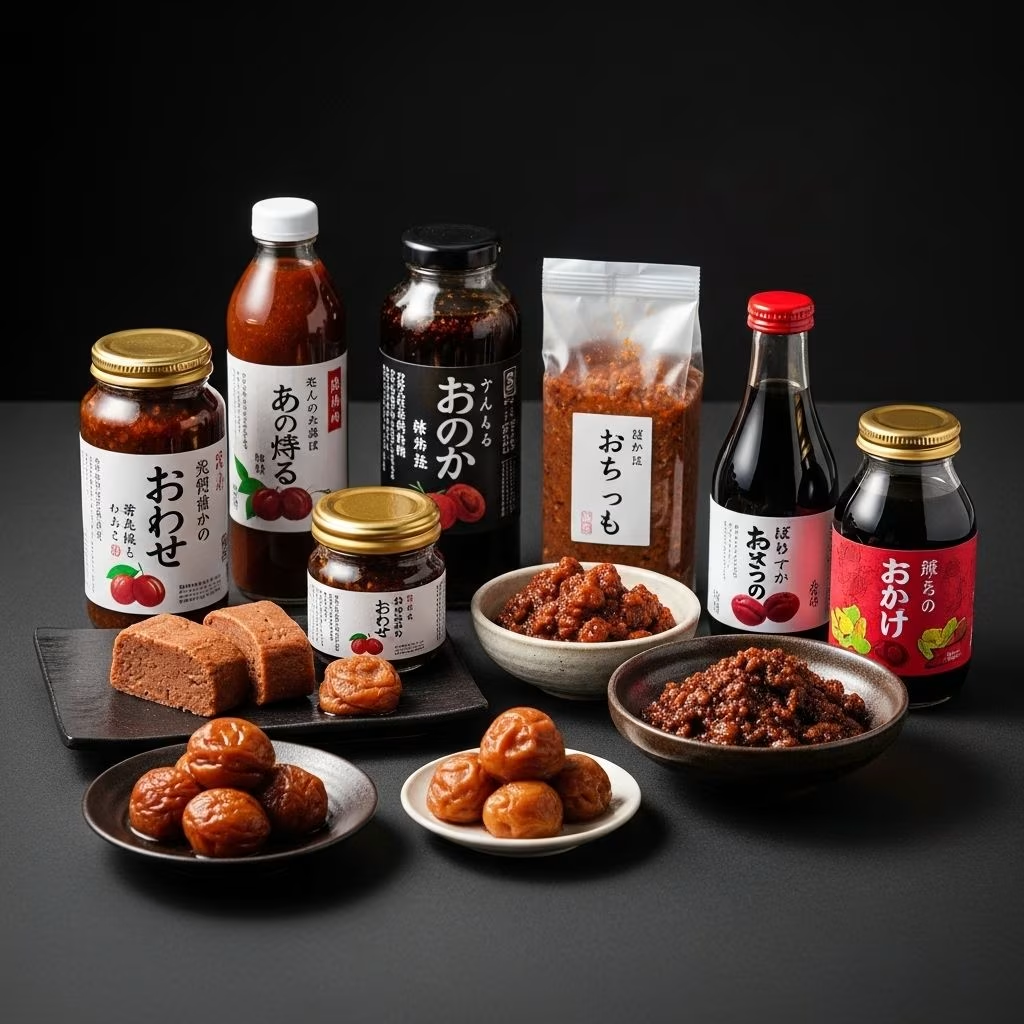
Ume, a fruit often called the Japanese plum but truly a member of the Prunus genus closely related to the apricot, is a cornerstone of Japanese culinary tradition. This tart, aromatic fruit is transformed into a vast array of delectable and functional products—ranging from iconic umeboshi (pickled plums) to refreshing ume drinks and versatile ume sauces. Each preparation showcases different aspects of ume’s complex flavor profile and its acclaimed health benefits. This comprehensive guide explores the main categories of ume-based foods—condiments, dressings, drinks, liqueurs, pastes, pickles, salads, and sauces—detailing their taste, uses, and nutritional value.
What is Ume?
The ume (Prunus mume) fruit is often referred to as the Japanese plum, but botanically it is closer to the apricot. Ume fruit is harvested while still green and firm, usually around June in Japan. It is not typically eaten raw due to its acidity and mild toxicity before processing. Instead, ume is revered for its culinary versatility after fermentation, pickling, or infusion.
Ume Condiment: The Flavor Booster
Ume condiments capture the essence of ume’s tangy and salty characteristics. The most famous example is umeboshi, or pickled ume, used as a condiment to accompany rice, noodles, or even served on its own. Other popular condiments include:
- Ume paste (neri ume/neba ume): Smooth, deep pink paste made by mashing and seasoning umeboshi, ideal for spreading, mixing, or dipping.
- Ume salt (ume shio): Salt infused with dried, pulverized umeboshi for seasoning tempura, salads, or grilled dishes.
- Ume vinegar (umezu): The saline, slightly fruity red brine left from the umeboshi pickling process, used as a flavorful, tangy seasoning for pickles and dressings.
Uses: Ume condiments enhance rice balls (onigiri), simmered dishes, noodle soups, vegetable sides, and even Western-style marinades or vinaigrettes. Their probiotic qualities also act as a natural preservative.
Ume Dressing: Vibrant for Salads & More
Ume’s high acidity, saltiness, and umami make it an exceptional ingredient for salad dressings and dipping sauces. Ume dressing typically combines mashed or pureed umeboshi, a neutral or mildly sweet vinegar (like rice vinegar), oils such as sesame or olive, and sometimes a bit of honey, soy sauce, or mustard. The result is a bright, tangy, deeply savory salad topping that pairs well with:
- Leafy green salads
- Cold noodle salads (soba, udon)
- Steamed or grilled vegetables
- Seaweed salads
- Tofu-based dishes
Taste: The flavor is sharp, puckeringly tart, and often slightly salty or sweet-savory, depending on additions.
Ume Drink & Juice: Refreshing Beverages
Ume drinks and juices are made by steeping fresh or salted ume fruits in water (sometimes with added sugar or honey). Ume syrup, created by macerating green ume with sugar, is a popular ingredient for:
- Refreshing summer sodas (umeshu soda)
- Hot or iced teas flavored with ume
- Non-alcoholic ume juice blends (often called ume juice or umesu)
These drinks are prized for their zesty, fruity aroma and balance of sweetness and gentle tartness. Ume drinks are said to aid digestion and relieve fatigue in the humid summer months.
Ume Liqueur (Umeshu): The Delicate Plum Wine
Umeshu (梅酒) is a cherished liqueur made by steeping green, fresh ume in alcohol (traditionally shochu or sake) and sugar for several months. Unlike umeboshi, umeshu is sweet, floral, and only mildly tangy—the pits are not removed, imparting a hint of almond-like complexity. Umeshu can be enjoyed:
- Neat or on the rocks
- Mixed with soda, tonic, or hot water for cocktails
- As an ingredient in desserts or sauces
Its beautiful golden hue, gentle sweetness, and unique aroma have made umeshu a favorite both within and beyond Japan.
Ume Paste: Versatile & Intense
Ume paste (sometimes labeled as neri ume) is a smooth, spreadable preparation made from skinned, pitted, and mashed umeboshi, sometimes blended with shiso and additional seasonings. Its uses are broad:
- Spread on rice, toast, or crackers
- Mixed into salad dressings or dips
- Added to noodle sauces or tofu dishes
- Stuffed inside vegetables before grilling or roasting
Taste: Intensely salty and tart, with concentrated fruit flavors and sometimes an herbaceous undertone if shiso is used.
Ume Pickle (Umeboshi): The Iconic Pickled Plum
The most recognizable and revered ume product is the umeboshi—Japanese pickled plums. Umeboshi are produced by packing ripe ume fruit in salt (traditionally 20% by weight), where water is extracted to form a brine. Shiso leaves may be added for color and aroma, and the plums are dried and optionally aged.
Types:
- Traditional umeboshi: Bright, extremely sour, and salty due to high citric acid and salt content
- Honey umeboshi: Slightly sweetened with honey, offering a more balanced taste
- Katsuobushi (bonito) umeboshi: Infused with dried shaved fish for additional umami
Umeboshi are often used to flavor rice (plain, ochazuke, or onigiri), served in bento boxes, or incorporated into various sauces and pastes.
Benefits: Umeboshi has a reputation as a digestive and restorative food, thanks to its high concentration of organic acids and salt, which help preserve foods and possibly inhibit pathogenic bacteria.
Ume Salad: Lively and Healthful
Combining ume’s punchy flavors with fresh vegetables creates Japanese-inspired ume salads that are both lively and satisfying. Ume is typically included as a minced or pureed seasoning, paired with crunchy cucumbers, daikon, greens, tofu, or seaweed.
- Simple cucumber & ume salad: Thinly sliced cucumber, neri ume paste, sesame seeds, and rice vinegar.
- Ume-dressed root vegetable salad: Shredded daikon, carrot, and kombu tossed with ume dressing.
- Chilled tofu & neri ume: Silken tofu topped with ume paste and green onions.
These salads are not only refreshing but also provide a beneficial boost of minerals and antioxidants.
Ume Sauce: Savory & Sweet Elevation
Ume sauce comes in various forms, from thick, intensely flavored pastes used as glazing agents, to pourable dressings made with blended ume, soy, mirin, and dashi. Ume sauces are ideal for:
- Drizzling over steamed vegetables, grilled meats, or tofu
- Adding depth to stir-fries and rice dishes
- Glazing fish or chicken with a tangy, sweet-sour finish
- Complementing sushi and sashimi
Some modern sauces even incorporate ume with mayonnaise for a fusion twist on dips and spreads.
Health Benefits of Ume
For centuries, ume products like umeboshi have been valued for their health-promoting properties:
- Digestive aid: The citric acid in ume is believed to stimulate digestion and support liver function.
- Hangover remedy: Umeboshi is reputed in Japan to ward off hangover symptoms and alleviate nausea.
- Antibacterial effect: Ume’s acidity and salt reportedly inhibit bacterial growth, supporting food preservation and possibly benefitting gut health.
- Rich in antioxidants: Polyphenols and other compounds may combat oxidative stress.
- Fatigue relief: The invigorating flavor and nutrient profile of ume are said to help reduce tiredness, particularly in hot weather.
While many traditional benefits are supported by anecdotal reports and longstanding cultural practice, some modern research explores ume’s antimicrobial, digestive, and antioxidant properties, with some promising but preliminary results.
Culinary Uses of Ume
- With rice: As a filling for onigiri (rice balls), topping for plain white rice, or an ingredient in ochazuke (rice soup).
- In sushi: Combined with shiso and cucumber, or as a tangy layer in specialty rolls.
- On grilled meat or fish: Ume paste or sauce can enhance fatty, rich flavors with its acidity.
- With noodles: Added to somen, udon, or soba for a refreshing, tangy taste.
- With tofu or vegetables: Smears or dressings for chilled tofu, steamed veggies, or stir-fries.
- As a beverage: Umeshu, ume juice, or syrups for cocktails and refreshing drinks.
Ume’s adaptability makes it beloved in both traditional Japanese fare and in modern, global fusion cuisine.
The Taste Profile of Ume in Various Forms
| Ume Product | Salty | Sour | Sweet | Umami | Notes |
|---|---|---|---|---|---|
| Umeboshi | Very High | Very High | Low (except honey style) | Moderate | Intense, puckering |
| Honey Umeboshi | High | High | Moderate | Moderate | Slightly softer, crowd-pleasing |
| Ume Paste | High | High | Low | Moderate | Deeply concentrated |
| Ume Dressing | Moderate | High | Low–Moderate | Moderate | Bright, sharp |
| Ume Sauce | Low–Moderate | Moderate | Moderate–High (fusion styles) | Moderate | Savory, complements proteins |
| Ume Drink/Juice | Low | High | High | Low | Refreshing, palate cleansing |
| Umeshu Liqueur | Low | Mild | High | Low | Fruity, aromatic |
Frequently Asked Questions (FAQs)
Q: Are umeboshi and Japanese plums the same?
A: Umeboshi are pickled ume fruit, commonly called Japanese plums but in fact, ume are more closely related to apricots than western plums.
Q: What does umeboshi taste like?
A: Umeboshi is intensely sour and salty due to its high citric acid and salt content. Honey versions are somewhat milder and sweeter, while some varieties include savory or umami notes from added ingredients like shiso or bonito flakes.
Q: Is ume good for your health?
A: Ume products have a long history as digestive aids and restorative foods. Umeboshi is believed to help with fatigue, support digestion, and inhibit bacterial growth. However, scientific validation is still limited.
Q: Can people with high blood pressure eat umeboshi?
A: Traditional umeboshi is very salty (up to 20% salt), so it may not be suitable for those on low-sodium diets. Newer, low-salt and honeyed versions are available but should still be eaten in moderation.
Q: Where can I buy ume products?
A: Japanese and Asian grocery stores, health food shops, and various online retailers often carry umeboshi, ume paste, umeshu, and related products. Some items, like honey umeboshi or bonito-blended types, are considered specialty souvenirs.
Conclusion
The world of ume is remarkably rich and diverse, ranging from tangy condiments and pickles to refreshing drinks and alluring liqueurs. Ume’s unique flavor has inspired generations of culinary innovation in Japan and is now captivating food lovers around the globe. Its potential health benefits, pronounced taste, and flexibility ensure its enduring role in both traditional and creative dining. Whether tasted as a sharp umeboshi, sipped as sweet umeshu, or enjoyed as a salad’s zest, ume transforms every dish it touches.
References
- https://en.wikipedia.org/wiki/Umeboshi
- https://www.justonecookbook.com/umeboshi/
- https://bokksu.com/blogs/news/everything-you-need-to-know-about-umeboshi-japan-s-traditional-pickled-plum
- https://www.chopstickchronicles.com/umeboshi-rhubarb/
- https://bokksu.com/blogs/news/what-is-umeboshi
- https://japanesetaste.com/blogs/japanese-taste-blog/the-complete-guide-to-umeboshi-japanese-pickled-plums
- https://www.masterclass.com/articles/umeboshi-pickling-recipe
- https://www.nishikidori.com/en/80-ume-umeboshi


