


Introduction
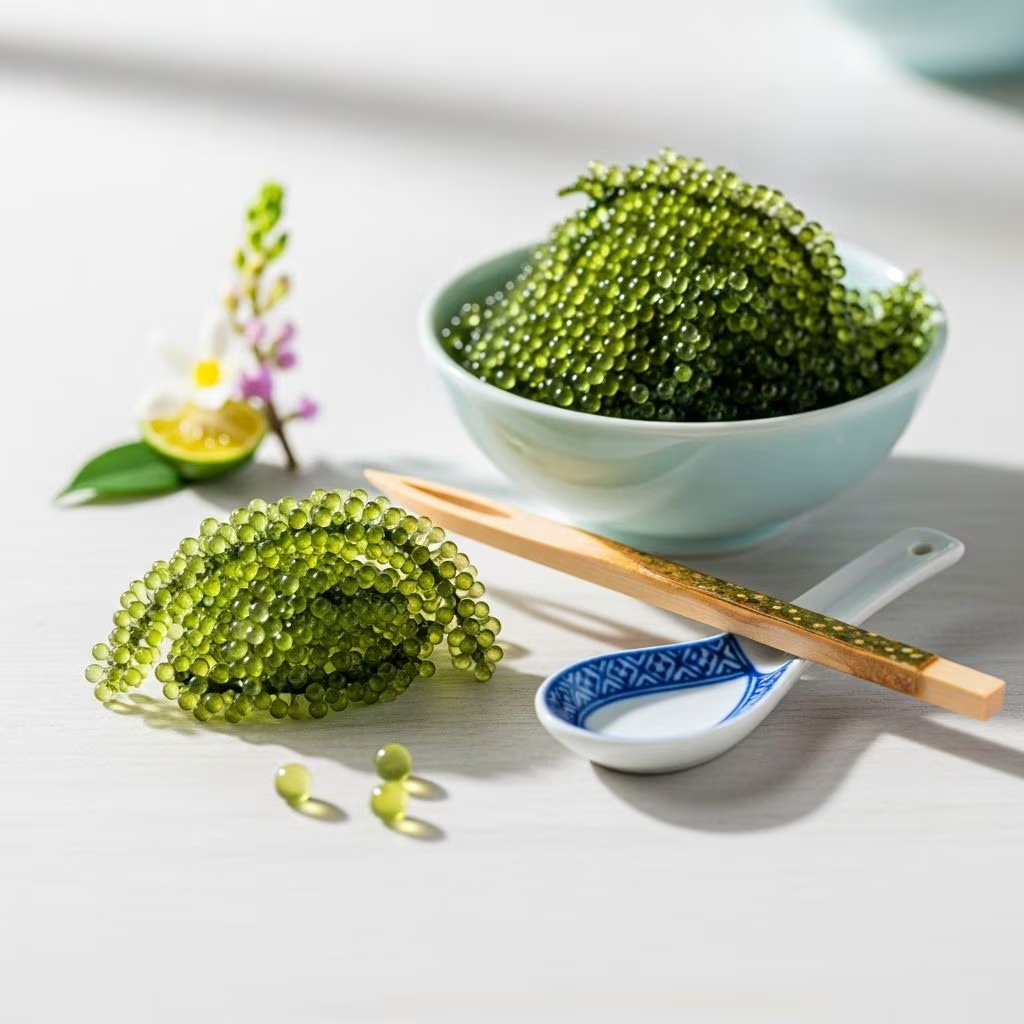
Umibudo, known in English as “sea grapes,” is a fascinating marine delicacy with a distinctive look, unique texture, and an impressive nutritional profile. Traditionally celebrated in Okinawan cuisine and increasingly gaining international popularity, umibudo is a seaweed variety noted for its crisp bubbles and fresh ocean flavor. Renowned for its health benefits and its role in promoting longevity, umibudo has become more than just a culinary treat—it is a nutritionally rich food embraced for its versatility and wellness attributes.
What Is Umibudo?
Umibudo (scientific name: Caulerpa lentillifera) refers to a type of edible seaweed that grows in shallow coastal waters across Southeast Asia and the Pacific, most famously in Okinawa, Japan. Its name literally translates from Japanese as “sea grapes,” describing the small, spherical clusters that resemble bunches of grapes or caviar. Umibudo is often called green caviar due to its resemblance to fish roe, and its popping texture has earned it the nickname “puchi puchi” in Japanese, mimicking the lively sensation it brings to the mouth.
- Also known as green caviar in English-speaking regions.
- Botanical name: Caulerpa lentillifera.
- Iconic dish from Okinawa, Japan, also popular in the Philippines, Vietnam, and Malaysia.
- Grows in saltwater, often farmed for culinary and commercial use.
Why Is It Unique?
- Pearl-like bubbles: Each frond is lined with tiny, round beads that burst with flavor when eaten.
- Textural appeal: Delivers a signature “pop” in the mouth, similar to caviar.
- Ocean-fresh flavor: Balances briny, savory notes with subtle sweetness.
Nutritional Profile of Umibudo
Umibudo is prized for its nutritional density while remaining low in calories. As a sea vegetable, it offers a wide range of nutrients essential for health and wellbeing, making it suitable for people with restrictive diets or those seeking richer nutritional alternatives.
| Nutrient | Amount (per 100g) | Main Benefits |
|---|---|---|
| Calories | ~4 kcal | Low energy, great for weight control |
| Protein | High (up to 1.7g) | Supports muscle and tissue growth |
| Fiber | Rich | Promotes gut health |
| Vitamins | A, C, E, K, B-group | Immune, vision, antioxidant functions |
| Minerals | Iodine, calcium, magnesium, copper, phosphorus | Bone, thyroid, nerve, heart health |
| Fatty acids | DHA, EPA, ALA | Supports cardiovascular and neural health |
- Contains phenolic compounds and antioxidants.
- High in iodine—important for thyroid health.
- Rich in hyaluronic acid, valuable for skin integrity and hydration.
Health Benefits of Umibudo
Umibudo’s role in promoting good health stems from its rich concentration of vitamins, minerals, antioxidants, and healthy fats. This powerful nutritional profile imparts several tangible health benefits recognized in both traditional and modern wellness practices.
Top Health Benefits
- Supports Bone and Joint Health: Abundant calcium, vitamin D, vitamin K, and proteins help strengthen bones and joints, potentially reducing symptoms of arthritis and osteoporosis.
- Regulates Blood Pressure: Potassium and vitamin C support normal blood pressure; potassium reduces sodium’s effect, lessening the risk of hypertension.
- Improves Heart and Eye Health: Omega-3 fatty acids (DHA, EPA) and antioxidants lower LDL cholesterol, increase vascular fluidity, and are linked to better cardiovascular and eye health outcomes.
- Supports Metabolic Health: Helps control blood sugar, may reduce diabetes complications via minimized glucose-protein binding.
- Enhances Digestive Health: High dietary fiber aids digestion, relieves constipation, and supports healthy gut flora.
- Boosts Immune Function: High levels of vitamins and minerals strengthen the immune response and support anti-inflammatory effects.
- May Aid Weight Management: Low in calories, high fiber, and high in protein, making it a great choice for those monitoring calorie intake.
Summary Table: Health Benefits
| Benefit | Main Components | Key Effect |
|---|---|---|
| Joint & Bone Health | Calcium, vitamins A/C/K/D, protein | Reduces inflammation, strengthens structure |
| Hypertension Control | Potassium, vitamin C, calcium | Regularizes blood pressure |
| Heart Health | Omega-3s, antioxidants | Lowers cholesterol, supports arteries |
| Vision | Beta-carotene, DHA | Maintains eyesight |
| Diabetes Support | Vitamin C, minerals | Regulates blood sugar |
Note: Ongoing research continues to explore these benefits in greater detail.
Skin and Beauty Benefits
Umibudo stands out in the realm of skin and beauty for its potential to hydrate, rejuvenate, and protect the skin. Its hygroscopic property allows it to absorb moisture from the air, making it an ingredient in high-end cosmetic, anti-aging, and moisturizing products.
- Hydration: Keeps skin moisturized by improving water retention.
- Antioxidant Protection: Vitamin C, minerals, and plant antioxidants reduce oxidative stress, minimize wrinkles, and enhance skin resilience.
- Elasticity: Minerals and hyaluronic acid help maintain and restore skin elasticity, contributing to youthful appearance.
- Anti-Acne & Skin Healing: Used in skincare products for its antibacterial and healing properties.
Many Japanese and Southeast Asian beauty routines now incorporate umibudo extracts as both a food and topical remedy for skin health.
Culinary Uses and Preparation
Umibudo is a highly versatile ingredient in Asian cuisines and is rapidly gaining fans among health-conscious consumers and gourmet chefs worldwide. Its natural, oceanic flavor and appealing texture make it an excellent addition to various dishes.
Traditional and Creative Uses
- Salads: Fresh umibudo tossed with simple dressings, soy sauce, or vinegar for a refreshing, low-calorie side.
- Toppings: Sprinkled over sushi, sashimi, poke bowls, and rice dishes for extra flavor and texture.
- Dips: Served with sesame sauce, ponzu, or citrusy dips as an appetizer or bar snack.
- Jams and Ice Cream: Occasionally used in desserts for a novel, salty-sweet contrast.
- Philippine Ensalada: Combined with tomatoes, onions, and vinegar as a staple salad dish.
How to Prepare Dehydrated Umibudo
- Rinse: Place the dried umibudo in a bowl and rinse gently with fresh water to remove excess salt.
- Soak: Immerse in fresh water for 5–10 minutes to rehydrate the beads, which should regain their round, crisp appearance.
- Drain and Serve: Drain well and add immediately to dishes or eat alone for optimal texture and flavor.
Fresh umibudo has a short shelf life. Dehydrated or brined umibudo can be rehydrated at home with minimal preparation.
Taste Experience of Umibudo
Umibudo captivates both the palate and the senses with its singular taste and mouthfeel. Often compared to fish roe and described as an oceanic delicacy, umibudo’s taste is truly a synergy of briny sophistication and subtle sweetness.
Flavor Description
- Briny, oceanic: The beads burst with a sea-salt freshness akin to oysters or clams.
- Umami-rich: Conveys a savory depth unique to sea vegetables and shellfish.
- Sweet undertone: Balanced by mild, lingering sweetness.
- Crisp, popping texture: The beads pop with a “puchi puchi” sensation, adding excitement to each bite.
This combination of taste and texture has made umibudo an intriguing addition to both casual and gourmet menus.
Buying and Storing Umibudo
Whether purchased fresh or preserved, umibudo is increasingly accessible worldwide. In Okinawa, it is a daily staple, while in other regions, rehydrated umibudo is the most common form available online or in specialty markets.
- Fresh umibudo: Best within hours of harvest; keep submerged in seawater and refrigerated.
- Dehydrated/Brined: Packaged with salty brine, ready to soak and reconstitute at home.
- Typical price: 1,000–2,000 yen per 100g online; lower in Okinawa.
- Buy from reputable retailers to ensure quality and safety.
Possible Side Effects and Precautions
While umibudo is generally safe and health-promoting, there are considerations to be aware of:
- Iodine Content: Extremely high levels may affect thyroid function if consumed excessively, especially for those with thyroid disorders.
- Sodium: The brined or salted versions may be high in sodium, so those with hypertension should monitor intake.
- Allergies: Rare, but possible in those with seaweed or seafood allergies.
Umibudo in Japanese Culture and Beyond
Umibudo is a symbol of Okinawan heritage and longevity. Okinawa, known for its high percentage of centenarians, attributes much of its population’s vitality to their diet—of which umibudo is a staple. Traditionally served in homes and restaurants, umibudo is cherished as both a celebratory food and an everyday health food. Its popularity is expanding globally, especially as Japanese and Asian cuisine become more widespread.
- Featured at festivals, family gatherings, and in fine dining.
- Used in traditional and modern culinary art.
- Now embraced in personal care and beauty routines for its skin benefits.
Frequently Asked Questions (FAQs)
Q: What is the difference between umibudo and regular seaweed?
A: Umibudo, or sea grapes, is a specific seaweed species distinguished by its bubbly, grape-like appearance and popping texture. It is less leafy and less chewy than other seaweeds like nori or wakame.
Q: Is umibudo suitable for people with gluten allergies?
A: Yes, umibudo is naturally gluten-free and is safe for people with gluten sensitivities or celiac disease.
Q: Can umibudo help with skin hydration?
A: Yes, umibudo contains minerals and hyaluronic acid that contribute to skin moisture and elasticity, making it popular in both food and cosmetic applications.
Q: Is umibudo safe for regular consumption?
A: Generally yes, but those with thyroid conditions should moderate their intake due to the high iodine content. Always wash and prepare properly to minimize excess salt.
Q: What is the best way to enjoy umibudo’s taste?
A: Serve fresh umibudo chilled with simple sauces (soy, vinegar, sesame sauce) for the purest experience. It can also be added to salads, sushi, or even used as a garnish for main dishes.
Conclusion
Umibudo is a shining example of the rich bounty of the ocean, bringing together unique taste, striking texture, and exceptional wellness benefits. Whether enjoyed in traditional Okinawan dishes, modern fusion cuisine, or cutting-edge beauty products, it offers substantiated advantages for health, skin, and culinary pleasure.
A dynamic food trend with deep cultural roots, umibudo promises to deliver both gourmet indulgence and nutritional value for all who seek new textures and holistic benefits from the sea.


