


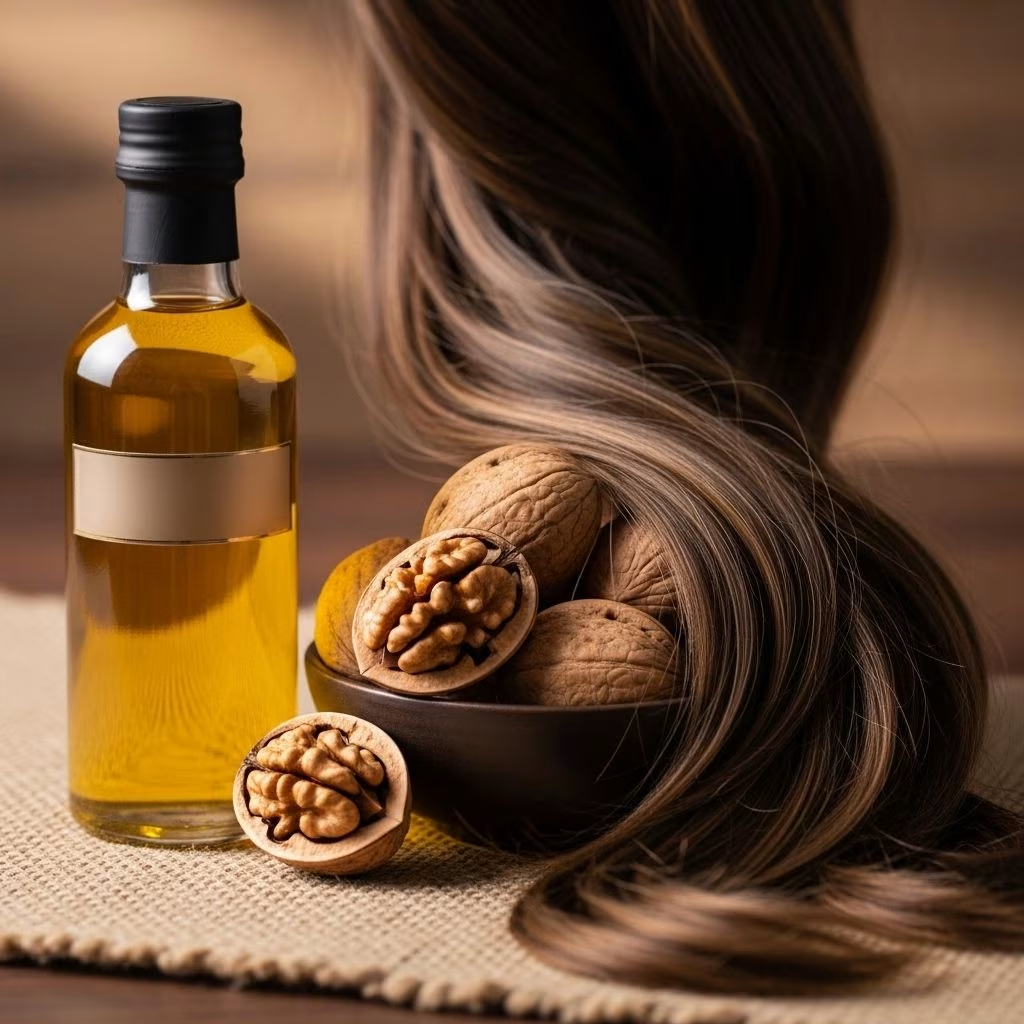
In the expansive world of natural hair care, walnut oil stands out for its dense nutrition and versatile benefits. Derived from the kernels of walnuts through cold-press extraction, this golden oil is praised for its rich essential fatty acids, vitamins, and antioxidants that collectively transform hair health. Whether you battle dryness, breakage, or scalp irritation, integrating walnut oil into your hair routine could be the game-changer you seek.
Understanding Walnut Oil and Its Nutrients
Walnut oil‘s unique composition is the foundation of its hair-transforming properties. Produced mainly via a cold-pressed process—which preserves its nutrient integrity—walnut oil delivers powerful compounds directly to your scalp and hair shaft.
Key Nutritional Components
- Omega-3 Fatty Acids: Promote scalp health, minimize inflammation, and support robust hair growth by nourishing follicles.
- Linoleic Acid (Omega-6): Maintains moisture balance in the scalp and prevents dryness, flakiness, and brittleness.
- Potassium: Essential for stimulating hair follicles and accelerating healthy growth.
- Antioxidants (gamma-tocopherol, tannins, flavonoids): Protect against oxidative stress, preserving hair color and luster.
- Vitamins B7 (Biotin), E: Support keratin production and overall follicle strength, giving resilience to hair strands.
Cold-Pressed vs. Refined Walnut Oil
| Type | Nutrient Retention | Color & Aroma | Best Use |
|---|---|---|---|
| Cold-Pressed | High (Omega-3s, antioxidants preserved) | Golden color, strong nutty aroma | Hair & Skin treatments |
| Refined | Lower (Nutrients can be degraded by heat) | Paler, mild aroma | Cooking, but less for topical use |
For hair care, always opt for cold-pressed walnut oil to ensure maximum potency and results.
Walnut Oil Benefits for Hair Health
What makes walnut oil so celebrated in natural hair care? Its benefits are both anecdotal and backed by emerging studies. Here’s how walnut oil can address your most common hair and scalp issues:
1. Promotes Scalp Strength and Accelerates Hair Growth
- Omega-3s and potassium work synergistically to enhance blood circulation to the scalp. This boosts follicle activity and potentially speeds up hair growth.
- Higher potassium content is especially helpful for those with slow-growing or thinning hair.
2. Reduces Hair Fall and Breakage
- Cell-protecting omega fatty acids fortify strands from root to tip, decreasing hair fall and guarding against premature baldness.
- Regular use supports cell renewal, which leads to stronger, less breakable hair over time.
3. Deeply Moisturizes and Softens Hair
- Linoleic acid maintains scalp hydration, eliminates dryness, and tames frizz for smooth, manageable hair.
- The oil acts as an instant softener and adds a brilliant shine—making it ideal for dull and brittle hair.
4. Controls Dandruff and Calms Scalp Conditions
- Natural anti-inflammatory and anti-fungal properties combat dandruff, seborrheic dermatitis, and other irritation-prone scalp conditions.
- Consistent use may also alleviate symptoms of eczema and psoriasis, reducing itchiness and flakiness.
5. Restores and Enhances Natural or Colored Hair
- Walnut oil’s antioxidant profile protects hair from damage caused by styling, color treatments, and environmental stressors.
- Vitamin B7 (biotin) and antioxidant support revive color vibrancy—ideal for both natural and color-treated hair.
6. Boosts Hair Elasticity, Shine, and Manageability
- Nourishes hair for improved elasticity and gloss, helping it resist split ends and tangling.
- The result: hair feels smoother to the touch, easier to style, and increasingly resilient with regular use.
How to Use Walnut Oil for Hair
Maximizing walnut oil’s benefits depends on the method and frequency of application. Below are trusted, expert-approved methods for applying walnut oil to your hair:
1. Pre-Shampoo Scalp Massage
- Warm a few tablespoons of walnut oil between your palms or lightly heat in a double boiler to avoid nutrient loss.
- Massage into the scalp with circular motions for 5–10 minutes.
- Leave on for at least 30 minutes (up to overnight for deep nourishment), then wash with a mild, sulfate-free shampoo.
2. Hair Serum (Leave-In Finisher)
- After washing, apply 2–3 drops of walnut oil to damp hair, focusing on mid-lengths and ends to add shine and tame frizz.
- Do not rinse. Use sparingly to avoid a greasy residue.
3. Weekly Deep Conditioning Treatment
- Blend walnut oil with other nourishing oils (e.g., coconut, olive, or sweet almond) in a 1:1 ratio.
- Apply generously from roots to ends, wrap hair in a warm towel, and leave for 1–2 hours before rinsing well.
4. Dandruff-Control Scalp Treatment
- Mix a few drops of walnut oil with tea tree oil and massage into the scalp twice per week.
- This routine reduces flakiness and soothes irritated, itchy skin.
5. DIY Hair Color Booster
- Apply walnut oil as a post-color treatment to help lock in payoff, restore moisture, and boost color’s vibrancy, especially for those with colored or highlighted hair.
DIY Walnut Oil Hair Treatments
Homemade treatments help tailor walnut oil’s benefits to your unique hair needs. These simple, cost-effective blends bring salon-like results to your home:
Recipe 1: Simple Walnut Oil Serum
- Ingredients: 2–3 drops cold-pressed walnut oil
- Method: Rub between your palms and gently run through damp hair, focusing on ends.
- Use as a daily frizz and shine serum.
Recipe 2: Herbal Hair Oil Blend
- Ingredients: 2 tablespoons walnut oil, 1 tablespoon coconut oil, 5 drops rosemary essential oil
- Method: Mix all oils, massage into scalp and hair, leave for at least one hour, shampoo thoroughly.
- Perfect for promoting growth and reducing inflammation.
Recipe 3: Dandruff-Control Mask
- Ingredients: 1 tablespoon walnut oil, 1 tablespoon yogurt, 1 teaspoon honey
- Method: Mix, apply to scalp, and leave for 30 minutes before rinsing.
- Use weekly for best results.
Recipe 4: Overnight Deep Treatment
- Ingredients: Walnut oil (as needed for hair length)
- Method: Apply throughout hair before bed, cover with a shower cap, and wash out in the morning. Restores deep moisture and bounce.
Expert Tips for Maximum Benefits
- Always do a patch test behind your ear before full application to check for allergies.
- For best absorption, use walnut oil on slightly damp hair and scalp.
- Combine with essential oils like rosemary or lavender for enhanced results.
- Limit heat styling after walnut oil treatments to preserve hair lipid integrity.
- Store in a cool, dark place, as exposure to sunlight or heat can degrade the oil.
- Consistency is key: Use walnut oil at least once or twice per week for noticeable improvement.
Possible Side Effects & Precautions
- Allergies: People with nut allergies should avoid walnut oil—topical reactions can include redness, itching, or swelling.
- Scalp Sensitivity: Overuse can lead to oily buildup, so adjust amount based on your hair’s needs.
- If irritation or excessive greasiness occurs, discontinue use and consult a dermatologist.
Frequently Asked Questions (FAQs)
Q: How often should I use walnut oil for hair growth?
A: For optimal results, apply walnut oil treatments 1–2 times per week. More frequent use may benefit those with extremely dry or damaged hair, while normal or oily hair can stick to weekly application.
Q: Will walnut oil make my hair greasy?
A: Walnut oil is lightweight when used sparingly. Applying excess can lead to oily buildup, so start with a few drops and increase only if needed.
Q: Can I use walnut oil on color-treated hair?
A: Yes, walnut oil helps protect color-treated hair from fading and keeps it shiny. It is especially beneficial after coloring to restore moisture and vibrancy.
Q: Are there any contraindications for using walnut oil on the scalp?
A: Individuals with nut allergies or very sensitive scalps should proceed with caution and always patch-test before widespread application.
Q: Can walnut oil help with specific scalp conditions like psoriasis or eczema?
A: Yes, walnut oil’s anti-inflammatory properties can soothe symptoms of scalp psoriasis and eczema, though medical supervision is recommended for chronic conditions.
Conclusion
From its impressive omega fatty acid profile to its soothing effects on the scalp, walnut oil is a versatile, scientifically-backed choice for those seeking healthier hair naturally. With regular use and mindful application, your hair can enjoy improved texture, shine, and resilience—proving that sometimes, the finest ingredients for hair wellness come straight from nature’s own nutty treasures.
References
- https://pranoflax.com/walnut-oil-for-hair-health-tips-and-benefits/
- https://mokshalifestyle.com/walnut-oil-hair-how-does-work-and-benefits/
- https://www.beautycon.com/article/walnut-oil-si
- https://pmc.ncbi.nlm.nih.gov/articles/PMC5917419/
- https://www.healthline.com/nutrition/walnut-oil
- https://pmc.ncbi.nlm.nih.gov/articles/PMC8706577/
- https://www.restorex.eu/blog/ceviz-yaginin-saca-faydalari-nelerdir-ceviz-yagi-ile-sac-bakiminin-ipuclari


