


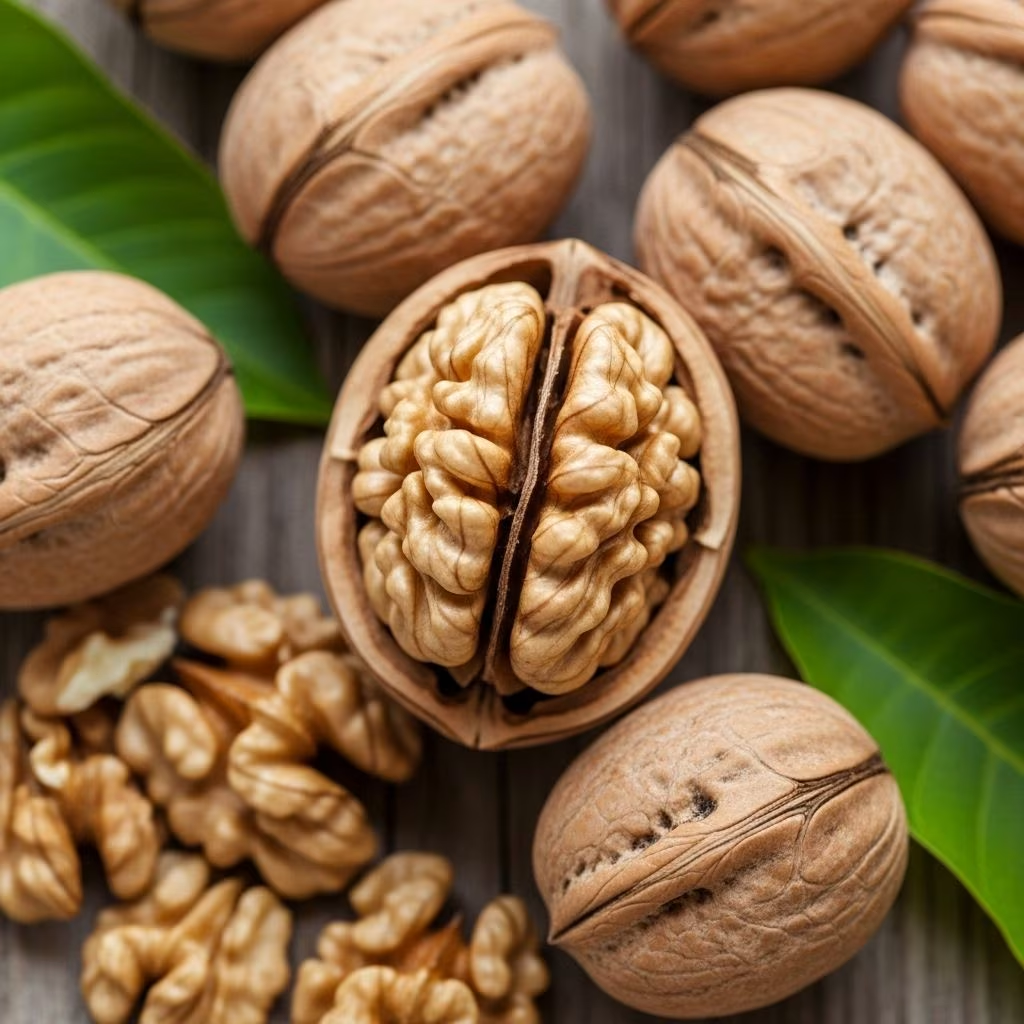
Walnuts are among the most celebrated and versatile tree nuts globally, treasured for their nutritional richness, unique flavor, and applications in both cuisine and industry. This comprehensive guide explores what walnuts are, the various types, their health benefits, uses, and what makes their taste distinct and widely appreciated.
Introduction to Walnuts
Walnuts are edible seeds from the trees of the Juglans genus in the family Juglandaceae. Native to regions across North and South America, southern Europe, Asia, and the West Indies, walnuts have been valued for centuries for both their nutritional and practical uses. They are not just a popular food but a significant source of valuable wood and oil.
Types of Walnuts
The genus Juglans includes around 20 recognized species of walnut trees. However, the two most prominent species for nut consumption and commercial value are:
- English Walnut (Juglans regia): Sometimes called the Persian Walnut, this variety is the most commonly grown worldwide for its thin shell and mild, buttery flavor. It is native to Iran and surrounding regions, but now cultivated broadly in Europe, North and South America, and Asia.
- Black Walnut (Juglans nigra): Native to eastern North America, the black walnut is renowned for its rich, distinctive flavor. However, it has a tougher shell and is cultivated on a smaller scale than the English walnut.
- Butternut Walnut (Juglans cinerea): Another North American native, the butternut is less commonly consumed due to the scarcity and higher oil content of its nuts.
Numerous cultivars and hybrids exist within these primary species, each bred for qualities such as yield, cold resistance, disease resistance, and nut characteristics.
| Species | Origin | Nut Flavor | Shell | Key Traits |
|---|---|---|---|---|
| English Walnut | Iran, Central Asia | Mild, Buttery | Thin Shell | Commercially Dominant, Easy to Crack |
| Black Walnut | Eastern North America | Rich, Earthy, Robust | Thick, Hard Shell | Intense Flavor, Valued Timber |
| Butternut Walnut | Eastern North America | Oily, Mildly Sweet | Medium Shell | Rare, High Oil Content |
Physical Description and Growing Conditions
Walnut trees are substantial, deciduous, and can grow up to 30 meters (100 feet) tall depending on species and location. They are characterized by the following:
- Leaves: Long, compound leaves with 5 to 23 leaflets arranged oppositely, often with a terminal leaflet as the largest.
- Flowers: Male and female flowers occur separately on the same tree in petal-less catkins.
- Fruit: The fruit is technically a drupe, where the edible seed (called a walnut) is encased within a hard shell and an outer green husk.
- Bark: Black walnuts have deeply ridged bark, giving the tree a distinctive appearance. The wood is dark brown, highly valued for woodworking.
Walnut trees grow best in fertile, well-drained soils of medium-heavy texture. They thrive especially well along watercourses and alluvial soils, particularly in regions with ample chilling hours during winter and warm, sunny summers.
Nutritional Profile of Walnuts
Walnuts are nutritional powerhouses, providing a dense source of calories primarily from healthy fats, as well as protein, vitamins, and minerals:
- Fats: Predominantly polyunsaturated fats, including alpha-linolenic acid (ALA), a plant-based omega-3 fatty acid.
- Protein: A complete plant protein source, though lower than animal proteins in lysine content.
- Carbohydrates and Fiber: Moderate carbohydrate content, with a significant amount as insoluble and soluble dietary fiber.
- Vitamins: Excellent source of vitamin E (mainly as gamma-tocopherol), B-vitamins (folate, B6), and minerals such as magnesium, phosphorus, copper, and manganese.
- Phytochemicals: High in polyphenols, melatonin, and other antioxidant compounds.
| Nutrient (per 28g/1oz) | Approximate Amount |
|---|---|
| Calories | 185 kcal |
| Total Fat | 18 g |
| Protein | 4.3 g |
| Fiber | 2 g |
| Omega-3 (ALA) | 2.5 g |
| Magnesium | 45 mg |
| Vitamin E (gamma-tocopherol) | ~0.2 mg |
These amounts may vary by walnut variety and growing conditions, but overall, walnuts are among the best tree nuts for omega-3 fatty acids and antioxidants.
Health Benefits of Walnuts
Modern science strongly supports the consumption of walnuts for a variety of health benefits:
- Heart Health: High levels of ALA, polyunsaturated fats, and antioxidants help lower LDL (‘bad’) cholesterol and reduce cardiovascular disease risk.
- Brain Health: Walnuts contain polyphenols and omega-3s vital for cognitive function, memory, and mood regulation.
- Anti-Inflammatory: The polyphenols, vitamin E, and magnesium in walnuts exhibit powerful anti-inflammatory effects.
- Weight Management: Despite being calorie-dense, walnuts’ protein, fiber, and healthy fat profile can help promote satiety and support weight control when eaten in moderation.
- Diabetes and Metabolic Health: Walnuts may aid in balancing blood sugar and improving lipid profiles, beneficial for metabolic syndrome and diabetes prevention.
- Cancer Protection: Some studies suggest regular walnut consumption might lower the risk of certain cancers due to their antioxidant compounds, though more research is needed.
- Gut Health: Walnuts can foster a healthy microbiome by acting as prebiotics, enhancing beneficial gut bacteria.
Culinary Uses of Walnuts
Walnuts are a staple ingredient in global cuisines and can be used in diverse ways:
- Snacking: Consumed raw, toasted, or seasoned as a healthy snack.
- Baking: Added to breads, muffins, cookies, cakes, and iconic dishes like baklava for texture and richness.
- Cooking: Used in main courses (salads, pastas, rice dishes) and savory sauces such as Italian walnut pesto or Georgian satsivi.
- Desserts and Confectionery: Essential for candies, brownies, and ice creams.
- Nut Butters: Ground into walnut butter for spreads or cooking bases.
- Oils: Pressed to produce aromatic, flavorful walnut oil, ideal for salad dressings and finishing cold dishes.
Popular Global Walnut Dishes
- Baklava (Middle Eastern and Mediterranean layers of pastries with walnuts and honey)
- Satsivi (Georgian chicken in walnut sauce)
- Brownies and carrot cakes (America and Europe)
- Salad toppings and granola blends worldwide
In addition to shelled kernels, walnut halves and pieces are popular in decorative baking and garnishing.
Non-Culinary Uses
The value of walnuts extends beyond the kitchen. Key uses include:
- Woodworking: Walnut wood, notably black walnut, is prized for its hardness, dark color, and attractive grain. It is used in furniture, flooring, gunstocks, and veneers.
- Oil Production: Walnut oil is not only edible but sometimes used in fine art painting and as a wood finish.
- Cosmetics: Walnut shells are ground for use in scrubs and exfoliants, while walnut oil is included in some skincare products.
- Dyes: The husks of some walnut species are used to produce natural brown dyes.
Taste Profile of Walnuts
The taste of a walnut is a balance of subtly sweet, creamy, and slightly bitter notes. This profile varies by species and freshness:
- English Walnut: Mild, buttery, and slightly earthy. Favored for eating raw or for refined culinary applications.
- Black Walnut: More robust and earthy, with a stronger bitter edge and herbal undertones. Often preferred in baking or specialty confections.
- Freshness: Nuts from freshly cracked shells have a sweeter, richer flavor than those exposed to air or light for extended periods.
- Toasting: Lightly toasting walnuts intensifies their aroma, sweetens their flavor, and reduces bitterness.
Walnuts also have a distinctive texture: crisp when fresh, but can become softer with age or when soaked/cooked. The thin skin (pellicle) on each kernel is a source of their gentle bitterness and much of their antioxidant content.
Safety and Allergy Concerns
While walnuts are nutritious, certain precautions are worth noting:
- Allergies: Walnuts are tree nuts, a common food allergen. Reactions can vary from mild itchiness to severe anaphylaxis in sensitive individuals; complete avoidance is necessary for those with nut allergies.
- Mold and rancidity: Due to their high fat content, walnuts are prone to spoilage. Store them in cool, dry, airtight conditions to prevent rancidity or mold growth (such as aflatoxins, which are harmful).
- Digestive issues: Walnuts are high in fiber and may cause bloating or digestive discomfort in some people if consumed in large amounts.
Sustainability and Growing Regions
Commercial walnut production is heavily centered in California, which accounts for over 99% of U.S. English walnut production and a significant share of the world market. Other major producers include China, Iran, and Turkey. Black walnuts are still primarily wild-harvested or grown in specialty orchards in North America.
- Sustainable cultivation: Selecting disease-resistant and climate-adapted varieties helps reduce chemical inputs. Walnuts also need significant water, so drought-tolerant rootstocks are being developed to support sustainable farming.
- Biodiversity: Growing walnuts alongside diverse crops or in agroforestry systems can promote soil health and ecosystem balance.
Walnut trees themselves are long-lived and valuable for carbon sequestration and habitat.
Frequently Asked Questions (FAQs)
Q: What are the main differences between English and black walnuts?
A: English (Persian) walnuts have a thinner shell and mild, buttery flavor, making them more popular for eating and commercial production. Black walnuts have a thicker shell, stronger earthy flavor, and are mainly valued for specialty uses and timber.
Q: How should walnuts be stored for freshness?
A: Store shelled or unshelled walnuts in an airtight container, ideally in the refrigerator or freezer, to prevent fat oxidation and maintain flavor.
Q: Can eating walnuts help reduce cholesterol?
A: Yes, regular walnut consumption is linked to reductions in LDL cholesterol and improved heart health due to their healthy fats and antioxidants.
Q: What is the best way to use walnuts in cooking?
A: Walnuts are versatile: use them raw in salads, toasted in baked goods, as a topping for cereals or yogurt, or blended into pestos and spreads.
Q: Are walnuts suitable for vegan and vegetarian diets?
A: Yes, walnuts are an excellent plant-based source of protein, healthy fats, and critical nutrients, making them highly suitable for vegans and vegetarians.
Q: Are walnuts safe for children?
A: Walnuts are nutritious for children, but be cautious of nut allergies and potential choking hazards in young children. Always introduce nuts with medical guidance if there’s a family allergy history.
Final Thoughts
Walnuts are one of the most nutritious, delicious, and versatile nuts available. From supporting heart and brain health to lending their complex flavor to sweet and savory dishes alike, walnuts have a well-deserved place in modern and traditional diets.
References
- https://www.srs.fs.usda.gov/pubs/misc/ag_654/volume_2/juglans/nigra.htm
- https://www.groworganic.com/blogs/articles/variety-selection-for-walnut-trees-choosing-the-right-fit-for-your-orchard
- https://www.nps.gov/articles/000/cny-treephenology-blackwalnut.htm
- https://www.britannica.com/plant/walnut-tree-and-nut
- https://www.woodlandtrust.org.uk/trees-woods-and-wildlife/british-trees/a-z-of-british-trees/walnut/


