


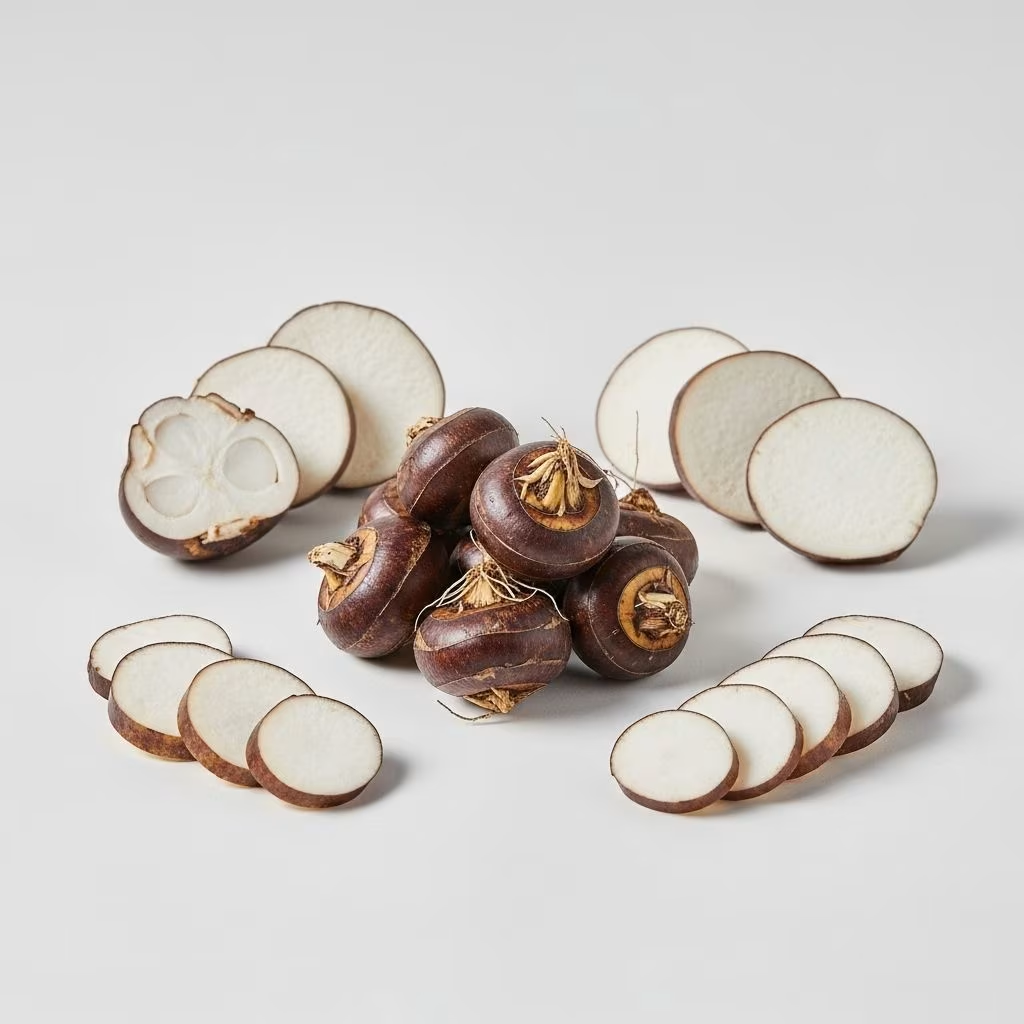
Introduction: What is Water Chestnut?
Water chestnut refers to the edible corm of Trapa natans (also known as bispinosa Roxb.), an aquatic perennial plant found in freshwater bodies throughout Asia, Africa, and parts of Europe. Although called a “chestnut,” it is not botanically related to the tree nut chestnut or to nuts in general. Water chestnuts are celebrated for their distinctive crunchy texture, high water content, and diverse applications in both traditional and modern culinary settings.
Harvested primarily in marshes, ponds, and lakes, water chestnuts are usually available as whole, peeled, or sliced corms. Their refreshing crispness and mild sweetness make them a popular ingredient in various cuisines, especially Chinese, Indian, and Southeast Asian dishes.
Nutritional Composition of Water Chestnut
Water chestnuts are known for their impressive nutritional profile, offering a rich spectrum of essential vitamins, minerals, antioxidants, and fiber with minimal calories and fat. Below is a breakdown of the typical nutritional composition per 100g serving:
| Nutrient | Amount | Benefits |
|---|---|---|
| Calories | 40-50 kcal | Low-calorie food |
| Water | 74% | Hydration |
| Carbohydrates | 9g | Energy, mainly from fiber and starch |
| Dietary Fiber | 1-3g | Digestive health, satiety |
| Fat | 0g | Fat-free |
| Protein | 1g | Cell repair, growth |
| Vitamin C | 4mg | Antioxidant, immunity |
| Vitamin B6 | 0.2mg | Metabolism, brain health |
| Potassium | 360mg | Blood pressure regulation |
| Manganese | 0.3mg | Metabolic function |
| Copper | 0.16mg | Iron metabolism |
| Phosphorus | 45mg | Bone health |
| Riboflavin (B2) | 0.05mg | Energy production |
Water chestnuts are also a source of vitamin E and magnesium, contributing to their broad nutritional appeal. Their high water and low energy density make them suitable for hydration and calorie control.
Health Benefits of Water Chestnut
- Rich in Antioxidants: Water chestnuts contain antioxidants such as ferulic acid, gallocatechin gallate, epicatechin gallate, and catechin gallate, which play a vital role in neutralizing free radicals. This can help reduce oxidative stress linked to chronic illnesses including heart disease, diabetes, and certain cancers.
- Supports Weight Loss: With low calories and high fiber, water chestnuts help promote satiety, curb overeating, and manage weight. The fiber content slows digestion and stabilizes blood sugar.
- Improves Heart Health: Water chestnuts are rich in potassium, which has been associated with lower blood pressure and reduced risk of stroke and heart disease. Potassium also helps regulate fluid balance.
- Enhances Digestion: Dietary fiber supports gut health by promoting regular bowel movements, bulking up stools, and growing beneficial gut bacteria. This can help prevent constipation and improve overall digestion.
- Anti-inflammatory Properties: The antioxidants found in water chestnuts, especially in the peels, help fight inflammation, repair cells, and may alleviate symptoms of disorders like arthritis.
- Hydration: With a high water content, water chestnuts contribute to maintaining hydration, particularly valuable during hot weather or physical activity.
- FODMAP Friendly: Water chestnuts are low in fermentable sugars (FODMAPs), making them suitable for individuals following a low-FODMAP diet, such as those managing irritable bowel syndrome.
- Hair and Skin Health: Nutrients such as potassium, vitamin E, and zinc in water chestnuts can support healthy hair and skin.
Summary Table: Major Health Benefits
| Health Benefit | Key Nutrient(s) | Mechanism |
|---|---|---|
| Antioxidant Protection | Ferulic acid, catechin gallate, vitamin C | Neutralizes free radicals, reduces cell damage |
| Weight Management | Fiber, low calorie, water | Improves satiety, lowers calorie intake |
| Cardiovascular Health | Potassium, fiber | Regulates blood pressure, lowers stroke risk |
| Digestive Health | Fiber | Supports regularity, gut flora |
| Immune Support | Vitamin C, antioxidants | Promotes healthy immune response |
| Hydration | Water content | Keeps cells and tissues hydrated |
| Anti-inflammatory Effects | Antioxidants | Reduces inflammation, cell repair |
Culinary Uses of Water Chestnut
Water chestnut’s crunchy texture and mild flavor lend themselves to a variety of cuisines worldwide. The most common uses are:
- Asian Cuisine: Sliced or diced water chestnuts are often added to stir-fries, dumplings, and salads for crispness. They retain their texture even after cooking.
- Indian Recipes: Water chestnut flour (singhara atta) is a common ingredient in gluten-free baking and fasting foods. Boiled water chestnuts are used in curries and traditional sweets.
- Snacks: Roasted or boiled water chestnuts are consumed as standalone snacks, especially in winter months.
- Desserts: In certain Chinese desserts, water chestnut is used to provide sweetness and crunch. Water chestnut cake is a popular dim sum dish.
- Gluten-Free Flour: Ground into flour, it is suitable for those avoiding gluten and is used to thicken soups or as a base for pancakes and batters.
Examples of Dishes Featuring Water Chestnut
- Stir-fried vegetables with water chestnut
- Chicken and water chestnut lettuce wraps
- Indian singhara halwa (a sweet dish made from water chestnut flour)
- Chinese water chestnut cake (traditional dessert)
- Salads for added crunch
Taste Profile and Texture
Water chestnut is renowned for its crisp, juicy texture and mildly sweet flavor. Unlike many other root vegetables, water chestnuts remain crunchy whether eaten raw, boiled, steamed, or stir-fried. The flavor is subtle and slightly nutty, with refreshing undertones that complement both sweet and savory dishes.
Key points about taste and texture:
- Crunchy and snappy: The signature crunch persists even after prolonged cooking thanks to ferulic acid in the tissue.
- Mild sweetness: A slight sweetness that works well in desserts or classic stir-fries.
- Juiciness: Due to high water content, each bite feels moist and refreshing.
- Versatile: Easily absorbs flavors from sauces and gravies without losing its texture.
Potential Side Effects
While water chestnut is considered safe and nutritious for most people, there are several potential side effects and precautions to consider:
- Allergic Reactions: Individuals with nut allergies may need to avoid water chestnut or try small amounts first; symptoms can include hives, itching, and swelling.
- Digestive Disturbances: Consuming large amounts raw or unripe may cause gas, bloating, abdominal pain, and diarrhea due to fiber content. Cooking reduces these risks.
- Sugar Spikes: The natural sugars may not be suitable for diabetic individuals; consumption should be monitored.
- Interactions with Medication: Water chestnut contains vitamin K, which can interact with blood thinners or antiplatelet agents. Seek medical advice if on such medication.
Always enjoy water chestnuts in moderation and consult healthcare practitioners if you have underlying health issues.
Water Chestnut vs. Other Similar Foods
| Feature | Water Chestnut | Bamboo Shoot | Lotus Root |
|---|---|---|---|
| Main Use | Crunch in stir-fry; flour for baking | Crunch in salads, pickles | Crunchy texture in curries, salads |
| Calories (per 100g) | 40-50 kcal | 27 kcal | 74 kcal |
| Dietary Fiber | High | Moderate | High |
| Unique Property | Crispy texture after cooking | Mild flavor; absorbs seasoning | Sweetness; stronger taste |
| Common Cuisine | Chinese, Indian | Asian, Southeast Asian | Chinese, Japanese, Indian |
Frequently Asked Questions (FAQs)
Q: Can water chestnut be eaten raw?
A: Yes, water chestnut can be safely eaten raw. It is often peeled and enjoyed as a crunchy snack. Raw forms offer maximum hydration and crispness, but some may prefer it cooked to reduce chances of digestive discomfort.
Q: Is water chestnut suitable for gluten-free diets?
A: Absolutely. Water chestnut flour (singhara atta) is naturally gluten-free and widely used for those with gluten intolerance or celiac disease, especially in Indian cuisine.
Q: Are water chestnuts high in sugar?
A: Water chestnuts are lower in sugar than most fruits and are generally appropriate in moderate amounts for most diets. However, people with diabetes should monitor their intake and consult healthcare advice.
Q: How do you store fresh water chestnuts?
A: Unpeeled water chestnuts can be kept in the refrigerator for up to two weeks. Peeled or sliced chestnuts should be stored in water (changed daily) and consumed within a few days.
Q: Are water chestnuts the same as chestnuts?
A: No. They are unrelated botanically. The traditional chestnut is a tree nut, while water chestnuts are aquatic tubers, making them suitable even for many with nut allergies.
Q: What is singhara flour and how is it used?
A: Singhara flour is made from dried, ground water chestnuts. It is used as a thickener, in baking, or to make pancakes, especially during fasting periods in Indian culture.
Q: Do canned water chestnuts retain their nutrients and taste?
A: Canned water chestnuts retain much of their crunch and fiber but may lose some vitamins due to processing. They are a convenient option for recipes requiring a longer shelf life.
Conclusion
Water chestnut is a unique aquatic vegetable prized for its nutritional value, crunchy texture, mild sweetness, and versatility in global cuisines. From supporting weight management to offering antioxidant protection and culinary diversity, water chestnut is a health-promoting, tasty addition to regular diets. While generally safe, moderation and awareness of individual sensitivities are important. Its role in both traditional and modern kitchens continues to grow, making it an ingredient worth exploring for its health and flavor benefits.
References
- https://journalijpss.com/index.php/IJPSS/article/view/5154
- https://draxe.com/nutrition/water-chestnuts/
- https://www.medicinenet.com/what_exactly_are_water_chestnuts/article.htm
- https://www.webmd.com/diet/health-benefits-water-chestnuts
- https://en.wikipedia.org/wiki/Eleocharis_dulcis
- https://greenverz.com/water-chestnuts/
- https://pmc.ncbi.nlm.nih.gov/articles/PMC11202977/


