


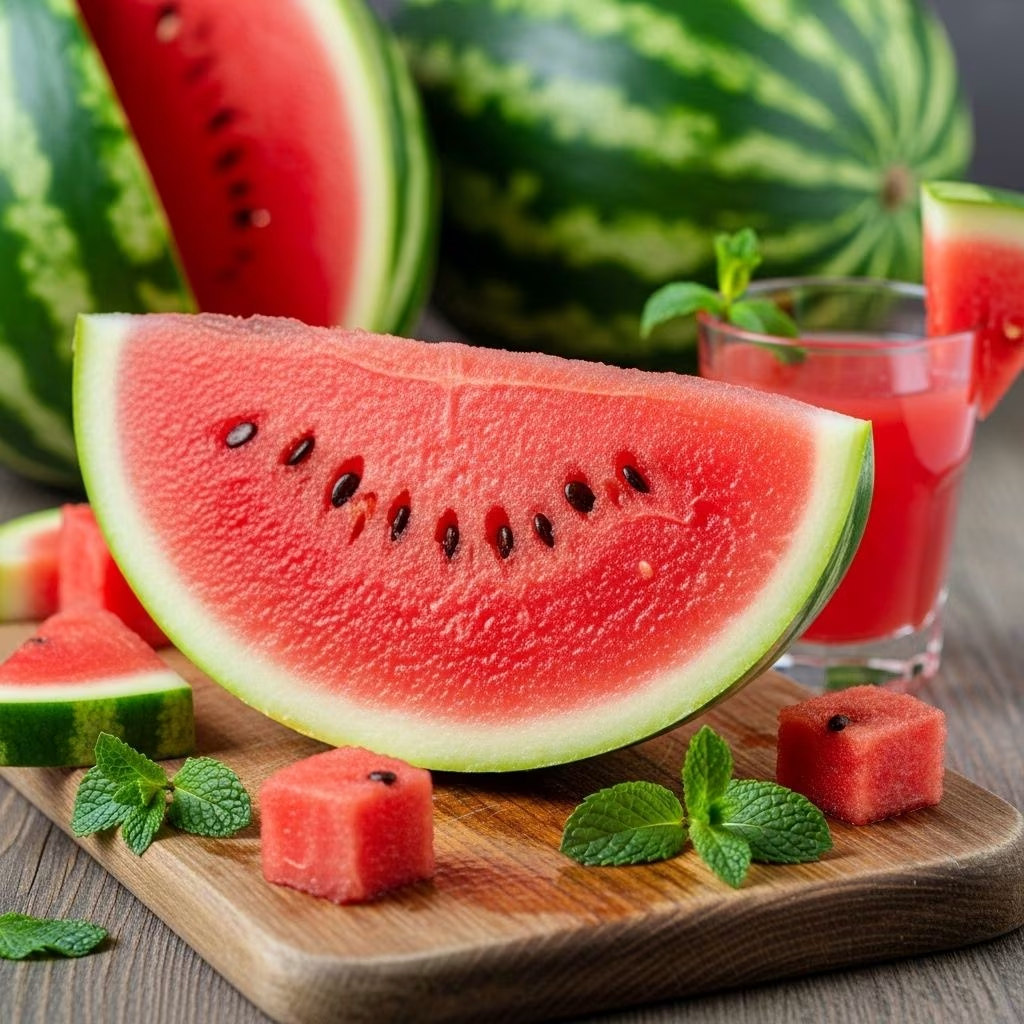
Watermelon is one of the world’s most beloved fruits, prized for its vibrant color, succulent sweetness, and incredible versatility. But beyond its refreshing flavor lies a powerhouse of nutrients, countless uses, and a history that stretches back thousands of years. In this comprehensive guide, discover everything you need to know about watermelon: what it is, its nutritional profile, researched health benefits, culinary uses, taste characteristics, and frequently asked questions about this remarkable fruit.
Introduction
Watermelon (Citrullus lanatus) is a plant species in the Cucurbitaceae family, related to cucumbers, squash, and pumpkins. With its iconic green rind, juicy red or pink flesh, and black seeds, the watermelon is instantly recognizable and largely synonymous with summer refreshment. However, its value extends well beyond its thirst-quenching abilities. Rich in water, vitamins, minerals, and antioxidants, watermelon is regarded not only as a hydrating fruit but also as an enhancer of overall wellness and a star ingredient in cuisines around the globe.
History and Origins of Watermelon
The origins of watermelon can be traced to Africa, where wild varieties have grown for thousands of years. Ancient texts and Egyptian hieroglyphics date its cultivation back as early as 2000 BCE. Watermelon seeds were even found in the tomb of King Tutankhamun, demonstrating its importance in culture and diet. Since then, watermelon has spread across continents, adapting to different climates and spawning hundreds of varieties that vary in color, sweetness, and size.
Today, watermelon is cultivated in over 100 countries, with China, Turkey, India, Iran, and the United States being the largest producers. In the United States, watermelon is enjoyed year-round, thanks to advancements in agriculture and importation, though it remains a symbol of summertime in many cultures.
Botanical Description
Botanically, watermelon is classified as a pepo, a type of berry characterized by a thick rind and fleshy center. It grows on sprawling vines that can extend over 10 feet. Typically, the fruit is large, oval or spherical, with a distinctive green-striped rind and juicy red, pink, orange, or yellow flesh inside. Most watermelons weigh between 5 and 30 pounds, though some varieties can be much larger or smaller.
- Scientific name: Citrullus lanatus
- Family: Cucurbitaceae (gourd family)
- Other related fruits: Cucumber, pumpkin, cantaloupe, squash
- Common varieties: Seedless, picnic, icebox, yellow/orange-fleshed
Nutritional Profile of Watermelon
Watermelon is often underestimated nutritionally, dismissed as “just sugar and water.” However, its composition delivers a wealth of vitamins, minerals, and antioxidant compounds while remaining low in calories and virtually free of fat, sodium, and cholesterol.
| Nutrient | Amount | % Daily Value |
|---|---|---|
| Calories | 46 | – |
| Total Carbohydrate | 11.5g | – |
| Dietary Fiber | 0.6g | ~2% |
| Sugars | 9.4g | – |
| Protein | 0.9g | ~2% |
| Fat | 0.2g | <1% |
| Vitamin C | 12.3mg | 14% |
| Vitamin A | 43mcg | 5% |
| Potassium | 170mg | 4% |
| Magnesium | 15mg | 4% |
| Lycopene | ~6,500mcg | – |
| Citrulline | variable | – |
Watermelon is composed of about 92% water, making it one of the most hydrating foods available. It is notably cholesterol-free, fat-free, very low in sodium, and considered ‘nutrient dense’—providing substantial amounts of essential nutrients per calorie.
Key Micronutrients and Compounds
- Vitamin C: Supports immunity and skin health
- Vitamin A: Beneficial for vision and cell growth
- Potassium: Essential for nerve and muscle function
- Magnesium: Aids bone health and energy metabolism
- Lycopene: A powerful antioxidant linked to heart and cancer protection
- Citrulline: An amino acid that may enhance exercise performance
Health Benefits of Watermelon
Beyond its hydrating properties, clinical and population-based studies suggest that watermelon can contribute to several aspects of health:
1. Hydration Support
With its remarkably high water content (92%), watermelon helps maintain hydration, which is crucial for body temperature regulation, physiological functions, and alertness. Eating watermelon is an excellent way to supplement daily fluid intake, especially in hot climates or during exercise.
2. Rich in Antioxidants
- Lycopene: Watermelon is one of the richest natural sources. Lycopene is linked to reduced oxidative stress, protection of cells, and lower risk of certain cancers (notably prostate).
- Vitamin C & Beta-carotene: These antioxidants further help counteract cellular damage from free radicals.
- Cucurbitacin E: Another phytochemical with anti-inflammatory properties.
3. Heart Health
- Lycopene and citrulline are associated with reduced blood pressure, improved blood circulation, and decreased cholesterol levels.
- Consuming watermelon may lower risk factors for cardiovascular diseases and support healthy arteries.
4. Muscle Recovery and Performance
Watermelon contains citrulline, an amino acid that may improve exercise performance by enhancing blood flow and reducing muscle soreness. Some research suggests watermelon or its juice can help athletes recover more quickly from intense activity.
5. Cancer Protection
The antioxidants in watermelon, particularly lycopene and cucurbitacin E, have been studied for their potential to reduce the risk of certain cancers, including prostate, lung, and breast cancer. These effects are linked to decreased oxidative stress and inflammation at the cellular level.
6. Skin and Eye Health
- Vitamin A is vital for skin cell production and repair, while also supporting healthy vision.
- Vitamin C fosters collagen synthesis, promoting skin elasticity and regeneration.
7. Bone and Joint Support
Watermelon’s magnesium and potassium contribute to bone health, while lycopene may help protect against age-related bone loss.
8. Digestive Aid
Though not especially high in fiber, watermelon contains enough dietary fiber and water to support healthy digestion and regularity.
Culinary Uses and Preparation
Watermelon’s culinary versatility is virtually limitless, extending beyond simple fresh wedges. Explore some of the most popular—and creative—ways to enjoy watermelon:
- Fresh Slices: The classic snack, perfect for picnics and barbecues
- Fruit Salads: Combine with other summer fruits like berries, kiwi, and mango for a vibrant salad
- Juices & Smoothies: Blend for a refreshing beverage or add to smoothies for sweetness and hydration
- Grilled Watermelon: Sliced and seared on the grill for a savory twist
- Pickled Rind: The white rind is edible and often pickled as a tangy condiment
- Frozen Treats: Puree and freeze for homemade popsicles or sorbet
- Salsas & Chutneys: Dice with herbs, onions, and lime for a zesty topping on grilled seafood or chicken
- Watermelon Seeds: Roasted seeds are a crunchy, nutritious snack
Preparation Tips
- Wash the outer rind thoroughly before cutting to avoid contamination.
- Cut watermelon with a sharp, large knife on a stable surface.
- Remove seeds for convenience, or opt for seedless varieties.
Popular Recipes
- Watermelon, Feta, and Mint Salad – A sweet and savory classic with tangy feta and fresh herbs.
- Watermelon Gazpacho – A chilled soup blending watermelon, tomato, cucumber, and basil.
- Watermelon Lemonade – Perfect summer drink for all ages.
Taste and Texture Experience
Watermelon’s flavor is defined by its delicate balance of sweetness, subtle tartness, and refreshing juiciness. The high water content creates an almost effervescent, mouth-cooling sensation, while its low acidity delivers a clean, crisp finish. Texturally, watermelon is both firm and yielding, producing a satisfying crunch followed by a melt-in-the-mouth juiciness.
Varieties and Their Flavor Profiles
- Red/Crimson Watermelon: Most common, with classic sweetness and vibrant color.
- Yellow/Orange-fleshed Watermelon: Slightly milder and often honey-like, somewhat less acidic.
- Seedless: Sweeter, often finer in texture, very convenient for snacking.
- Mini/Icebox: Smaller, tender-fleshed, sometimes more concentrated flavor.
How to Choose and Store Watermelon
Selection Tips
- Choose a watermelon that feels heavy for its size, indicating juiciness.
- Look for a creamy yellow “field spot” where the fruit rested on the ground—this signals ripeness.
- Tap gently: a ripe watermelon yields a hollow, deep sound.
- Check the stems—dried stems mean the melon is mature.
- Avoid fruit with dents, soft spots, or blemishes.
Storage Tips
- Whole, uncut watermelon can be kept at room temperature for up to 7 days.
- Once cut, store in the refrigerator in an airtight container and consume within 3–5 days.
- Avoid storing near ethylene-producing fruit (e.g., apples, bananas) to minimize overripening.
Potential Side Effects and Considerations
Watermelon is safe for most people when eaten in reasonable quantities. However, a few considerations apply:
- High Intake: Eating large amounts may temporarily raise blood sugar in sensitive individuals, including those with diabetes.
- Rare Allergic Reactions: Some people may experience oral allergy symptoms due to cross-reactivity with pollen.
- Gastrointestinal Upset: Excessive amounts can cause bloating or diarrhea due to high water and fructose content.
Frequently Asked Questions (FAQs)
Q: Is watermelon good for weight loss?
Yes, watermelon can be part of a weight loss plan. Its low calorie density and high-water content help you feel full and satisfied while providing essential nutrients.
Q: Can people with diabetes eat watermelon?
People with diabetes can enjoy watermelon in moderation, as it does contain natural sugars. It is best consumed as part of a balanced meal and not in excess. Discuss with a healthcare provider for individual recommendations.
Q: Are watermelon seeds edible?
Yes, watermelon seeds can be roasted and eaten as a nutritious snack. They contain protein, magnesium, and healthy fats.
Q: Is there a difference in nutrition between seeded and seedless watermelons?
There are no significant nutritional differences between seeded and seedless varieties. Taste and texture may vary slightly, with most people finding seedless types more convenient.
Q: What does it mean when watermelon is mealy or lacks flavor?
Mealy, bland watermelon usually results from being harvested too late or improper storage. Opt for those with a fresh aroma, bright colors, and the tips in the selection section for best results.
Conclusion
Whether you savor it fresh on a summer day, blend it into smoothies, or incorporate it into savory dishes, watermelon is a remarkably nutritious, hydrating, and versatile fruit. With a wealth of health benefits, easily accessible preparation methods, and universally appealing taste, it deserves a regular place in healthy eating patterns around the world.
References
- https://www.healthline.com/nutrition/watermelon-health-benefits
- https://pmc.ncbi.nlm.nih.gov/articles/PMC9692283/
- https://health.clevelandclinic.org/benefits-of-watermelon
- https://www.watermelon.org/nutrition/watermelons-benefits/
- https://www.mayoclinichealthsystem.org/hometown-health/speaking-of-health/the-wonders-of-watermelon
- https://www.webmd.com/diet/ss/slideshow-health-benefits-of-watermelon
- https://www.medicalnewstoday.com/articles/266886
- https://www.mayoclinichealthsystem.org/hometown-health/speaking-of-health/melons-pack-a-nutritional-punch


