


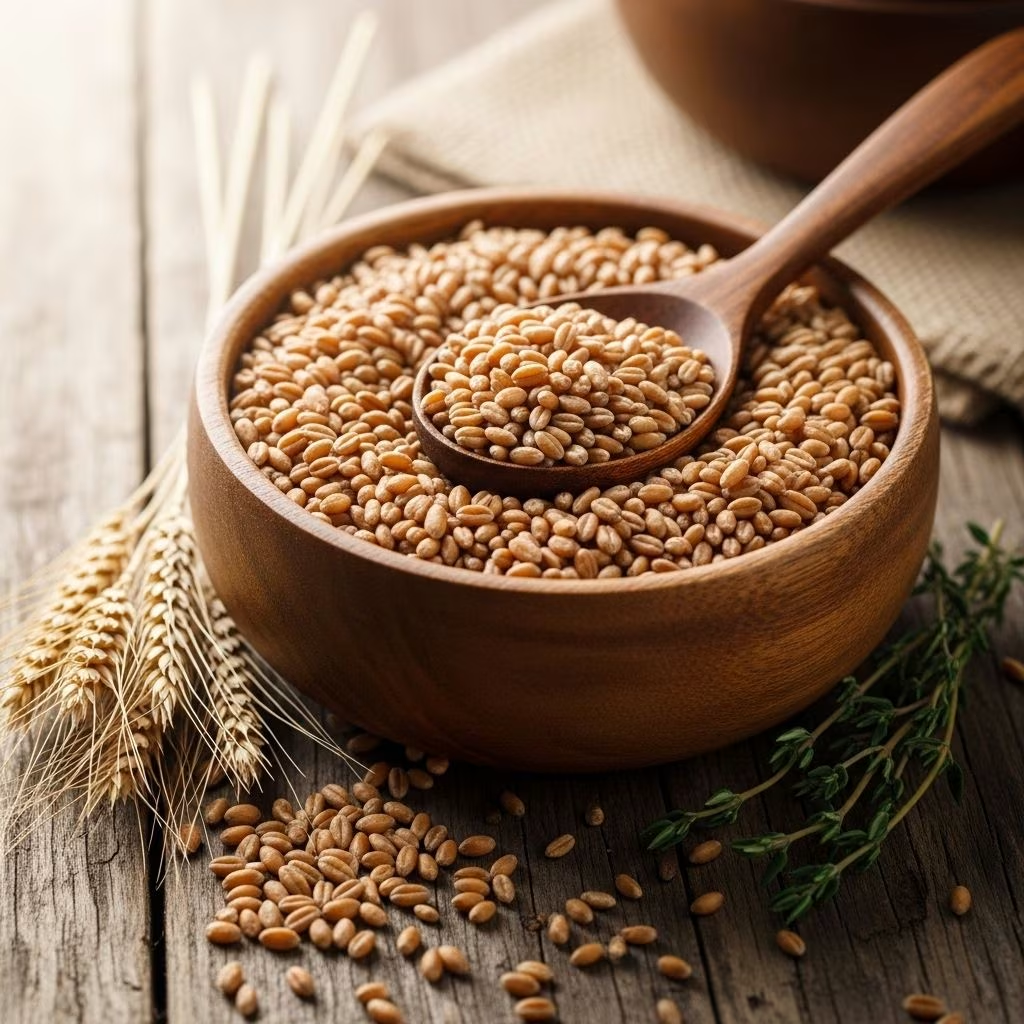
Wheat berries are the unsung heroes of the whole grain world—nutrient-dense, delicious, and endlessly versatile. In this comprehensive guide, explore what wheat berries are, their rich nutritional advantages, how to use and cook them, their delightful taste, and practical tips to get started.
Introduction to Wheat Berries
Wheat berries are the complete, unprocessed kernels of wheat—the source of virtually all wheat-based foods. Before they are milled and processed into flour, wheat berries encapsulate all the natural goodness that whole grains can offer. With a distinctive chewy texture and subtle, nutty flavor, wheat berries are a valuable addition to a wholesome diet.
Definition and Overview
Simply put, wheat berries are the edible whole seed of the wheat plant. Each kernel contains three edible parts: the bran, germ, and endosperm. Unlike refined flour, wheat berries are unprocessed and retain all the vital nutrients originally packed by nature.
Anatomy of the Wheat Berry
| Part | Proportion | Nutritional Highlights |
|---|---|---|
| Bran | 14–16% | Fiber, B vitamins, minerals, antioxidants |
| Germ | 4–5% | Vitamin E, healthy fats, phytonutrients, antioxidants |
| Endosperm | 80–85% | Starch, protein |
- Bran: The outer shell, rich in insoluble and soluble fiber, B vitamins, and essential minerals such as magnesium and iron.
- Germ: The innermost part, packed with vitamin E, healthy fats, antioxidants, and phytonutrients critical for health and cellular protection.
- Endosperm: The largest portion, dedicated to providing carbohydrates and protein for energy and body repair.
Nutritional Profile and Health Benefits
Wheat berries are nutritional powerhouses, offering a spectrum of macro- and micronutrients absent from many refined grain products. Here is a detailed exploration of their health benefits and essential nutrients:
Core Nutrients per 1 Cup (Cooked)
- Calories: ~300
- Protein: 6g*
- Dietary Fiber: 6g
- Iron: 38% of daily value
- Fat: 1g
- Complex carbohydrates
- Rich in B-vitamins (except B12), Vitamin E, magnesium, potassium, phosphorus
*Nutritional values depend on wheat variety and cooking method.
Major Health Benefits
- Heart Health: Soluble fiber supports healthy cholesterol levels, reducing the risk of cardiovascular disease.
- Gut Health: Insoluble fiber aids in regular digestion and may reduce the risk of colon disorders.
- Weight Management: High fiber and protein content increase satiety, aiding weight maintenance and appetite control.
- Blood Sugar Regulation: Whole grain structure helps blunt spikes in blood sugar, supporting healthy glycemic control.
- Rich in Antioxidants: Especially due to the germ and bran, wheat berries defend cells against oxidative stress, lowering the risk of chronic diseases.
- Bone Strength: Good source of magnesium and phosphorus, vital for bone health.
Vitamins and Minerals in Detail
- Vitamin E: Potent antioxidant, protective for cardiovascular and eye health.
- B-vitamins: All B-complex except B12—crucial for energy metabolism, nervous system function, DNA synthesis, and red blood cell production.
- Iron: Improves oxygen transport and energy levels, especially important for vegetarians and women.
- Magnesium and Potassium: Important for muscle function, bone maintenance, and blood pressure regulation.
- Phytonutrients: Support immune function and promote cellular health.
Wheat Berries and Gluten
Wheat berries contain gluten, a protein that gives wheat its elasticity and structure in baking. Gluten is safe for most people but should be avoided by those with celiac disease or gluten sensitivities.
Uses of Wheat Berries
Wheat berries are versatile and can feature in every meal of the day. Their robust texture and subtle flavor allow them to be used as a nutritious base or unique accent across a wide culinary spectrum:
- Hot breakfast cereals: Simmered wheat berries with milk, spices, fruits, or honey for a hearty morning meal.
- Hearty salads: Add cooked berries to vegetables, greens, nuts, and cheese for added chew and nutrition.
- Baked goods: Toss into breads, muffins, or granolas for extra crunch and flavor.
- Soups and stews: Stir in for a chewy, nutty addition to broths, chilis, and hearty stews.
- Main or side dish: Serve warm with herbs, roasted vegetables, or under stews as a rice substitute.
Innovative Culinary Applications
- Risotto-style dishes: Use wheat berries in place of Arborio rice for a new twist on risotto.
- Buddha bowls: Combine with legumes, roasted vegetables, and dressings for a balanced meal.
- Grain bowls: Ideal as a base with proteins and raw veggies for quick, wholesome lunches.
- Sprouted wheat berries: Sprout at home to add to salads or sandwiches for extra nutrition and crunch.
Taste and Texture
Wheat berries are celebrated for their distinct taste and texture. Once cooked, they are:
- Chewy: More substantial than rice or quinoa; delightful hearty bite.
- Nutty & Earthy Flavor: Subtle yet complex, with toasty undertones that shine alone or in combination with other foods.
- Versatile Base: Mild flavor lets them absorb complex flavors from dressings, stocks, or sweet/savory ingredients.
How to Cook Wheat Berries
Wheat berries require more cooking time than most grains due to their dense structure. With proper preparation, the result is worth the wait.
Step-By-Step Cooking Instructions
- Rinse wheat berries thoroughly under cold water to remove dust or debris.
- (Optional) Soak overnight to reduce cooking time and increase tenderness.
- Combine 1 part wheat berries and 3 parts water or broth in a large pot.
- Bring to a boil, then reduce to a simmer, cover, and cook for 50–70 minutes.
- Check for preferred doneness: they will always be chewy, but can soften with longer cooking.
- Drain excess water. Fluff with fork and use as desired.
Toasting wheat berries in a dry skillet for a few minutes before boiling intensifies their nutty aroma and further reduces cooking time.
Tips
- Cook a large batch and store in the refrigerator for up to one week to use throughout the week in various dishes.
- Freeze cooked wheat berries in small portions for quick meal prep.
- Season while warm to maximize flavor absorption.
Storage and Shelf Life
Wheat berries have a long shelf life if stored correctly in a cool, dry place, away from sunlight, in airtight containers. When stored properly, uncooked wheat berries can last up to a year or longer.
It is important to:
- Check packaging for expiration dates.
- Avoid any signs of mold or insect infestation.
- Keep cooked wheat berries refrigerated and use within 5–7 days or freeze for up to 3 months.
Where to Buy Wheat Berries
Wheat berries can increasingly be found at:
- Health food stores
- Natural/organic sections of major supermarkets
- Bulk food bins and online retailers
Choose from hard red, soft red, hard white, or soft white varieties, each with slight differences in taste and cooking characteristics.
Frequently Asked Questions (FAQs)
Q: How do wheat berries differ from other wheat products?
A: Wheat berries are the whole, unprocessed grain, which distinguishes them from processed forms like flour, bulgur, and farro. Only wheat berries include all three parts—the germ, bran, and endosperm—making them more nutrient-dense.
Q: Are wheat berries gluten free?
A: No. All wheat berries naturally contain gluten, and should be avoided by individuals with celiac disease or gluten intolerance.
Q: Do I need to soak wheat berries before cooking?
A: Soaking is optional. It can shorten the cooking time but is not required. Unsoaked wheat berries may take longer to soften.
Q: Can I grind wheat berries to make flour at home?
A: Yes. Home bakers often use grain mills to grind wheat berries into fresh whole wheat flour, maximizing flavor and nutritional value.
Q: What are some recipe ideas using wheat berries?
A: Try them in breakfast porridges, salads with roasted vegetables and feta, as a base for grain bowls, or substituted for rice in pilaf and stir-fries. They also add texture to breads and homemade granola.
Q: Are there different types of wheat berries?
A: Yes. Common types include hard red, soft red, hard white, and soft white wheat berries, each with unique flavor and baking properties.
Q: How should wheat berries be stored for long-term use?
A: For long-term storage, keep them in airtight containers in a cool, dry, and dark location. Properly stored, they can last for up to a year or more without spoilage.
Conclusion
Wheat berries are a nutrient-rich, wholesome, and versatile whole grain. Their high fiber, protein, vitamins, and minerals offer significant health benefits. Whether you’re seeking new ways to add whole grains to your diet, enhance dietary fiber, or experiment with chewy, nutty textures, wheat berries provide both nutrition and culinary inspiration. Enjoy them at breakfast, in salads, or as a hearty grain base—your body and taste buds will thank you.
References
- https://eatwheat.org/learn/wheat-berries/
- https://simplyhealthwithmarissa.com/nutritional-benefits-of-wheat-berries-the-unsung-superfood/
- https://www.theincrediblebulks.com/wheat-berries/
- https://be-still-farms.com/blogs/healthy-organic-living-blog/wheat-berries-in-your-diet-facts-and-benefits-1
- https://www.healthline.com/nutrition/9-benefits-of-whole-grains
- https://www.americansportandfitness.com/blogs/fitness-blog/wheat-berries-nutrition-facts-pros-cons


