


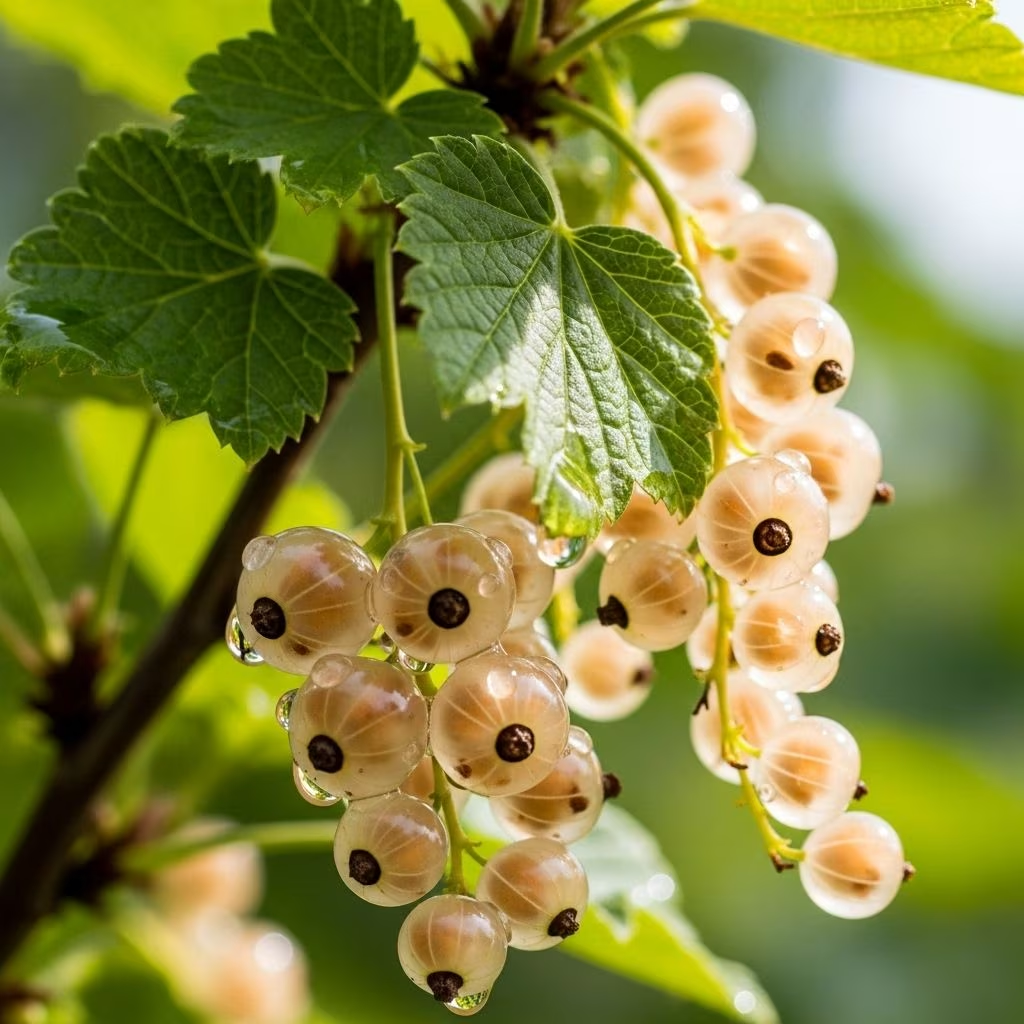
White currants are a rare yet increasingly popular fruit appreciated by culinary experts and health-conscious consumers alike. This extensive guide explores every aspect of the white currant: its botanical profile, taste, nutritional benefits, best uses in the kitchen, storage tips, pairing recommendations, and answers to frequently asked questions.
Introduction
White currant berries are a lesser-known but delightful member of the currant family, cherished for their unique translucent color, mild sweetness, and versatility. They offer a subtle alternative to the more assertive flavors of red and black currants. Their rarity and intriguing flavor profile have made them a favorite among gourmet chefs and home gardeners interested in heirloom fruits.
Botanical Background and Description
Biologically, white currants (Ribes rubrum) are an albino cultivar of the red currant, sharing the same species status but differing dramatically in pigmentation and flavor. Belonging to the Grossulariaceae family, which also includes gooseberries, the white currant bush typically grows up to two meters high.
- Appearance: The berries are small (0.5–1 cm diameter), round, and grow on clusters called strigs. Their color ranges from pale yellow to translucent white or blush pink, depending on the variety ().
- Structure: Each berry has a glossy, delicate skin that reveals the edible seeds and soft, juicy interior when bitten ().
- Varieties: Notable garden varieties include Blanka, White Grape, and Versailles Blanche ().
- Native Range: White currants originated in Europe and parts of Asia but are now found in temperate climates worldwide ().
Taste and Flavor Profile
The white currant stands out for its sweet flavor and mild acidity. It is regarded as the sweetest of the currants, with a distinct floral aroma and complexity not found in red or black currant varieties (). The taste is often described as:
- Mildly sweet, with subtle tartness that makes it palatable even when eaten fresh—unlike its tart relatives.
- Notes of muscat grape, sour cherry, and kiwi with a lingering, floral finish ().
- Complex yet delicate, allowing it to be used in both sweet and savory dishes ().
While some sources note that the flavor is “almost bland” compared to red currants, the consensus among food enthusiasts is that white currant’s balanced sweet-tart taste makes it highly attractive in fresh and prepared forms ().
Nutritional Benefits of White Currant
White currant berries pack a nutritional punch while being low in calories (approximately 63 calories per cup), making them ideal for health-focused diets (). Their main nutritional benefits include:
- High Vitamin C: Essential for immune support, infection resistance, and healthy skin and hair ().
- Vitamin K: Important for bone health and aiding the body’s blood clotting mechanisms ().
- Dietary Fiber: Helps regulate digestion, blood sugar, and cholesterol levels ().
- Potassium: Supports cardiovascular health and muscle function ().
- Antioxidants: Combat oxidative stress and potentially reduce chronic disease risk ().
- Low Fat and Sodium: Contains negligible fat or sodium and no cholesterol ().
Due to their combination of nutrients and antioxidants, white currants are frequently described as a “local superfood” in growing regions ().
| Feature | White Currant | Red Currant | Black Currant |
|---|---|---|---|
| Color | Pale yellow/translucent white | Bright red | Deep purple/black |
| Vitamin C | High | High | Extremely high |
| Fiber | Excellent | Excellent | Excellent |
| Flavor | Sweet, mild, floral | Tart, slightly sweet | Intensely tart |
| Antioxidants | Good | Good | Outstanding |
| Usage | Fresh, cooked, dried | Cooked, preserves | Cooked, juices |
Culinary Uses and Applications
White currants can be used in a wide array of culinary applications due to their balance of sweetness and acidity, as well as their texture and appearance. Their high pectin content is especially valuable for preserves ().
- Fresh Eating: Enjoyed as a snack, in fruit salads, or as a delicate topping for desserts ().
- Baked Goods and Desserts: Perfect in pies, tarts, cake batters, and crisps. Can be suspended in gelatin or mixed with other fruits for colorful, flavorful desserts ().
- Jams, Jellies, and Cordials: White currants make clear, bright jams and jellies that showcase their color and flavor. Sieving the seeds is recommended for smooth textures ().
- Toppings and Garnishes: Rolled in caster sugar, they become an elegant garnish for pastries or cocktails ().
- Frozen Treats: Added to fruit popsicles or sorbet bases for an extra burst of flavor ().
- Salads: Tossed with greens such as frisee, and vinaigrette, or combined with nectarines and herbs for a winter salad ().
- Sauces and Marinades: Their tartness adds depth to meat sauces—especially poultry, game, or fish. Currant wine and cordials are notable specialties ().
Pairing Ideas for White Currants
The delicate flavor and bright acidity of white currants make them an excellent partner for a wide range of ingredients, both sweet and savory. Pairings can elevate simple dishes into gourmet fare:
- Fruits: Strawberries, peaches, cherries, nectarines, and melons amplify the berry’s flavor in salads and desserts ().
- Cheeses: Creamy cheeses like goat or ricotta complement their tartness ().
- Spices: Cinnamon, nutmeg, vanilla, and clove add warmth to currant jams, pies, and crisps ().
- Herbs: Fresh mint, basil, juniper, and lemon verbena for sauces or garnishes ().
- Meat and Game: Poultry, duck, venison, or game meats benefit from currant’s acidity in sauces/marinades ().
- Desserts and Baked Goods: Vanilla cream, shortbread, steusel bars, ice creams, and tarts ().
- Beverages: Gin, sparkling wines, and currant cordials capture their refreshing brightness ().
Storage and Handling Tips
Due to their thin skin and delicate texture, white currants should be handled with care to avoid bruising. To preserve freshness and flavor:
- Always harvest by snipping the entire cluster from the bush, not individual berries ().
- Refrigerate promptly for up to one week; keep dry and cool ().
- For longer storage, freeze clusters on trays before transferring to airtight containers ().
- Use fresh currants as soon as possible after purchase or harvest, as they are highly perishable ().
Cultivation and Growing White Currants
Gardeners value white currant bushes for their ornamental appeal and winter hardiness. Here are the basics for home growing:
- Climate: Thrive in temperate climates with cold winters; hardy to most frost conditions ().
- Soil: Prefers moist, well-drained soil enriched with organic matter.
- Pruning: Annual pruning of old branches helps maximize fruit set and bush shape.
- Pollination: Self-pollinating, making them easy to grow without the need for multiple bushes.
- Harvest Timing: Mid-summer, when berries appear fully translucent and slightly soft to the touch ().
White currants are an excellent choice for small orchards, edible landscaping, or as a border shrub for ornamental gardens ().
White Currant vs. Other Currant Varieties
Understanding the differences between white, red, and black currants can help you select the right berry for your needs:
- Color: White currants are pale, red currants are bright, and black currants have deep purple or black hues ().
- Taste: White currant is the mildest and sweetest; red currant is tart but flavorful; black currant is intensely tangy, often too strong to eat fresh.
- Culinary Uses: White currants preferred for fresh eating and delicate desserts; red and black currants are most often used in jams, juices, or sauces.
- Nutritional Value: All varieties are rich in vitamin C and fiber, but black currants have the edge in antioxidant content.
Frequently Asked Questions (FAQs)
Q: Are white currants sweet or tart?
A: White currants are regarded as the sweetest currant variety, with a mild acidity that adds freshness but not excessive tartness ().
Q: Can white currants be eaten fresh?
A: Yes, their sweetness and delicate texture make them an ideal snack or salad ingredient, unlike red or black currants which are often too tart when raw ().
Q: How do I use white currants in cooking?
A: Use them fresh in salads, desserts, jams, jellies, sauces, marinades, and as garnishes for cakes or drinks. Their high pectin makes them perfect for thickening preserves ().
Q: Are white currants nutritious?
A: They are high in vitamin C, vitamin K, fiber, antioxidants, and potassium, while remaining low in fat and sodium ().
Q: How do I store white currants?
A: Keep them refrigerated, dry, and use within a week. For long-term storage, freeze the berries on the stem before transferring them to a sealed container ().
Conclusion
White currant berries offer a rare combination of mild sweetness, visual appeal, and versatile culinary applicability. Their nutritional richness and subtle flavor make them a sought-after superfood for salads, desserts, preserves, and garnishes. Whether you’re a home gardener, gourmet chef, or simply an adventurous fruit lover, white currants deliver freshness and intrigue with every bite.
References
- https://specialtyproduce.com/produce/White_Currant_Berries_430.php
- https://specialtyproduce.com/produce/White_Currants_7151.php
- https://www.montanaberries.org/white-currants
- https://dictionary.langeek.co/en/word/204100?entry=white+currant
- https://www.ag.ndsu.edu/carringtonrec/archive/northern-hardy-fruit-evaluation-project/fruit-index/red-currant/red-currant2
- https://www.missouribotanicalgarden.org/PlantFinder/PlantFinderDetails.aspx?taxonid=255946&isprofile=0&pt=7
- https://extension.umn.edu/fruit/growing-currants-and-gooseberries-home-garden


