


Introduction
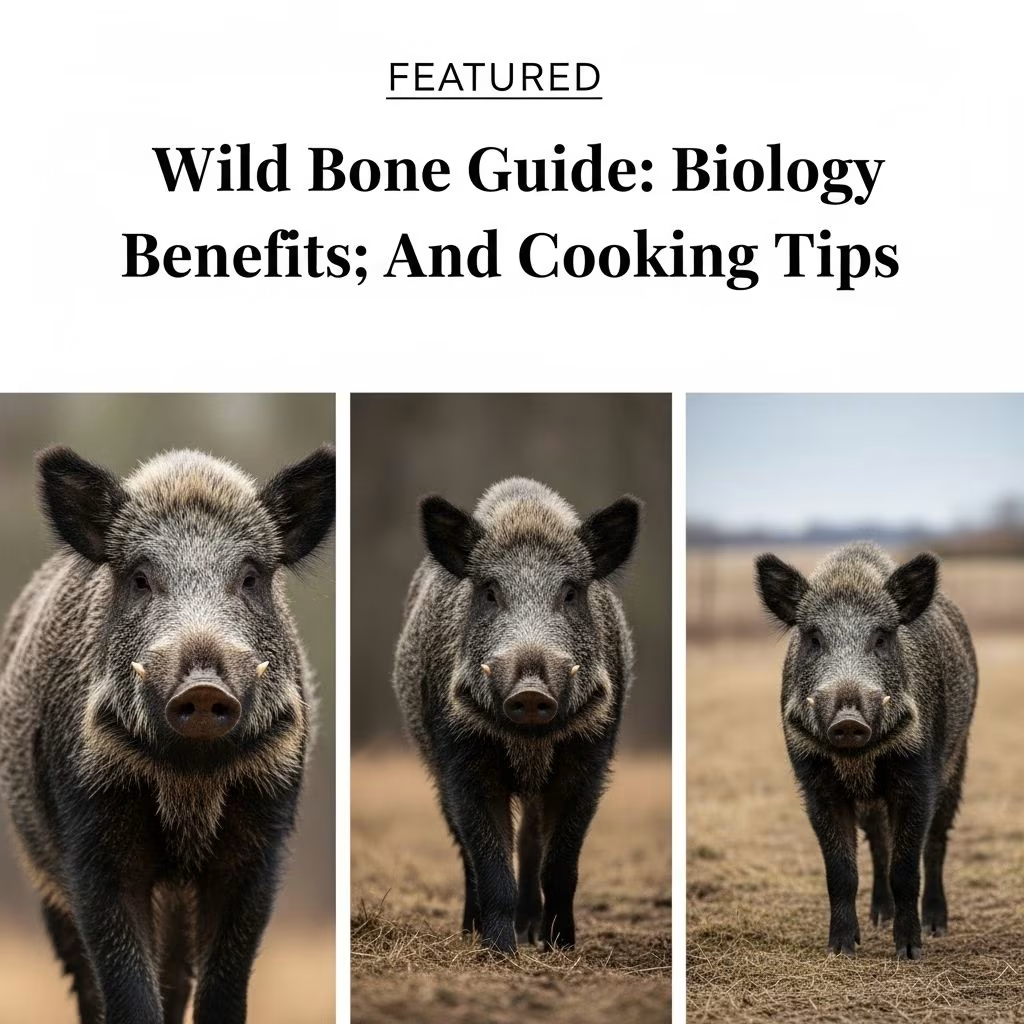
Wild boar (Sus scrofa), also known as the Eurasian wild pig or wild swine, is a robust, adaptable mammal native to forested regions across Europe, Asia, and North Africa. Over centuries, wild boars have played essential roles in local ecosystems and human diets. Prized for their powerful foraging behavior and regarded as both a symbol of wild abundance and a valuable culinary delicacy, wild boar continues to intrigue biologists, hunters, chefs, and gourmets worldwide. This guide explores the biology, ecological importance, health benefits, traditional and modern uses, and the distinctive taste of wild boar meat.
Biology and Characteristics of Wild Boar
Physical Description
- Size & Build: Adult wild boars can reach lengths of 153–240 cm (about 5–8 ft) and weigh between 66–272 kg (145–600 lbs), with males typically 5–10% larger and 20–30% heavier than females.
- Appearance: Their coat is coarse, with color varying from black to brownish-red to white, occasionally speckled or solid, depending on geography. Juveniles show striped patterns for camouflage, fading as they mature.
- Distinctive Features: The body is stocky, with disproportionately large heads (up to a third of total body length), muscular necks, and prominent canine teeth called tusks—especially pronounced in males.
- Adaptations: The head and neck are structurally suited for digging. Wild boar can uproot plants and dig up frozen ground, helping them forage and shape local vegetation.
Behavior and Social Structure
- Grouping: Females and their offspring live in social units called sounders. Adult males tend to be solitary, joining groups mainly during breeding season.
- Activity: Typically nocturnal and crepuscular, wild boars adjust their activity based on climate and predation risk, foraging extensively during evening and nighttime hours.
- Territory: Home ranges vary from 1.1 to 3.9 square kilometers, with males covering larger areas, especially during mating season.
- Signs of Presence: Wallows (mud pits), tree rubs, hoof tracks, scat with partially digested plant and animal matter, and ground disturbances mark wild boar territories.
Ecological Impact and Distribution
Geographic Range
- Native Regions: Wild boars are indigenous to Europe, Asia, and North Africa, thriving in forests, woodlands, and grasslands.
- Introduced Populations: They have been introduced to North America (notably the US), New Zealand, and various islands, where they often hybridize with feral domestic pigs.
Ecological Functions
- Soil Turnover: Their digging behavior aerates soil, mixes organic matter, and facilitates seed dispersal, influencing forest composition and undergrowth.
- Prey & Predator: As omnivores, wild boars prey on small animals and consume vast arrays of plant matter, contributing to food webs; meanwhile, they are prey for large predators such as wolves or tigers in their native range.
- Potential Invasiveness: In introduced regions, wild boars can cause substantial ecological disruption by damaging crops, outcompeting native species, and transmitting diseases.
Nutritional Benefits of Wild Boar Meat
Wild boar meat is increasingly popular among health-conscious consumers and gourmet communities due to its distinctive nutritional profile and wild origins. Compared with domestic pork, wild boar is considered to offer several health advantages.
Key Nutritional Properties
- High Protein: Wild boar meat typically contains more protein per serving than conventional pork, supporting muscle health and satiety.
- Low Fat: Being leaner than farmed pork, wild boar offers fewer saturated fats, contributing to heart health and lower calorie counts.
- Rich Vitamins & Minerals: The meat provides essential nutrients, including iron, zinc, B vitamins (notably B12 and niacin), and selenium, all vital for energy production and immune support.
- Omega Fatty Acids: Thanks to natural diets, wild boar may have higher levels of beneficial omega-3 and omega-6 fatty acids compared to intensively farmed livestock.
Health Advantages
- Meals prepared with wild boar are often recommended for their unique micronutrient spectrum, supporting metabolic health and cognitive function.
- The absence of artificial hormones and antibiotics in wild populations makes wild boar a cleaner meat choice for consumers seeking more natural proteins.
- Eating wild game meats may diversify the diet and expose consumers to lower risk of certain chronic diseases associated with high-fat commercial meats.
Culinary Uses of Wild Boar
Wild boar enjoys a prestigious status among game meats, appearing on the tables of European nobility, rustic villages, and modern urban restaurants alike. Its distinctive flavor and texture offer creative opportunities for traditional and contemporary cooks.
Traditional Dishes and Preparation
- Roasts & Braises: In Italy, cinghiale is famed in slow-cooked ragù sauces, stews with juniper and red wine, and spit-roasted joints marking feasts and holidays.
- Charcuterie: Wild boar sausages, salami, and cured hams are popular in Mediterranean regions, celebrated for their intense flavor and firm, gamey texture.
- Barbecue & Grill: In the American South and Texas, hunters prize wild boar for smoked ribs, grilled chops, and hearty barbecue preparations, often paired with robust spices.
- Modern Gastronomy: Innovative restaurants use wild boar in burgers, terrines, tacos, and even gourmet pizzas, highlighting its versatility and unique taste.
Cooking Techniques
- Marinating: Due to its leanness and rich flavor, wild boar benefits from marination in wine, herbs, or acidic ingredients before cooking, enhancing tenderness.
- Slow Cooking: Braising, stewing, and slow-roasting are ideal to soften the fibrous texture and unlock complex flavors.
- Pairings: Foods with acidity (tomatoes, vinegar, red wine), earthy flavors (mushrooms, juniper berries), and sweetness (plums, apples) complement the gamey notes of wild boar.
Taste Profile: What Does Wild Boar Taste Like?
The flavor of wild boar meat is noticeably different from that of domestic pork, offering an adventurous palate experience.
| Aspect | Wild Boar | Domestic Pork |
|---|---|---|
| Texture | Lean, firm, slightly fibrous | Softer, fattier, tender |
| Flavor | Earthy, nutty, gamey, sometimes sweet | Mild, neutral, slightly sweet |
| Fat Content | Lower, less marbling | Higher, more marbling |
| Aroma | Rich, robust, faint wildness | Mild, less pronounced |
- Wild boar is often described as having a deep, earthy taste with nutty undertones, sometimes compared to beef crossed with pork, but with a distinct wild tang.
- Mature animals and males tend to have a stronger, more intense flavor than young or female boars. Marination and slow cooking help balance these rich flavors.
- Depending on diet and habitat, wild boar can taste sweeter, especially when nourished on nuts, acorns, or fruit, and more robust when feeding on roots and tubers.
Sustainability and Ethical Considerations
- Wild boar hunting can help control overpopulation, safeguard agricultural lands, and maintain ecological balance where boar numbers threaten crops or native flora.
- Ethically sourced wild boar minimizes reliance on industrial meat production, reducing greenhouse emissions and promoting biodiversity.
- Responsible hunting regulations and wildlife management support sustainable populations and prevent ecosystem damage.
- Consumers should seek certified, traceable sources of wild boar to ensure humane hunting practices and food safety.
Safety, Preparation & Cooking Tips
- Proper Handling: Always source wild boar meat from trusted suppliers or through regulated hunting to ensure it is safe for consumption.
- Trichinosis Risk: Wild boar (like some other game meats) may carry parasites (notably Trichinella), so always cook meat to an internal temperature of at least 160°F (71°C).
- Storage: Freeze wild boar meat as soon as possible after harvest. Thaw in the refrigerator for best quality and safety.
- Cooking Methods: Slow, moist cooking (braising, stewing) brings out flavor and tenderness, while high-heat grilling accents smoky notes but requires careful attention to avoid dryness.
Frequently Asked Questions (FAQs)
Q: Is wild boar dangerous?
A: Wild boar can be aggressive when threatened, especially males during breeding season or females with young. In the wild, they should be observed cautiously and never approached.
Q: How is wild boar different from feral pigs?
A: Wild boar are genetically distinct from feral domestic pigs; though hybrids exist where populations overlap. Wild boar display unique physical features, behavioral patterns, and usually more pronounced tusks and leaner bodies.
Q: Where can I buy wild boar meat?
A: Specialty butchers, online game meat suppliers, and regulated hunting programs provide wild boar meat. Always check origin and ensure legal, ethical sourcing.
Q: Is wild boar healthy to eat?
A: Yes, wild boar meat is low in fat and high in protein and micronutrients, provided it is thoroughly cooked and sourced from uncontaminated populations.
Q: What are the best spices or herbs for wild boar?
A: Classic pairings include juniper, rosemary, garlic, sage, black pepper, bay leaves, and wine-based marinades to balance the robust flavor.
Conclusion
Wild boar stands as a symbol of untamed nature and resilience, offering biodiversity benefits, unique culinary experiences, and nutritional advantages. Its meat challenges modern cooks and appeals to adventurous eaters—delivering robust flavors and a connection to ancient food traditions. From forest foraging to festive tables, understanding the biology, uses, and taste of wild boar enriches both ecological knowledge and culinary appreciation.
References
- https://en.wikipedia.org/wiki/Wild_boar
- https://animaldiversity.org/accounts/Sus_scrofa/
- https://www.in.gov/dnr/fish-and-wildlife/wildlife-resources/animals/feral-wild-hog/
- https://www.britannica.com/animal/boar-mammal
- https://www.invasivespeciescentre.ca/invasive-species/meet-the-species/land-and-animal-invertebrates/wild-pigs/
- https://ipm.ucanr.edu/home-and-landscape/wild-pigs/pest-notes/
- https://feralhogs.extension.org/physical-characteristics-of-feral-hogs/
- https://www.invasivespeciesinfo.gov/terrestrial/vertebrates/wild-boar


